









The technology is here, now we’re waiting for protocols to be standardised
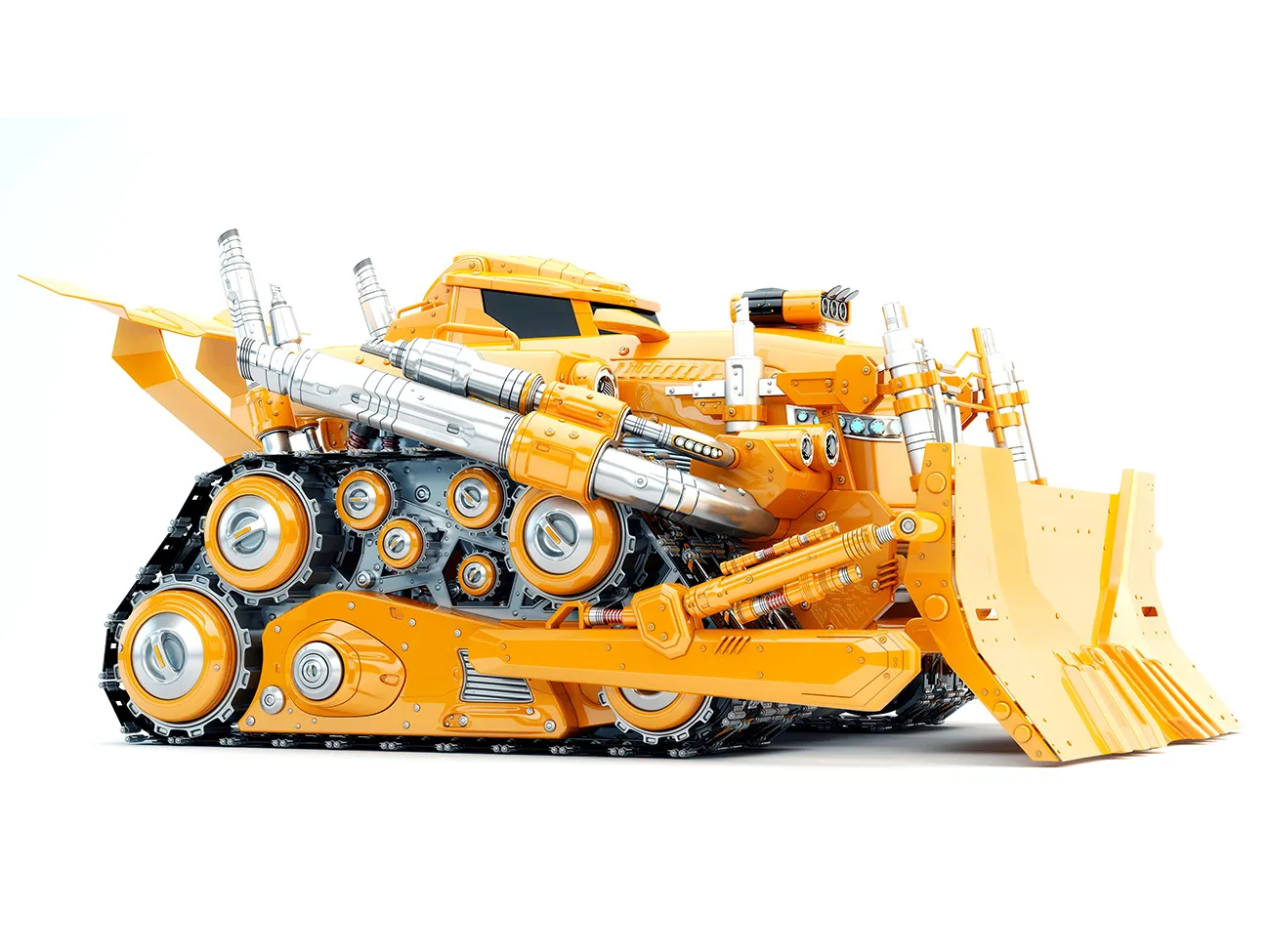
Electrification in the groundworks, roadbuilding and hydraulic engineering sector is gaining momentum. Even large machines are being put to work electrically on projects. Here and there, hydrogen is already being used too. Machines are becoming smarter and safer, both for operators and groundworkers. Sensor technology generates data that can be used immediately or analysed later. More and more processes are being automated, and the home base is increasingly connected to machines (and their operators) in the field via the Cloud.
It could really happen…
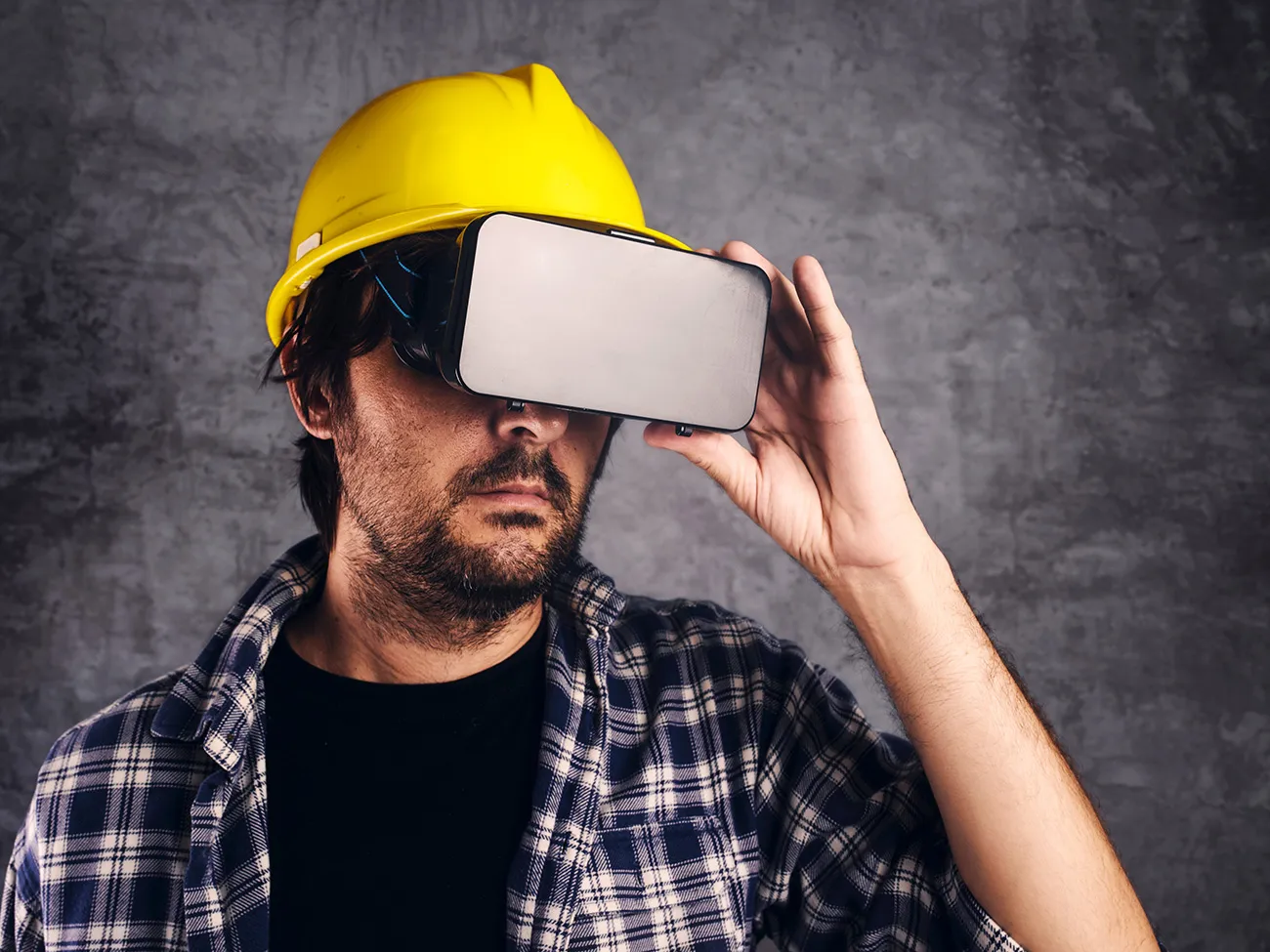
That is without even mentioning the increasingly sophisticated GPS-linked systems that pinpoint a machine’s location and just as easily identify pipes buried in the ground. With Augmented Reality, the operator can view the landscape on a tablet, with cadastral boundaries superimposed. Taking this information a few steps further, we can almost predict what working in the infrastructure sector will look like in the (near) future.
Growing demand
Let’s consider where developments in the groundworks, roadbuilding and hydraulic engineering sector might lead, based on what we know today. As in passenger transport and freight, there will be growing demand for autonomous machines. Why? Because autonomous machines should, in principle, be safer, can work for longer and eliminate errors caused by human actions. One requirement for autonomous machines is that they are ‘connected’: there must be a constant
data connection.
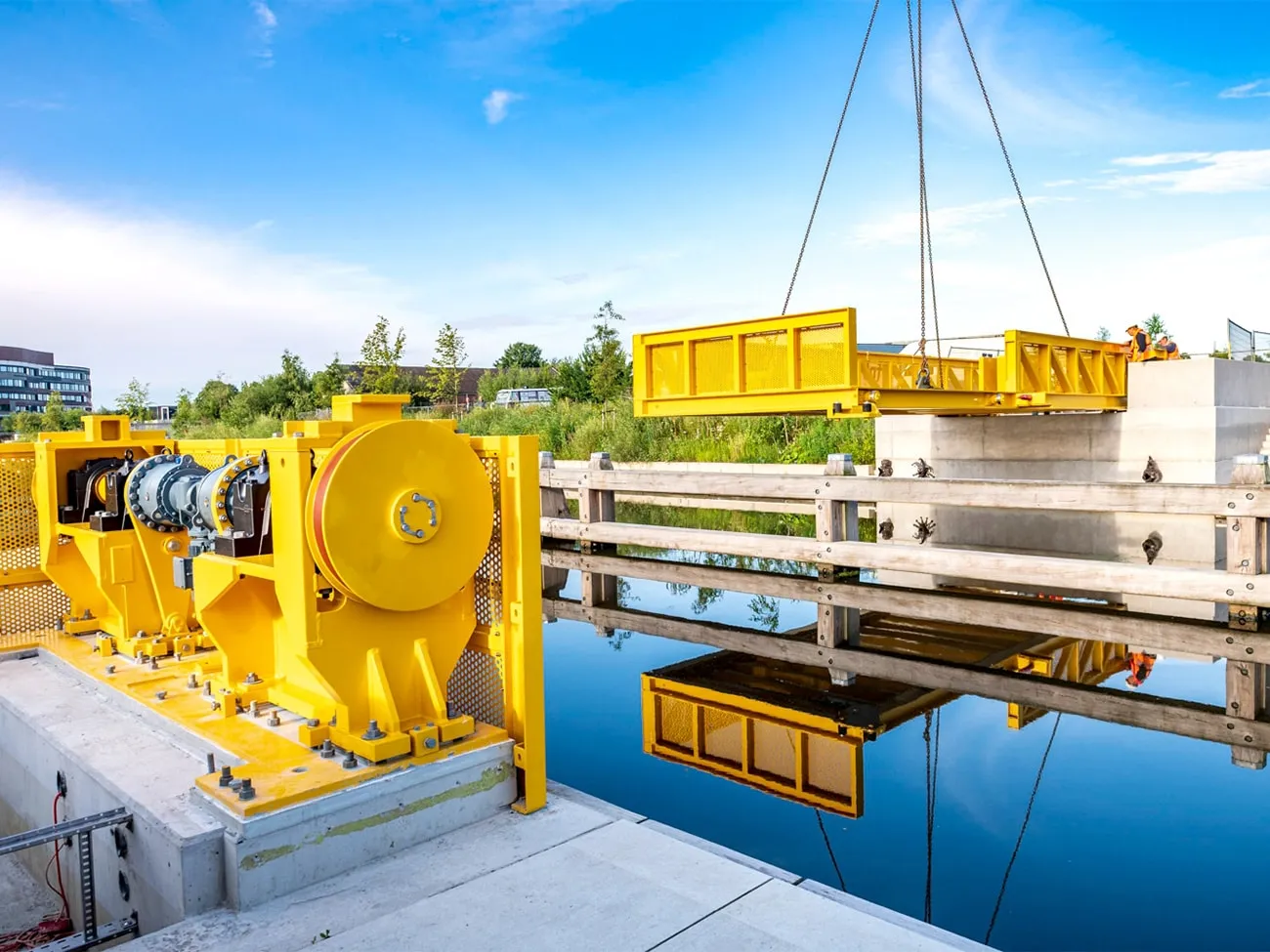
The rollout of the 5G network will make self-driving vehicles possible, including in infrastructure projects. Will operators no longer be needed? Perhaps not, but autonomous working will create new kinds of jobs. At an infrastructure project, alongside all kinds of self-operating machines, we can expect to see mobile “hubs”. These will be command posts where initial monitoring takes place. In the event of an incident, staff can intervene in the field immediately from the Hub.
Seeing through the machine’s eyes
Whether a staff member is at a Hub in front of a screen or at an office elsewhere in the country, they can see what is happening from the autonomous machine via the screen or a Virtual Reality or Augmented Reality headset. A 360˚ camera on the machine sends images to the operator, who can control, correct or stop the machine remotely.
An entire project can also be recorded on video in this way, to be added to the project file later. In addition, data from operating equipment provides a clear picture of technical faults, fuel consumption, maintenance requirements and more. All of this can be monitored remotely.
Part of a ‘swarm’
Individually monitoring every autonomous machine on a project, for example to prevent collisions, would be an impossible task. Autonomy, however, is only possible thanks to the Internet of Things, or IoT. Once again, the 5G network is essential: it makes it possible to bring all the machines on a project together in a so-called ‘swarm’. Machines can be removed from the swarm as needed (if damaged, requiring maintenance or having completed their work), or added to it. The machines communicate with one another via IoT.
This is necessary when work is carried out in sequence. Once machine 1 has completed its task, machine 2 can follow on. The autonomous machines ‘know’ each other’s tasks, when they have been completed and where each machine is in the field. When many machines are working together in a confined space, they can switch to “machine vision” using cameras and laser detectors. In theory, machines could operate just a few centimetres apart without touching.
Sampling on Site
On projects involving the removal of demolition materials, samples can be taken and tested on site through Sampling on Site. Demolition waste can then be sorted on the job and classified. This enables more sustainable working, as less transport is needed, saving a great deal of time.
Autonomous machines that are part of a project swarm and connected to one another and the Hub generate huge amounts of metadata. This information must be analysed In Real Time, after which “the system” assesses situations, reports back to head office and sends commands to the fleet. Artificial intelligence makes this possible. There are already plenty of real-world examples in other sectors. How utopian is the scenario described above? The answer: not utopian at all. The technology is already here. We are simply waiting for protocols to be standardised, machine manufacturers to reach agreements and the sector to be willing to invest. For now, though, let’s keep “both feet on the ground” and allow the digital revolution to happen as it should: step by step. Today’s generation of machine operators need not worry about their jobs for a long time to come.
Question about this story? Ask your question
Keep following this
Get an email when a new story is published. No account needed.
- SubjectBouwMat







