









The Pen | When it comes to safety, you can never be too open
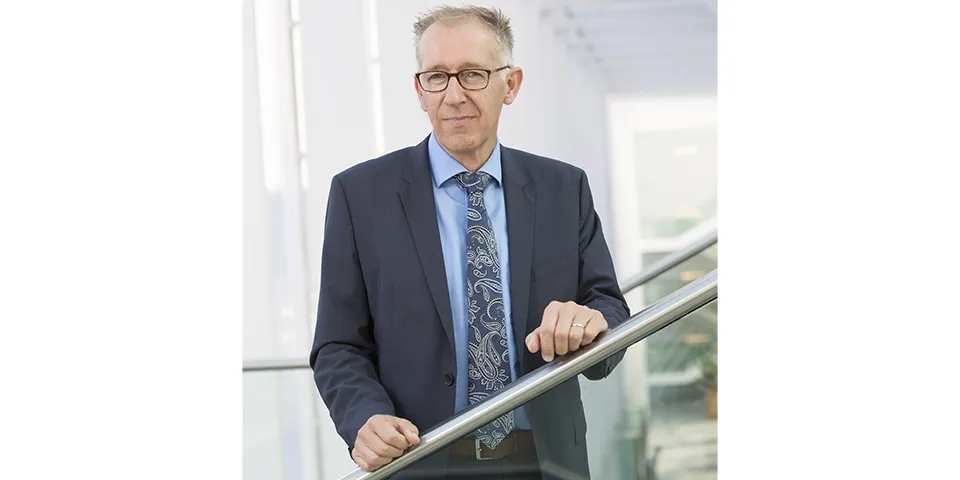
When I look at safety in our sector, I see a major divide emerging. A divide between safety at a fixed site, “inside the fence”, and outside it. Together, we have made enormous progress inside the fence. This environment is also easier to manage than the world beyond it. In my view, progress there is too slow. Visibility has certainly improved, but I see people quickly slipping back into old habits. While incidents inside the fence are generally limited to minor accidents, we still see too many serious incidents on the roads.
Large companies make safety a priority and can set aside larger budgets. This is more difficult for smaller companies, and the impact of an accident is much greater for a small business. The effects on its operations and employees are felt immediately, with an enormous impact on staff. As I said, investing in safety is difficult for small companies. Yet they often work as subcontractors on major projects. All too often, we see companies quickly reverting to old habits. Working alongside roads requires road users and road workers to work together. Incompetent driving and mistakes by road workers combine to create a deadly cocktail of circumstances.
For several years, the construction industry has recorded around 20 deaths a year (according to Cobouw). That is already lower than the figure in previous years, but it has now completely stalled. One obstacle is that learning from accidents is being hampered. There is a deep-seated fear of laying all the investigation data relating to an accident out in the open. This is now entirely due to the potential legal consequences of such transparency. Insurers seek to identify someone to blame. If everyone is equally cautious about keeping investigation data within their own walls, we will never be able to draw the right lessons from an incident and improve the situation.
The question, then, is: which groups should I share information from an incident investigation with? What do you need in order not only to learn, but also to accept the consequences? The civil engineering and infrastructure sector struggles to turn consequences into action and areas for improvement. Safety, enforcement and fostering safety awareness together form a complex triangle. For that reason, large companies do not have their subcontractors properly “under control”. The only way to raise awareness is still strict enforcement, with consequences for those who fail to comply. Workers should feel free to challenge each other over unsafe behaviour. It can harm not only you, but others too.
Shall we agree to raise safety awareness together by thinking things through more carefully and preparing better? Shall we agree to stop accepting excuses? Safety starts with you: work safely, or do not work. Safety must be in our genes. In my role, I will continue working to improve safety. That is my promise.
Question about this story? Ask your question
Keep following this
Get an email when a new story is published. No account needed.
- ThemeSafe working and skilled professionals
- SubjectBouwMat







