









Safety standards for work boots in construction
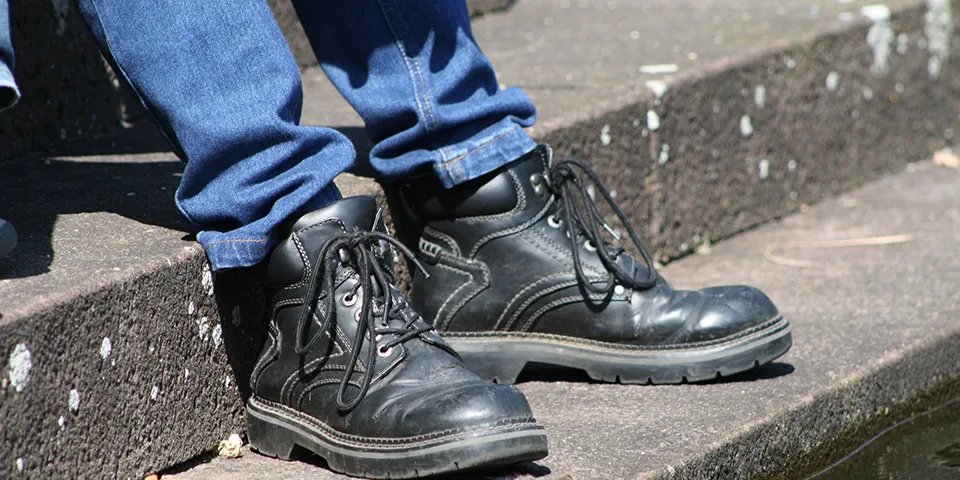
Many people in the Netherlands wear work boots. This is due to the large number of warehouses and storage facilities in the country. These businesses often use dangerous machines that move around the warehouse. They also handle large pallets full of products that could crush your feet. In this blog, you can read about the minimum requirements for good work boots that will keep you safe.
These minimum requirements are there to protect workers, even if they mean a higher price tag.
The requirements
The main purpose of work boots is, of course, to protect your feet. One of the European safety standards for work boots concerns penetration-resistant soles. This protection prevents any materials from penetrating the sole. That way, you avoid stepping on a rusty nail with all the unpleasant consequences that entails.
After protecting the soles of your feet, it is also important to ensure that falling objects cannot penetrate your work boots. That is why work boots are also required to have a safety toe cap, another European safety standard. The toe cap prevents falling objects, such as large pallets, from crushing your foot.
Additional requirements
Although these requirements are not mandatory under European Union rules, they are often required in the Netherlands. This is partly because the Netherlands has stricter working conditions than other EU member states. One recommended feature of work boots is an anti-slip sole. This helps prevent you from slipping on smooth surfaces. There are several certification marks that indicate what type of surface the slip resistance applies to. SRA applies only to ceramic floors that may be wet. SRB is intended for steel floors, where glycerol can make conditions challenging. SRC guarantees both SRA and SRB performance, providing slip resistance on the relevant surfaces.
Maintenance
Work boots are an essential part of your workwear and should therefore be looked after properly. This helps prevent them wearing out when you are off the job. If your employer does not provide somewhere to store them, you should take them home with you. It is best to keep work boots in a dry place. For example, you can use a hygrometer to monitor the humidity in the room where you store your boots.
Question about this story? Ask your question
Keep following this
Get an email when a new story is published. No account needed.
- SubjectBouwMat







