









Improving safety, both on-road and off-road
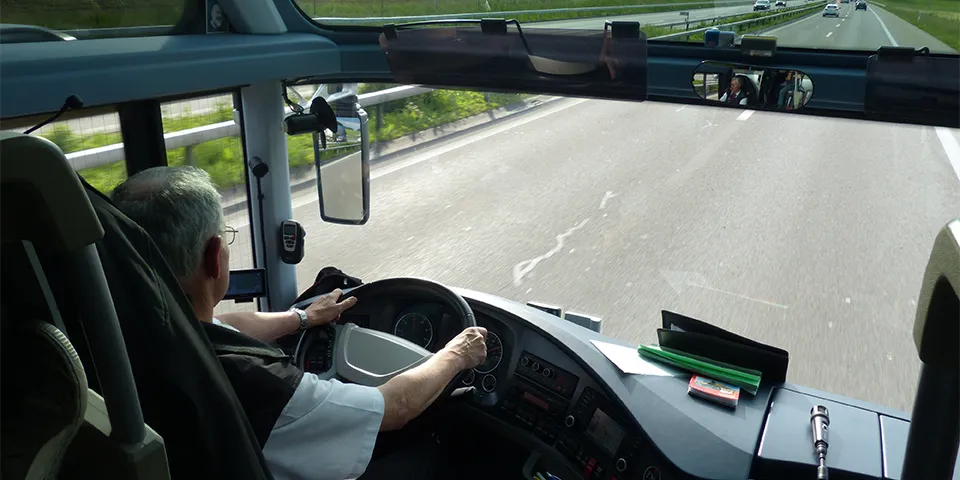
Whether it is protecting vulnerable road users or preventing accidents involving your employees, improving safety standards must always be the top priority for those operating large vehicles and heavy machinery. Huib Slijkhuis, a vehicle safety expert at Brigade Electronics BV, discusses why improving safety on the road and on work sites is essential to preventing fatal accidents.
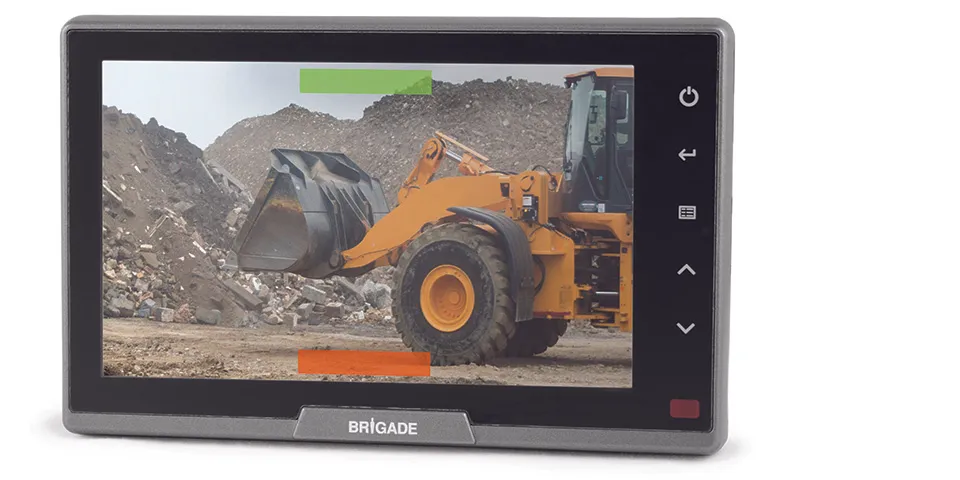
According to the World Health Organization, road accidents are now the seventh leading cause of death worldwide. They claim more than 1.35 million lives each year and cause around 50 million injuries. The WHO also reports that working in the construction, agriculture and mining sectors, where moving vehicles and machinery cause many injuries and deaths, is among the world’s highest-risk occupations. Yet all incidents are preventable.
Appropriate vehicle and machinery safety measures are crucial to tackling problems on the road and on work sites. Taking reasonable precautions is obviously important. But to ensure they remain effective, it is essential to integrate them properly into company safety policies and communicate them to drivers, operators and other employees.

Training helps embed safety principles
Thorough training is a fundamental first step in maintaining safety on the road and on work sites, and in ensuring that employees throughout the company understand its safety policy, which should be consistent and clear. Effective training helps employees become familiar with potential hazards. It teaches them how to respond when something unexpected happens and to carry out thorough risk assessments before starting potentially dangerous projects or working in difficult conditions.
Specialist courses, comprehensive group training and regular refresher courses give employees practical learning experiences and provide them with essential information to maintain the highest safety standards and prevent avoidable incidents.
Vehicle technology
Because of their blind spots, vehicles manoeuvring at low speeds are among the most common causes of fatal accidents and injuries involving pedestrians and other vulnerable road users. Similarly, staff working in noisy environments and difficult conditions, often with limited visibility, face an extremely high risk of being struck by moving vehicles and machinery.
The introduction of safety systems for commercial vehicles has not only helped improve road safety, but has also contributed to improved safety in various sectors, including construction, agriculture, mining, quarrying, shipping and aviation.
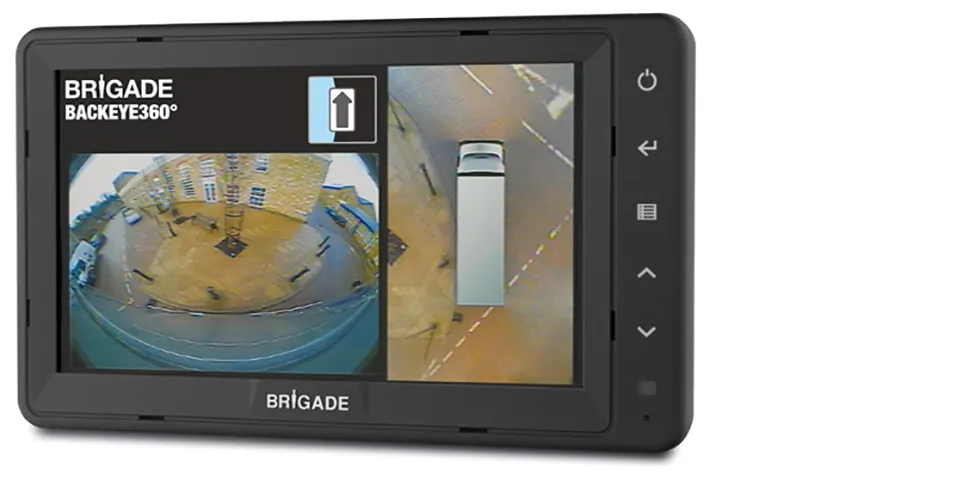
A range of technological solutions can be installed to improve safety, depending on the type of vehicle and how it is used. For example, vehicle-mounted 360-degree cameras, such as Brigade’s Backeye360®, give drivers a constant panoramic view of what is happening around the vehicle, which they can monitor on a screen installed in the cab. The ultra-wide-angle lenses on these systems’ cameras provide an all-round view of the area around the vehicle that even large mirrors cannot match, eliminating blind spots completely.
Radar-based obstacle detection uses continuous-wave radar technology to detect moving and stationary objects around the vehicle, alerting drivers with an audible and visual signal so they can respond appropriately.
These are just two examples of how technology can make vehicles and machinery safer. There are many options to choose from, and specialists such as Brigade Electronics can advise on the best and safest equipment to meet every need.
Practical solutions to improve safety
Alongside training and vehicle technology, making practical changes to the working environment can also reduce the risk of an accident. Changing when particularly dangerous work is carried out, for example by doing it only in daylight, or limiting the number of people in areas where vehicles are operating, are just a few ways to prevent collisions and raise awareness.
Safety first
A safety culture starts at the top. It is therefore essential to instil clear and consistent safety messages. This is key to creating a working culture that puts safety first and ensuring that everyone, both on the road and on work sites, is fully aware of the policies and procedures for best practice, carried out safely.
A business enquiry for Brigade Electronics? Get in touch
Companies in this story

Keep following this
Get an email when a new story is published. No account needed.
- ThemeSafe working and skilled professionals
- SubjectBouwMat
- CompanyBrigade Electronics







