









However hard the ground, infrastructure work is, and always will be, about people
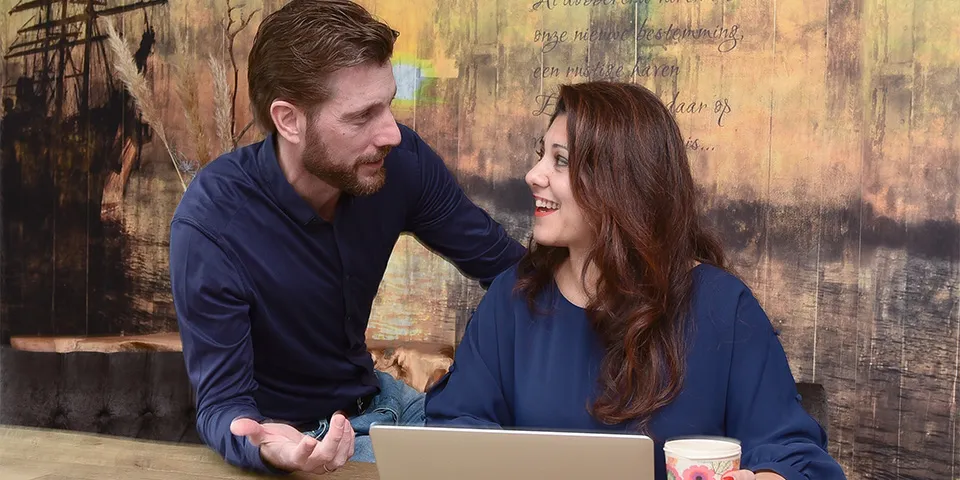
We know her from the ‘Women at the Top’ feature. Marsha Goosens shared her story in issue 3 of this magazine. As an Operational Stakeholder Manager in Infrastructure, she has established herself in our sector. You have read how she combines her work with a busy family life. What we did not tell you is that the Goosens household is a true ‘infrastructure marriage’. Yet the same jargon is spoken around the kitchen table. Michiel Goosens is one of the partners at Aratis, consultants in procurement, contract management and process management.
We talk to Marsha and Michiel about the search for connection in civil engineering. About a shared mission, people and the ‘soft’ side of our ‘hard’ sector.
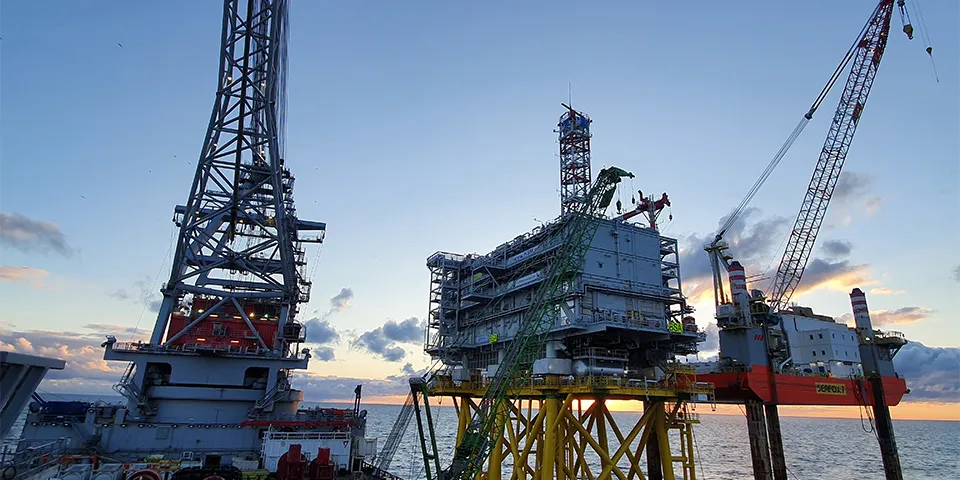
Installation of the Borssele Alpha platform, an Aratis project.
The circle is complete
The two met in 1997 while studying Civil Engineering at the HTS in Rotterdam. “We graduated together in 2000, having worked on a project for a new way of handling containers. The project even won the Infratech Innovation Award,” Marsha begins. “As a couple, we started our careers on the same project, until our professional paths diverged. But 20 years later, we found ourselves working on the same project again, this time the ‘Container Exchange Route’. So the circle was complete. Although we had spent many years following our own paths at different organisations and on projects for both clients and contractors, the CER project showed us that we think exactly alike about collaboration.”
Michiel: “After 20 years, we know that technical problems can fortunately always be solved. The real problems lie in relationships and communication. In that respect, our ‘infrastructure marriage’ is a good metaphor for what happens at work. Every party involved in a project should really enter into a kind of marriage, in which you promise to support each other through good times and bad. In which you trust and treat each other with respect, as equals. That is when great things happen, and you can think of a successful project as your child. You can imagine the conversations over dinner, I think.
You’d be hard pressed to follow those conversations if you weren’t familiar with our industry.”
Seeking better forms of contract
“Drawing on the experience we have gained at Aratis over the years on both the client and contractor sides, we are continually looking for better contract and procurement models, mostly on the client side.
We live in an age when everyone is looking for ways to manage risk in major projects. This is mainly pursued through ever-changing contract models. Initially, integrated contracts led to a not always proportionate transfer of risk to the market. Today, however, alliances and project teams are also being used more often, with a more balanced allocation of risk. This is a positive development,” Michiel explains.
“At Aratis, we are convinced that although a sound contractual framework remains important, the solution also lies in the softer side of things. Let’s treat each other as people, with respect. Give each other room to manoeuvre on a project, be considerate, use our common sense, keep thinking ahead and, above all, retain a good understanding of the subject matter. That is how you deliver a good project and make work enjoyable for everyone. This approach is now being put into practice on several projects.”
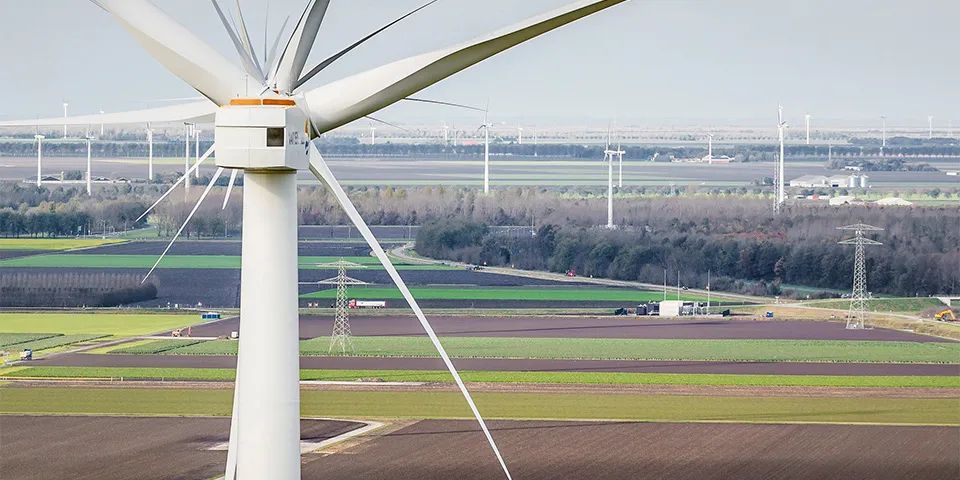
Prinses Alexia wind farm, an Aratis project.
Good preparation takes time
“You need to spend time at the start of a project to eliminate differences in interpretation,” says Marsha. “That prevents people in the field from speaking different languages. It takes time and courage to build a foundation of trust. The fact is that the worlds of clients and contractors are different. It is unrealistic to expect to eliminate those differences entirely over the course of a project. However, you can start a project with the same intentions, so that if difficulties arise, you can find a solution together.”
Michiel adds: “On the client side, we often spend a considerable amount of time getting a project off the ground properly. Two years of preparation, followed by the tender, and then market parties are expected to get to grips with all this knowledge during the tender period? That is possible, but only if you have everything properly organised in advance, and especially at the start of a project, while also allowing room for the contractor’s interpretation. That is part of what we do at Aratis.”
A genuine code of conduct
A code of conduct with a number of clear core values was drawn up for the CER. “We made this code of conduct part of the contract. If someone wants to make changes, they must act in accordance with its principles,” Michiel explains. “Together with other professionals in the sector, we at Aratis are developing a service concept to support clients and contractors in successfully achieving project objectives through practical measures and human connection, so that it does not remain merely an intention. We are convinced that this approach not only delivers great projects, but also helps people grow as individuals. That means you can enjoy going to work on our long-running infrastructure projects. That’s what we all want, isn’t it?” Michiel concludes.
Aratis B.V.
Van Nelle factory
Expedition building
Van Nelleweg 1
3044 BC Rotterdam
www.aratis.nl
Question about this story? Ask your question
Companies in this story
Keep following this
Get an email when a new story is published. No account needed.
- SubjectBouwMat
- CompanyInfraTech







