









Geotechnical consultancy specialising in lightweight fill materials and geosynthetics
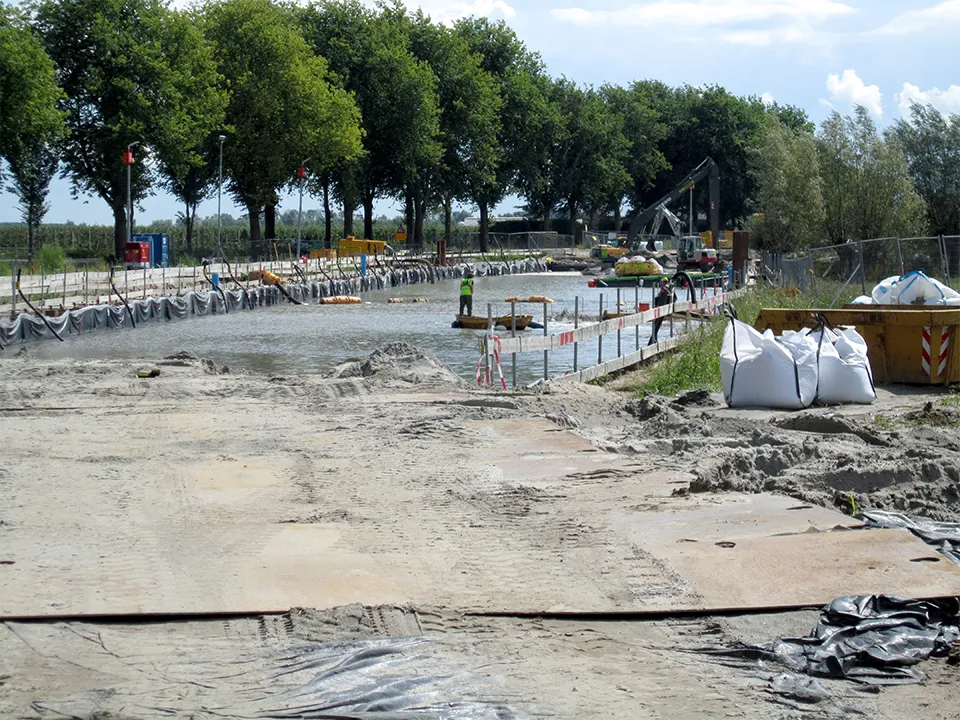
The use of lightweight fill materials and geosynthetics in infrastructure is growing in popularity. However, it requires specialist knowledge.
With almost fifteen years’ experience in this field, Erik Kwast of geotechnical consultancy Kwast Consult is frequently called upon for his expertise. He is also chair of the Dutch Geotextile Organisation (NGO).
Kwast Consult has specialist geotechnical expertise in areas including lightweight fill materials for infrastructure, such as Bims, EPS and foamed concrete. The consultancy is also engaged in risk analysis and assessment of impacts on the surrounding area, including vibration analysis and ground deformation modelling using Plaxis. Erik Kwast is also the right person to contact for the use of geosynthetics in infrastructure (membranes, stability and foundation reinforcement, reinforced soil and pile-supported embankments), and for the design of railway infrastructure (railway lines, underpasses and overhead line foundations in accordance with OVS/RLN). Kwast Consult works for public authorities, engineering consultancies, suppliers and contractors.
Lightweight fill materials
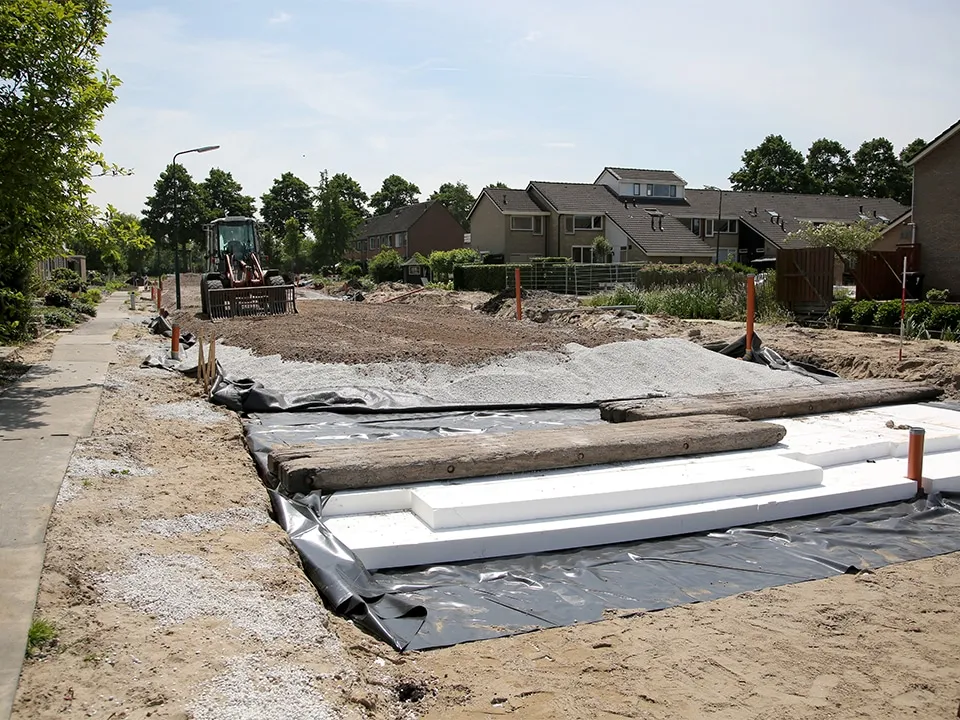
To prepare areas with soft, low-bearing-capacity ground for construction, the site must be raised. “Traditionally, sand is placed beneath the area to be paved (the infrastructure), but this causes settlement problems during construction and for many years after completion,” says Kwast. “Lightweight fill materials are increasingly being used to build infrastructure with low settlement, including Bims, Argex, EPS and foamed concrete. Each type has specific characteristics that affect its suitability for different locations and projects. Based on a study of alternatives and the relevant constraints, such as cost, groundwater level and settlement requirements, we provide the right advice and, if required, supervise the installation of lightweight fill materials on projects. The benefits of using lightweight fill materials include fast construction, low settlement and minimal impact on the surrounding area. We are involved, for example, in the reconstruction of several neighbourhoods in the municipality of Woerden, the major redevelopment of Groningen’s southern ring road (Aanpak Ring Zuid) and De Groene Boog A16 in Rotterdam. The latter two projects are being delivered through Joosten Concepts, a partnership between Joosten Kunststoffen and various manufacturers, engineers and contractors. The partnership’s key strength is OLA: Design, Supply and Installation.”
Geosynthetics in infrastructure
Geosynthetics offer many potential applications that are not widely known. “In many cases, geosynthetics make it possible to design and build better, differently, more efficiently, more sustainably, in a more environmentally friendly way or at lower cost,” Kwast continues. “We have extensive experience designing membrane structures for tunnel approaches, for example, and foundation and stability reinforcement for roads and railways. Using geosynthetics generally delivers the necessary optimisations. It can also reduce the footprint by allowing steeper slopes. Designing with geosynthetics is specialist work. Even so, their use is set to grow,” Kwast expects. “The materials are becoming better known, and building using traditional methods is increasingly difficult in confined spaces. Geosynthetics are also highly attractive in terms of cost.”
Kwast Consult draws on many years of geotechnical expertise and experience from dozens of completed projects to develop cost-effective designs.
Question about this story? Ask your question
Companies in this story
Keep following this
Get an email when a new story is published. No account needed.
- ThemeMaterials and techniques for infrastructure
- SubjectBouwMat
- CompanyJoosten Groep







