









Ecological supervision at Bossche Broek
Project
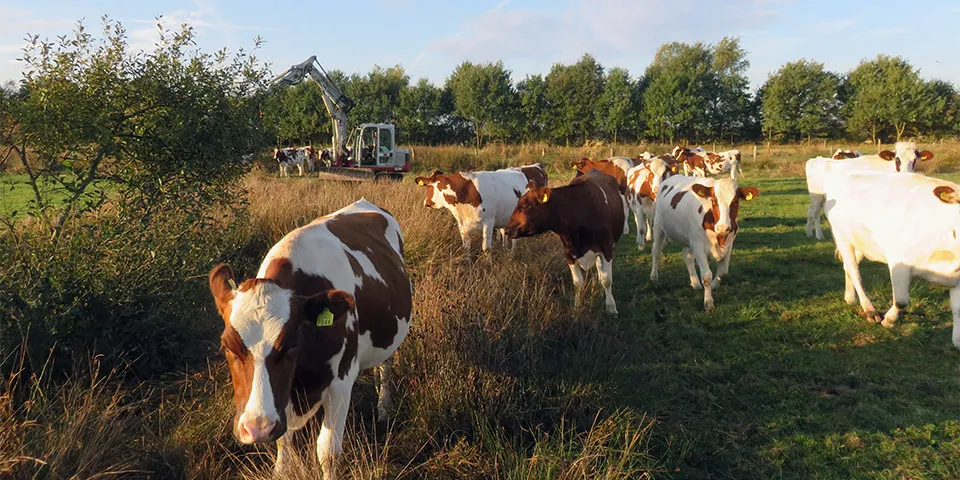
South of ’s-Hertogenbosch lies Bossche Broek, an open, wet nature reserve managed by Staatsbosbeheer. It is part of the Vlijmens Ven, Moerputten and Bossche Broek Natura 2000 site. This natural environment is suffering from nitrogen deposition. Under the Habitats Directive, the province of North Brabant is responsible for ensuring the conservation of these habitats. This is being addressed through the Integrated Approach to Nitrogen programme (PAS), which includes restoration measures aimed at developing new nature areas and conserving existing ones.
At Bossche Broek, so-called PAS measures were carried out in late 2018, including mowing, removing scrub, and dredging or reprofiling watercourses. Culverts were also installed and weirs built. Staatsbosbeheer hopes this will help retain groundwater seepage and drain acidic rainwater more quickly. At the request of contractor Van Beers Hoogeloon, Staro Natuur en Buitengebied drew up an ecological working protocol and provided ecological supervision of the works.
Approach
Staro drew up an ecological working protocol for the implementation of the PAS measures. For each measure, requirements were set out to:
- Prevent adverse effects on protected species that may be present, including fish, birds, small mustelids, badgers, amphibians, bats and plants
- Prevent the spread of (invasive) non-native species
- Limit pressure on the soil
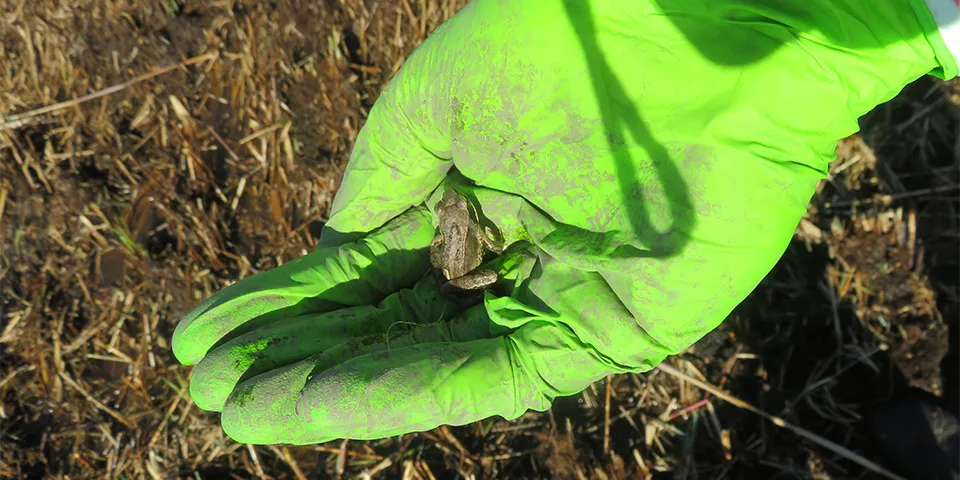
Before work began, Staro briefed staff on the relevant points in the ecological working protocol at a toolbox talk. Areas with high ecological value were also marked for protection, and the ecologist supervised the works. This was done in consultation with the contractor and the site supervisor from Staatsbosbeheer.
Results
Ultimately, adverse effects on protected species were prevented and the spread of invasive non-native species was halted. Badger and fox setts were marked, and areas with floating pennywort, an invasive non-native species, were fenced off. The ditches were cleared under ecological supervision by Staro. Among other measures, European weatherfish and crucian carp were caught and released elsewhere. The ditches were only partially mown, to retain suitable habitat for protected species and prevent pike from accessing the ditches. Areas with water soldier were left untouched.
Question about this story? Ask your question
Keep following this
Get an email when a new story is published. No account needed.
- SubjectBouwMat







