









Coronavirus testing in wastewater expanded
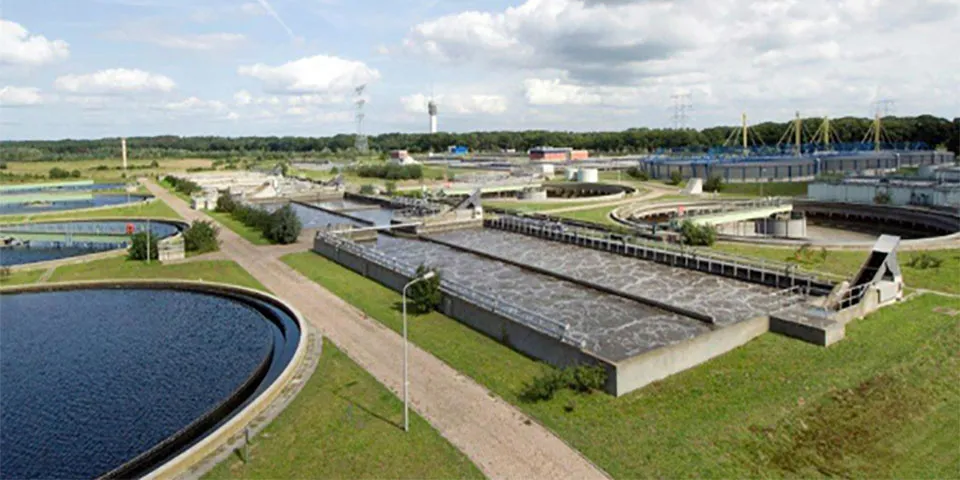
Water authorities and the RIVM are testing wastewater for traces of the coronavirus. Wastewater from everyone…
Water authorities and the RIVM are now testing wastewater for traces of the coronavirus throughout the Netherlands. This means wastewater from all 17 million-plus people in the country is being tested. The data are published on the Dutch government’s updated Coronavirus Dashboard and are refreshed weekly.
Wastewater testing has expanded significantly in a short time. The number of sampling sites rose from 29 in April to 80 in August. Now, almost all 318 wastewater treatment plants in the Netherlands are sampled weekly. Water authorities collect the wastewater samples and make them available to the RIVM, which analyses the samples and interprets the data.
Big Brown Data
Sander Mager, board member of the Association of Regional Water Authorities: “The water authorities are doing all they can to help make this ‘Big Brown Data’ accessible. We are happy to contribute to the major societal challenge of combating the coronavirus. Wastewater measurements can provide early warning of clusters of infection and trends in specific regions. People who are infected shed virus particles before they develop symptoms. This is valuable data that gives us an early indication compared with data such as test results and hospital admissions.”
Virus particles
Researchers test wastewater collected over a 24-hour period. They do not measure infectious virus, but the virus’s genetic material, known as RNA, which determines the virus’s characteristics. The test results show how many virus particles are present in the wastewater. The virus cannot be detected in the faeces of everyone with COVID-19, and some people have more virus particles in their faeces than others.
Differences by region and over time
The concentration of human wastewater can vary by region and over time, as can the number of virus particles per millilitre. This is because wastewater entering treatment plants does not come solely from households. It is often mixed with industrial wastewater and water that has entered the sewer from elsewhere, such as groundwater or surface water. Rainwater is also a major cause of dilution of domestic wastewater. Work is under way to develop a method for making these differences clear, so that measurements from different regions can be interpreted more accurately.
Question about this story? Ask your question
Keep following this
Get an email when a new story is published. No account needed.
- SubjectBouwMat







