









Assessing and analysing risks in civil engineering
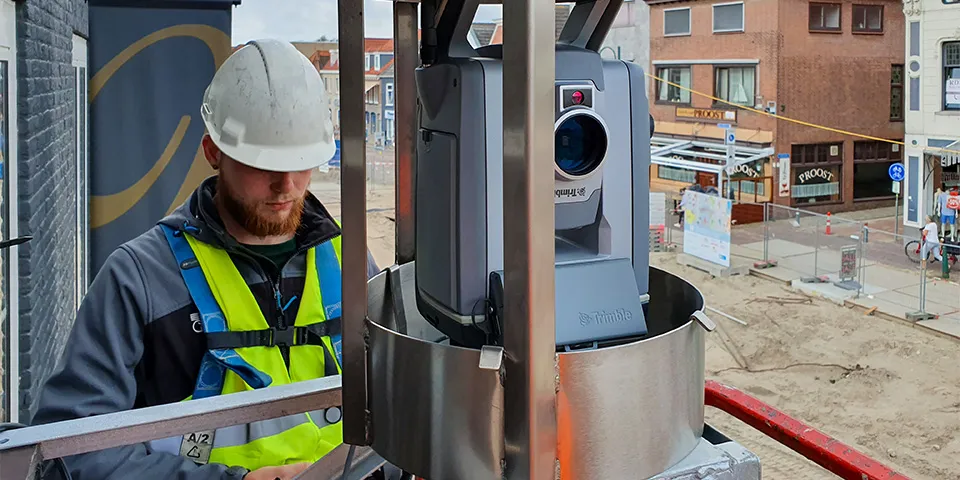
Infrastructure works can affect buildings in the surrounding area. By assessing potential risks during the preparatory phase, drawing up mitigation measures and monitoring the impact on the surrounding area during construction, a great deal of harm can be prevented. “Zero damage, including consequential damage, should be the guiding principle for all infrastructure works,” says Fred Pannekoek of Fides Expertise, rightly.
Assessing risks
Fides Expertise specialises in assessing and analysing risks in the infrastructure sector, both on behalf of clients and insurers (before a project goes to market), as well as for contractors. “We assess the risks of impacts on the surrounding area and look at the best way to monitor them during construction,” Pannekoek explains. “This can range from monitoring whether a predicted drop in the water level matches the actual drop, to monitoring the deflection of a sheet pile wall in a large construction pit, or the impact of infrastructure works on sensitive buildings or underground cables and pipelines.”
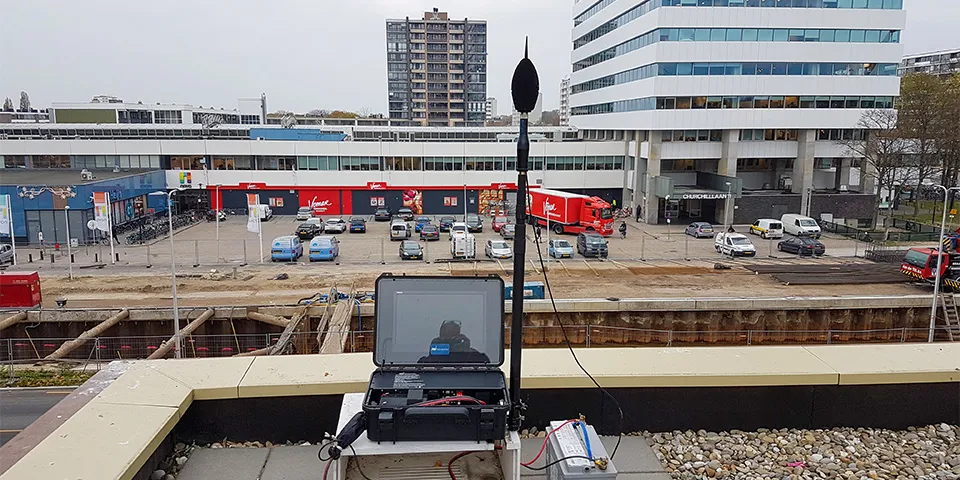
Fides Expertise’s equipment for measuring vibration, noise, groundwater levels and deformation is fitted with automatic alerts that are triggered when thresholds are exceeded.
A pragmatic approach
In all cases, it is important to schedule enough measurements during the works so that timely intervention is possible in the event of settlement or excessive vibration. “Every project is unique. We assess the risks based on the planned works. Although specifications are often available, the work methods are frequently not described. We consider the potential risks in each situation, prescribe mitigation measures and select the right monitoring method. It is important to take a pragmatic approach to the latter, and this is still an area where the industry sometimes falls short. It always comes down to balancing the potential risks, suitable monitoring equipment and the associated costs. Taking a measurement every half hour simply makes no sense in some cases,” Pannekoek stresses.
Anticipating issues in good time
Fides Expertise’s equipment for measuring vibration, noise, groundwater levels and deformation is fitted with automatic alerts that are triggered when thresholds are exceeded. “Our robotic total stations for monitoring deformation can even be set to multiple alarm levels, allowing action to be taken in good time after an initial warning. Threshold values are set out in the monitoring plan that we draw up together with the client. It also describes the steps to be taken if a threshold is reached. On large, complex projects, monitoring meetings are even held every two weeks to discuss the measurement results and define further actions. All of this is aimed at preserving the structural safety and appearance of buildings in the surrounding area.”
Question about this story? Ask your question
Keep following this
Get an email when a new story is published. No account needed.
- SubjectBouwMat







