Working with timber the right way
A testing institute, a centre of expertise and an advisory partner: SHR is all three. In this way, SHR drives innovation and co-creates sustainable solutions. René Klaassen is a timber researcher at SHR and tells us more about the latest developments in the timber industry, timber courses and SHR’s testing work.
Sustainability is an important issue throughout the civil engineering sector. Building with bio-based materials is therefore important for the environment. “That is why we are seeing more and more companies build with timber,” explains Klaassen. “Timber is a renewable, pure material that produces no waste. What is more, forests around the world yield enough timber. Supply and demand are in balance: there is enough timber to meet the construction sector’s needs.”
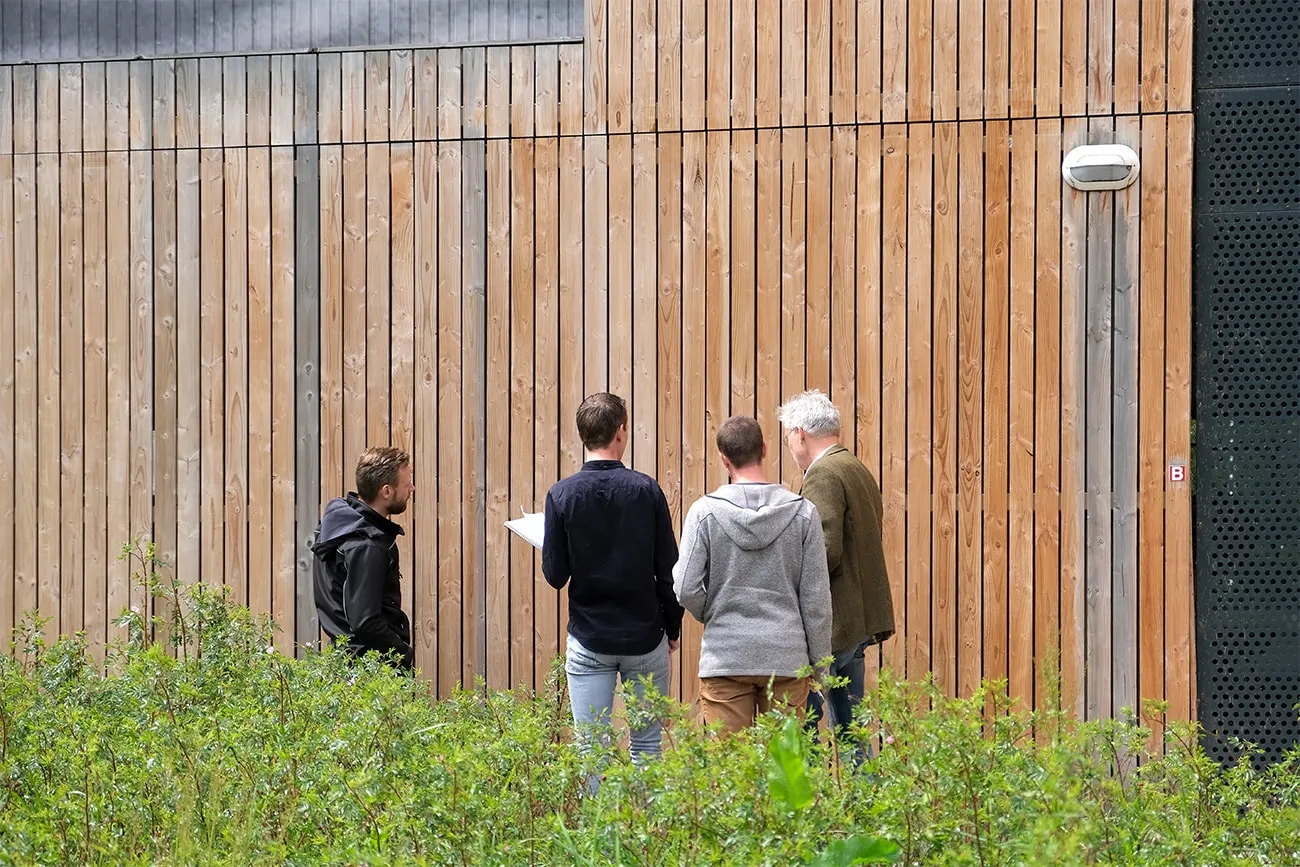
Sharing knowledge
“Fortunately, more and more buildings are already being built with timber. But building with timber the right way requires knowledge.” That is why SHR has developed four new courses for the 2022-2023 season. The two courses offered last year are also available again.
Klaassen explains: “The first of these six courses covers the principles of sustainable façade cladding. It helps participants recognise risks and prevent damage. It is important to distinguish between different types of timber and treatments. Their specific properties determine whether they will be used successfully. Recognising timber species is also important, and participants learn how to do this in our second course: ‘Recognising timber species: 50 common species’.”
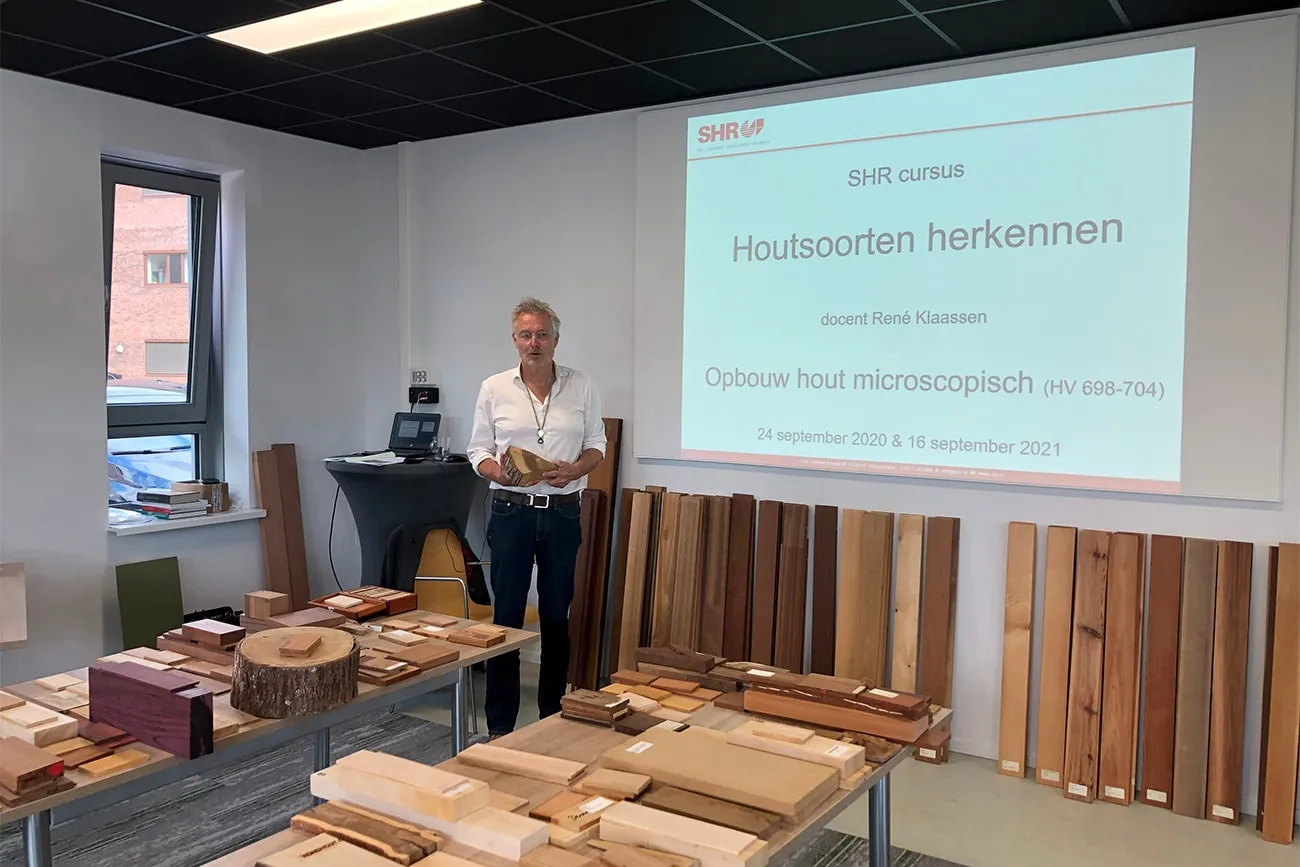
SHR also runs courses on the requirements for sustainable timber construction. “We cover different timber construction methods and run a course on timber design calculations. One example is cross-laminated timber (CLT), an emerging engineered and sustainable timber building panel. How do you design sustainable structures, and what standards apply? Those are the kinds of things our participants learn.”
“Our fifth course centres on one question: ‘Why is timber the most environmentally friendly material?’ Our sixth and final course focuses on the requirements for using timber in ground and water engineering. It is a comprehensive programme in which we share a great deal of our knowledge,” says Klaassen.
Testing and inspection
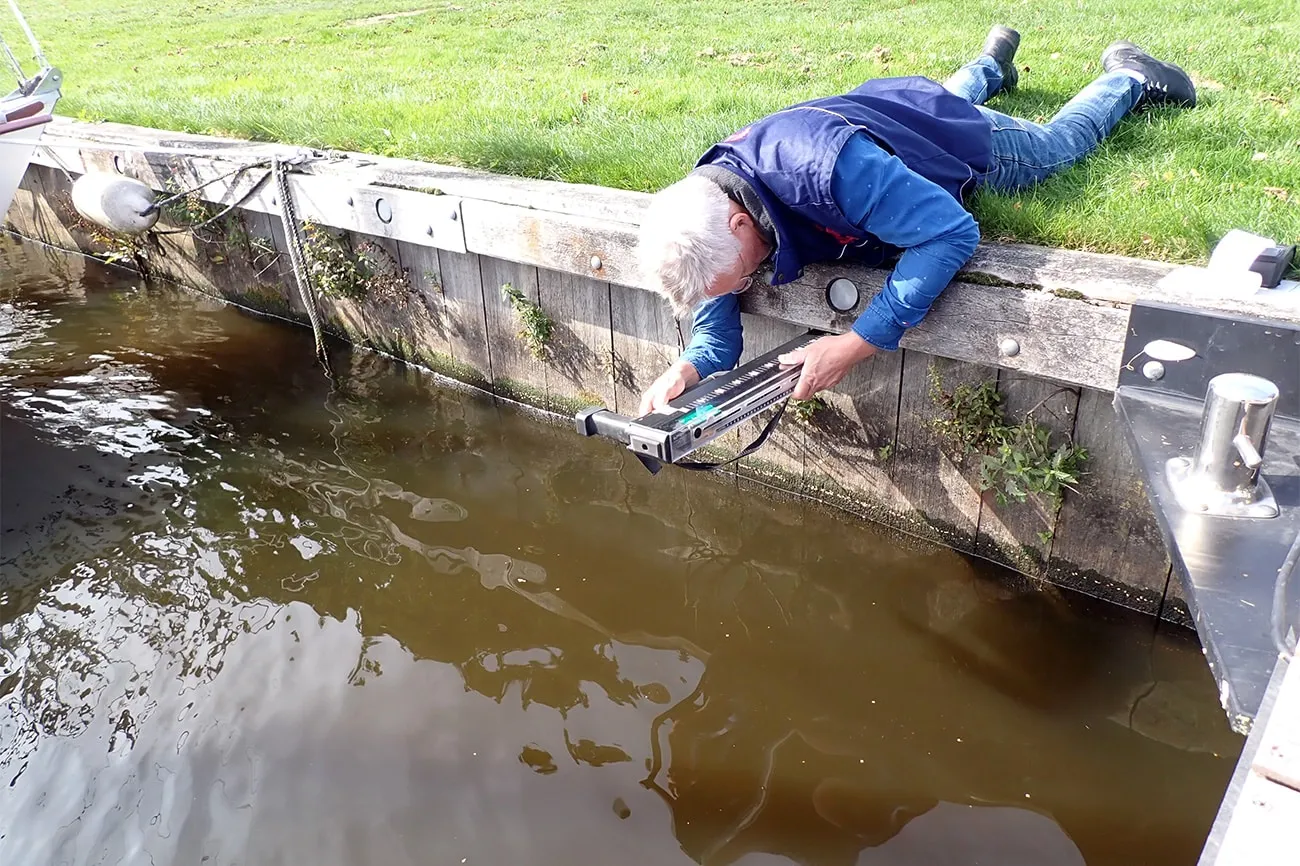
In addition to research and courses, SHR also carries out a great deal of testing in civil engineering. “For example, we test finger-jointed timber. These elements are made up of two pieces of timber, joined by a glued finger joint to create a strong connection. In sheet-pile walls, for instance, the upper section may be made of tropical hardwood and the lower section of softwood. We test these joints to make sure they remain sound and the structures stay stable.”
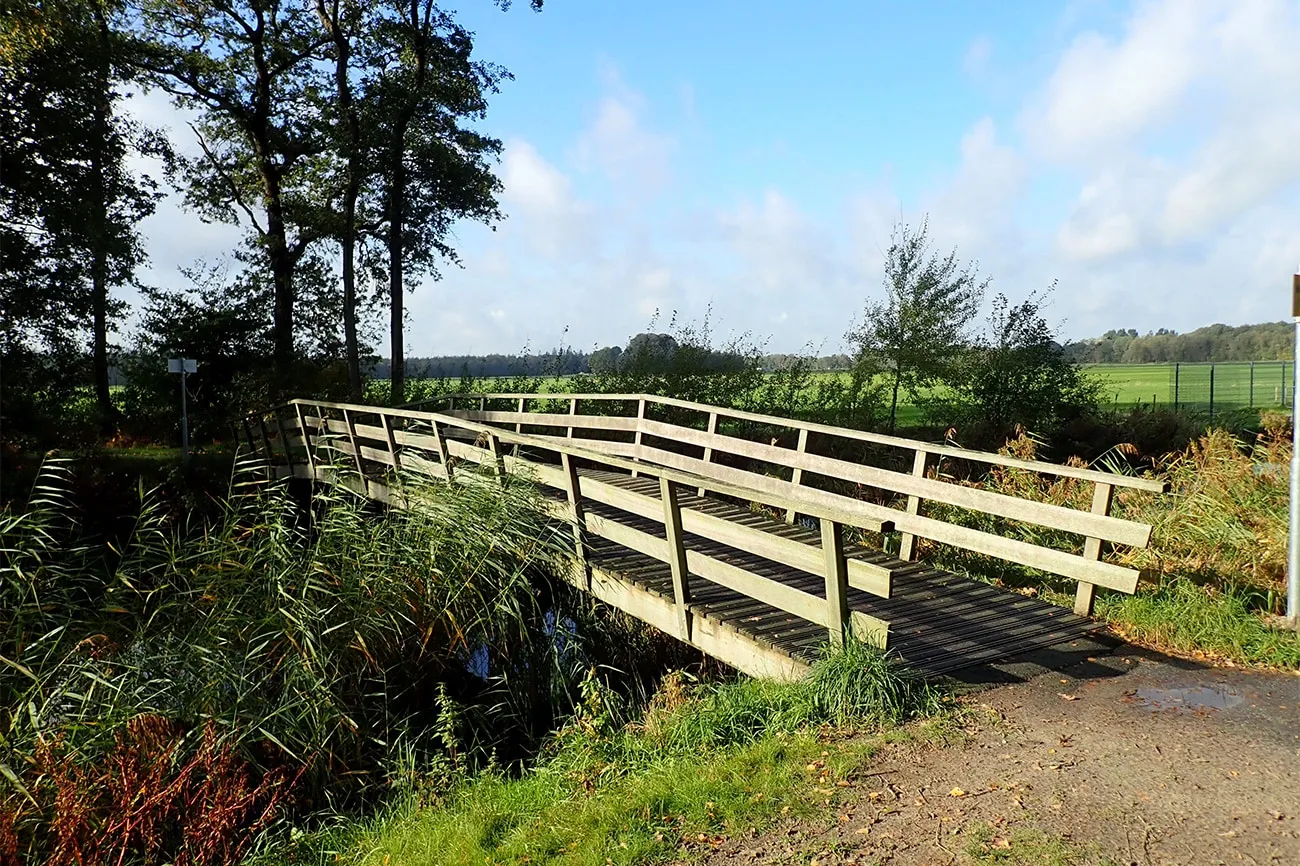
“A good example of an inspection is the harbour at Akkrum in Friesland. 15 years ago, various tropical timber species and reclaimed timber were used in sheet-pile walls there. Because the walls are made up of so many different timber species, we have learnt a great deal about how timber behaves over time. It is fascinating to see!”
“We also generate knowledge from the many inspections we carry out. If we identify recurring problems during inspections, we publicise them and look for solutions. All this knowledge has taught us that innovative timber applications need to be monitored carefully. That is why we advise structural engineers to include monitoring in their plans. This means structures can be adjusted in good time, helping timber structures last for many years and ensuring you can enjoy them for years to come!”
Question about this story? Ask your question
Keep following this
Get an email when a new story is published. No account needed.
- SubjectYearbook