We make our living environment a little safer every day
Text Marion van Sermondt Image ECG
Mapping unexploded ordnance from the Second World War
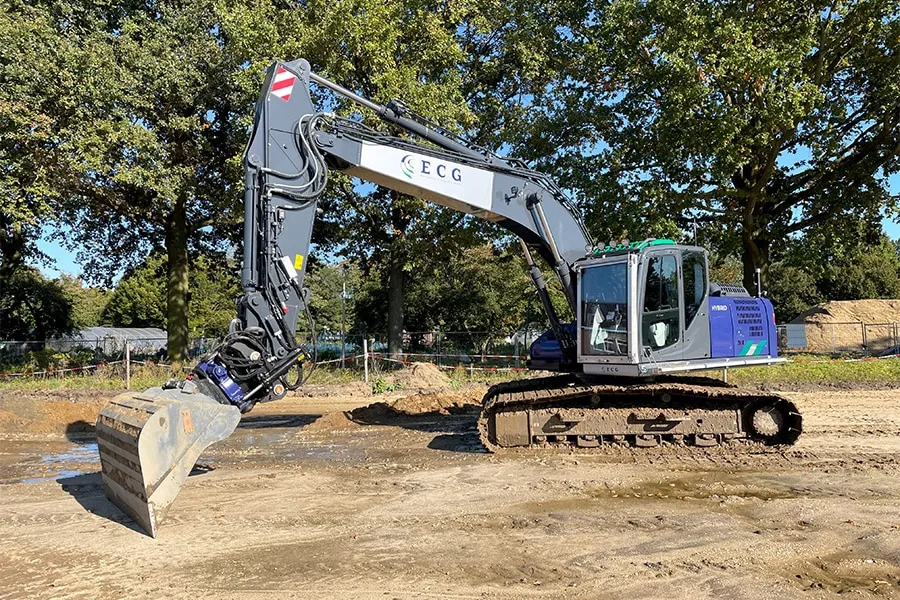
ECG, Explosive Clearance Group BV, makes the Netherlands a little safer every day. Through research, consultancy and explosives detection, it works with other specialists to locate and secure explosive remnants of war. Frank Lefering is ECG’s operations director and speaks passionately about this specialist field.
ECG operates across a wide area, including airfields and former military sites, as well as areas around rivers, dykes and new-build projects. Well-known clients include Dijkalliantie Nederbetuwe and Dijkzone Alliantie Arcen in various regions, construction companies Dura Vermeer and Ploegam, and Ruimte voor de Rivier.
“As we all know, the Netherlands was bombed extensively during the Second World War. We still come across remnants of this almost every day. We call them OO, explosive remnants of war,” Frank explains. “For example, there are still parts of airfields that have not been fully investigated. We are also regularly called in before construction work to investigate the site, so that the construction company can safely carry out the earthworks.”
A broad market
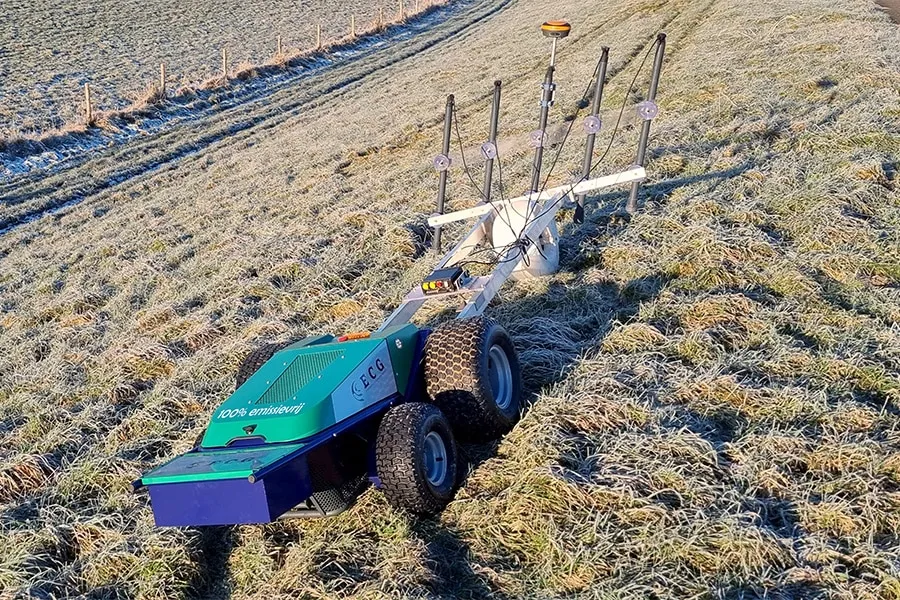
The company offers six services: consultancy, preliminary investigation, risk analysis, detection, locating and securing, and aircraft recovery. “Our strength lies first and foremost in our people. We have an exceptionally close-knit team, and above all, one with great expertise, which we bring to every project. For example, three members of the management team come from the civil engineering sector, so they can take a more focused look at projects,” Frank points out. “We also always carry out extensive historical research, drawing on a range of Dutch and international sources. We have a team of seven people who focus solely on historical research and risk analysis. This helps us avoid unnecessary fieldwork and, in turn, unnecessary costs for clients.”
Detection and advice
Alongside thorough preliminary research, ECG focuses mainly on detection, locating and securing. “Once all suspect objects have been located and secured, they are handed over to the EOD. The EOD, the Ministry of Defence’s Explosive Ordnance Disposal Service, is always responsible for clearance and disposal. ECG does assist the EOD with clearance and disposal.” Following handover, a comprehensive handover report (PVvO) is drawn up. A PVvO states that the risks posed by OO in the surveyed area have been minimised at the time of handover, and that ground-disturbing work can be carried out safely.
Expansion
ECG recently acquired another explosives detection company, Armaex BV. “This collaboration allows us to deploy a wider range of expertise and equipment, and to expand our market reach. We had been working together for some time, so this was a logical step,” says Frank. “We complement each other well. They work with deep-detection equipment, while we use vessels. Together, we work in the Netherlands, Belgium, Germany and England, among other countries. And we make our living environment a little safer every day.”
Question about this story? Ask your question
Keep following this
Get an email when a new story is published. No account needed.
- SubjectYearbook