









Timber is not just timber
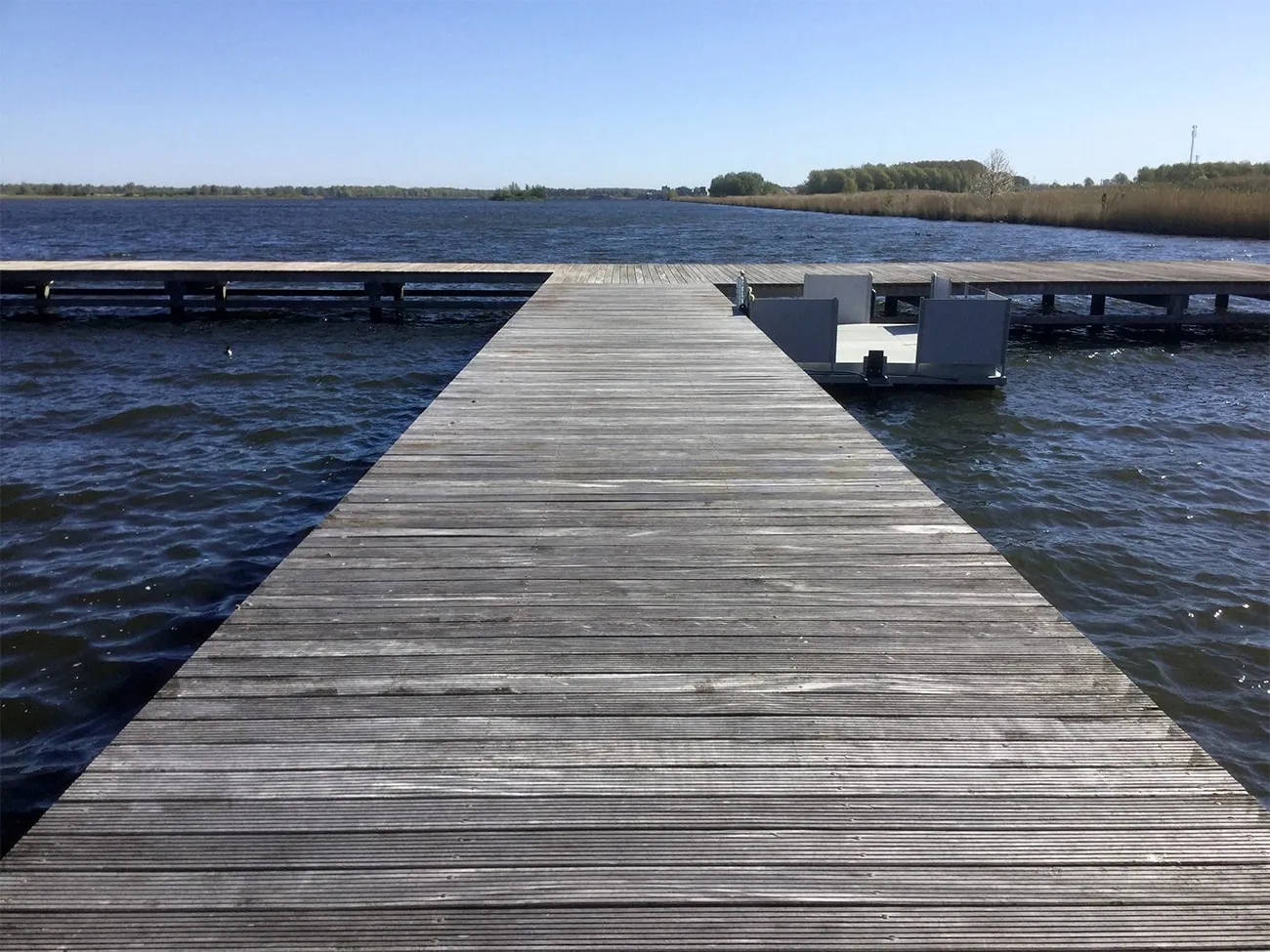
As a certification body, SKH has been involved for more than 60 years in certifying products and processes involving timber, in accordance with KOMO and its own guidelines. SKH director Oscar van Doorn: “We are also, of course, active in FSC, PEFC and STIP certification.”
“With the growing use of natural materials, we are seeing an increasingly broad customer base for timber products. Timber from sustainably managed forests is inherently cyclical, because trees grow back. Other materials, by contrast, often have to focus on reuse and recycling to earn the same positive regard as timber.”
High-quality timber construction
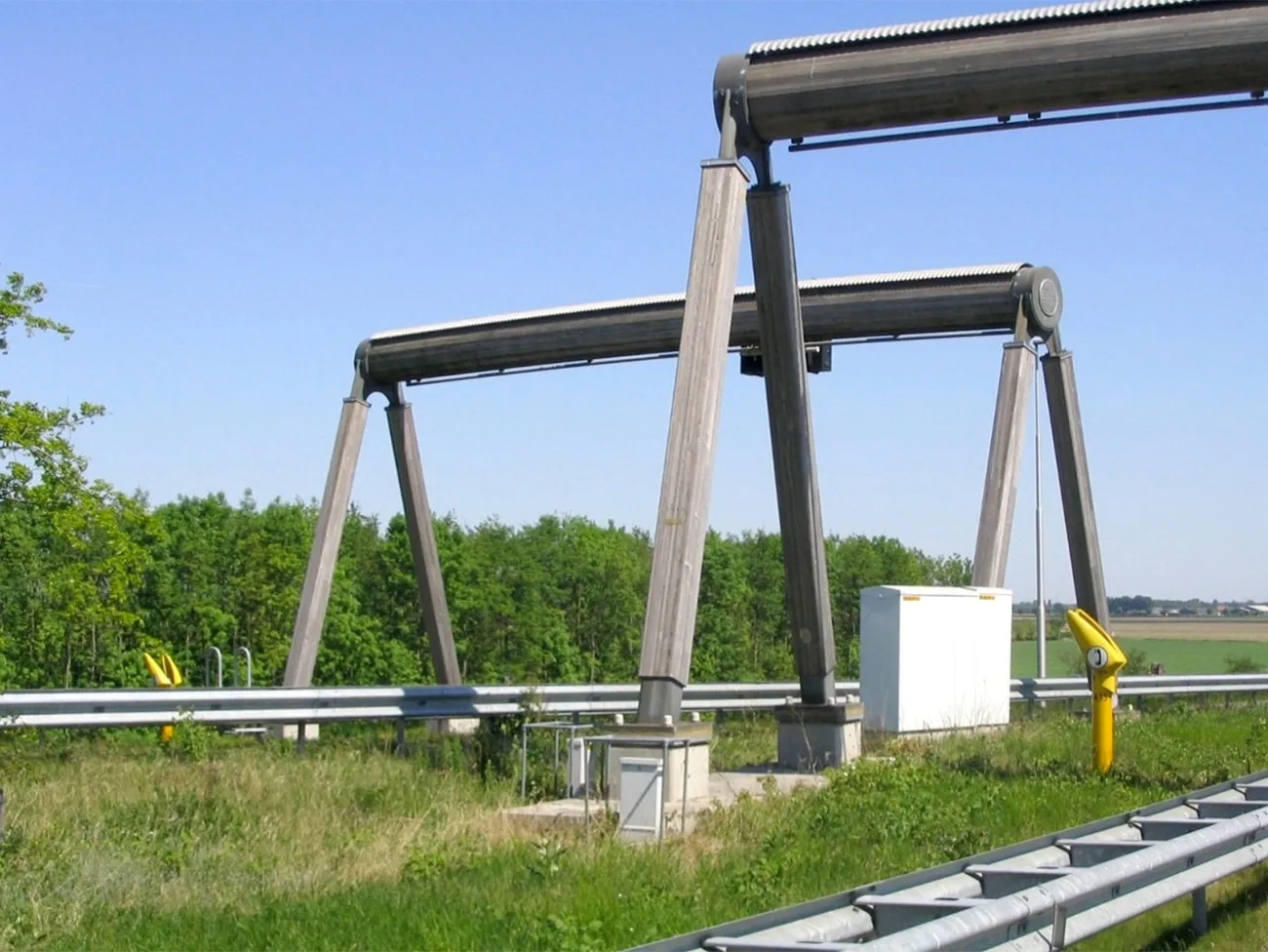
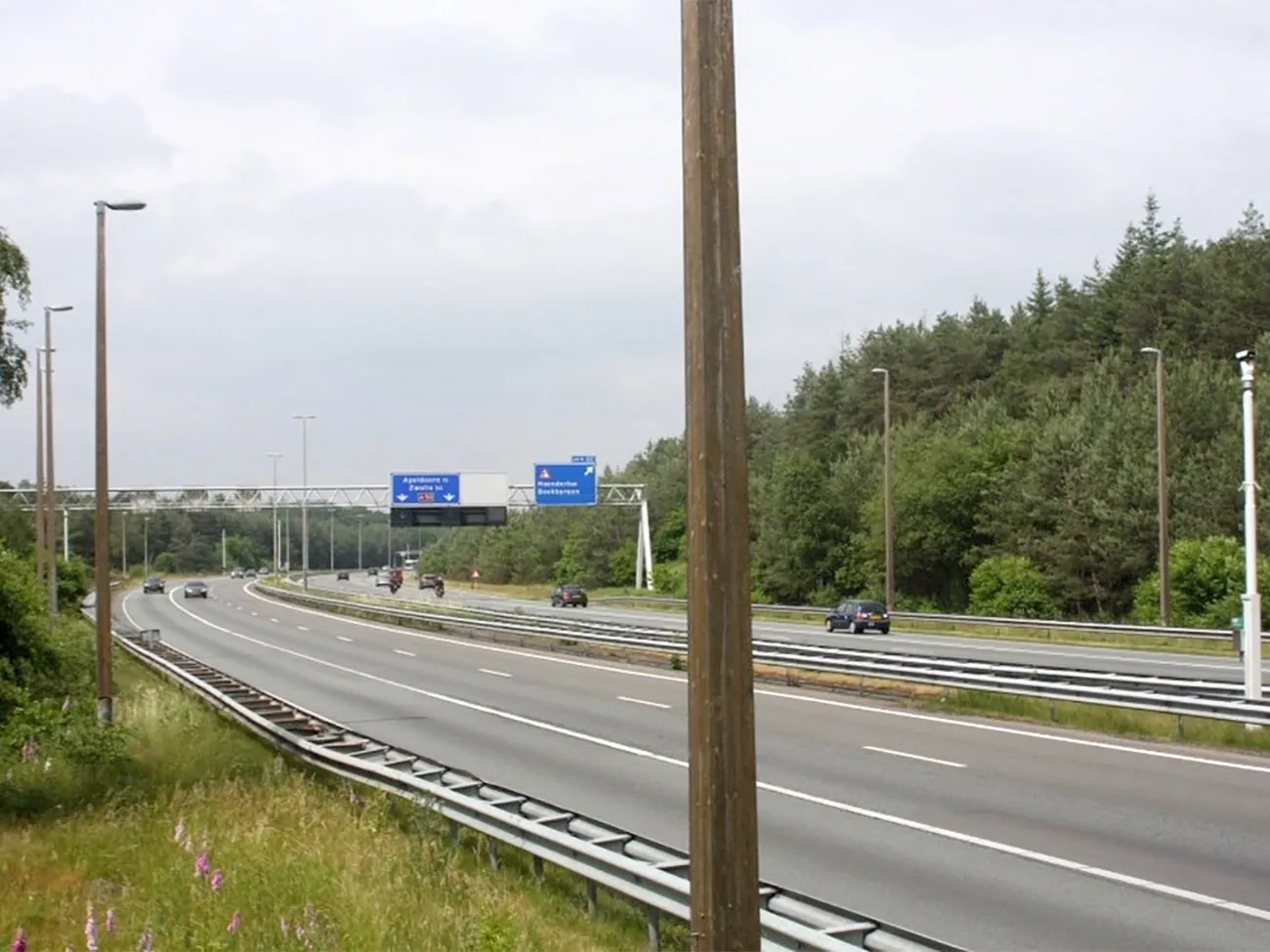
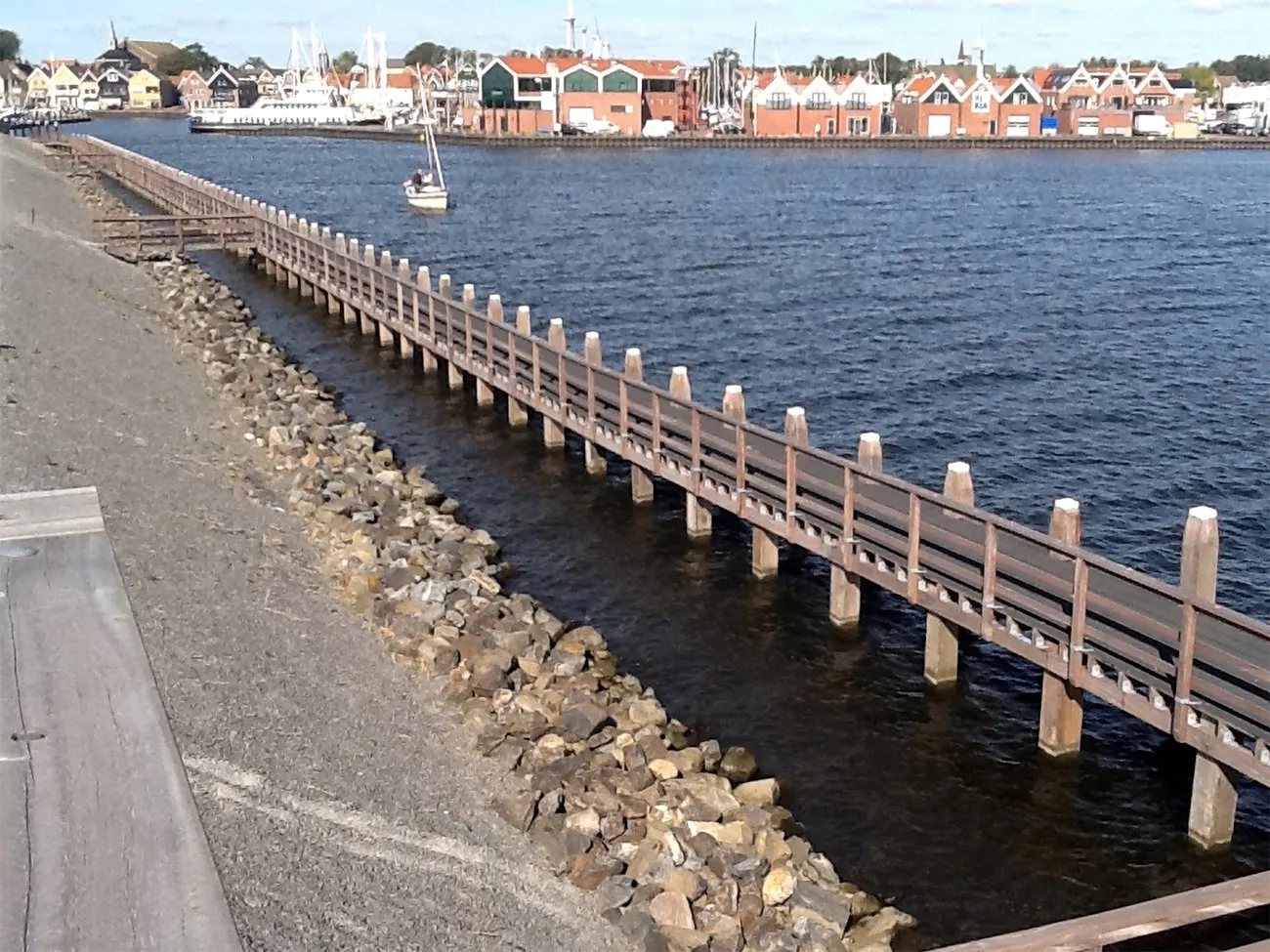
SKH provides product and process certification for everything from revetments and quay walls in water engineering to fully timber-framed homes. Van Doorn: “We are increasingly being called on to carry out batch inspections for the applications mentioned above, and we are also involved in developments such as timber road gantries, lighting columns and crash barriers.” According to Van Doorn, timber is certainly not all the same. “There are so many different types of timber and adhesive, and structural connections are also important when working with timber. As well as certification schemes, SKH therefore provides many publications that can be downloaded free of charge, offering guidance on the correct use of timber. Our mission is to ensure that as much timber as possible is used in construction, and that it is processed to a high standard.”
Customers, and sometimes the contractors themselves (in the case of STIP certification), are increasingly choosing sustainably produced timber, for example with an FSC or PEFC label. This is bringing new timber species onto the market. “A sustainably managed forest is felled according to what is available under the management plan. This may include an unfamiliar timber species. Its durability, workability and finishing properties may not always be known. At the same time, there is pressure to use these species, since they are sustainably sourced. Naturally, an owner wants to use the timber in the highest-value application possible, with the associated high margins, but that is not always feasible.”
Approval through monitoring in practice
SKH is sometimes seen as a delaying or inhibiting factor in bringing new timber species to market quickly. Van Doorn explains that innovation always takes time. “We aim to provide certainty, and that means carrying out tests and research before we can approve or certify something.” If this is not possible, inspections during application are often agreed. “That means we can intervene in time if necessary, should things look like they might go wrong.” A successful example of this type of inspection cycle is the use of timber in road gantries. “In 1999, Rijkswaterstaat installed timber road gantries at Zonzeel. They were successfully monitored by SHR for 18 years, and this approach is now being followed elsewhere. Thanks to a product proven to be of high quality and a market that is ready for timber-based biobased products, several suppliers are now active. We are pleased to help make high-quality innovation possible in this way.”
Question about this story? Ask your question
Keep following this
Get an email when a new story is published. No account needed.
- SubjectYearbook







