Testing in advance prevents rejection later
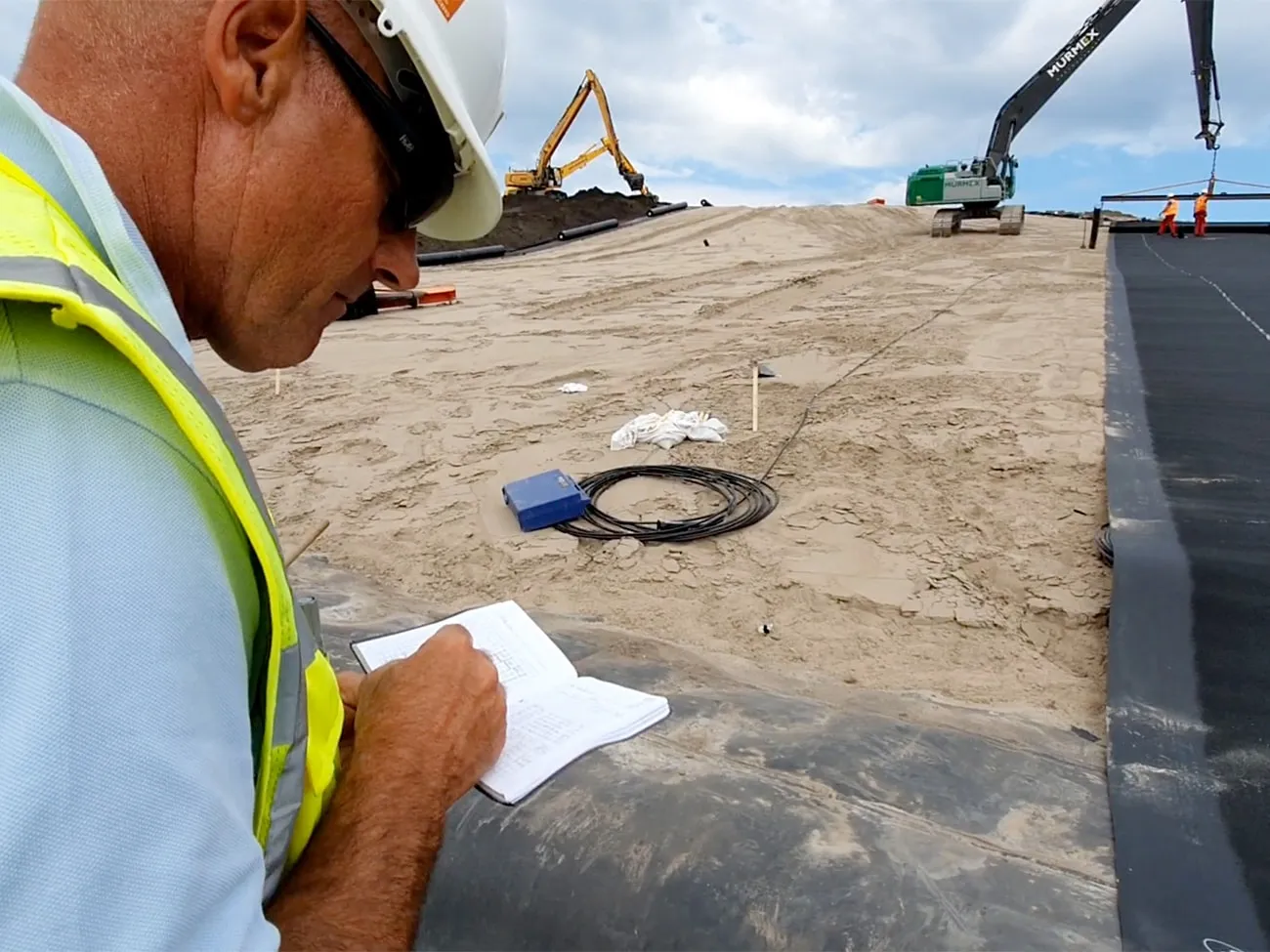
Enviro Quality Control BV carries out inspections during the installation of plastic geomembranes used to seal landfill sites, IBC works and residual waste storage facilities. “We are an impartial and independent inspection body (type A) and, since 2005, the first in the Netherlands to have been accredited under number I188 to the inspection standard NEN-EN-ISO/IEC 17020 by the Dutch Accreditation Council”, says managing director and owner Andries Steerenberg, who also introduced the Geologger leak detection and location system to the Dutch market.
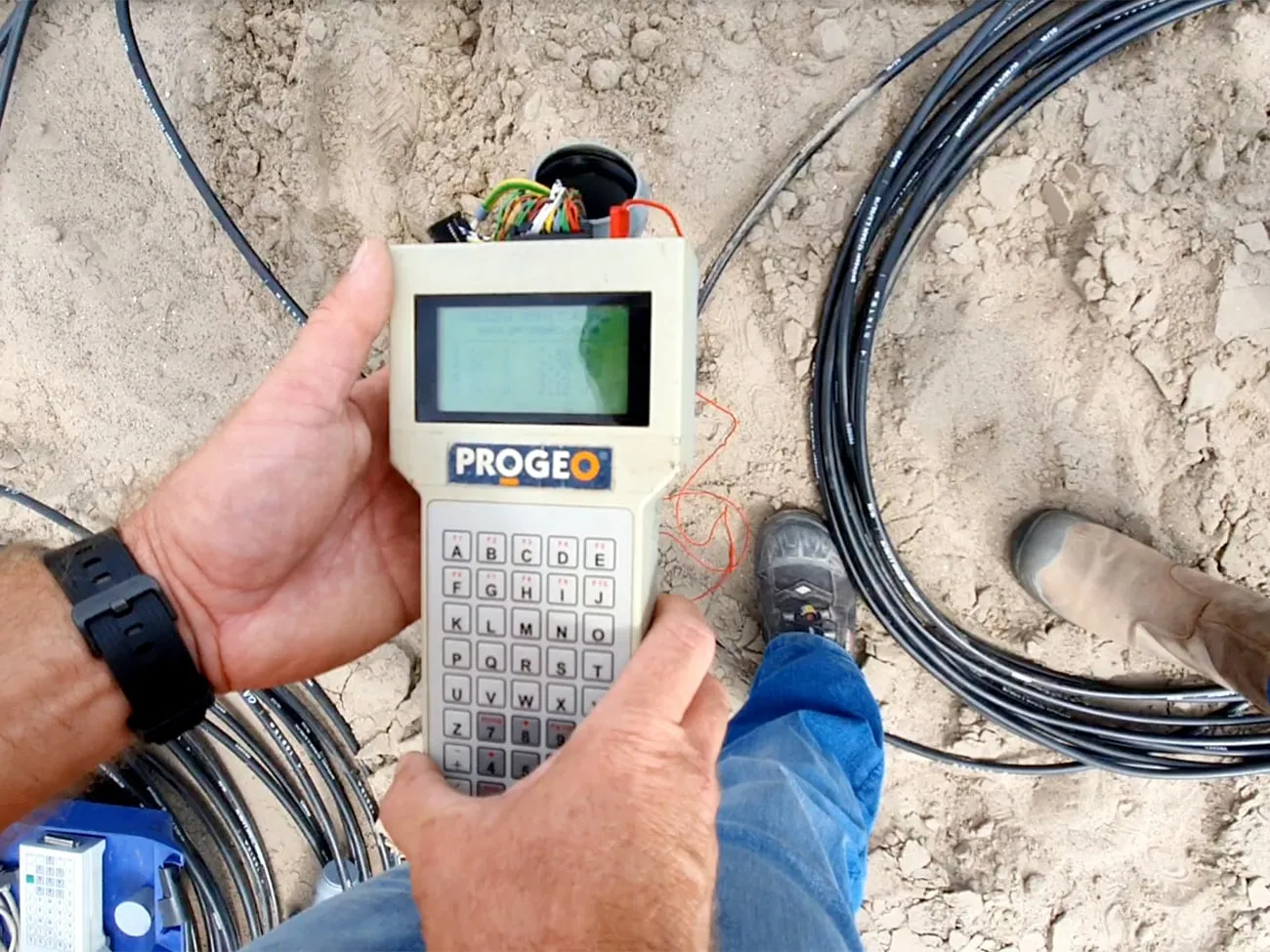
Testing on site in advance can prevent rejection later. “Among other things, we provide quality assurance and inspect bottom and top sealing systems at waste and residual waste storage facilities, and carry out inspections during the construction of works using an IBC building material in accordance with protocol AS 6901. We also carry out inspections during the operational phase of IBC works under protocol AS 6902”, Steerenberg explains. “We follow international standards and have ministerial approval to carry out inspections.”
Strict requirements
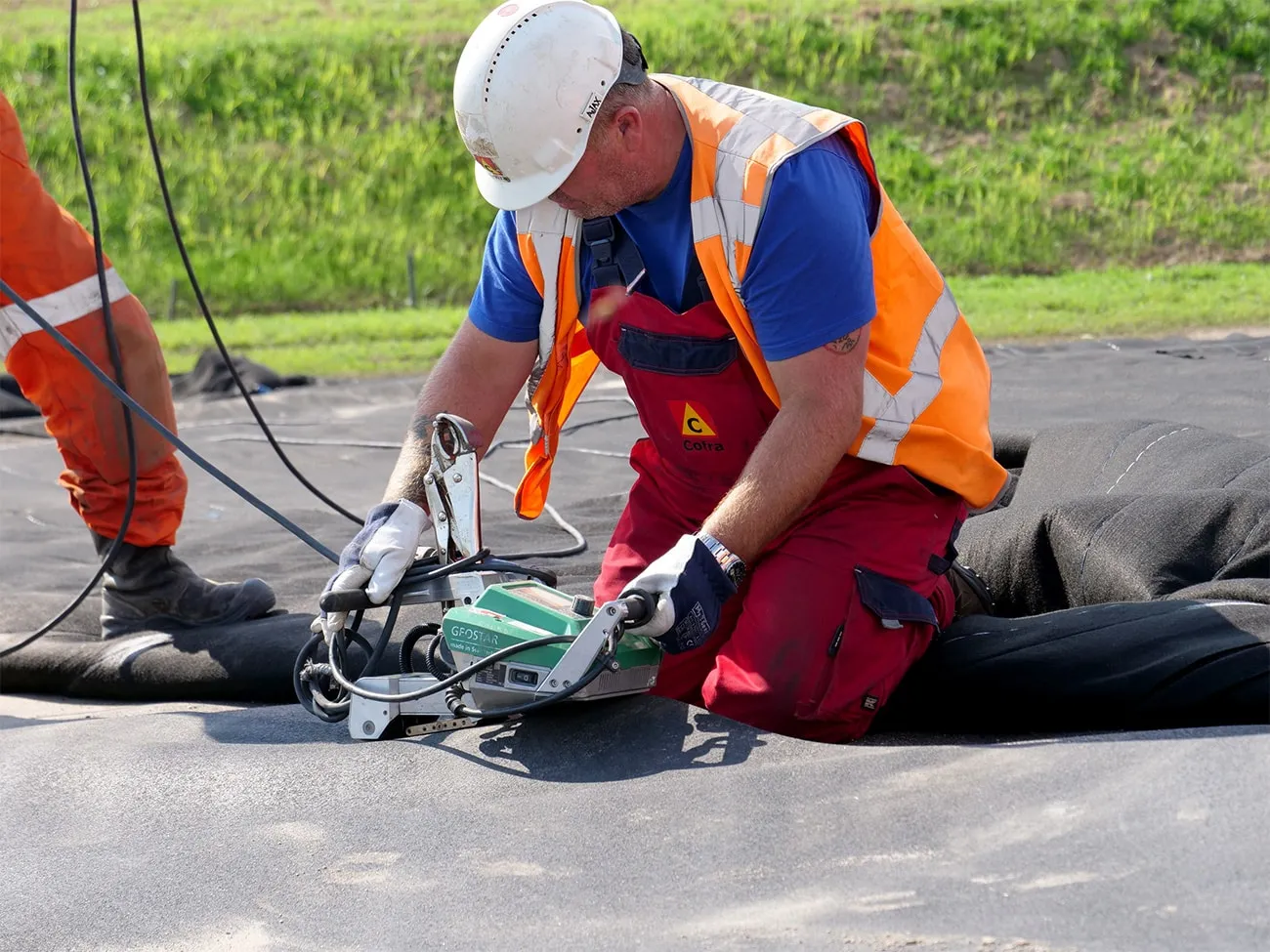
An inspection by Enviro is thorough and reliable. “Our internal quality procedure ensures the quality of our work. But perhaps the best guarantee of our quality is our attitude. Work must be done properly. ‘Burying it under a layer of sand’ is not how we deal with minor oversights”, Steerenberg says emphatically. Enviro uses only calibrated measuring equipment. “For example, when checking the quality of plastic welded joints, we also follow the German DVS guidelines, which set significantly stricter requirements for peel behaviour and weld strength than the Dutch protocols. A peel in the welded joint of 20% is not acceptable.”
Geologger
Enviro introduced to the Netherlands the option of incorporating an inspection tool during the installation of plastic geomembranes. Steerenberg says: “The Geologger leak detection and location system has since become one of our specialisms. Geologger can detect leaks in a membrane liner and even pinpoint their exact location, allowing repairs to be carried out immediately. With a standard composite liner, a leak is only discovered when water is found in the landfill body or contaminants are detected in groundwater nearby. It can take years to discover that there is a leak. And even then, its location is unknown, making repairs impossible. Geologger provides that certainty. It can prevent the need for preventive replacement of the top liner.”
RijnlandRoute
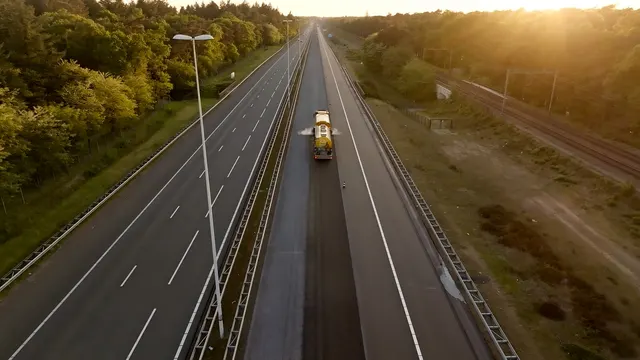
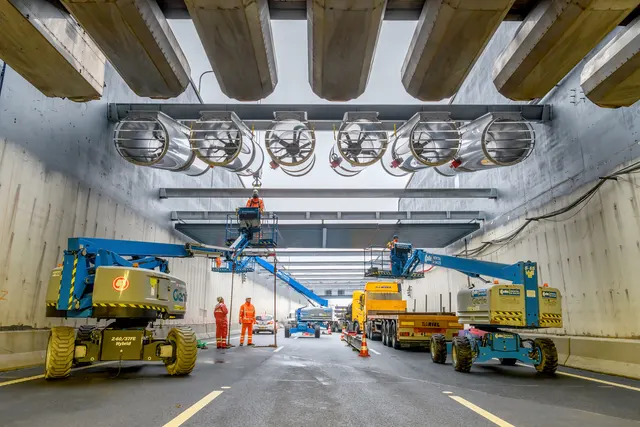
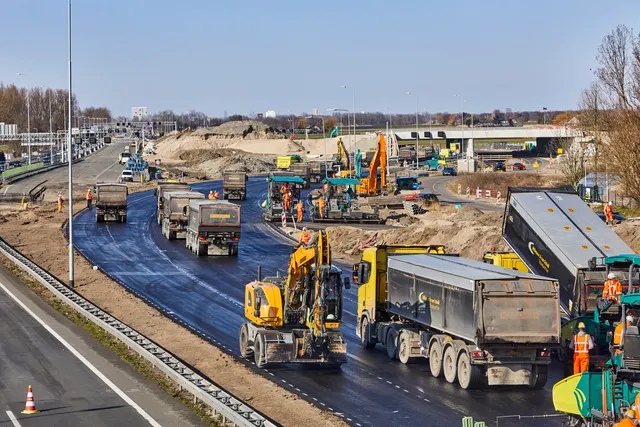
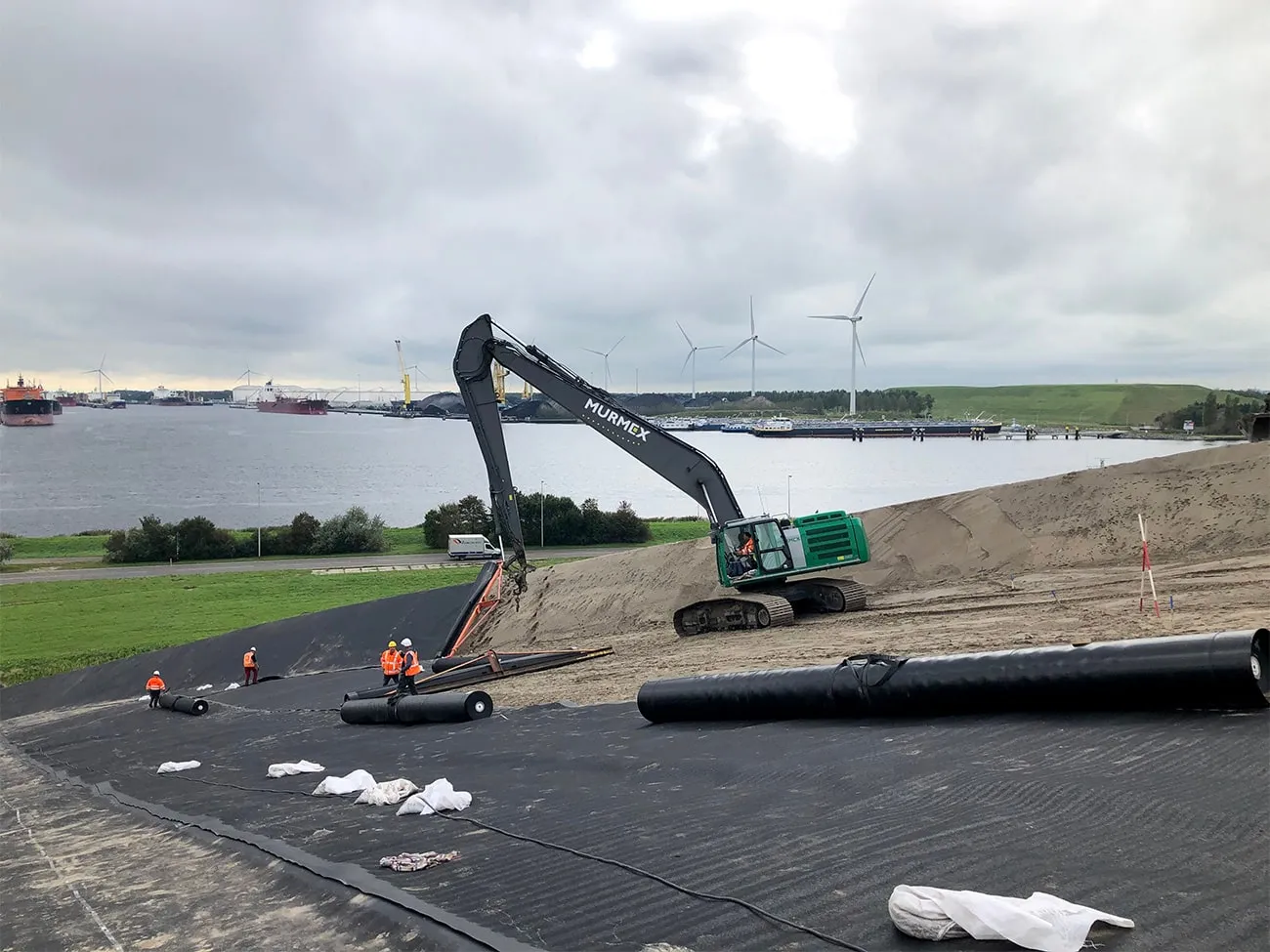
This new road link between Katwijk and the A44 near Leiden will be partly constructed below ground level. The project includes a 100,000 m2 membrane structure, which Enviro Quality Control BV is inspecting on behalf of Boskalis. The Geologger leak detection system will also be used here.
Question about this story? Ask your question
Keep following this
Get an email when a new story is published. No account needed.
- SubjectYearbook