Reliable drinking water, thanks to ductile iron pipes
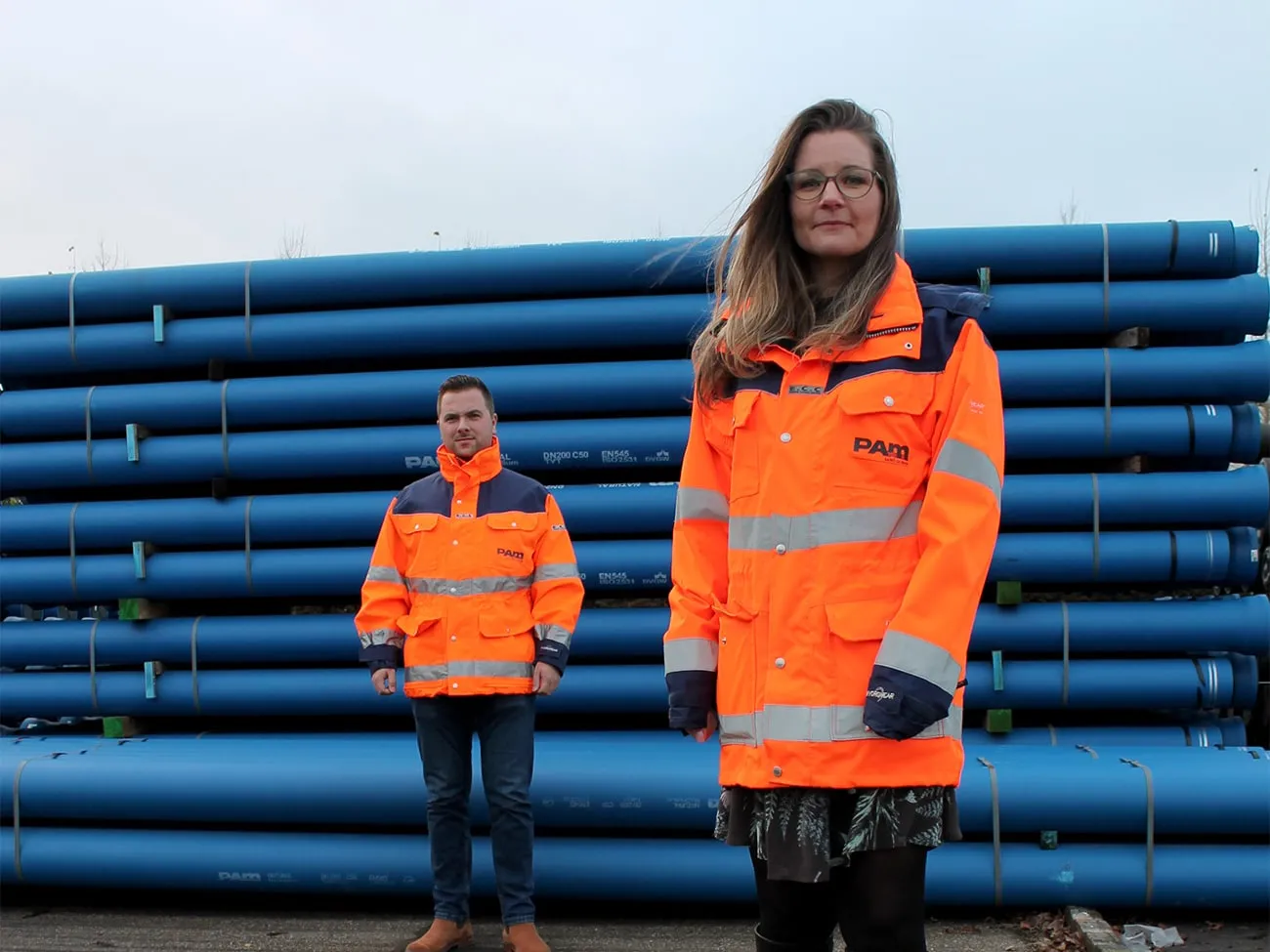
We take it for granted that drinking water comes out of the tap, but that is by no means a given. According to Esther Lindeman, managing director at Saint-Gobain PAM, a whole process lies behind it. “The pipe network must withstand all kinds of external loads. SG PAM pipes are therefore unaffected by everything that happens underground, from climate change to earthquakes.”
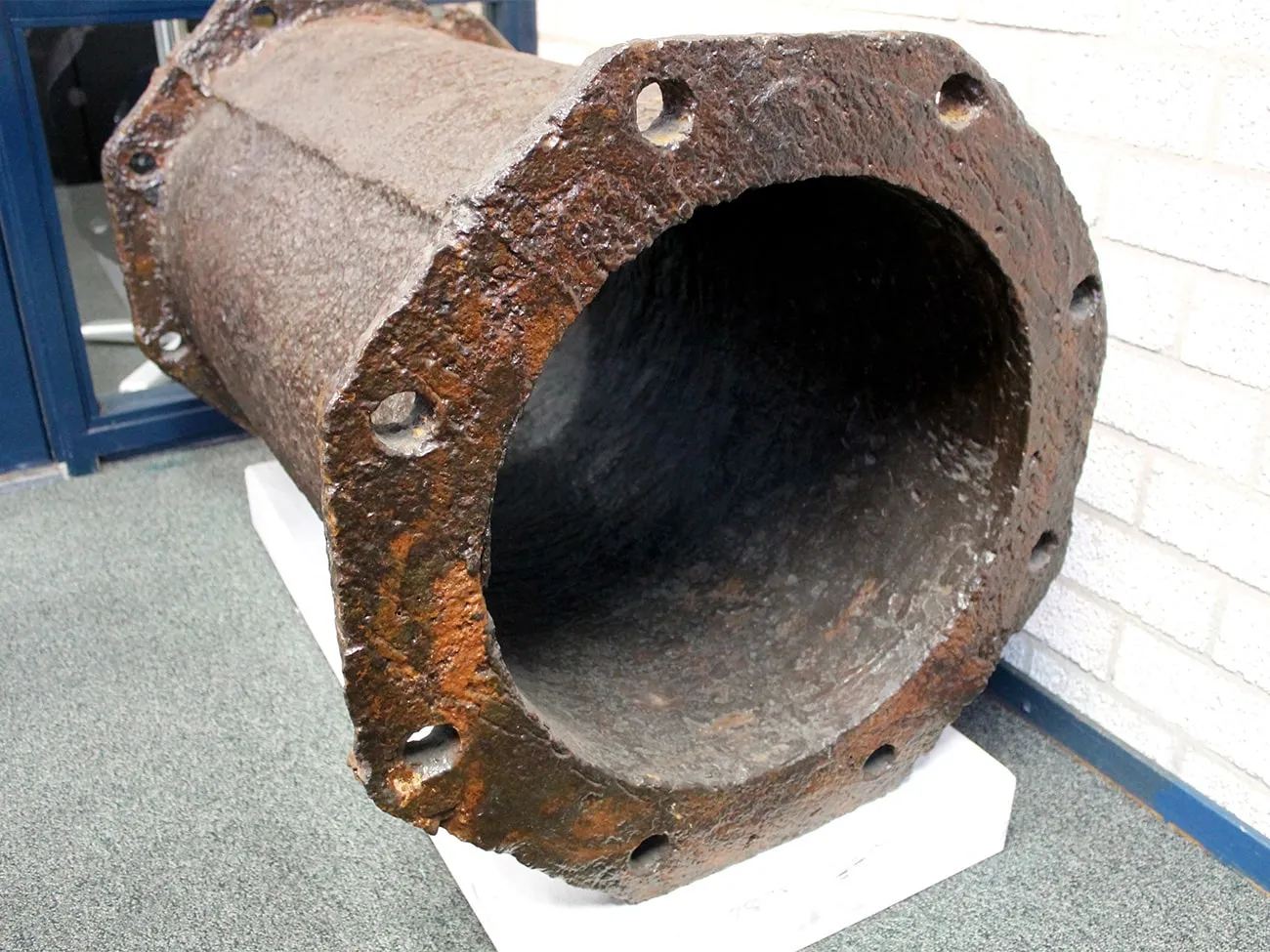
SG PAM makes pipes from ductile iron, an iron-carbon alloy that is treated with magnesium at the factory. This makes the material stronger and more flexible, making it ideal for pipes. Thanks to a corrosion-resistant coating, the pipes remain reliable for more than 100 years. “These pipes are more than a simple component of the drinking water and wastewater network, they are a guarantee of safety,” says Lindeman. “Preventing leaks is extremely important to our customers. This robust, durable material is therefore an ideal solution.”
Sustainability comes first
Lindeman believes it is high time to use limited resources responsibly and sustainably. “One of the key priorities in our sustainability programme is service life. Products made from non-renewable raw materials should last as long as possible, and the material should not only be recyclable afterwards, but also suitable for a circular economy.”
Take plastic, for example, a material that has become almost impossible to imagine our daily lives without. “We are learning more and more about the growing risks plastic poses to people and the environment. Recycled plastic is not suitable for making drinking water pipes either. That is why we have opted for ductile iron, as this material is 100% recyclable without any loss of quality.”
Sponge city
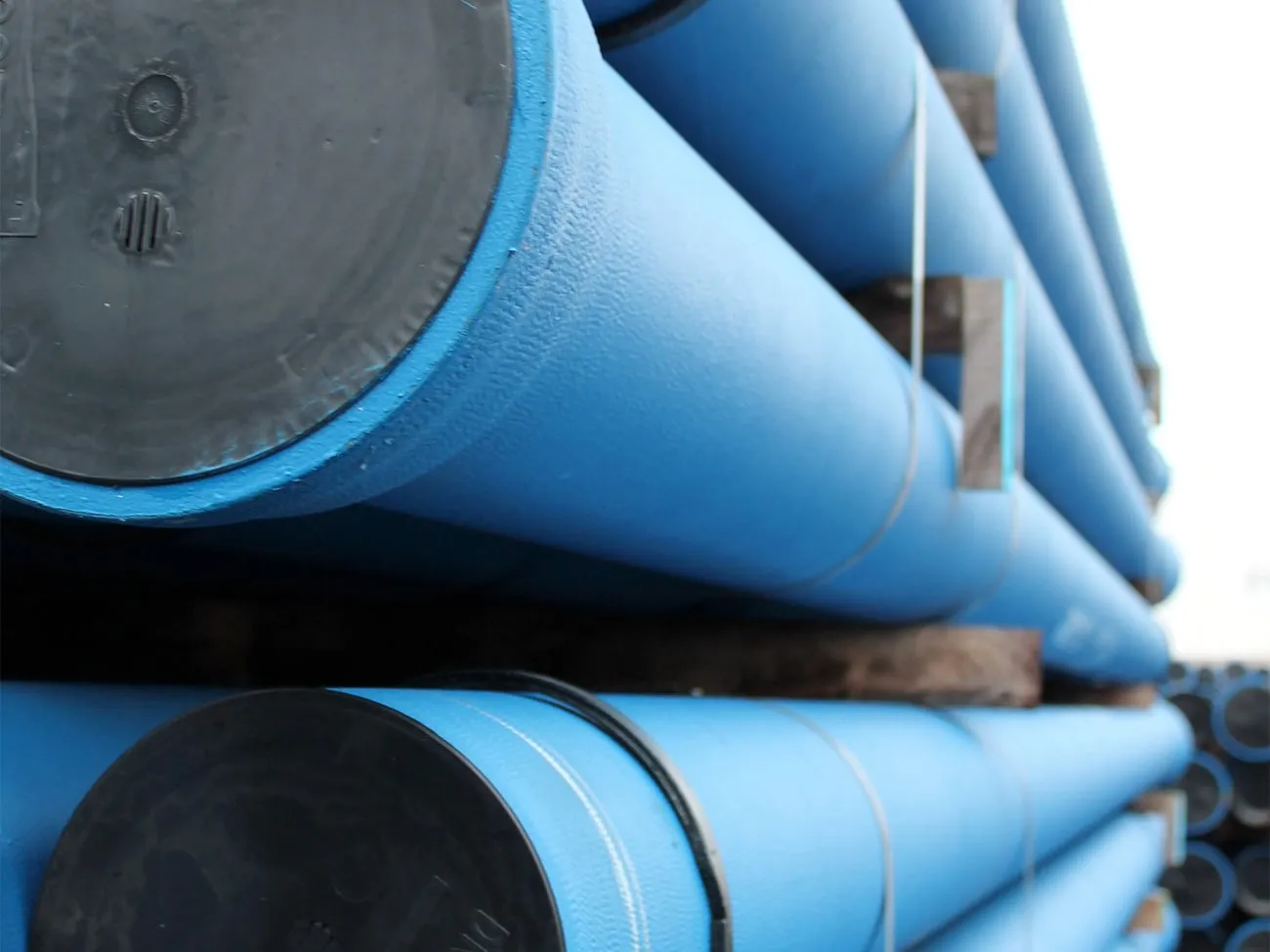
The effects of global warming are most keenly felt in cities. “A city full of concrete and asphalt does not cool down and cannot drain water either. This creates urban heat islands in summer and flooded basements during heavy rain.” This is not only unpleasant for city residents, it is also simply unhealthy and dangerous.
Fortunately, there is a solution: the so-called Sponge City. This urban design leaves plenty of space underground for rainwater and trees. Green spaces not only cool things down, but also help drain water. “However, adding more greenery to cities requires quite a lot of underground space. Trees have extensive root systems, and you do not want a leak every week.” Ductile iron pipes with flexible joints and a cement mortar coating are root-resistant, so they can play a major role in developing the modern city. “By laying the pipes in pipe trenches, tree roots have enough room to grow.”
Choosing for the long term
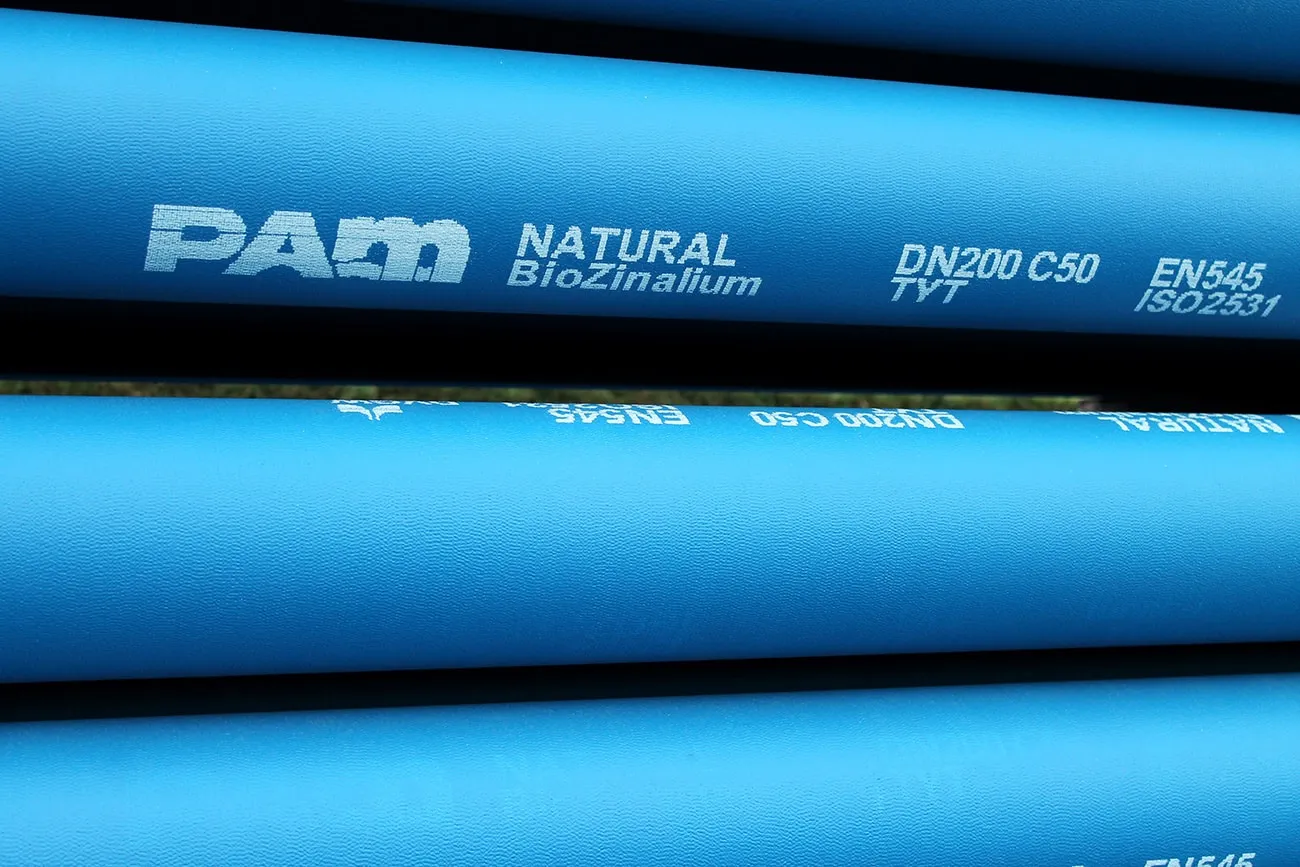
Building a water system with long-lasting pipes helps avoid a lot of short-term concerns. “Ductile iron is a long-term choice. The pipes themselves last for more than 100 years, and reuse is no problem. That means you will barely need to think about your water supply system for years, almost for generations.”
Question about this story? Ask your question
Keep following this
Get an email when a new story is published. No account needed.
- SubjectYearbook