









“Quality comes first, price comes second”
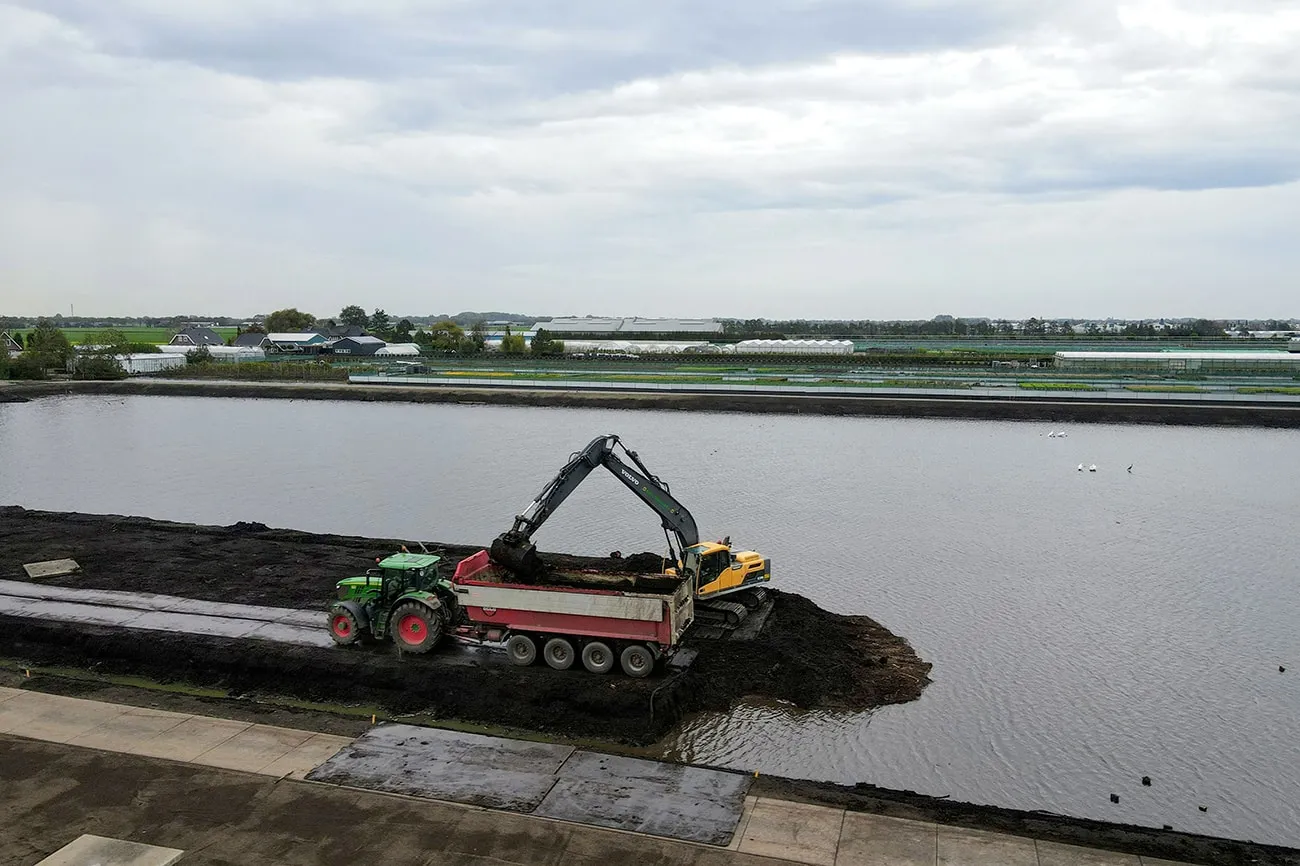
Thousands of building permits must be reassessed after the Council of State struck down the nitrogen exemption for construction activities. This has major consequences for projects already under way and could delay or even cancel a number of them. Gebr. Olieman is among the companies affected. Co-founder Hans Olieman explains the impact these changes are having on his business.
Gebr. Olieman BV has been trading in high-quality peat soil, peat products and growing media since 1980. With a broad product range, certified soil and extensive knowledge and experience, the company is an authorised contractor. But, like all other businesses, it depends on the laws and regulations governing its sector.
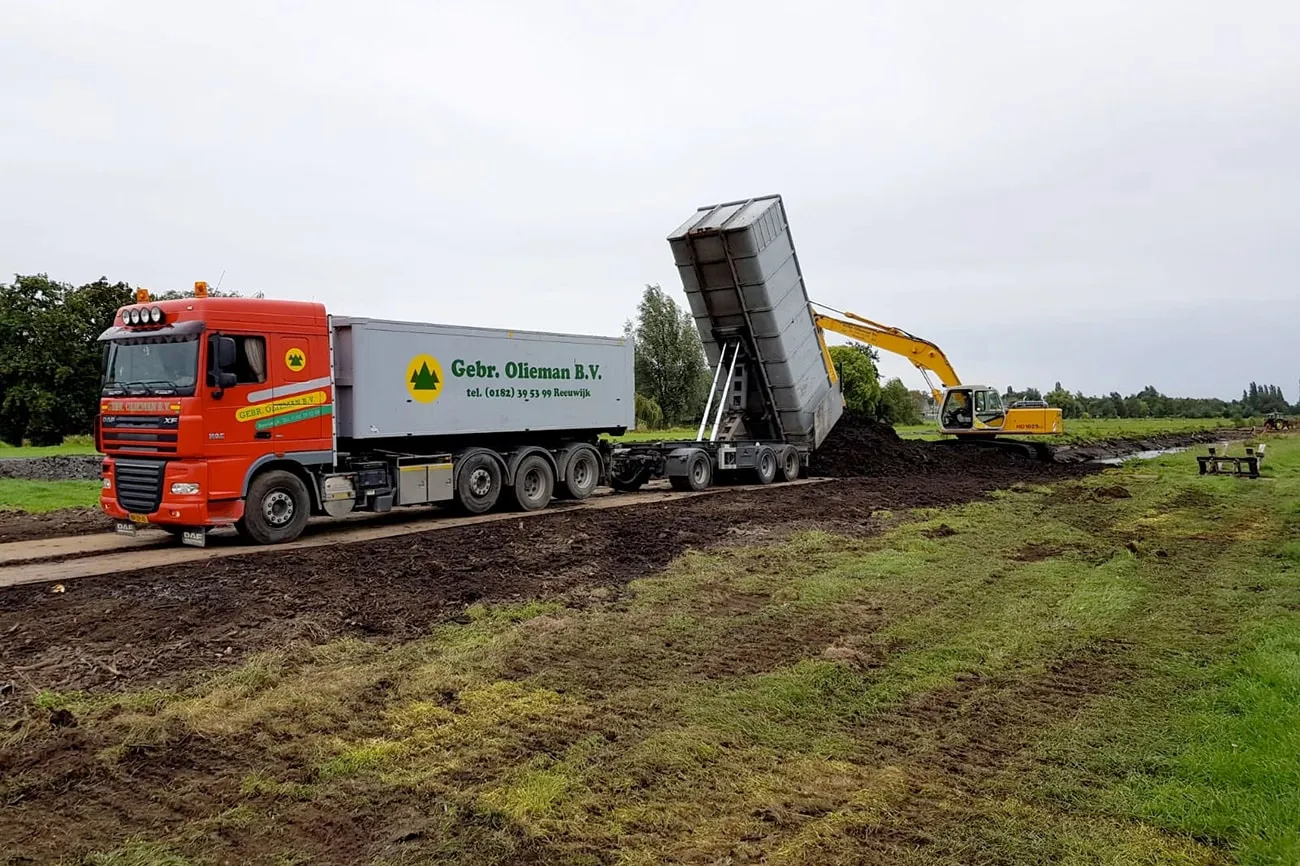
The nitrogen exemption for construction activities came into force on 1 July 2021. From then on, construction, demolition and one-off site preparation activities could qualify for an exemption from nitrogen rules. Just over a year later, the law has been struck down, and companies such as Gebr. Olieman have to face the consequences. Olieman says: “The constant changes to laws and regulations have a major impact on us and our clients. When we start a project now, our clients are often unaware of the latest changes, so we first have to check whether the right permits and exemptions are in place.”
The ground is often overlooked
As a contractor, you are essentially on the client’s side. “They have trusted you to carry out work for them, and now you have to explain the government’s unpredictable policies. Then you advise them, only to conclude that this will also incur extra costs.”
“Even if those extra costs are approved, there is still the problem of the schedule. We have already started too late because of issues with the supply of building materials and the like. And now this on top of that. You also want to avoid blaming the building contractor. They have their hands full with their own work, such as completing a building project within an already tight timeframe.”
Having established that, the next question is: how can you prevent this? “In my view, one way might be to discuss earlier how everyone can contribute their own knowledge. I’m not saying I know better, but after more than 50 years of experience, I’ve learned a thing or two. Our advice is free!”
“Our government is also increasingly leaning towards this approach, especially when you seek advice from established local businesses. Working in 10-12 m of peat is quite different from working on the Veluwe, for example. Settlement and related issues are a particular concern.”
“If you don’t take that into account beforehand, you can create something beautiful, only to find it needs repairs just 2 years later. The costs and frustration that result are harder to deal with than if you had identified the problem at the outset. This is one of the pillars of our business. Other aspects, such as producing, supplying and processing high-quality peat-based raw materials on site, as well as RAG-approved tree soil and tree sand for public green spaces, are inextricably linked to this. They strengthen the whole.”
Question about this story? Ask your question
Keep following this
Get an email when a new story is published. No account needed.
- SubjectYearbook







