Fides Expertise inspects, monitors and informs
If you measure it, you know it. We all know the saying. But the importance of measurement data during the various stages of project execution is often underestimated. Fides Expertise, a building damage assessment and consultancy firm with many years’ experience in inspecting, monitoring and reporting on the effects of construction, demolition and civil engineering works, is certain of one thing: quality will prevail.
Infrastructure works can affect surrounding buildings. By assessing potential risks at the preparatory stage, drawing up control measures and measuring the impact on the surroundings during construction, much distress can be avoided, according to Fred Pannekoek, director of Fides Expertise. “The starting point for all infrastructure works must be zero consequential damage,” he says.
Risk-based monitoring
Fides specialises in assessing and analysing risks in the construction and infrastructure sectors, both on behalf of clients and insurers, before a project goes to market, as well as for contractors. “We assess the risks of impacts on the surroundings and consider how best to monitor them during construction,” explains Pannekoek. “The main purpose of monitoring is to prevent nuisance and damage. Monitoring generates measurement data as work is carried out on projects. Risk-based monitoring allows the impact of the work to be continuously checked and tracked, helping to prevent potentially damaging consequences.”
Utrecht’s Zeeheldenbuurt
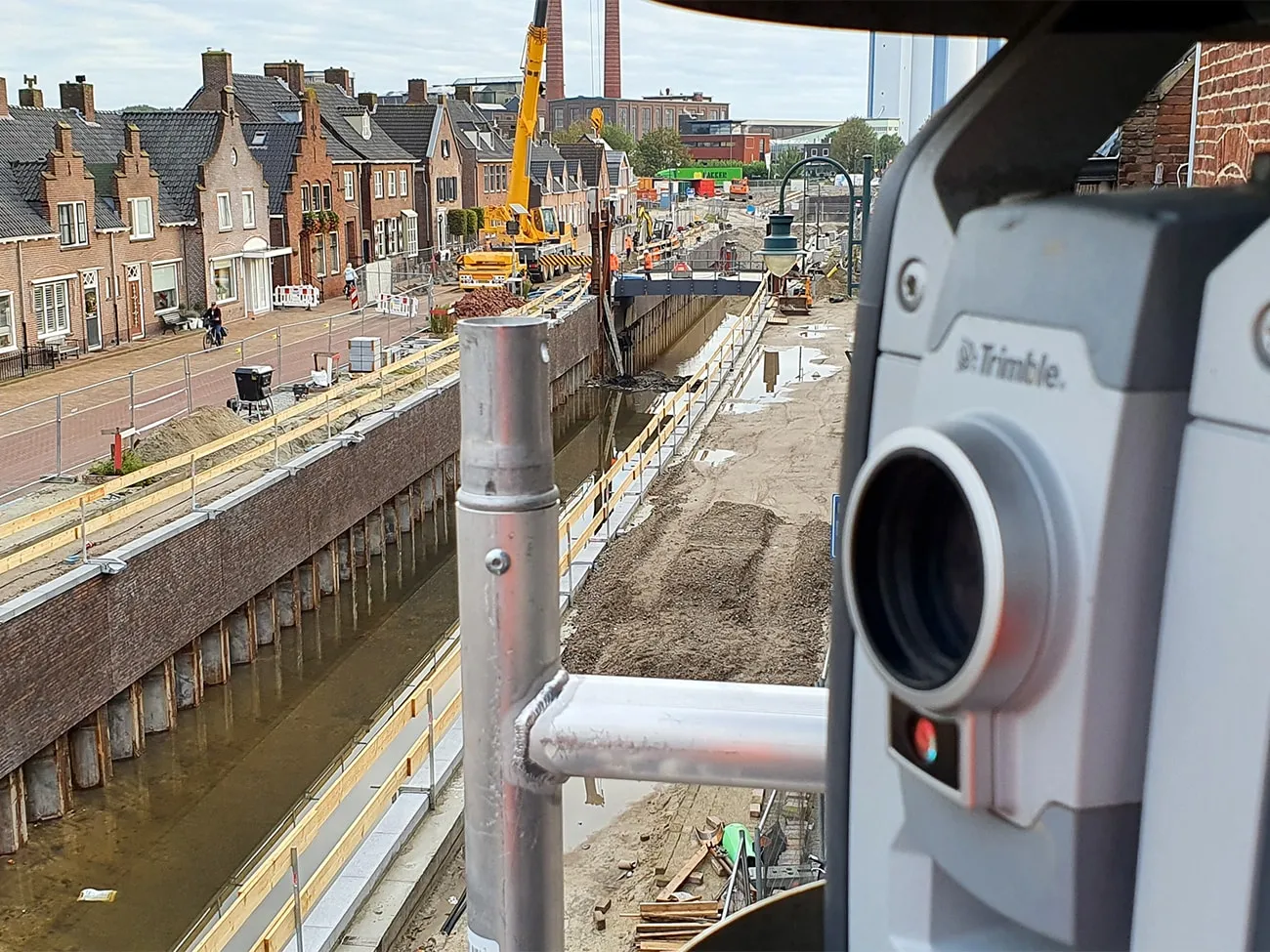
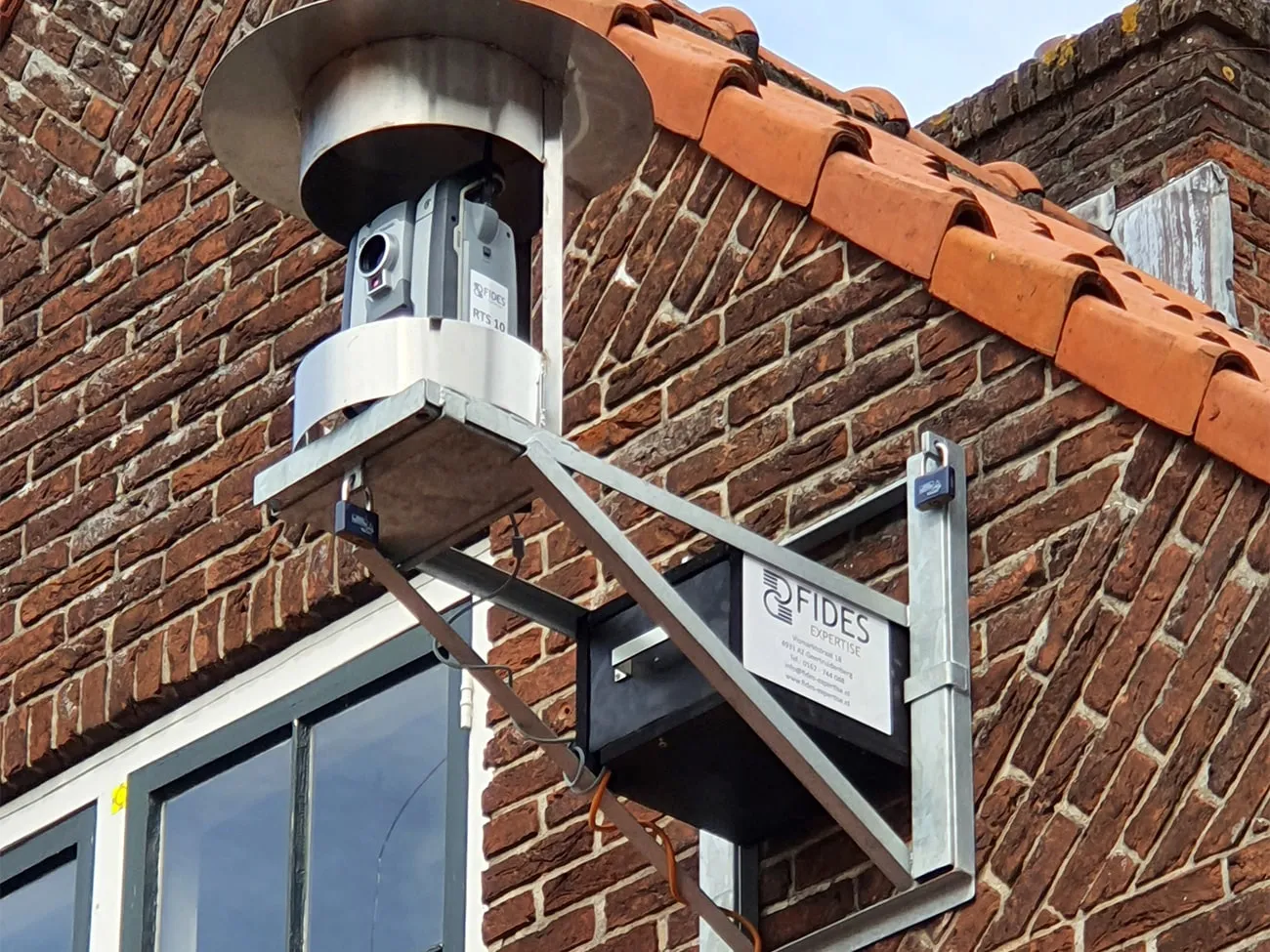
Pannekoek cites a project in which Fides’s extensive monitoring expertise was put to full use. “When the Zeeheldenbuurt in Utrecht was made waterproof, we carried out the pre-construction surveys, vibration monitoring and continuous deformation measurements using Robotic Total Stations. This involves extremely accurate monitoring of the development of vibration, noise, deformation and groundwater levels.” Fides also monitored standpipes using telemetry loggers. “If threshold values are exceeded, the client is informed immediately and can decide whether to adjust the working method, thereby minimising the risk of damage.”
A clear approach
“All work is carried out entirely in-house, using our own measuring equipment,” says Pannekoek, adding: “Of course, we work to clear quality standards set by both the BRL and SBR.” Professional monitoring by an independent, expert monitoring contractor provides clarity and assurance for the client and other stakeholders. It not only minimises the risk of damage, but also helps prevent ‘side issues’ such as reputational damage through open and honest communication with all parties involved.
Pre-construction building surveys
The pre-construction surveys are carried out in accordance with the KOMO process certificate BRL 5024, which the company has held since February 2014. An important quality aspect of BRL certification is the on-site spot checks carried out by the accredited body (SKG-IKOB). The surveys are thoroughly checked to ensure that all defects have been recorded in the report. “The new BRL 5024 finally guarantees the quality of pre-construction building surveys,” says Pannekoek.
Vibration monitoring
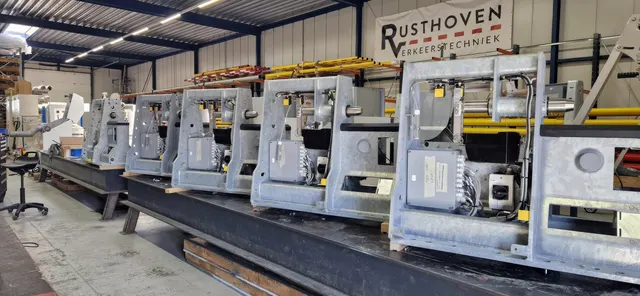
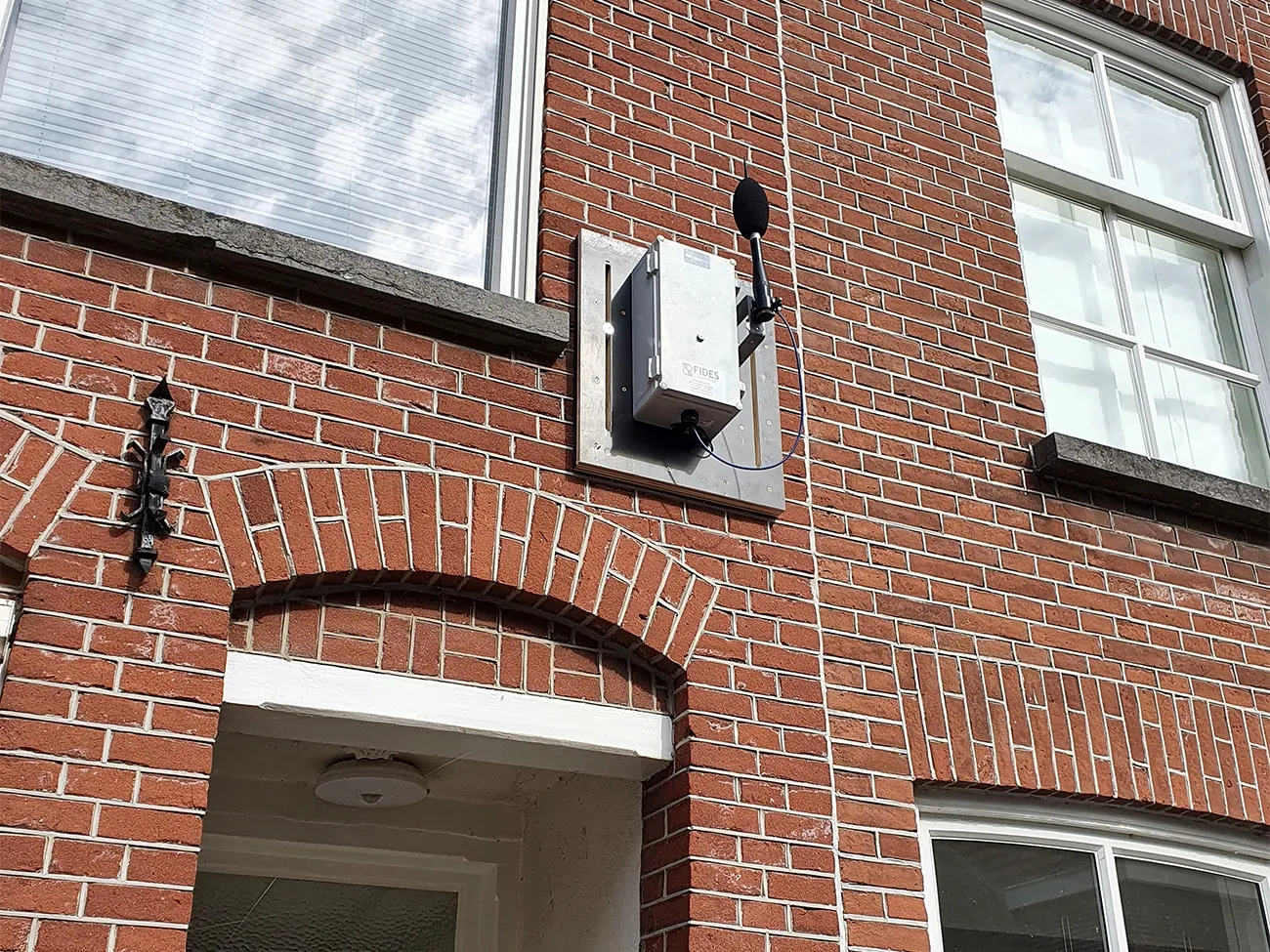
Vibration monitoring is carried out in accordance with BRL 5023 and SBR-A 2017. Since 2013, Fides has been part of a group of five companies that were the first in the Netherlands to be certified under the KOMO assessment guideline BRL 5023. } With this process certificate, clients can be confident that vibration measurements carried out by a certified measurement bureau comply with SBR requirements and that the results will not be called into question in the event of proceedings. An important quality aspect of BRL certification is the on-site spot checks carried out by the accredited body (SKG-IKOB). Fides has actively contributed to the 2017 revision of the SBR guidelines, with Part A covering damage to buildings and Part B covering nuisance to people. “We know exactly what we are talking about, so clients can rely on our expert judgement.” Pannekoek notes: “To ensure that measurements are not affected or disrupted by third parties, we position our measurement systems in an anti-vandalism cabinet.”
Expansion of BRL 5023
“We are now part of the working group tasked with expanding BRL 5023 to cover the measurement of the impact of construction and demolition activities on the surroundings,” Pannekoek continues. “BRL 5023 is to become a comprehensive monitoring BRL, adding noise measurements, groundwater level measurements and all types of deformation measurements.” The request to expand it into a comprehensive monitoring BRL came from the Verbond van verzekeraars. It was prompted by the significant differences in quality between monitoring contractors, as well as the use of unsuitable measurement techniques and an insufficient number of measurement intervals.
Level and deformation measurements
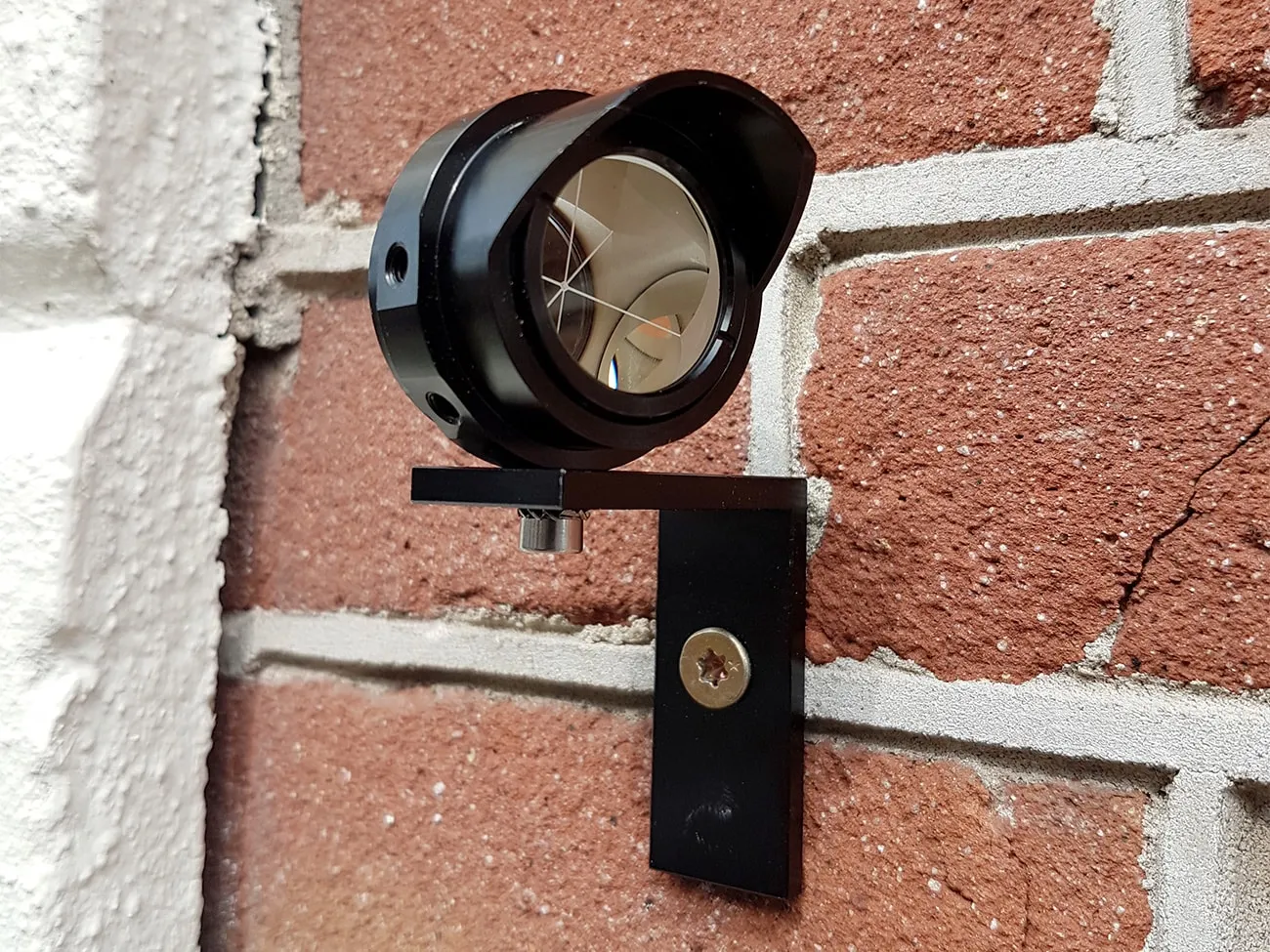
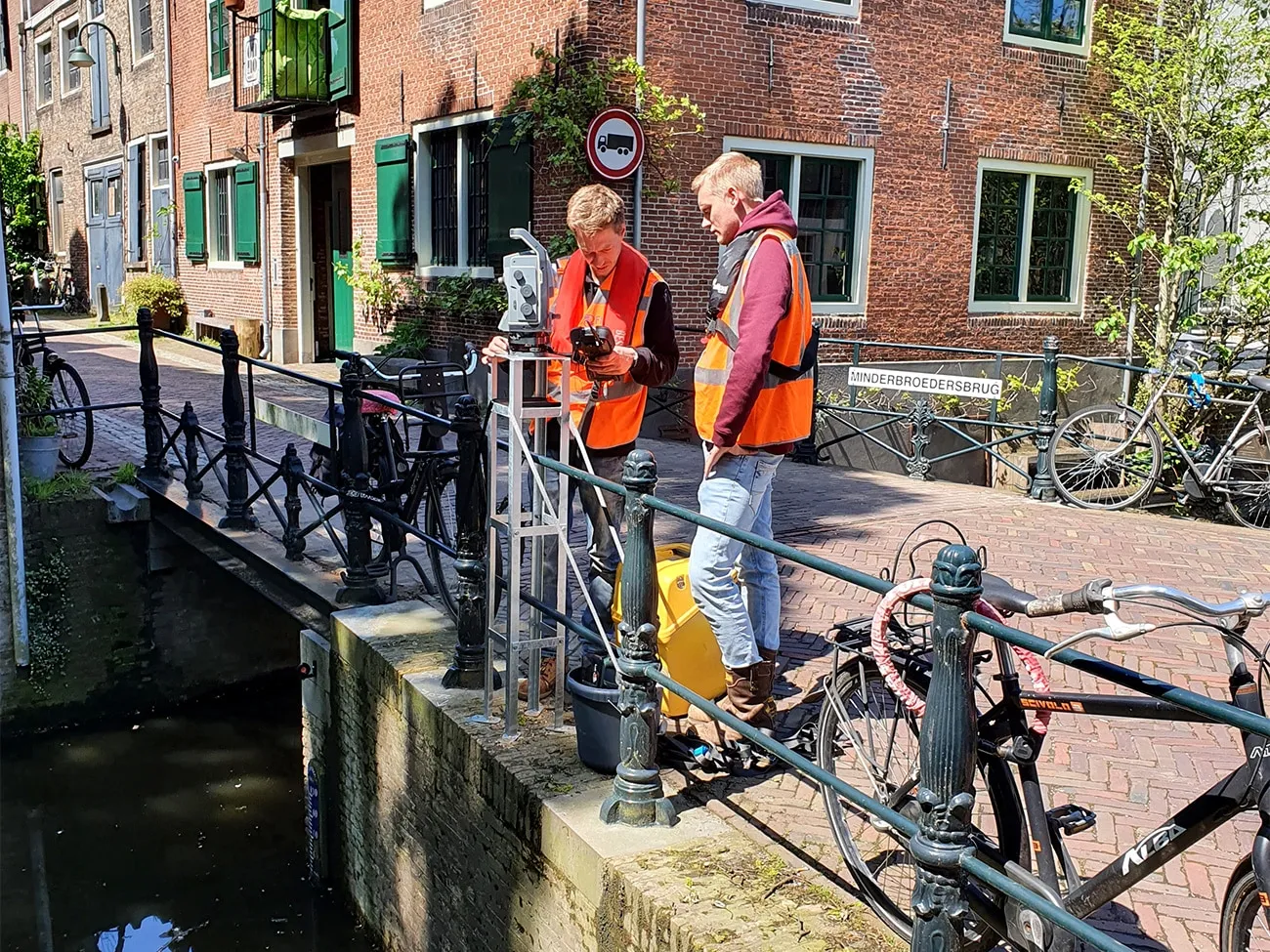
Monitoring surrounding buildings always starts with a thorough baseline survey. Traditionally, precise levelling is often used. Measurement points are installed in the façades of a building and their height is checked at regular intervals. The measurement frequency depends on the situation and the nature and speed of the work. If a threshold value is reached, the need for additional action is assessed on a case-by-case basis. “However,” says Pannekoek, “we are seeing growing demand for active monitoring systems such as the Robotic Total Station (RTS), particularly on complex urban construction projects. We have extensive experience using our own RTS setups to carry out automated XYZ measurements. We use the latest measuring equipment from Trimble and, in combination with the right monitoring prisms, achieve measurement accuracy of less than 1 mm. There simply are no more accurate automated XYZ measurements. Fides deploys RTS systems for projects including quay repairs and urban sewer projects involving sensitive buildings.”
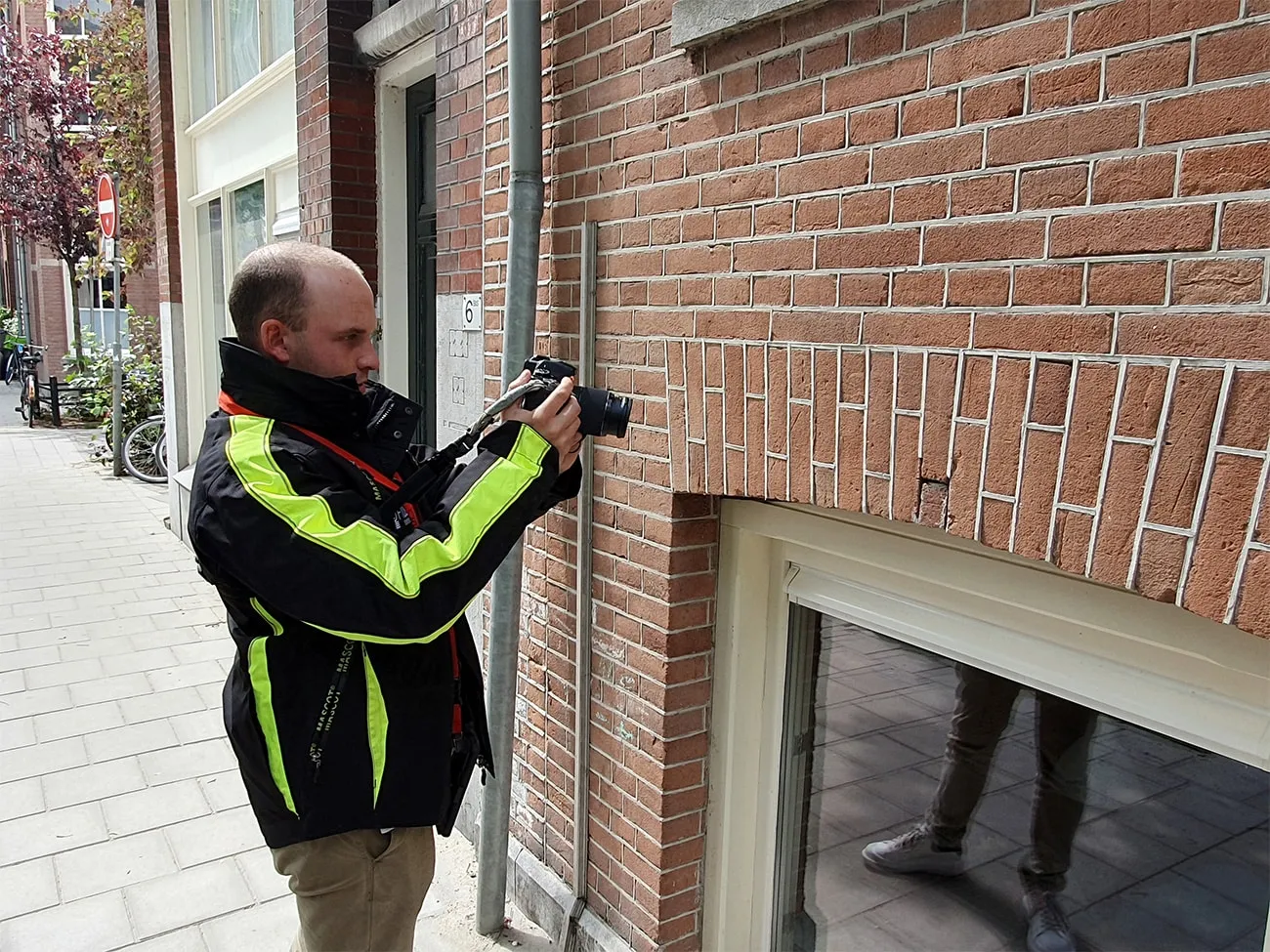
We stand for quality
Whatever type of monitoring is required, it is always tailored to the work. A risk assessment is often carried out during the design phase, among other things to determine the project’s monitoring requirements. Fides’s advisers can provide advice on monitoring, or on how to optimise it, at that stage or later in the project. “We take a critical look at what is technically necessary and what might be added for tactical reasons. Building surveys and monitoring the impact on the surroundings have to be done properly, or not at all. We really stand for quality,” says Pannekoek, concluding: “Fides’s experienced specialists, combined with our optimised processes and consistent expertise, ensure professional monitoring that you can rely on.”
Question about this story? Ask your question
Keep following this
Get an email when a new story is published. No account needed.
- SubjectYearbook