Engineering the past
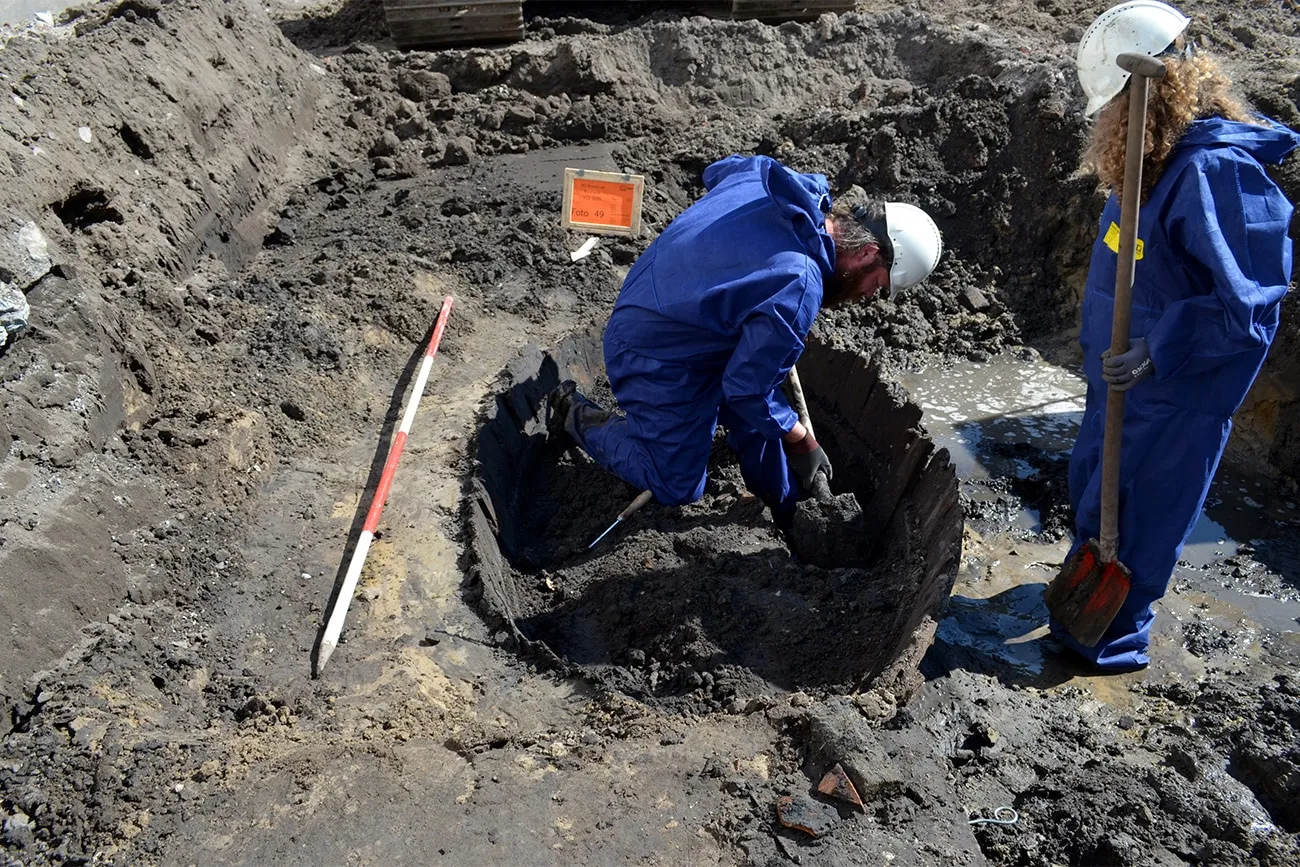
Mapping heritage at an early stage and devising solutions for clients to minimise costs and delays: this is the role Vestigia Archeologie & Cultuurhistorie has traditionally taken on. The archaeology and cultural heritage consultancy advocates early involvement and consideration during project development through ‘engineering the past’, because addressing archaeology only once construction is under way almost always leads to friction, higher costs and lost time.
Archaeology is always associated with excavation in the public imagination. “It is seen as a nuisance, never comes at a convenient time and costs money,” says Wilfried Hessing of Vestigia. “We try to explain that excavation is the final stage of archaeology, and only needed in the worst-case scenario for the builder. A whole process comes first, aimed at avoiding the need to excavate. And the sooner you start, the lower the cost of archaeology during construction. Unfortunately, we are increasingly being called in only once construction has started. Archaeological monitoring during the work may seem like a tactical solution, but it is actually a very poor one, both from a construction and an archaeological perspective. Monitoring always carries a risk. If something is found, work has to stop, and the process always takes longer than if you carry out the research beforehand, so it costs more. It is also poor from an archaeological perspective because the conditions for observation during most monitoring work are far from ideal, meaning that significant information is often missed.”
From risk to opportunity
Trying to do everything in one go only once you actually start digging is therefore not a particularly pragmatic approach in most cases, says Jeroen Flamman of Vestigia. “Being unable to define costs and timescales in advance, because you are effectively interweaving workstreams, also increases the risk of misunderstandings. Through thorough preliminary research, we turn archaeology from a risk into an opportunity. An opportunity to save costs, but also to make use of relics from the past and their associated stories to add something to a project. For example, by giving a new residential district a unique sense of historical identity. People appreciate learning about the roots of the place where they live.” Hessing adds: “That is the role we play in infrastructure projects: providing sound advice to clients and contractors so that projects can be carried out as efficiently as possible. In some cases, thorough preliminary research is followed by excavation work in the field, but in most cases it is not needed at all. For example, a clever adjustment to the design can make further research unnecessary, allowing a project to proceed without archaeological excavations or monitoring. But you have to be willing and prepared to take those steps at an early stage. It helps if the developer recognises this first, rather than waiting for the relevant government authority to impose all kinds of conditions.”
Wind farms
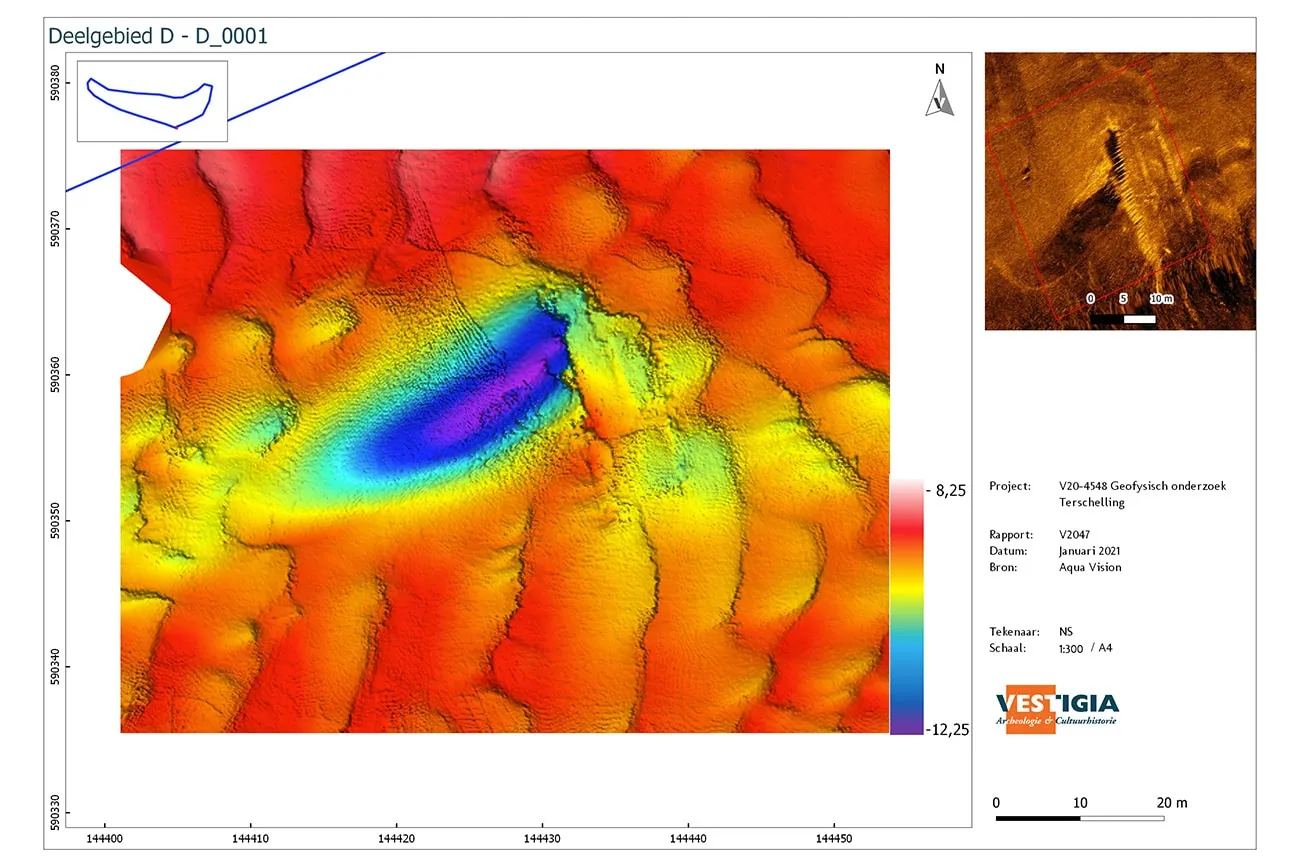
Vestigia is already involved from the engineering stage in a number of projects, both on land and at sea. “We are working for the Netherlands Enterprise Agency to map the risks in areas of the North Sea earmarked for a series of new wind farms,” says Hessing. “There may be wrecks or other obstacles there, or covered prehistoric sites. Based on data collected by third parties, for example for foundation and unexploded ordnance surveys, we assess the archaeological value. The aim is not to excavate these sites, but primarily to verify the positions of the wind turbine masts. If, for example, a historically significant shipwreck lies at a proposed location, the foundation is moved. By identifying archaeological considerations at an early stage, you avoid running into all kinds of unforeseen and excessive costs during construction.” Vestigia does the same for many projects on land. “We make sure archaeology is taken into account in a project, so that the contractor can carry out the work with as little disruption as possible while still meeting the requirements for archaeological research,” Flamman concludes.
Question about this story? Ask your question
Keep following this
Get an email when a new story is published. No account needed.
- SubjectYearbook