Efficient rainwater storage
After yet another bone-dry summer, it is becoming increasingly clear that we need to focus more and more on collecting and reusing the rainwater we so urgently need. We must also invest in systems that prevent us from using clean drinking water in situations where rainwater would suffice. Separating, treating, infiltrating and storing rainwater are disciplines that Nering Bögel has been involved in for decades, building up the necessary experience across a wide range of situations and projects.
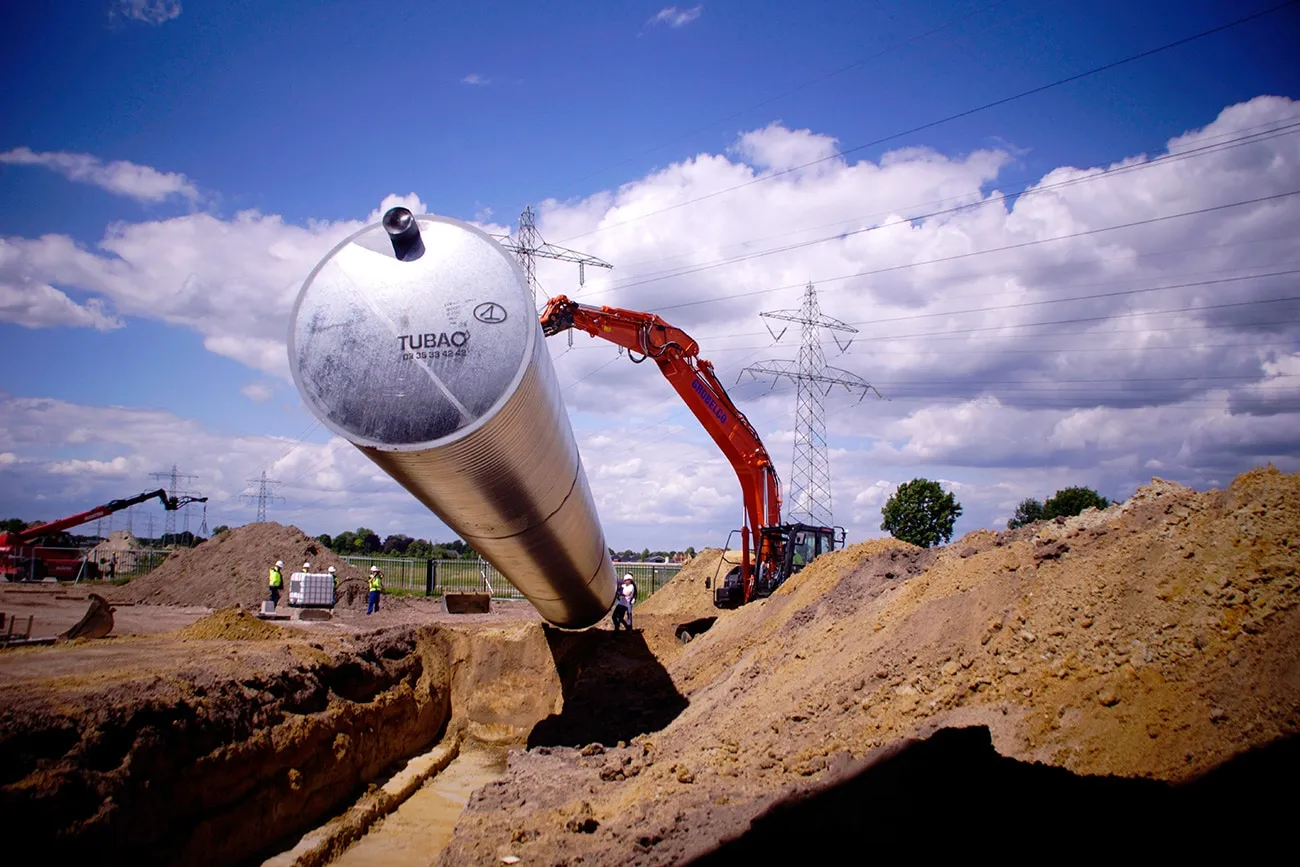
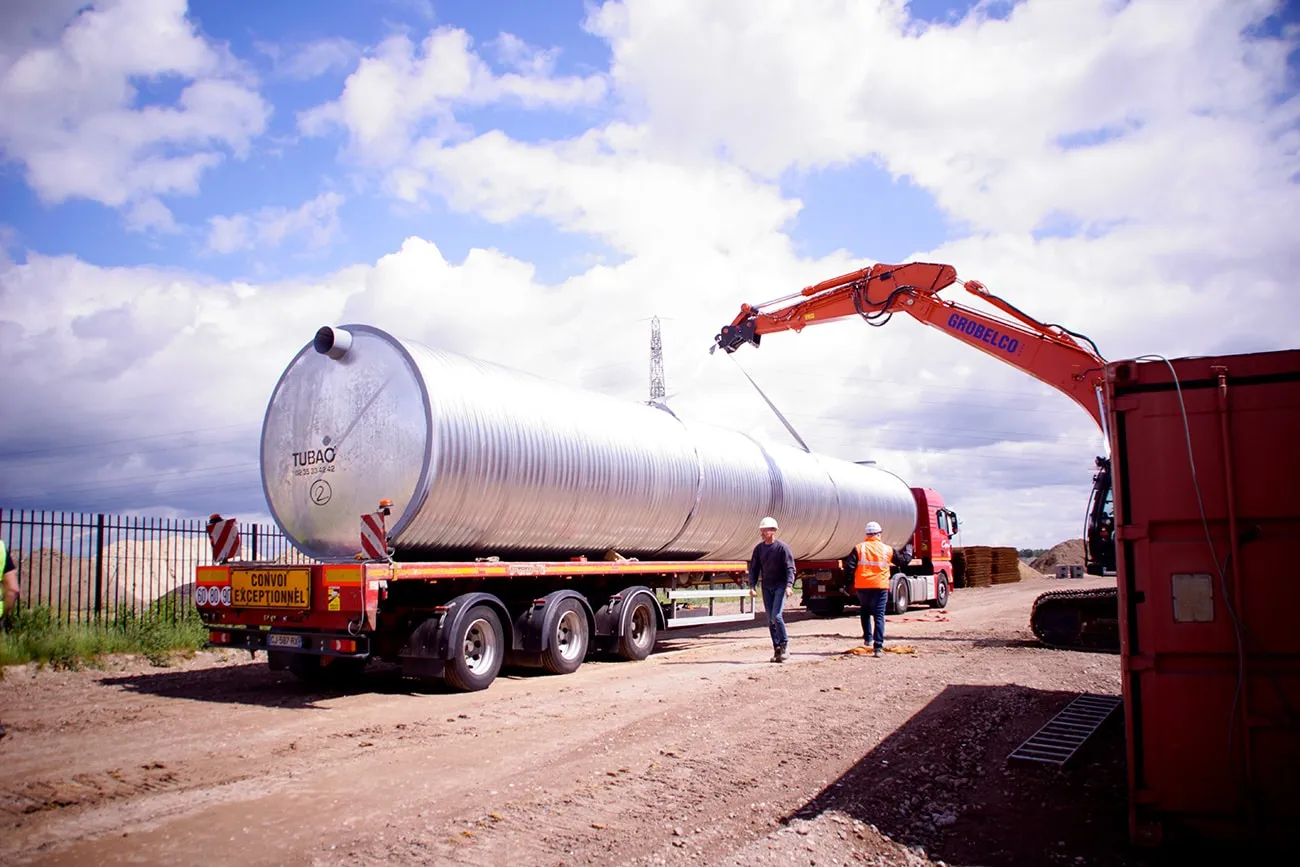
Nering Bögel considers it a duty to keep developing and to seek out new products that meet today’s needs and respond to conditions in the market. That is why the TUBAO storage tanks are a very welcome addition to an already extensive range. Manufactured in France, this storage system is based on the principle of using pipe volumes. The ‘tanks’ are available in various sizes and made from galvanised sheet steel or HDPE. “To give you an idea of the volumes involved, the largest pipe has a diameter of no less than 3 metres,” says Richard Janssen, managing director and owner of Nering Bögel. “The system is relatively quick and easy to install and suitable for a range of applications, from storing water for immediate reuse to providing high-quality firewater for sprinkler systems.”
Eight storage tanks
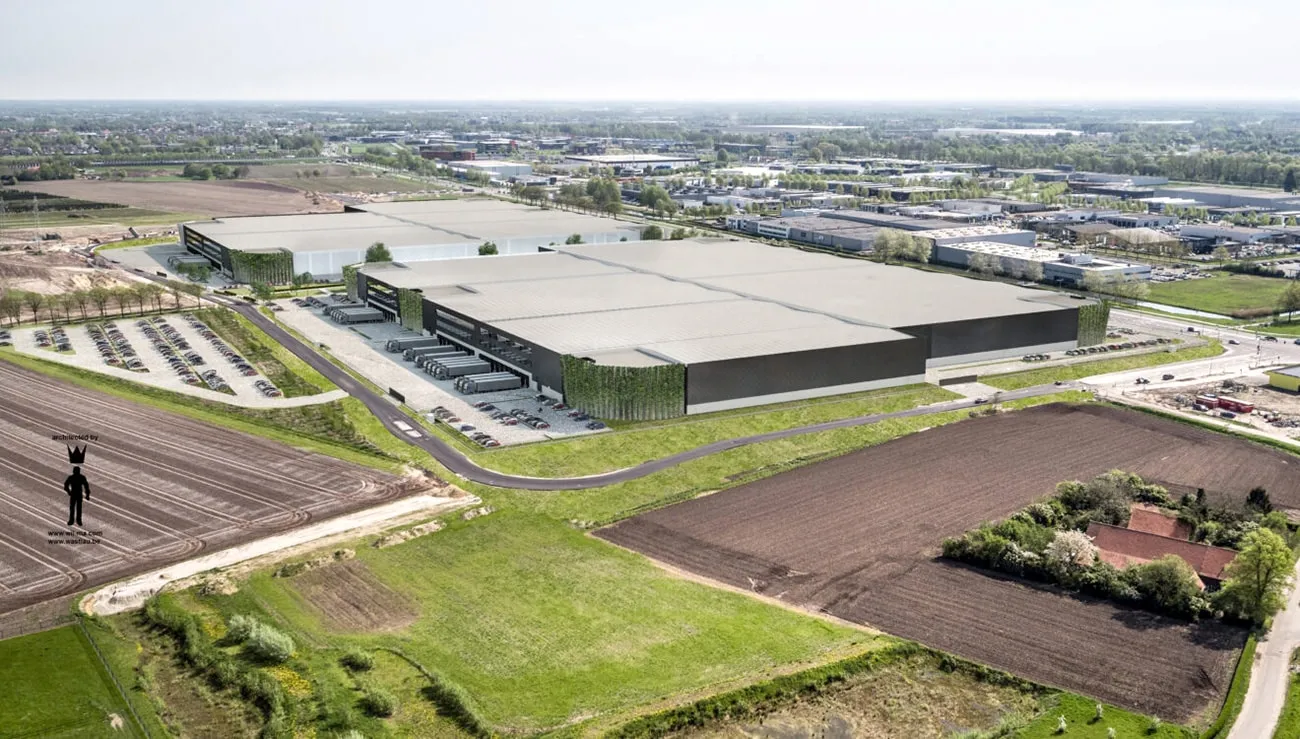
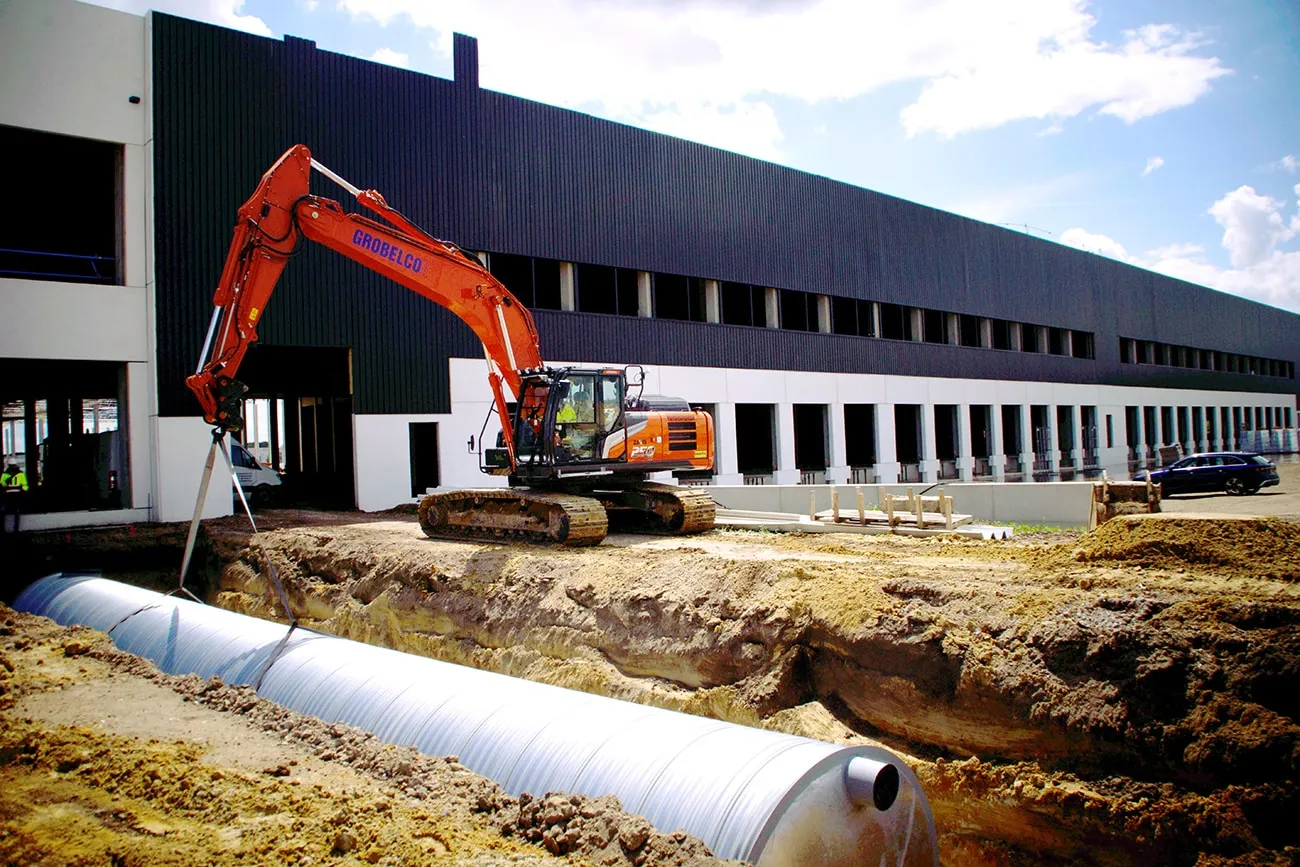
Nering Bögel supplied the rainwater storage system for the Logistic Mill 21 Campus project in Weert, commissioned by Heylen Warehouses of Herentals, Belgium, and working in collaboration with TUBAO. This large-scale campus comprises a modern distribution and storage centre with a total of 118,085 m² of warehouse space, and therefore roof area. “The development of this prestigious project consists of two ‘blocks’, threaded through by a green corridor of 100-year-old trees,” Janssen explains. “The municipality of Weert is very green and rich in trees. Integrating and planting as many trees and as much greenery as possible was therefore an important requirement here. Given the complex’s enormous roof area, it made obvious sense to collect the rainwater from it and use it, among other things, to irrigate the surrounding green spaces.” The eight galvanised steel storage tanks, each with a capacity of 100 m³, make it possible to collect and store substantial volumes of rainwater for extended periods. This meets the municipality of Weert’s requirements in two ways: the sewer system is not unnecessarily burdened with clean rainwater, and the green spaces are supplied with water naturally.
According to Janssen, the TUBAO system is not only suitable for a wide range of rainwater storage applications, but can also be used to collect polluted water. “This water can then either be safely discharged or treated in the storage system so that it can be reused. Another major advantage of the TUBAO system is that the tanks are installed underground and can withstand heavy traffic. This means no valuable space is lost. Nering Bögel and TUBAO are happy to assist you with the engineering and with choosing the right rainwater storage system for your needs.”
Question about this story? Ask your question
Keep following this
Get an email when a new story is published. No account needed.
- SubjectYearbook