De Koops and Romeijn Geogroup collaboration
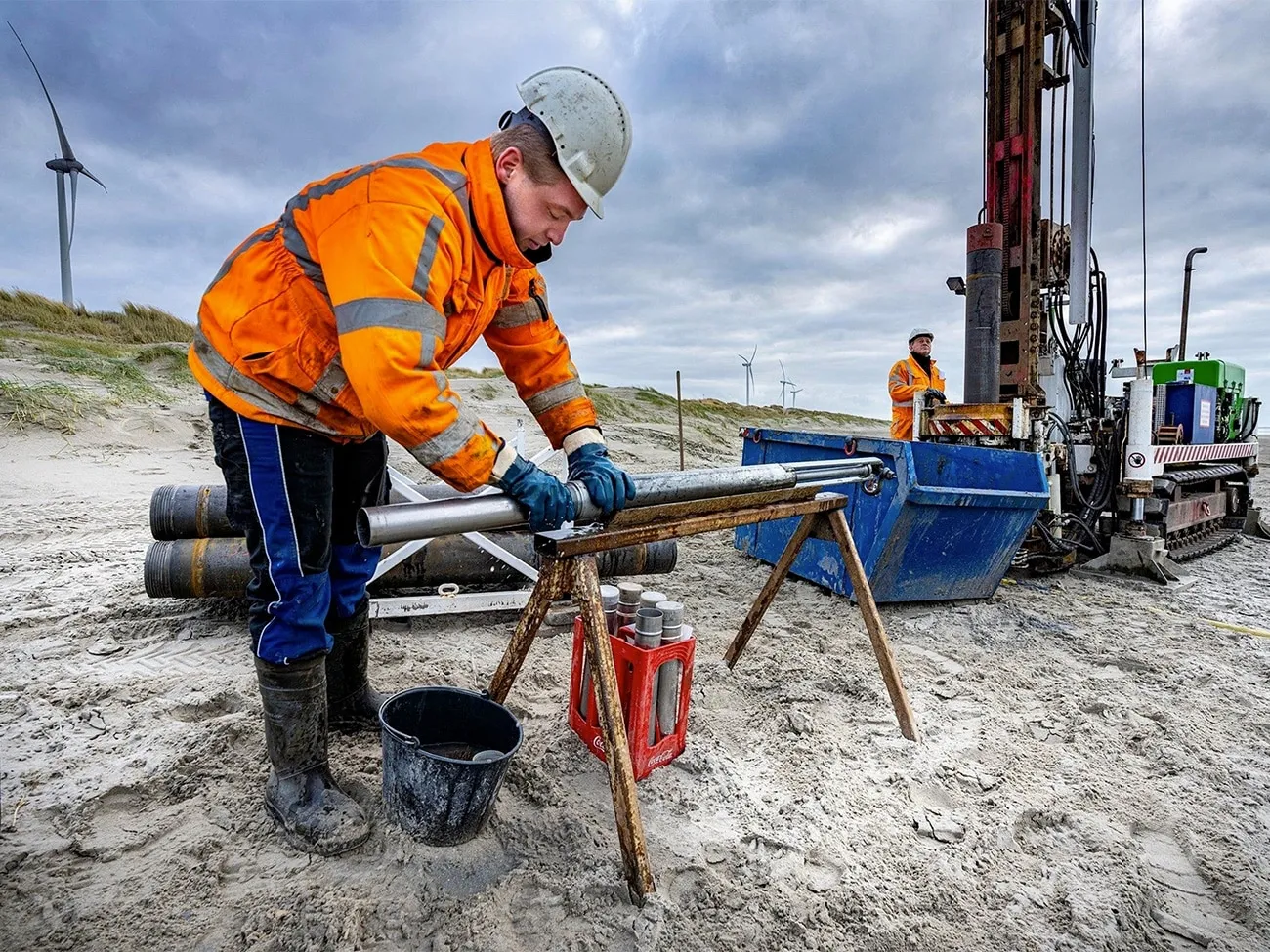
Preparing sites for construction, analysing stability and settlement, and carrying out dewatering. Koops grondmechanica has worked in close collaboration under the name De Koops & Romeijn geogroep since 1996. Albert Palsma, director of Koop grondmechanica bv: “It is a group of independent, self-employed and experienced consultants who support one another in geotechnical and environmental soil investigations, geotechnics and geohydrology.”
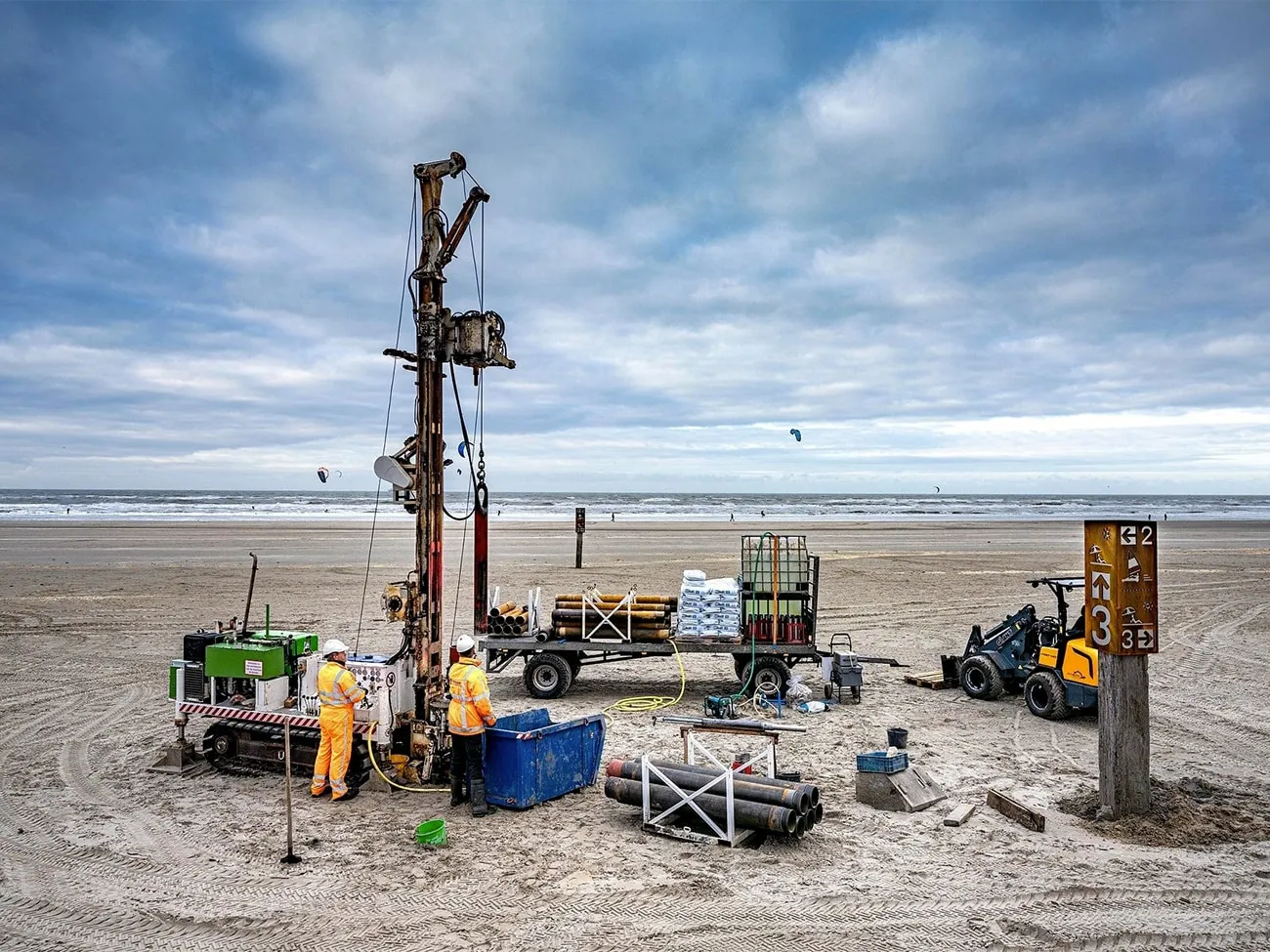
The clients targeted by the joint geogroup include structural engineers and architects. Palsma says: “But most enquiries come from the infrastructure sector, mainly for utility routes for electricity, heat, hydrogen and biogas. We do a lot of work related to the energy transition. We carry out cone penetration tests to determine the soil profile and identify the soil types. We take samples from the ground and test them in the laboratory. We also determine the thermal resistance of the soil, which is important for a cable that needs to dissipate heat into the ground, so that it does not lose capacity. That loss can be as much as 30 to 40 per cent.”
In-house laboratory
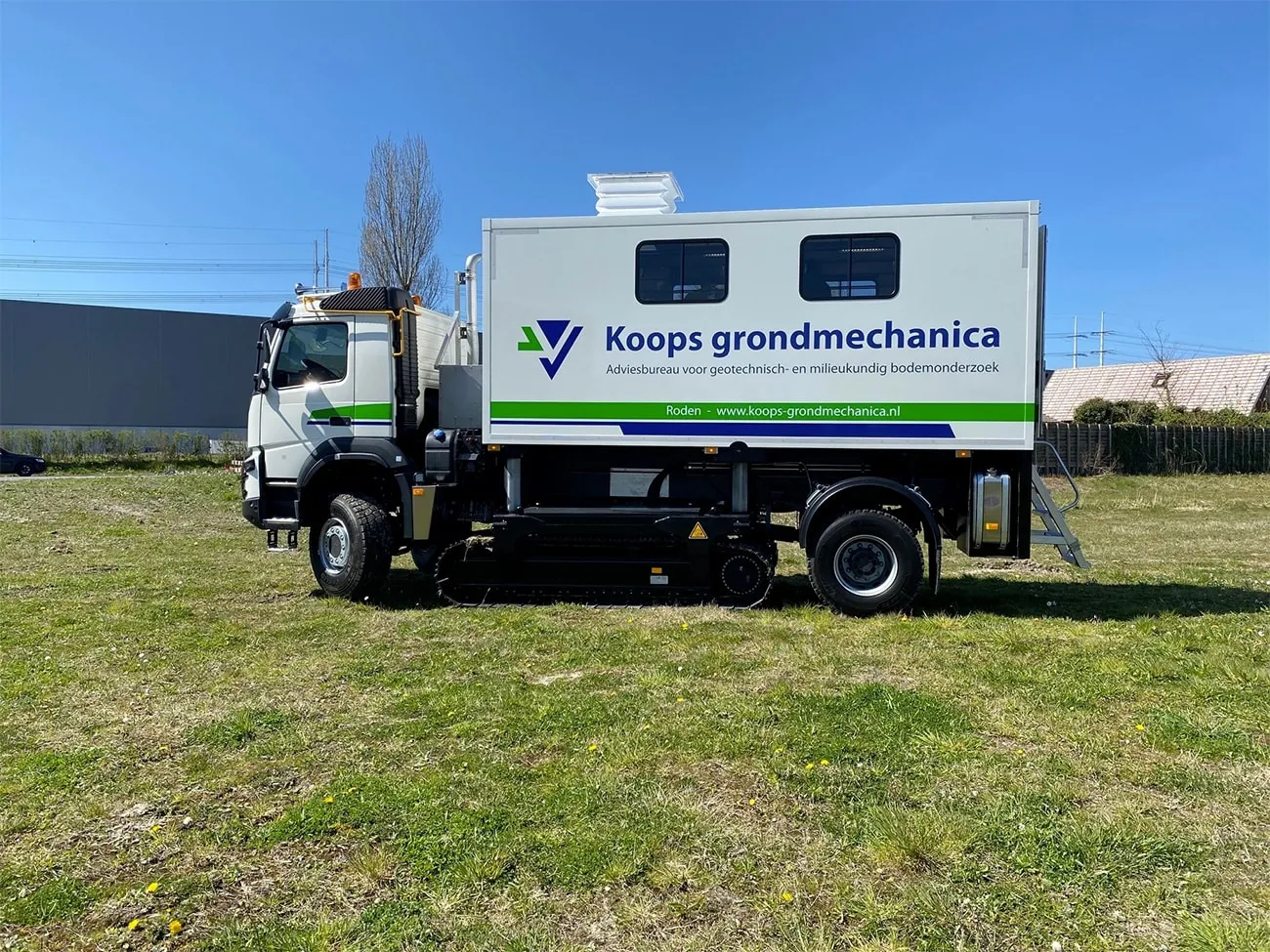
Koops grondmechanica is a consultancy specialising in geotechnical and environmental soil investigations. Palsma says: “As part of the collaboration known as Koops & Romeijn geogroep, both parties cover all aspects of geotechnics and geohydrology. The collaboration is limited to mutual support and knowledge exchange in soil investigation, geotechnics and geohydrology, and does not involve any legal affiliation. We carry out the work with various consultants based at seven locations in the Netherlands: Roden, Velp, Ammerstol, Wageningen, Wijchen and Gorredijk.”
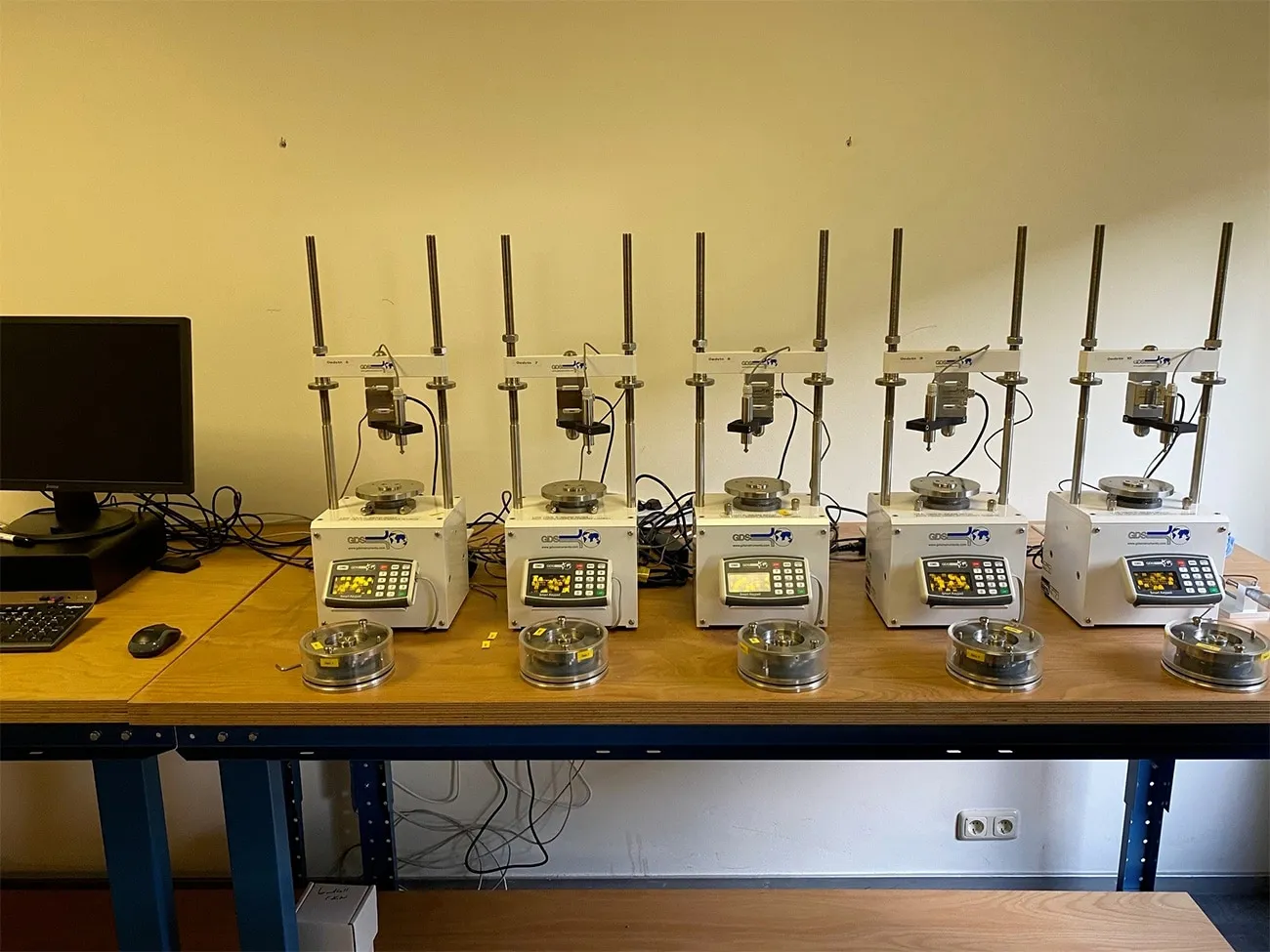
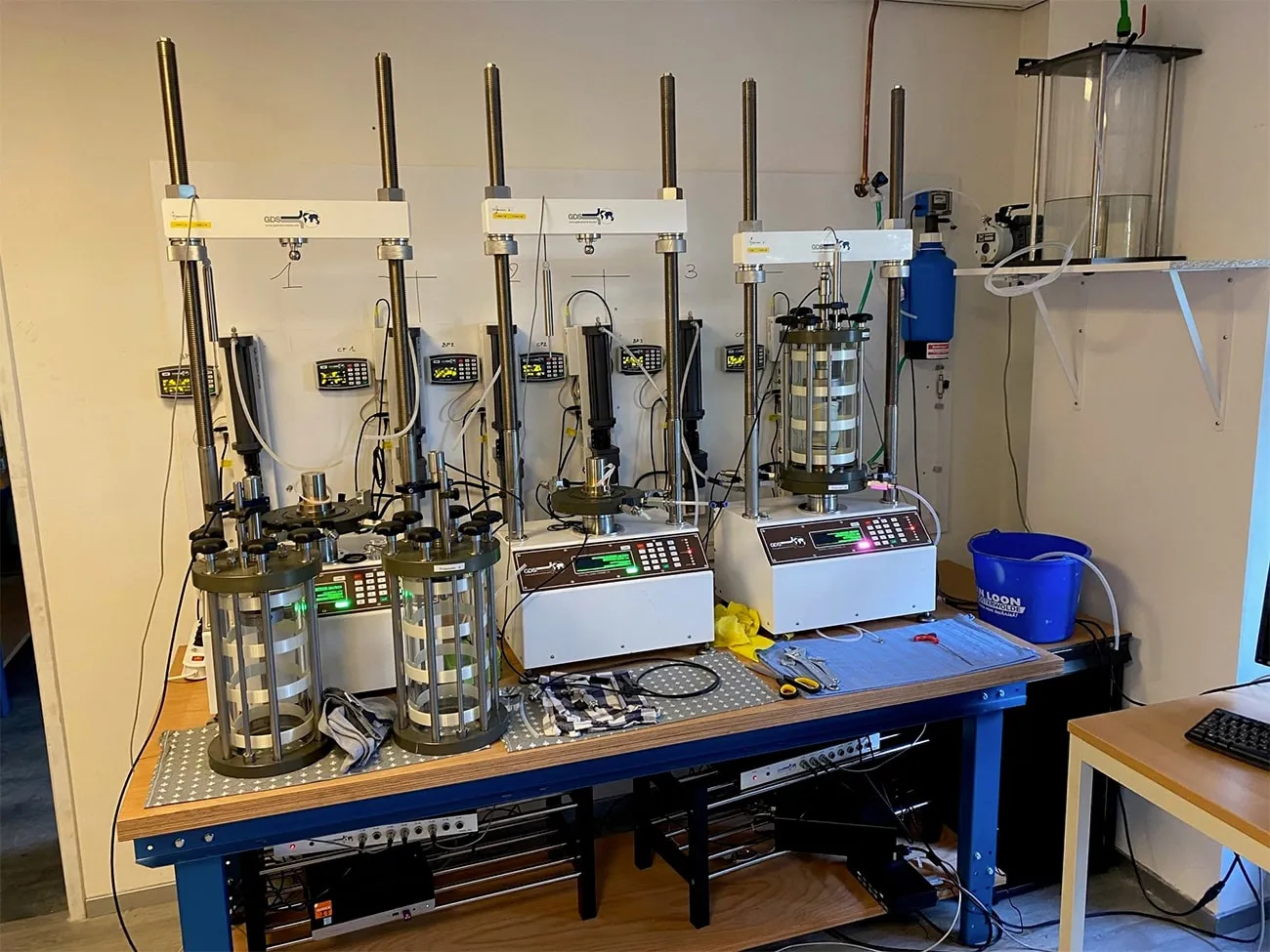
With an in-house laboratory, it is possible to determine the compressibility of the soil. “We conduct tests and provide advice based on the calculations, or pass the parameters directly to the client for them to use. For example, if you are building a new road on peat, you need to know how much it will settle. The results allow you to calculate how many centimetres of fill sand are needed. We also determine how long or wide foundation piles need to be. We carry out geohydrological investigations too, for example when you are excavating a construction pit. You determine how deep it needs to be and what measures are required if you are temporarily lowering the groundwater level.”
Expertise since 1985
Palsma has more than 35 years’ experience in soil investigation. “I started in 1985 and have always worked in the field. In 2014, I was able to take over Koops Grondmechanica bv and set up on my own. I have never lost my curiosity about what an investigation will reveal. The findings are always different from what you expect, even if you have drawn up a plan in advance based on recorded data. In practice, what you find is always different. That is what makes it so enjoyable. When you go into the ground, a whole world opens up to me. When you look at costs, you often find that too little investigation has been carried out or that the work has been underestimated. We have seen this on various projects, such as the Noord-Zuidlijn in Amsterdam. It is always important to check database information against reality.”
Question about this story? Ask your question
Keep following this
Get an email when a new story is published. No account needed.
- SubjectYearbook