









Can we still turn the tide? Doing nothing is certainly not an option
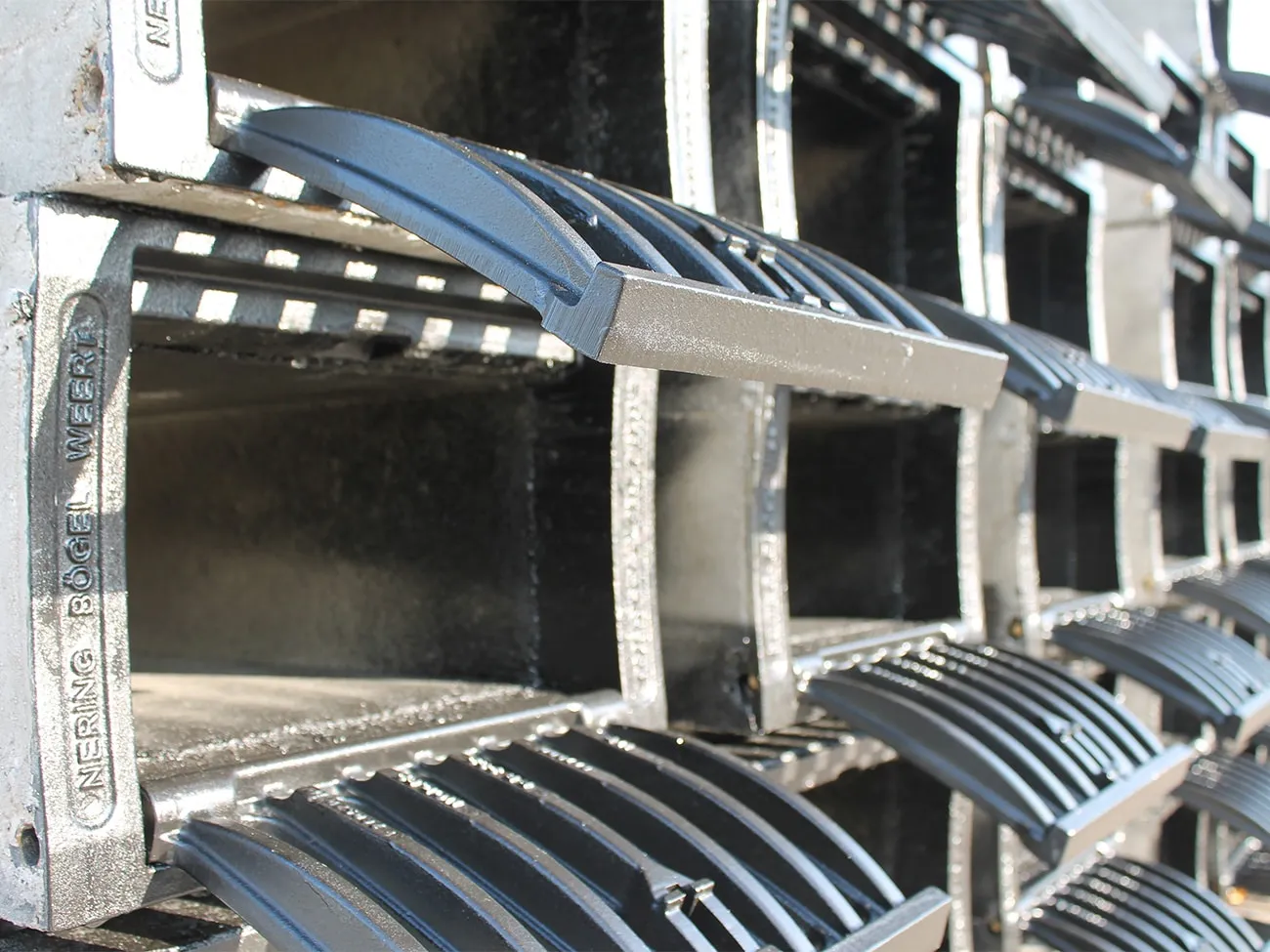
It is Friday 5 November 2021. The international climate summit in Glasgow, COP26, has been under way for a few days. At the UN conference, countries are discussing ways to limit global warming to 1.5 degrees. This is essential, because we are falling behind on meeting the targets set out in the UN Paris Climate Agreement.
The morning news reports this Friday that, according to research by Oxfam Novib, the CO2 emissions of the richest 1 per cent of the world's population will be so high in 2030 that it will be impossible to meet the climate targets agreed in Paris. Is it too late? Like many others, Richard Janssen, director and owner of Nering Bögel, is asking himself that question, but believes that doing nothing is certainly not an option. A conversation about intentions and mindset.
‘We actually knew this for a long time’
“The same news report says that the emissions of the world's richest exceed the limit for keeping global warming below 1.5 degrees by a factor of 30,” says Janssen. “The excessive behaviour of the richest 1 per cent of the world's population is responsible for most CO2 emissions. The causes include overconsumption, excessive travel by private jet and sailing on large yachts. The report also shows that the richest 10 per cent of the world's population have a carbon footprint 9 times too large. The emissions of the poorest half of the population are negligible by comparison. Yet this group will bear the brunt of further global warming. The pain is therefore not being felt by those who should really be bearing it. If that does not change, everything seems futile. Even so, I firmly believe that doing nothing is not an option.”
Janssen likes to look back at history: Eunice Newton Foote was an American physicist and inventor. In 1856, after carrying out experiments with carbon dioxide and water vapour, she was the first to suggest that CO2 might raise temperatures on Earth. Edward Teller (1908-2003) was an American theoretical physicist, and one of the people who conceived the atomic bomb. He predicted that we would need to look for alternatives to fossil fuels in response to global warming. They were voices crying in the wilderness. Consumer society became a reality, and ‘after us, the deluge’ seemed to be the creed. Today we are paying the price. We owe it to future generations to try to limit the damage as much as possible.”
The immediate effects of climate change
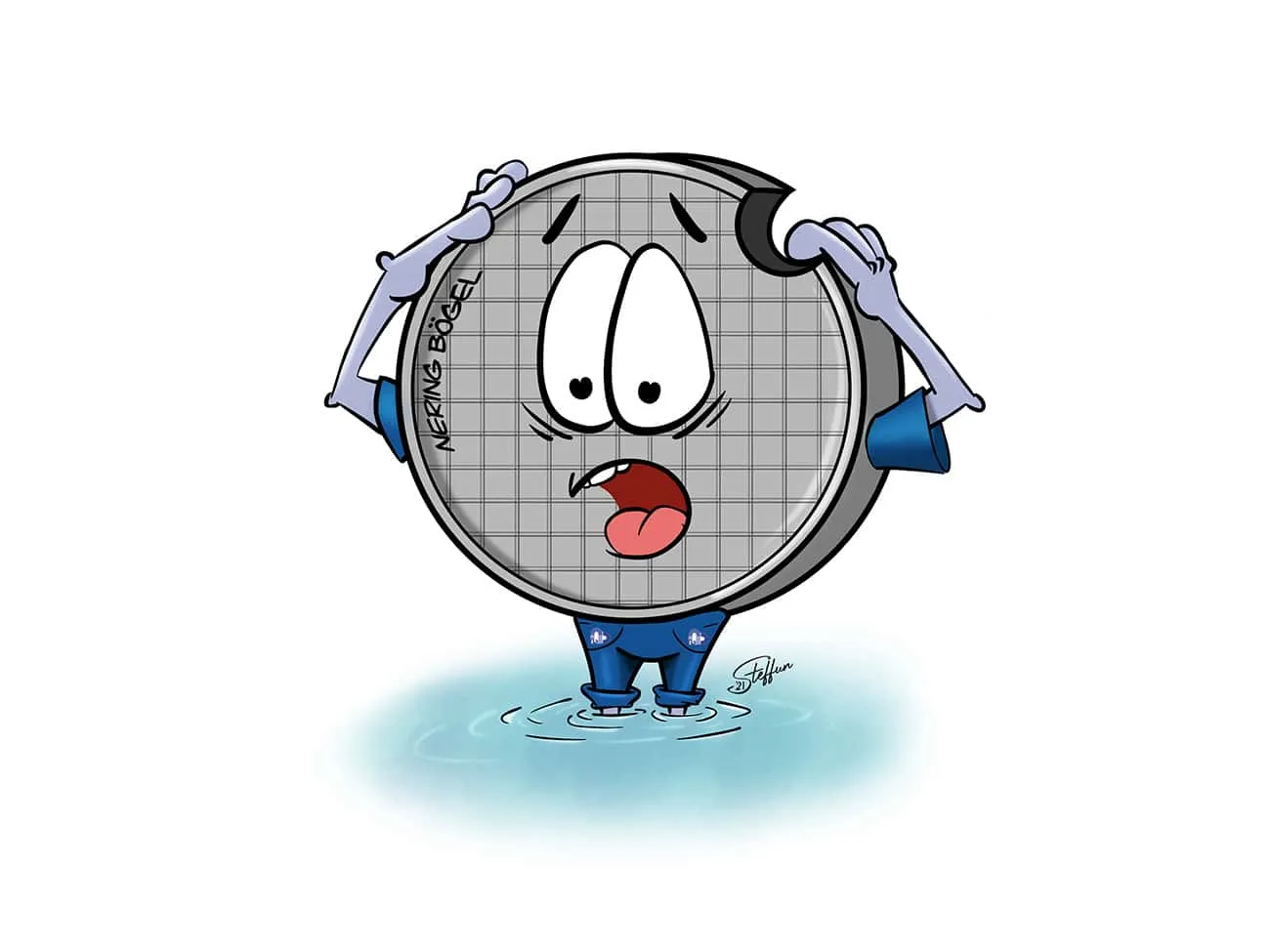
The effects of climate change are immediately apparent in our low-lying country. More frequent and increasingly severe downpours are disrupting our society. “Just look at the floods in Limburg. We are a transit country for water. When water masses of up to 20,000 m3 per second come crashing down on us, it is like mopping the floor with the tap running. Thinking in terms of borders leads to unpleasant situations. For example, there was flooding in Germany because the Netherlands refused to open certain sluices. German lock keepers could take no more and went on strike en masse. Dams and dykes then failed in both Germany and the Netherlands. At European level, this is comparable to what is happening around the world: it is every country for itself. We will not win this battle that way. Cooperation is the only solution,” says Janssen.
So what can you do yourself?
“We must collectively say goodbye to our old, pampered lifestyle, in which consumption is seen as the highest good. Everyone can start at home. Looking at industry, there is still plenty of progress to be made. At Nering Bögel, we are energy-positive, which means we produce more green electricity than we need ourselves, resulting in a reduction of 200 tonnes of CO2. We are also now focused on reducing CO2 emissions from production. We have reached the point where we can produce gullies and manhole frames almost CO2-free.”
Janssen also believes that the media and politicians have a role to play. “Everything gets so hyped up and we are warned so often about the consequences, making for some nice sensational headlines, that people get tired of it. Trust in politics and the media is declining, so people sit back and think: ‘Whatever’. But we do need to work together, on a small scale at home and in businesses, and between all countries. Is that possible? Yes! How do we make it happen? Countries need to stop walking on eggshells, stop indulging big egos, stop lobbying and take climate issues out of the political arena. That has to change first, because CO2 does not read or watch the news.”
Question about this story? Ask your question
Keep following this
Get an email when a new story is published. No account needed.
- SubjectYearbook







