‘Building, renovating or developing: you need to know what’s in the ground wherever you are’
There is an enormous amount of work to be done underground these days, says Jasper Bresser, Commercial Director at Ortageo. “We are in the middle of an energy transition that requires many new cables and pipelines, as well as renovation work. If you plan it properly in advance, you can prevent problems and unnecessary costs.” Wiebe Vollmuller, adviser and project manager at Ortageo: “If work comes to a standstill while a contractor has staff and equipment on site, it costs a lot of money. It is better to rule out 90 to 95 per cent of the risks. That is why we are keen to get involved at an early stage.”
Ortageo Beheer bv has been operating for more than 20 years. Bresser: “It has traditionally been an environmental consultancy specialising in soil investigations and advice, with work in geotechnical engineering as well, such as carrying out cone penetration tests and providing advice. In recent years, we have added various services that help manage environmental risks in construction, infrastructure and demolition projects. We specialise in soil investigations and remediation, soil lot testing, geotechnical engineering, geohydrology, archaeology, unexploded ordnance, asbestos surveys and sustainability solutions.”
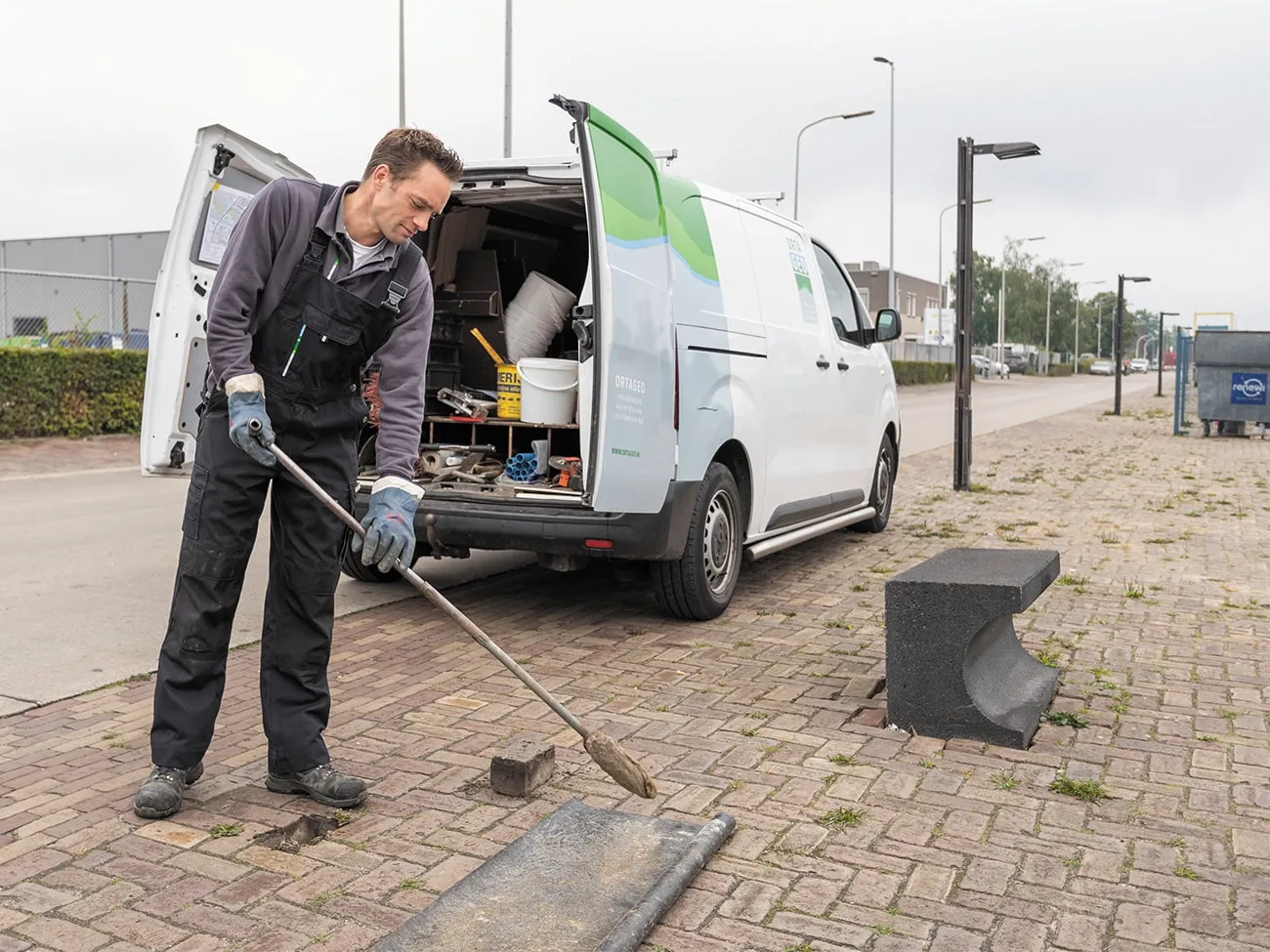
Specialists in inspecting, measuring and analysing infrastructure
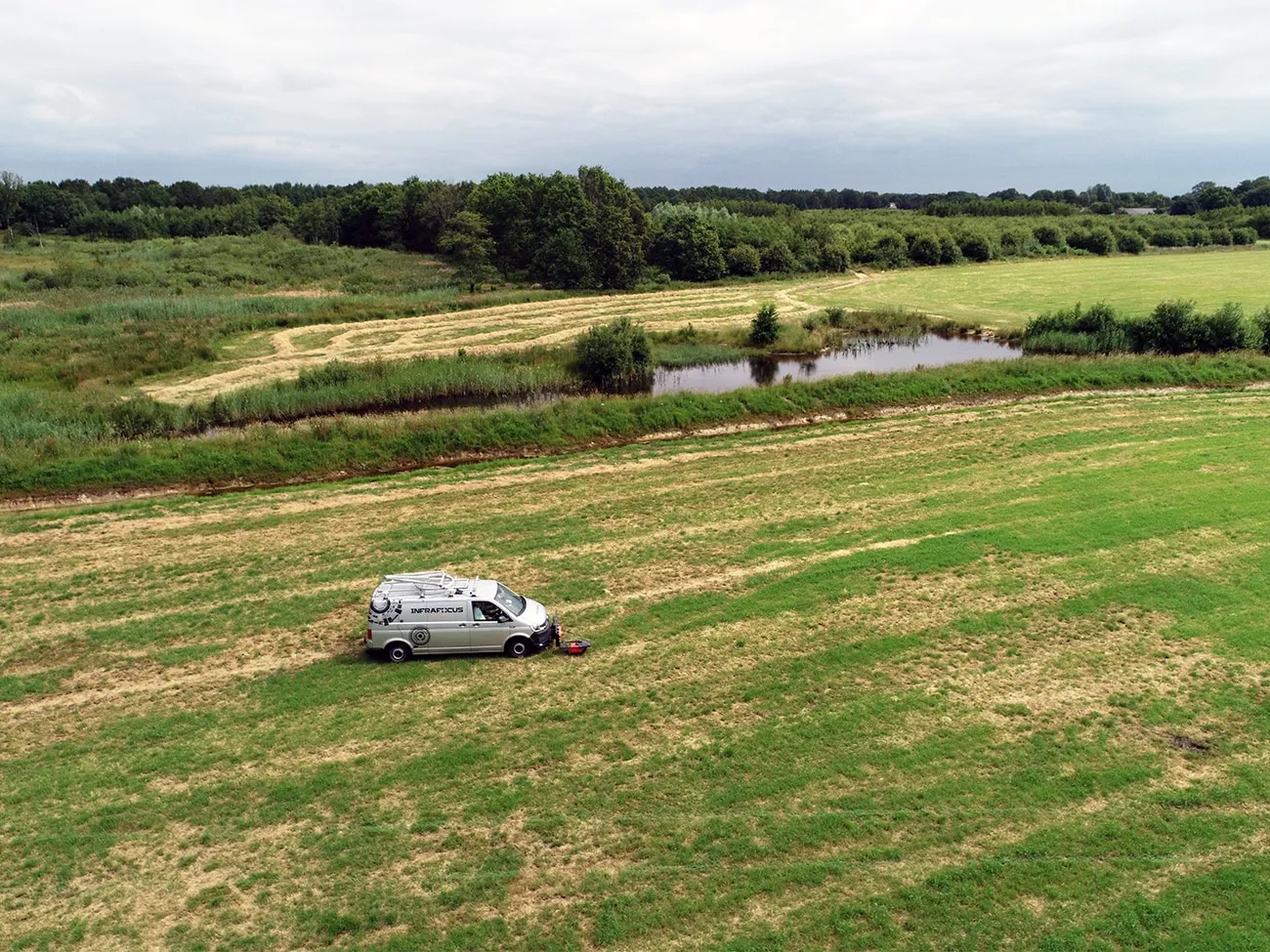
With offices in Oud-Beijerland, Almelo, Weurt and Rolde, Ortageo serves the whole of the Netherlands. Vollmuller: “No one can see into the ground, but we can find out what is in it. We provide services for small and large projects, from private individuals to major engineering consultancies in the Netherlands, as well as contractors, structural engineers and housing associations: anyone working with soil, buildings and the subsurface. Together with civil engineering company Roelofs from Den Ham, we set up Infrafocus, combining our knowledge of roads and soil. Infrafocus specialises in inspecting, measuring and analysing infrastructure, soil and the subsurface. It does this using cameras, lasers and ground-penetrating radar. These scanning techniques help us see into the ground.”
Once the client has decided where they want to dig a route, Ortageo carries out an investigation. Vollmuller: “What will you encounter? What has been reported? What existing infrastructure and utilities are there? What is the history? Which crops have been grown there? Which crop diseases and nematodes are present in the soil and pose a risk of spreading? And if we are still unsure, we go out into the field and take samples to investigate what we need to know.” Bresser: “We want to rule out risks. In the past, it was a case of ‘you ask, we deliver’; now, it is mainly about thinking things through together and sitting down at the table.” Vollmuller: “If we are allowed to take an integrated view and contribute ideas about the route to be dug or how a plot should be laid out, we can save a lot of time, money and frustration. It is always more cost-effective. We ask: what are you planning to do? We want to discuss it together and understand the client’s objectives.”
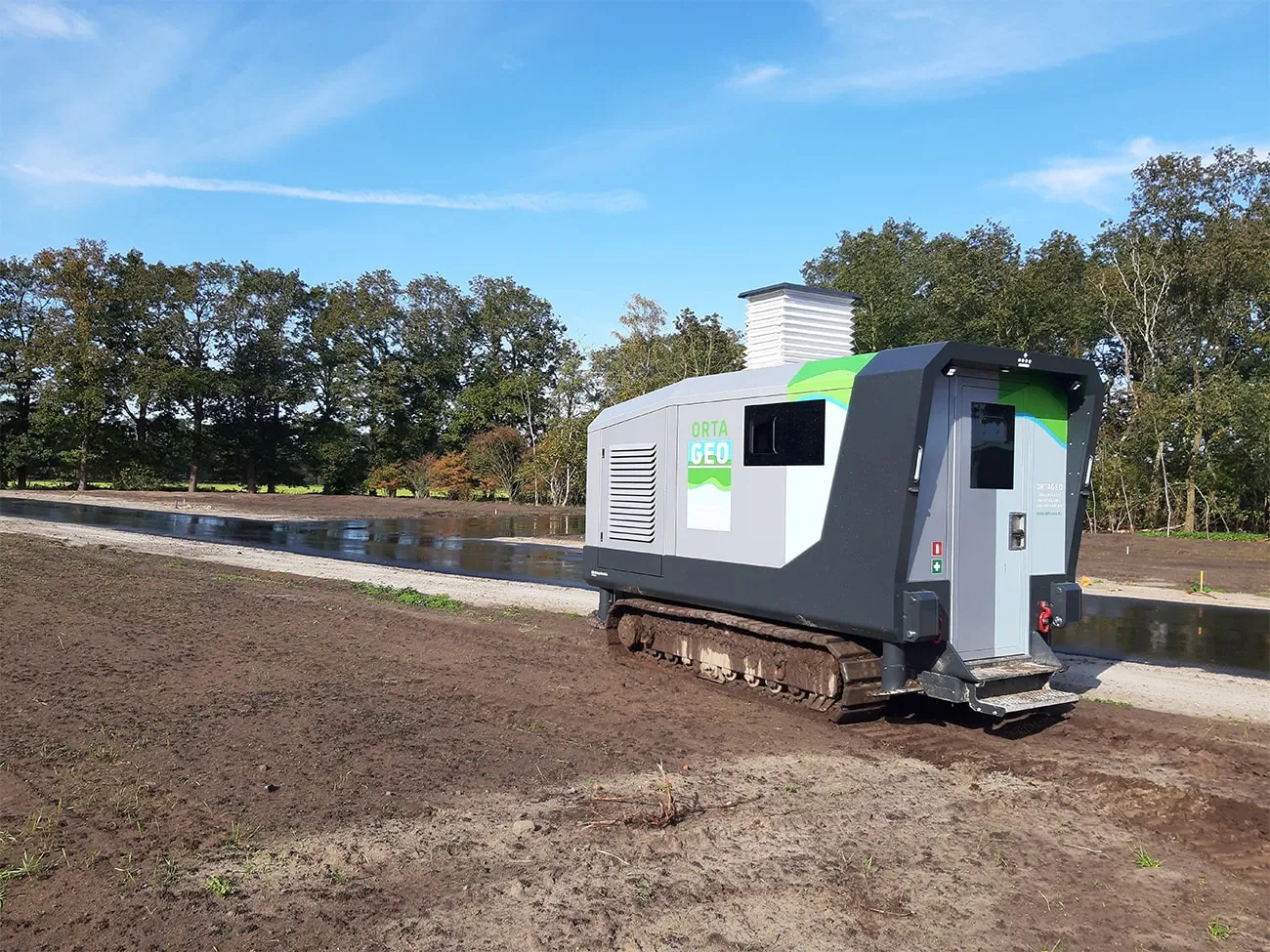
Bresser: “And that can range from a small underpass to a huge route stretching for kilometres. We take into account everything we may encounter: landowners, agricultural land, residential areas, structures or waterways. The scope can be extensive, and if necessary we divide a route into sections to keep costs under control.” Vollmuller: “Our investigations also establish which permits are required and tell you which authority to apply to. Sometimes you have to deal with three different municipalities, water authorities or environmental services. That makes things complex. Managing everything from the outset is a real advantage.”
Question about this story? Ask your question
Keep following this
Get an email when a new story is published. No account needed.
- SubjectYearbook