









Addressing societal challenges through industrialisation and product development
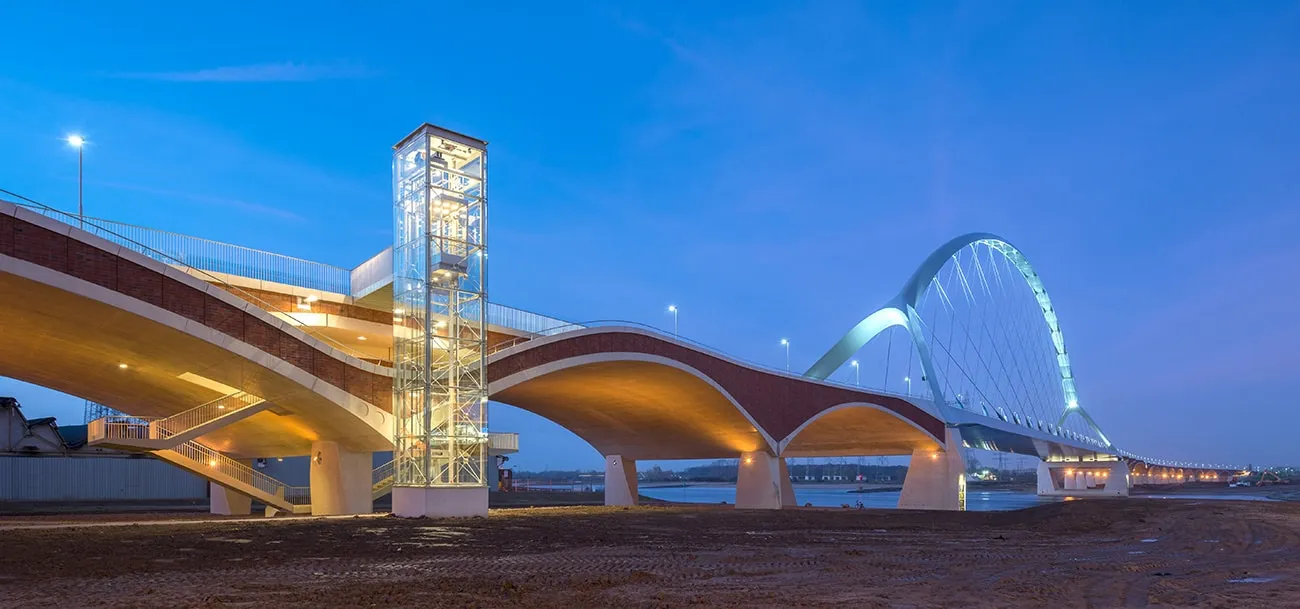
Combining the dynamism of a young company with the specialist knowledge and experience of an established group, Max Bögl Nederland (part of Germany’s Max Bögl Group) has been active in the Netherlands for more than twenty years. The company has worked on outstanding, distinctive projects such as the striking Hanzeboog bridge over the River IJssel near Zwolle, the unique Fletcher Hotel on the A2/A9, the impressive Stadsbrug bridge over the River Waal in Nijmegen, the stations on the Noord/Zuidlijn, the Albert Cuypgarage and Spaarndammertunnel in Amsterdam. Max Bögl is currently working on projects including De Entree in Amsterdam and Aanpak Ring Zuid in Groningen.
“We’re proud of all these projects,” says Mike Rijnbeek, project acquisition manager at Max Bögl Nederland. Mara Ririassa, business development manager, adds: “We tackle challenging issues with technical, innovative and tailored solutions in infrastructure, non-residential construction and energy.”
A great combination
According to Rijnbeek, Max Bögl Nederland and Germany work well together. “Because we do a lot of product development at Max Bögl, we can bring our expertise to the table right from the outset, where design freedom can add significant value.” Ririassa adds: “We’re bolder and try to think outside the box. We also work with Germany on sustainability, addressing, among other things, the MKI and LCA requirements that clients include in their contracts. It’s great to see the teams in both countries bring each other up to a higher level.”
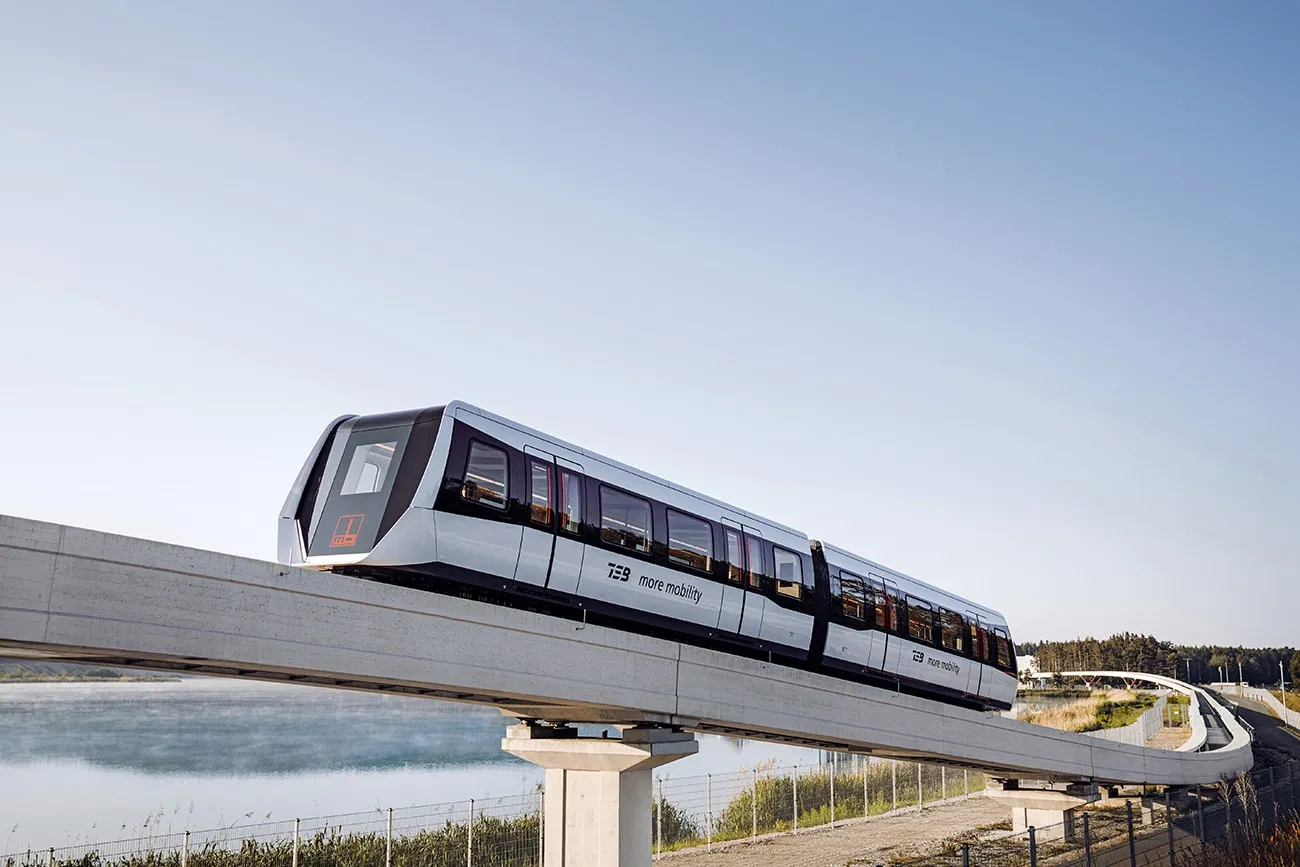
“Our added value lies in developing our own products. To respond to the major trends of sustainability and mobility, we developed the Transport System Bögl: a magnetic levitation system that operates quietly, takes up little space, produces low emissions and is flexible and reliable. This product is designed for the long term, both for passenger transport and cargo.”
Modulair Viaduct Bögl
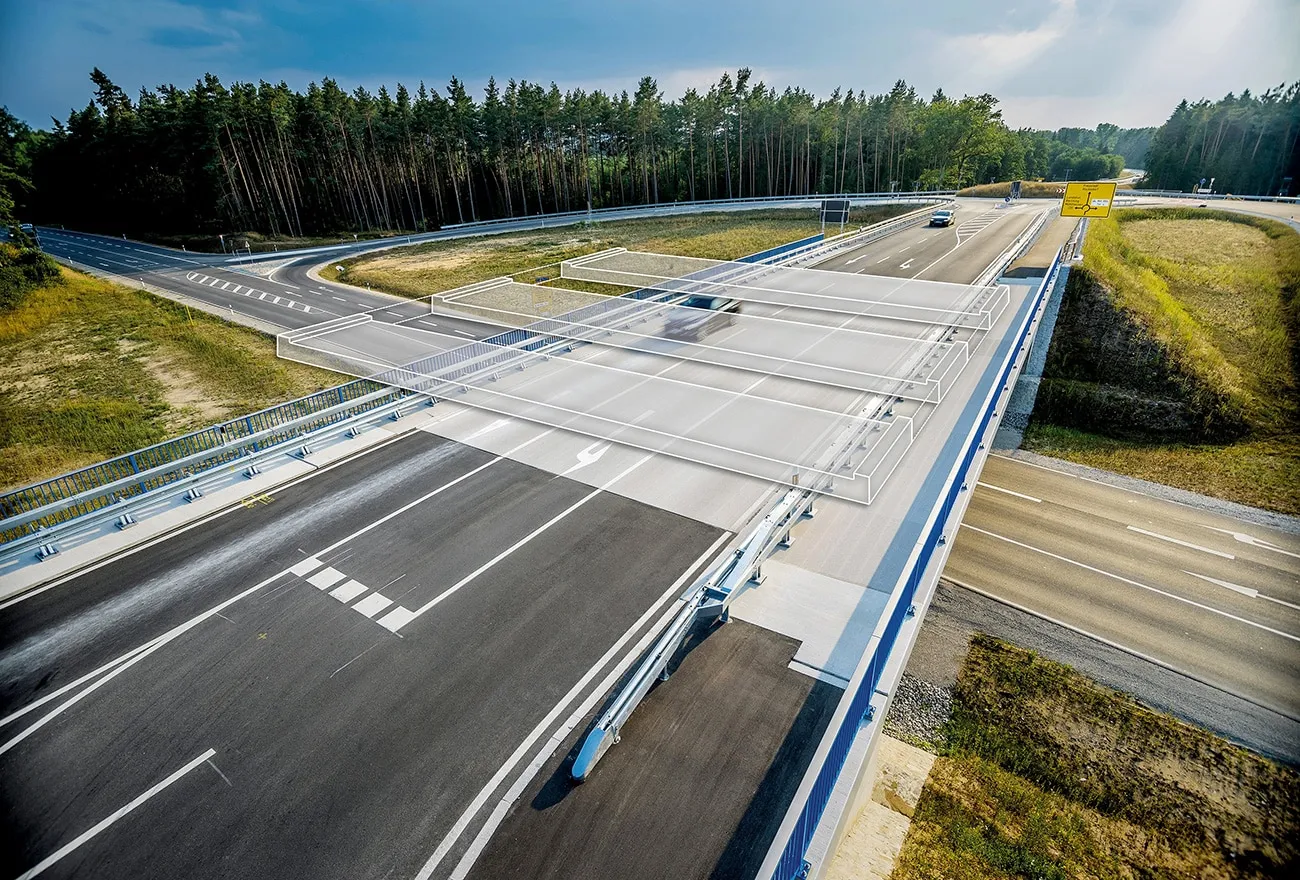
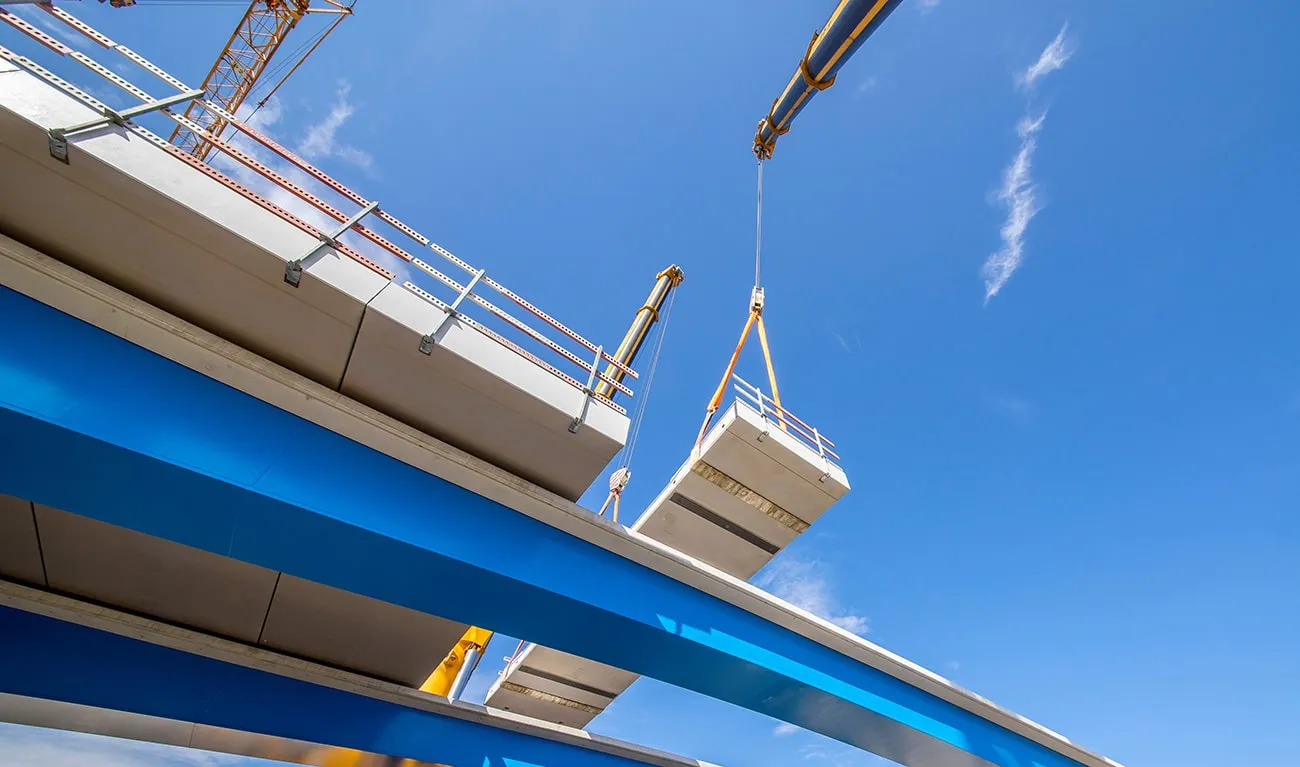
Rijnbeek also highlights the latest product innovation, Modulair Viaduct Bögl. “This product was developed in response to the sustainability trend and the major replacement challenge facing the Netherlands.” Ririassa explains that the modular, demountable and circular viaduct performs well in terms of sustainability and material reuse. “The viaduct consists entirely of standard elements selected so that it can be used at any location. The concrete deck is also modular and ready for traffic immediately, with no asphalt required. The viaduct is much more sustainable, uses less material and results in lower CO2 emissions, giving it a lower MKI score.” Rijnbeek adds: “A standardised system means faster progress and significantly shorter construction times on site. It also helps us manage the shortage of skilled workers, requires fewer materials and causes less disruption to the surrounding area. With our distinctive products and our way of thinking, we address societal challenges,” he concludes.
Question about this story? Ask your question
Keep following this
Get an email when a new story is published. No account needed.
- SubjectYearbook







