Digital validation: start early, reap the rewards
As a specialist in the integrated, multidisciplinary design and delivery of innovative applications, Soltegro makes a significant contribution to sustainable, resilient infrastructure. One of the services the company provides is digital validation. This discipline fits seamlessly with the current drive to digitalise and makes it possible to start verification and validation processes earlier during a project’s delivery phase. The benefits are considerable, including in the civil engineering sector.
During the delivery of infrastructure projects, a considerable amount of information flows in from various sources. In practice, however, structuring and processing it can often prove difficult. The data frequently conflict, versions are not properly tracked and the available information is often too fragmented to use efficiently. This is an undesirable situation, particularly for the various stakeholders who need clear, high-quality project information, especially when it comes to demonstrating that the specified project requirements have been met. “In this context, there are generally two issues,” says Sjors Both, project manager at Soltegro. “First, the various testing processes tend to lag behind the actual construction work. Second, delays earlier in the chain often leave too little time for the planned verification.”
Integration
Soltegro’s digital concept offers an effective solution. “It is essential to establish as early as possible in the construction process whether the completed asset will meet both the specified requirements and the client’s expectations,” Both continues. “That is simply because any shortcomings can then be addressed more effectively and at lower cost. In addition, the asset can be brought into use sooner after handover, as the often lengthy testing period can be shortened. Our solution provides an effective tool in precisely these areas. By linking the designs and systems under development to a simulated environment, the functional requirements for the design and software can be verified at an early stage. This not only significantly reduces the cost of failure. It also avoids unnecessarily extending the project chain and prevents the hefty fines that can result from late delivery.”
Satisfied stakeholders
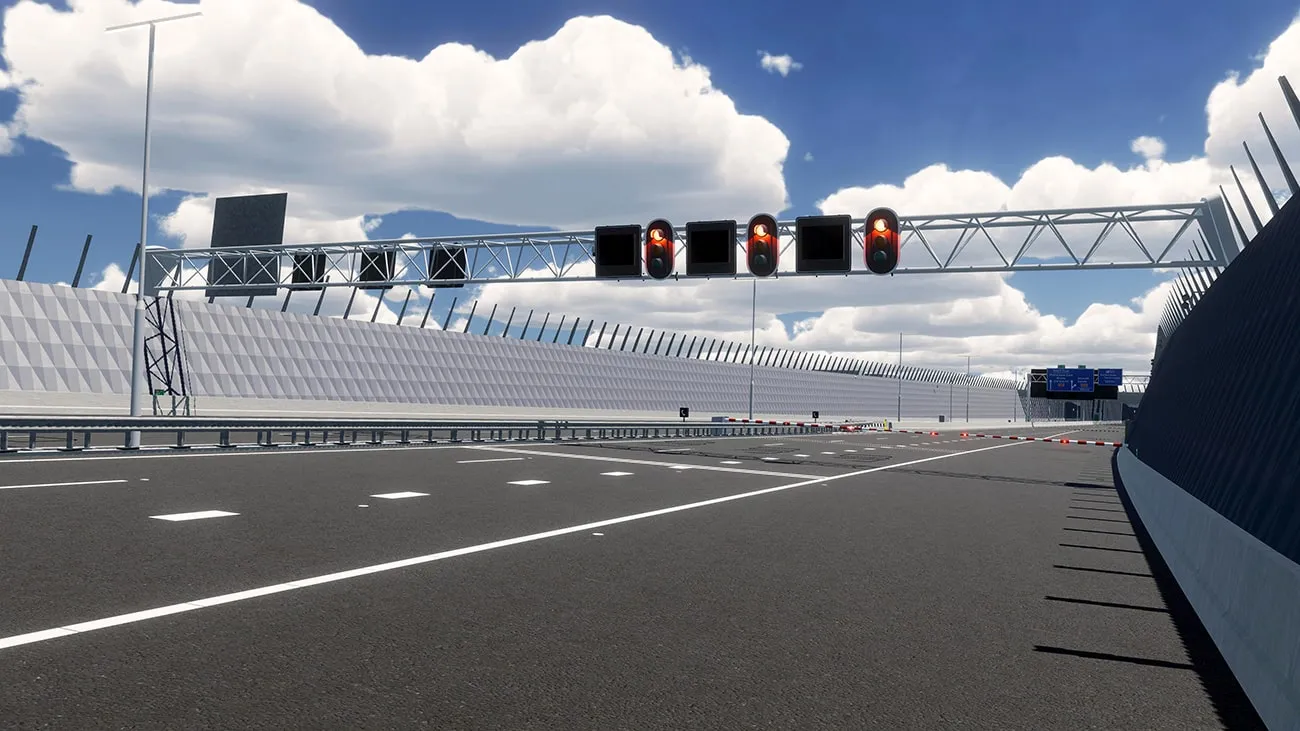
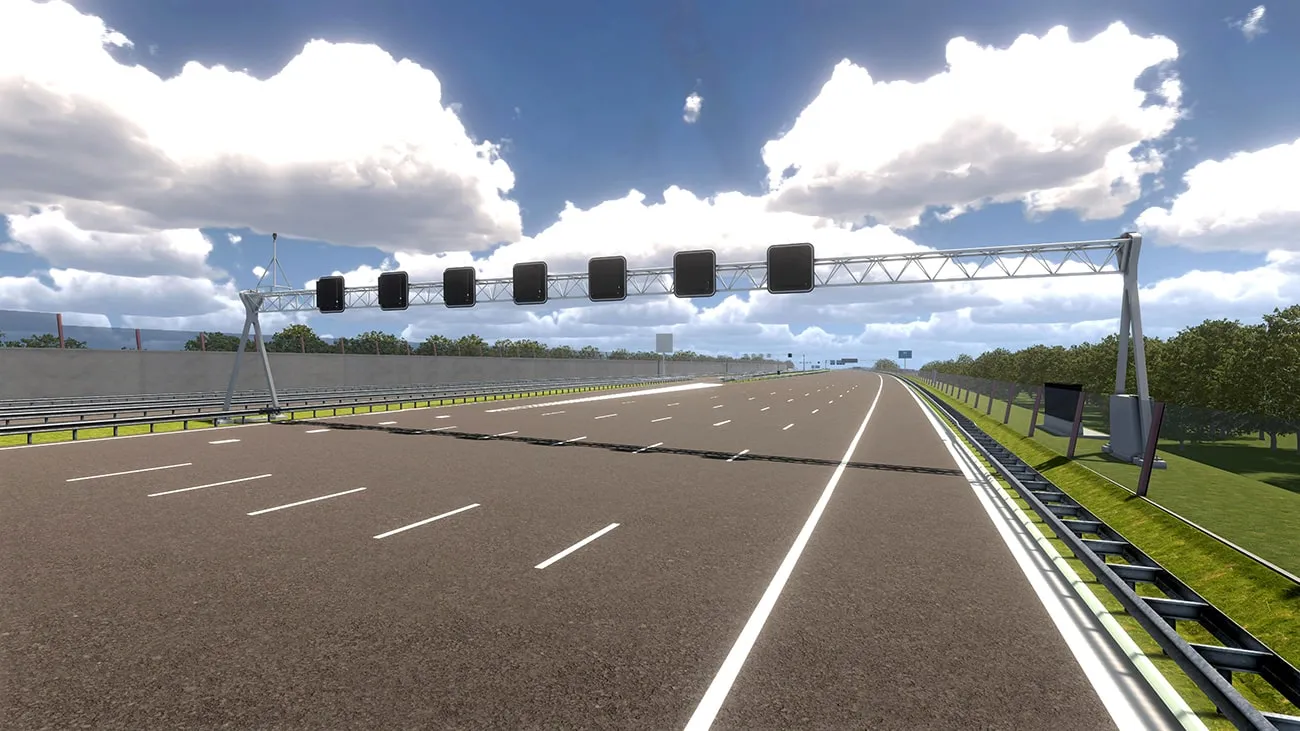
By adding a virtual 3D world to the simulated environment, Soltegro also provides visually engaging, more tangible information: the basis for effective stakeholder management. “Soltegro’s concept makes it possible to start testing earlier in the chain, long before construction actually begins,” says Both. “At the same time, automation can also shorten the overall testing period. The simulated environment and 3D world do not need to be built from scratch, as they are developed from the existing functional design and BIM information. In this way, digital validation and verification also help prevent the information from becoming even more fragmented.”
Digital validation in practice A16 Rotterdam
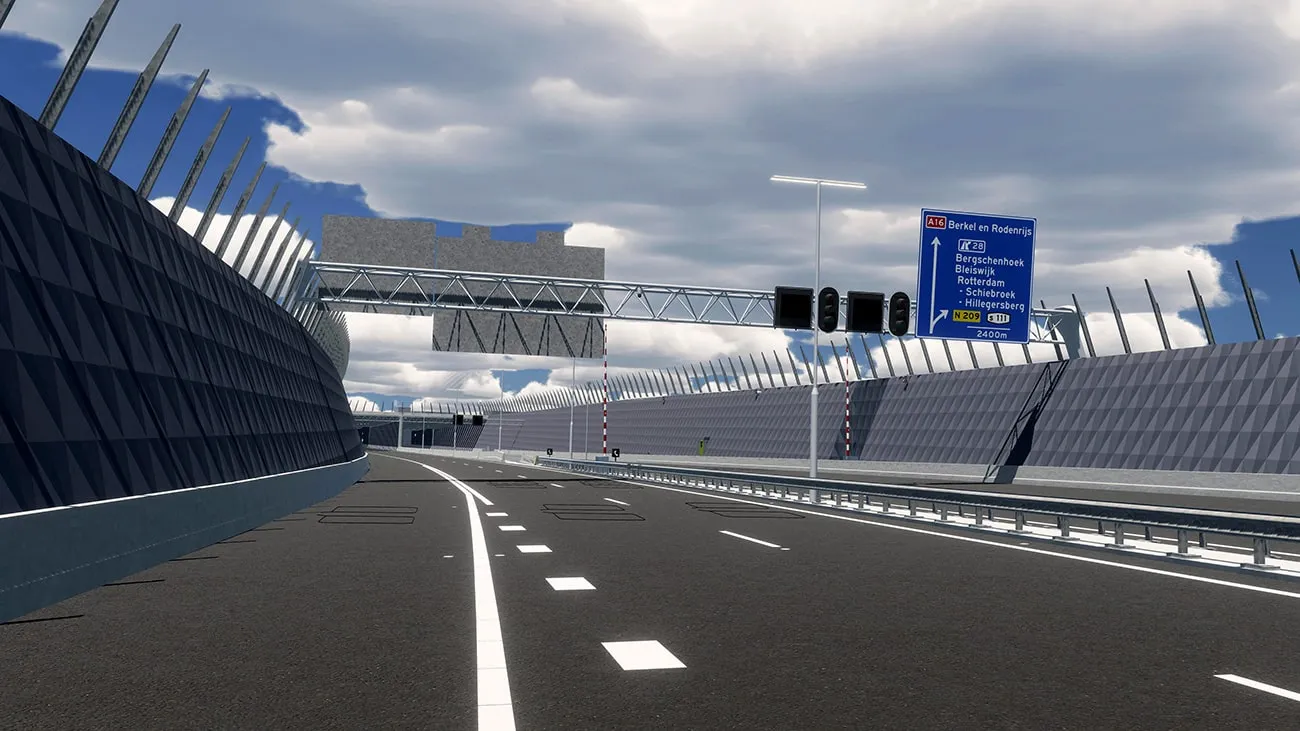
During the detailed design phase of the A16, the functional behaviour of each installation was developed and linked to the tunnel’s actual control system. From that point onwards, the tunnel could be tested, verified and validated digitally. During the construction design phase, this link was used to carry out all system tests at an early stage. Before any ground was broken, every installation had been fully tested, verified and validated digitally.
A9 Badhoevedorp-Holendrecht
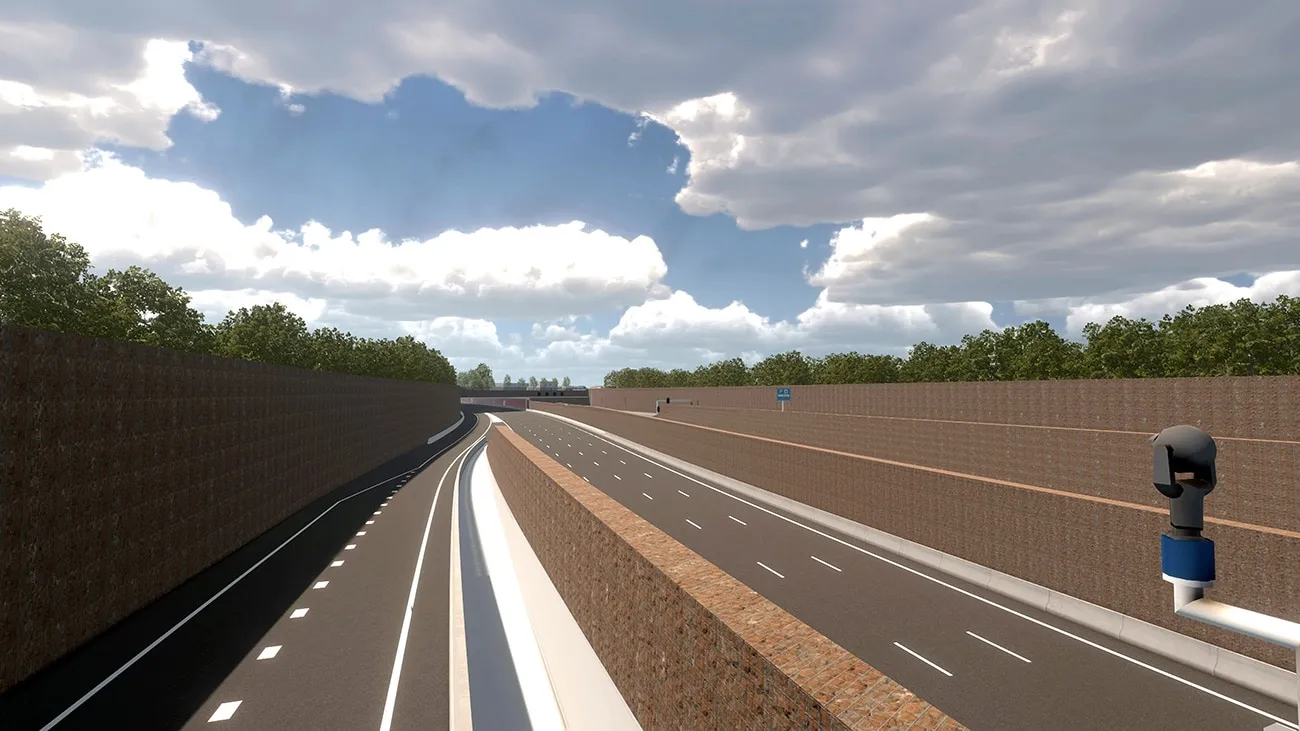
The A9 between Badhoevedorp and Holendrecht is being widened and constructed as a sunken road in several phases. Using BIM information together with its own camera plan validator, Soltegro mapped the entire route in a short time. The positions and presets of all cameras to be installed during the various construction phases and in the final layout were then digitally validated. This ensures visibility of the road during and after construction, resulting in lower costs.
A business enquiry for Soltegro? Get in touch
Companies in this story
Keep following this
Get an email when a new story is published. No account needed.
- SubjectInfraTech
- CompanySoltegro