No one will shed a tear when paper and outdated, visionless software are gone

Revolutionary change often comes with a difficult farewell to what was once the standard. This digital revolution in construction is different. No one in civil engineering is likely to shed a tear over the disappearance of paper and outdated, visionless software. The arrival of an entirely new generation of construction software is already drawing cheers and a warm welcome, a welcome relief at a time when businesses are being asked to do more and more. What is going on?
A revolution in construction software is under way
Margins are under pressure. Companies are too slow to act and do not have sufficiently up-to-date figures. From the accountant to the site team, there is too little visibility of what is happening between estimating, project delivery and invoicing. Post-project costing is not done, is done too late or is carried out in separate Excel spreadsheets. The immediate result is that future estimates cannot be managed effectively, making them increasingly time-consuming and costly. Fortunately, this is changing, and dramatically, thanks to software.
Overwhelmed by the software market, it is time for a change
Many business owners feel overwhelmed by the software market. Suddenly, it seems everyone can build software, and the sheer volume available online speaks for itself. But the quality and vision behind what is currently on offer are open to question. What does it actually deliver for business owners? Unfortunately, most software packages have been designed with a short-term outlook, as reflected in their complexity and the difficulty of integrating them.
Fortunately, that change is happening, in the shape of Softwareshaker, a new entrant that draws on 15 years’ experience in construction software to help business owners make informed choices.
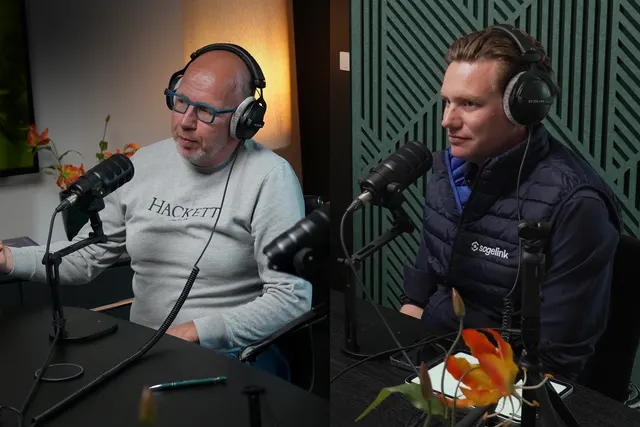
Softwareshaker, the company founded by entrepreneur Arjan Vlieger, distributes and implements a comprehensive platform originally developed in Belgium for the construction and infrastructure sectors. Its defining features are a focus on the quality of every line of software code and on the vision of its creators. Vlieger says: “Put simply, there is a shift under way from cumbersome, outdated software to flexible platforms that allow data to flow freely and people to work intuitively. Softwareshaker is right at the heart of that shift. I champion the interests of business owners, who now face difficult choices when it comes to software. I have built up around 15 years of experience in the field and, fortunately, by now I know most of the software packages out there.”
Wasted time is no longer acceptable, not even in construction
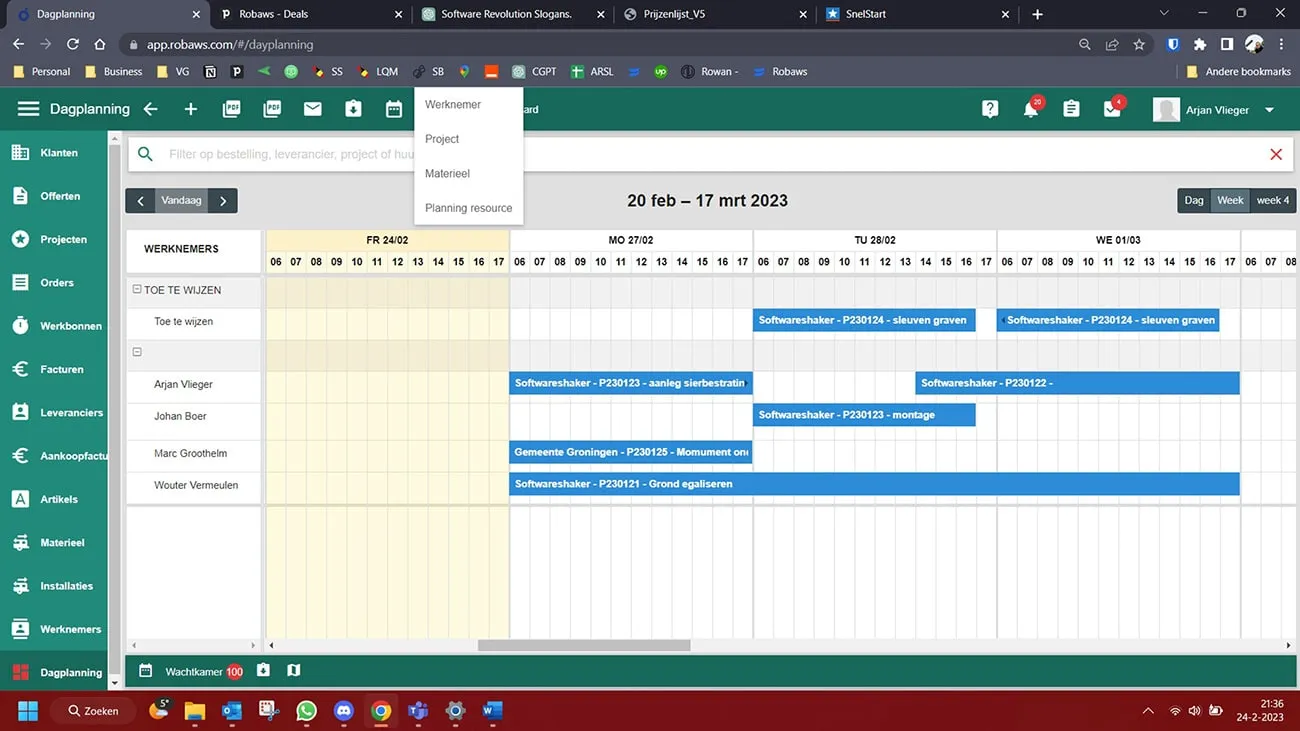
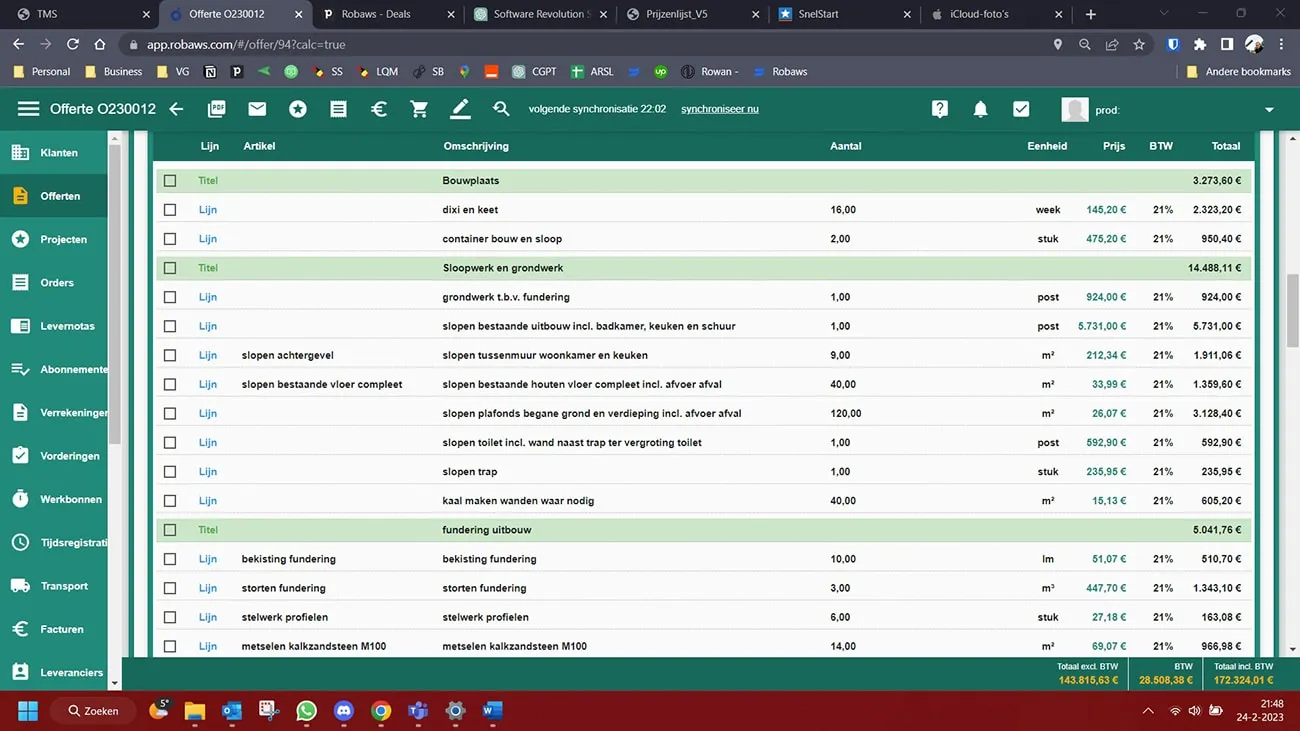
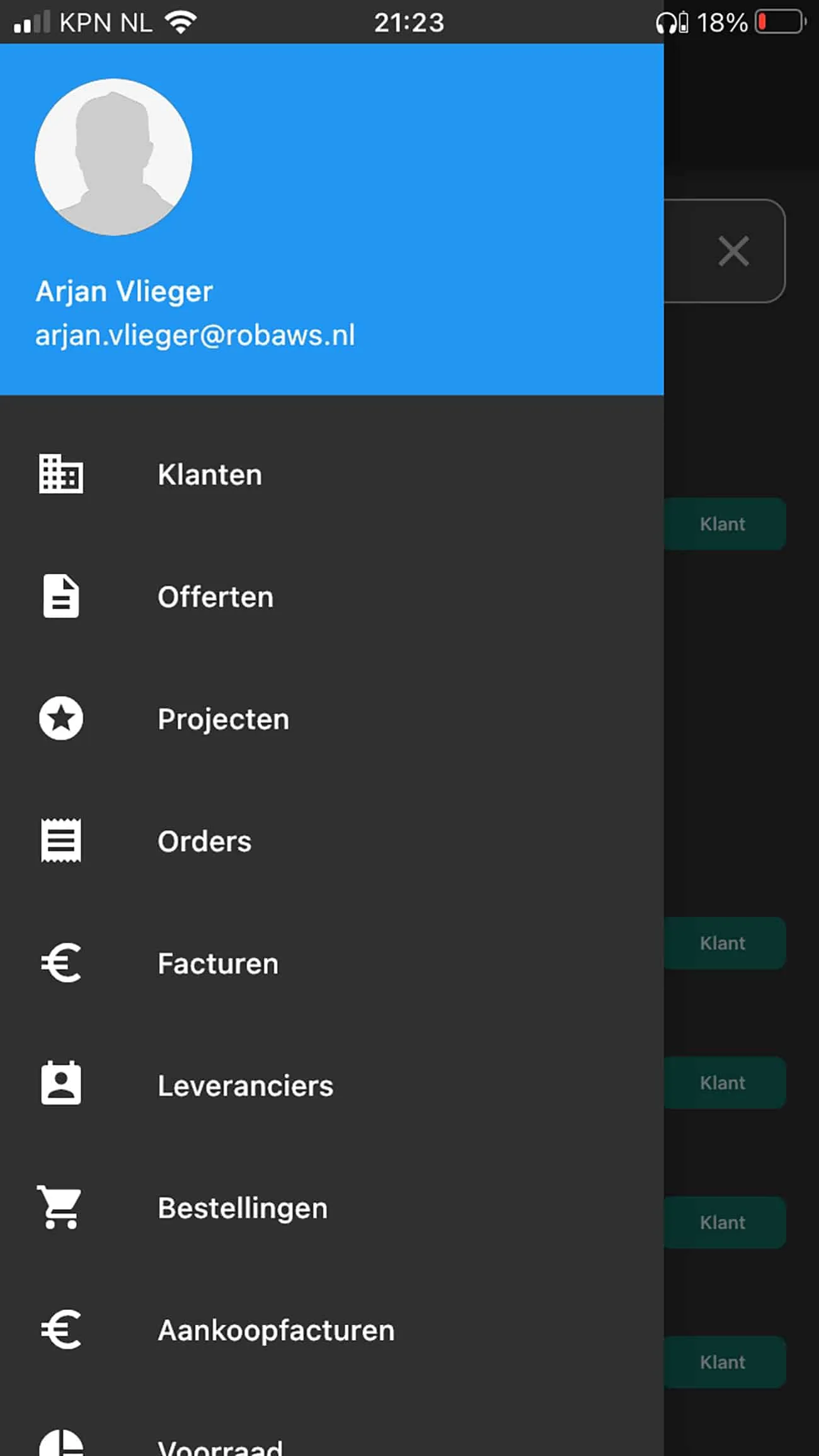
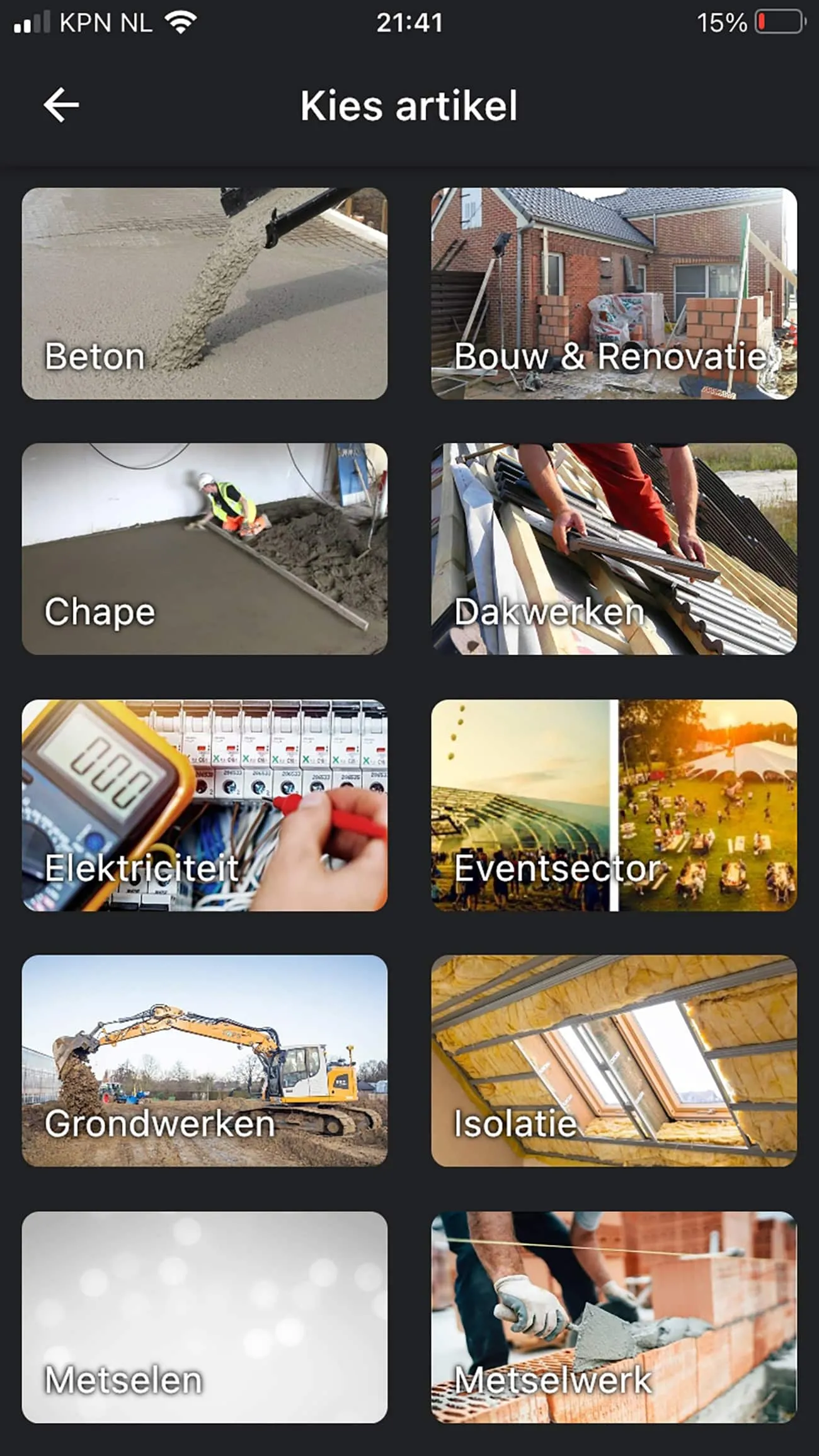
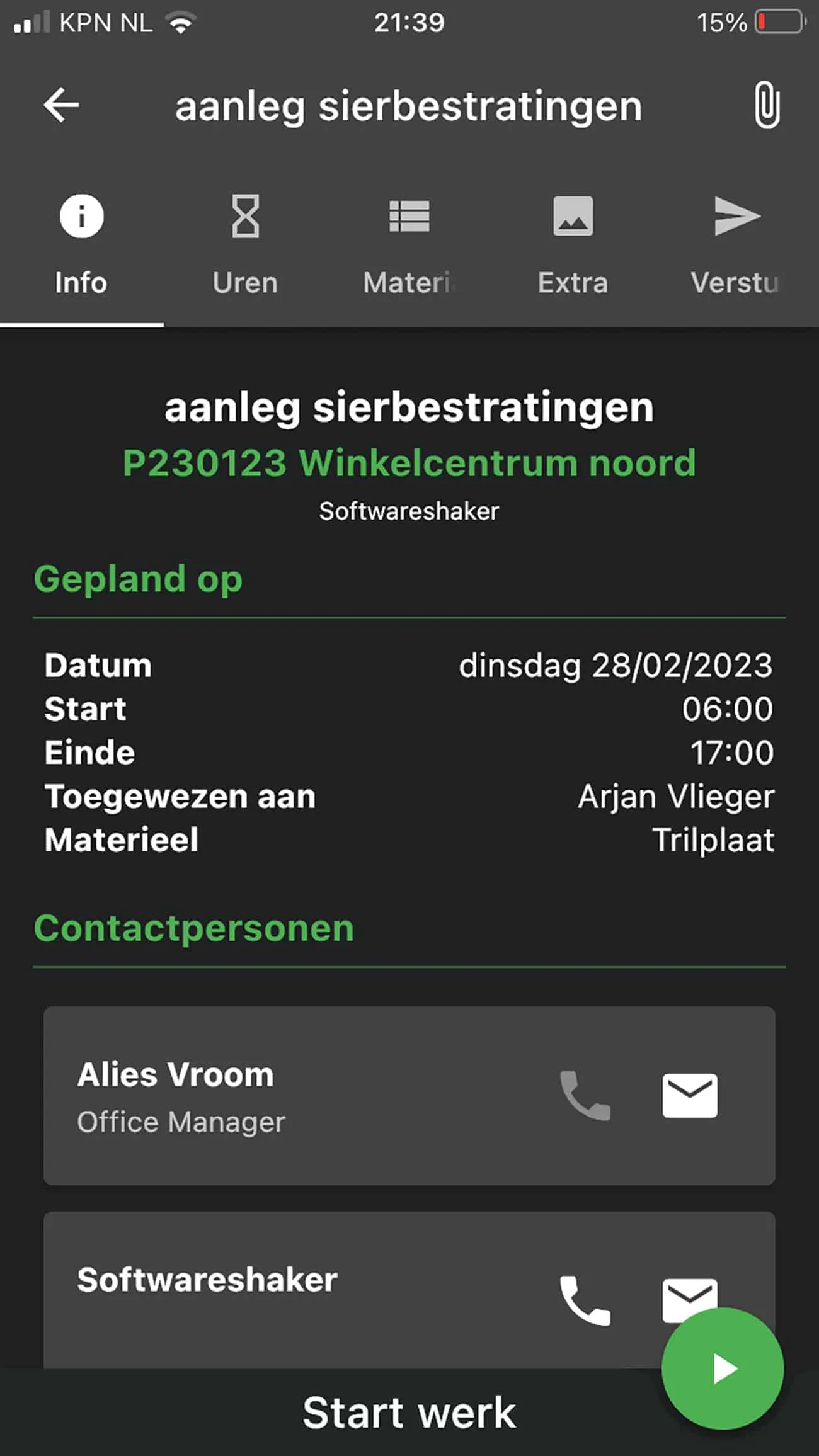
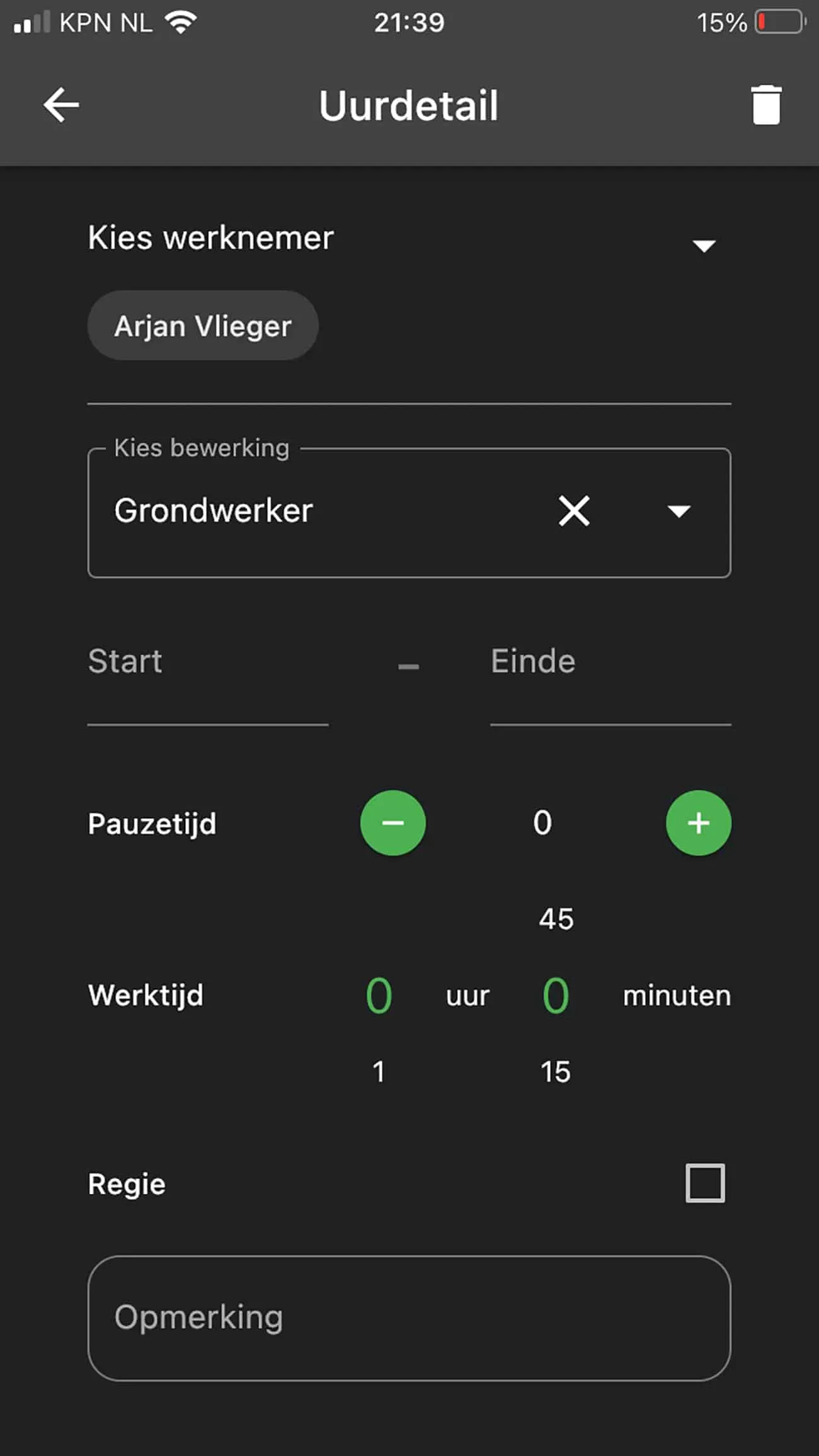
In the Netherlands, Softwareshaker is bringing companies Robaws business administration software, among other products: a comprehensive platform for the construction sector. Robaws brings unprecedented flexibility to purchase and sales invoices, customer management, estimating, quotations, projects, staff, equipment and project planning, job sheets, purchase orders and daily labour reports. The software itself is exceptionally intuitive and easy to use, and the ease with which its different modules can be connected is equally striking. It all works effortlessly.
No complicated business on site, just get started
“Simplicity is my golden rule,” Vlieger continues. “Other software providers often combine systems that do not work as well together by design, because a degree of complexity remains. It comes down to the code and the technology, not what you might think at first glance. It is all about the vision, the software code and the person behind it. Visionary Michael van Robaeys, the man behind Robaws, and his team have spent the past eight years working hard to develop a comprehensive platform. And they have succeeded. When people are out on a construction site and need to enter information in the Robaws app, you want it to be genuinely intuitive. No complicated business and no intensive training beforehand. Just get started. This software makes that possible.”
Vlieger says it is not easy to build simplicity into a system. There are very few packages whose creators have genuinely made simplicity a priority. Finding the right one is therefore the first step. Softwareshaker’s main aim is to help business owners choose the software that best suits their needs. We also give users the tools they need to work with it.
Most companies simply no longer know which option is best
Is ‘revolution’ too strong a word? Just look at what is available on the market and the enormous growth in the number of products. Companies are choosing software packages in droves, only to rethink their decision later. One complaint we hear too often is: “The package is not quite right for us and does not integrate smoothly with other systems.” Another familiar one is: “I have to click too many times to get anything done in the software.”
Huge amounts of information about hours, costs and much more are simply retyped from one system into another. As a result, for example, it can take days to get an overview of hours worked. There is not enough learning from completed projects to make estimating much easier and faster. Tracking the location of mobile equipment is either done manually or locked into a software solution that cannot export data to the accounts or the post-project costing system.
“We’ve always done it this way” is no longer an excuse for sticking with cumbersome software. Its capabilities have become too limited to meet today’s challenges and competition. The developers have put a great deal of effort into making Robaws intuitive, so that the transition to apps and dashboards is straightforward for people on the shop floor and on construction sites too. This also makes Robaws easier for employees to adopt.
Open to collaboration
Robaws is a software company that is open to working with international and local businesses, including those in neighbouring country the Netherlands. It does not want to build everything itself. For example, it is looking at ways to import payroll records and RAW specifications. One of Softwareshaker’s roles is to bring the best providers together, giving business owners and other stakeholders access to the best tools. Tools that can be integrated with one another. The market is also calling for dashboards that can provide early warnings or show where things stand today. The government, too, is asking for information from the construction sector.
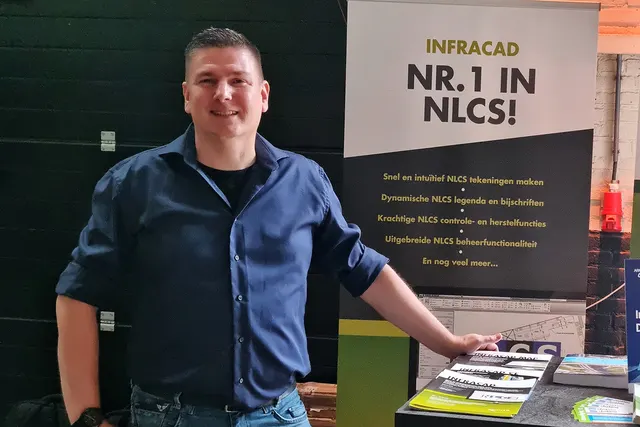
Vlieger says: “At the most recent trade fair, I met one or two people with future-proof software who were willing to integrate it with Robaws. I would call that open attitude revolutionary too. The days of the classic software industry’s silo mentality are over.”
A Robaws user speaks: “Calculate a complete quotation in five minutes”
Ask companies where this small-scale software revolution has already taken place, at least in part, and you will hear plenty of enthusiasm. One earthworks contractor, whose name is known to the editors, said: “Since Robaws came along, we’ll soon be able to calculate a complete quotation in five minutes.” When Softwareshaker implemented the new software, the company took the opportunity to update its project prices and other information too, bringing about a huge improvement. It can be that simple, even for a company that until recently was still using paper job sheets.
From software development to on-site services
As noted, Robaws develops software for administration and project management in construction. More than six hundred construction companies already use it, which says a lot. It is worth noting that only just over a third of Dutch civil engineering companies currently use digital job sheets at most. The majority are simply not there yet, but under current circumstances that is bound to change quickly.
Immediate benefits of the digital revolution for civil engineering:
• Farewell to rigid software solutions and contracts.
• Farewell to siloed systems, including separate software and standalone apps.
• Farewell to paper and old, cumbersome, disconnected software.
• Farewell to manually transferring data or retyping information from paper or apps.
• A clear, all-in-one tool for project management, quotations, invoicing, purchasing, stock, planning and digital job sheets.
• Significant time savings.
• A clearer central overview of hours, costs, equipment, tools and locations.
• Faster employee adoption thanks to intuitive apps and dashboards.
Question about this story? Ask your question
Keep following this
Get an email when a new story is published. No account needed.
- SubjectDigitalisation & software