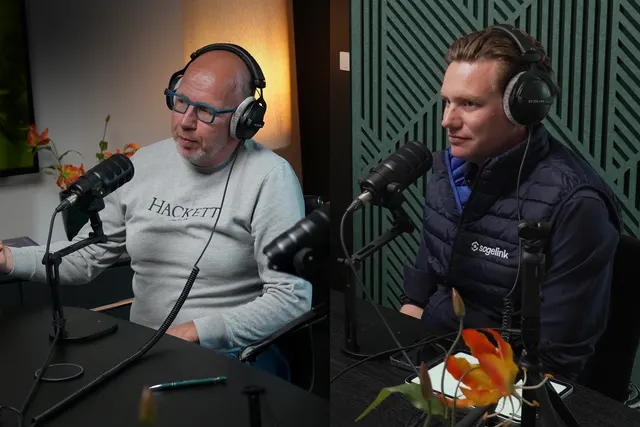
Jennifer Regales and Hugo Warbout (Stedin) on the Dutch CAD Standard: “With the NLCS, we all speak the same language”
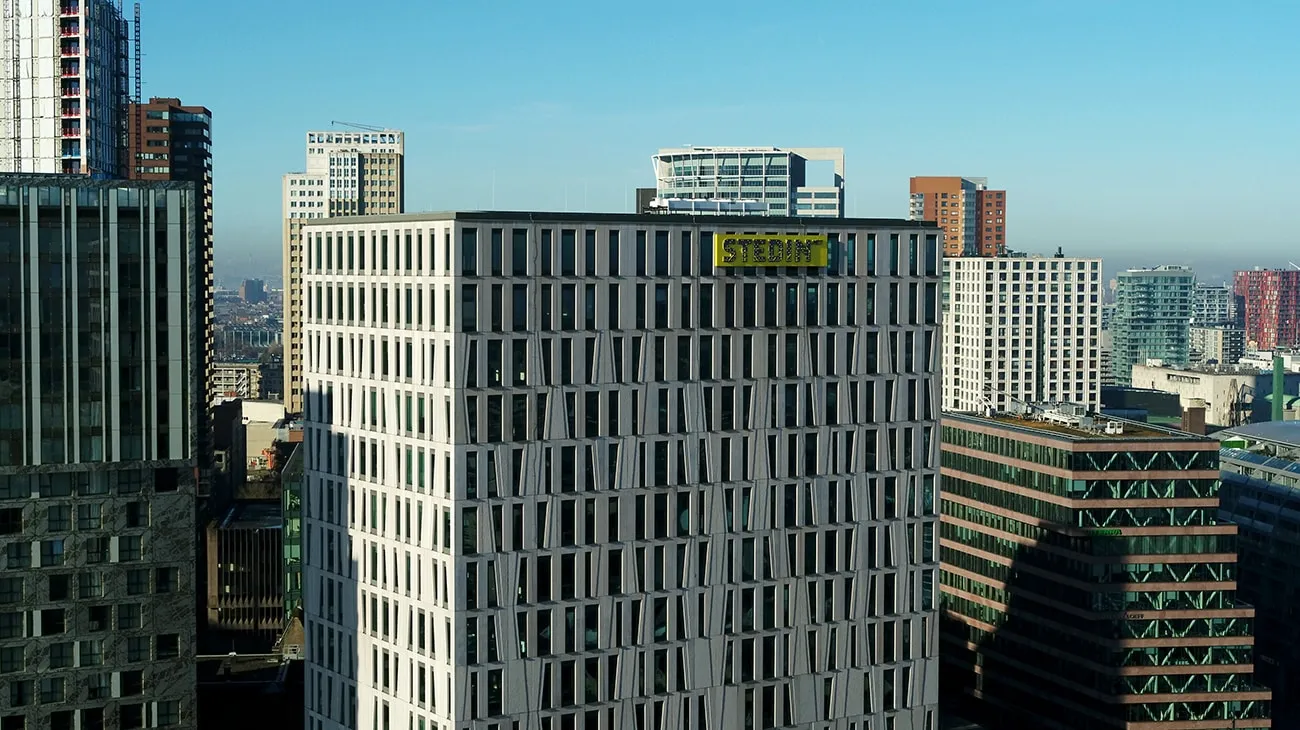
Stedin is preparing for a significant change in its way of working. The network operator will soon be moving away from its own drawing standards and adopting the Dutch CAD Standard. The company sees this transition as a step towards the future, where consistent, unambiguous drawings will deliver major benefits.
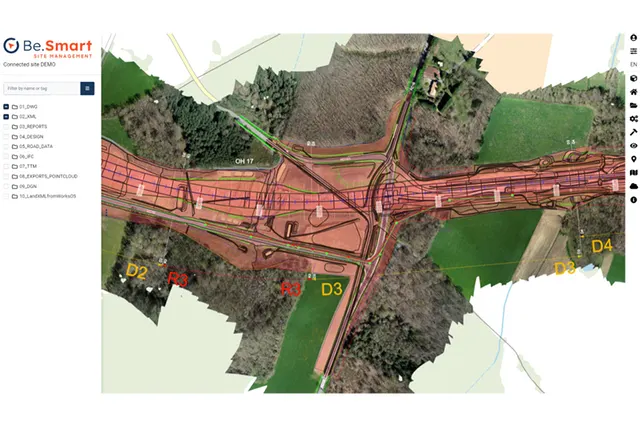
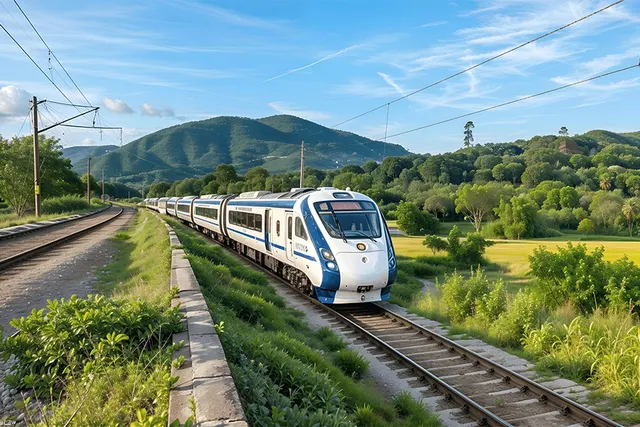
“We’ll be using the NLCS for many of our activities,” says Hugo Warbout, Tracé Engineer Zakelijk Complex, a department specialising in business networks operating at high voltage. “This includes the installation, maintenance and repair of low-, medium- and high-voltage networks, as well as gas pipelines and telecoms cables.”
Four become one
Until now, Stedin has worked with four different drawing standards, a legacy that stems in part from the company’s origins as a merger of several network operators. “Using different standards isn’t ideal,” says Warbout. “It can cause confusion externally, but also internally, for example when colleagues step in to help another department or work in another region. We want to adopt a single, consistent way of working across Stedin, both internally and externally. And since the NLCS has been the leading drawing standard in the civil engineering sector for some time, the choice was not a difficult one.”
The same language
Warbout points to the stance taken by local authorities, for example, which require the NLCS as a mandatory drawing standard. He understands the reasoning: “The ground is becoming increasingly crowded with cables and pipelines, so it’s important to work carefully. Imagine we need to lay a new route in an area where the water network operator also wants to install a transmission pipeline. The authorities will require us to work together so that the ground only has to be excavated once. In that situation, we need to be able to read each other’s drawings without first having to ‘translate’ them. That makes us quicker and reduces the risk of errors. After all, we all speak the same language.”
A higher level
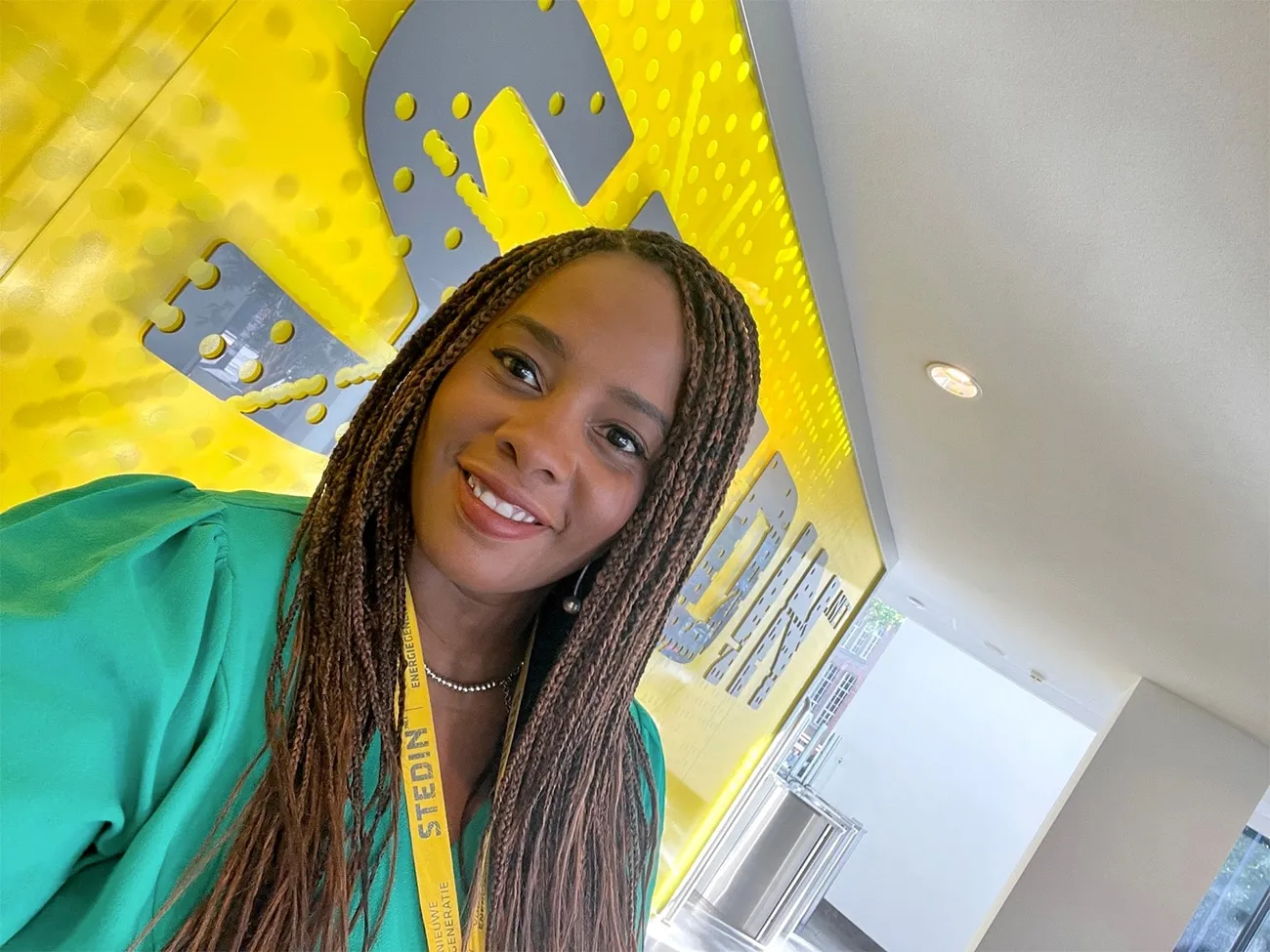
Jennifer Regales, project manager Operations Support, responsible for supporting Stedin’s four operational chains, also cites consistency as the main benefit. “Drawings in NLCS format are easy to exchange. That’s an important reason for us to communicate in one and the same language from now on. It will take the quality and reliability of our projects to a higher level.”
Training and support
Arkance Systems is supporting Stedin employees as they implement the NLCS. Regales says: “They’ve been involved since the design phase, helping us set up the NLCS properly within our organisation. Their support with implementing the NLCS is also a testament to the strength of our partnership.” Warbout adds: “We already know Arkance Systems through the software licences we buy from them, such as those for InfraCAD. We’re very happy with them. For example, Arkance Systems really listens to feedback and suggestions. You can also count on every update or implementation being a genuine step forward. Another advantage is that they work with other network operators. So they understand the challenges we face and can respond to them effectively.”
Advanced library
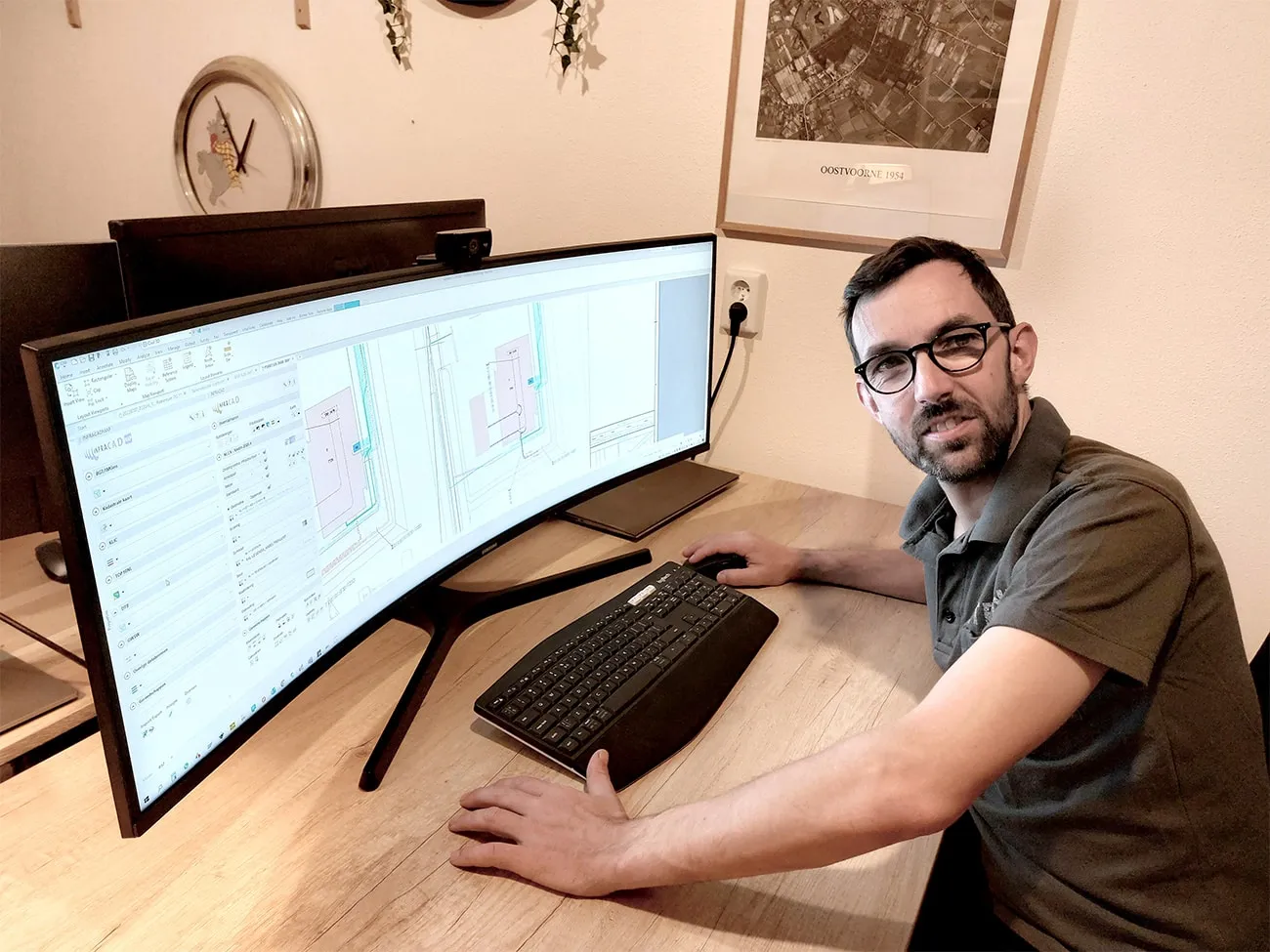
Warbout cites InfraCAD’s flexible, ‘living’ library structure as one of its advantages. Although the standard NLCS library is extensive, it does not meet all of Stedin’s needs. Warbout explains: “For example, the NLCS includes symbols for different voltage levels, but not for the various gas pressure categories. We’re now working with Arkance Systems to find a solution. This is an important point for many colleagues. Of course, we’re excited to be able to work with one consistent drawing standard, but we also want to retain our advanced design capabilities.”
A clear legend
According to Warbout, other benefits of using NLCS with InfraCAD include the ease of importing KLIC notifications and automatically generating a clear legend. “Our own legend includes every symbol we use, even though most of them don’t appear in the drawing in question. That creates a large block of information that can look quite overwhelming. With InfraCAD, you can create a legend at the touch of a button, showing only the symbols used. That makes your drawing much clearer and cleaner.”
Building support
Building support for the NLCS is a careful process. Regales explains that a group has been formed with colleagues from across the company. They share information about the NLCS with their teams, explain what it involves and answer questions. The NLCS is now ready to launch at Stedin: the software is ready to be installed, and once the final user-level information sessions have been held by Arkance Systems, the long-awaited efficiency improvements can be rolled out. “Am I looking forward to it? Absolutely,” says Warbout. “The NLCS brings clarity. You get better drawings with less effort and a lower margin of error. From now on, it won’t matter which of the colleagues responsible produces a drawing, and we’ll all speak the same language.”
NLCS
The NLCS (Dutch CAD Standard) is a uniform drawing standard for civil engineering. Information in an NLCS drawing is unambiguous, complete and clearly structured. This makes drawings easy to exchange, reduces the risk of errors and helps the entire civil engineering supply chain save costs. The NLCS is a BIM Level 1 standard and is managed by BIM Loket.
About Arkance Systems
Arkance Systems is a European organisation of specialists that supports organisations in their digital transformation towards BIM and Industry 4.0 with a comprehensive portfolio of hardware, software and services. With three offices (Almelo, Oss and Veenendaal) and almost 100 employees, Arkance Systems is the largest Autodesk specialist in the Netherlands for construction, infrastructure and manufacturing.
About Stedin
Working together to create a world full of new energy: that is Stedin’s mission. Stedin is the independent operator of the gas and electricity networks across most of South Holland and the provinces of Utrecht and Zeeland. Stedin ensures that more than 2.3 million domestic and business customers have the energy they need to live, work and do business. At the same time, Stedin is working towards a sustainable energy system that will remain reliable and affordable in the future. Our service area is predominantly urban and industrial. The energy infrastructure in this region is complex, and reliance on energy is high. Stedin has more than 4,000 employees and is headquartered in Rotterdam.
Een zakelijke vraag aan Arkance Systems Nederland? Get in touch
Companies in this story
Keep following this
Get an email when a new story is published. No account needed.
- SubjectDigitalisation & software
- CompanyArkance Systems Nederland