Digital engineering: paving the way for a more efficient, effective and cost-saving design approach
Text Chris ElbersImage Soltegro
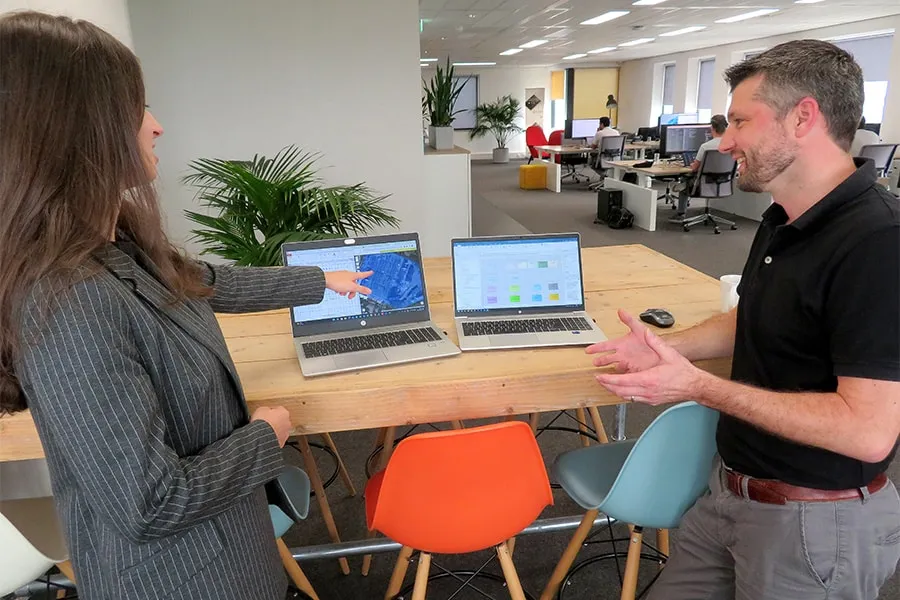
Soltegro specialises in the integrated, multidisciplinary design and delivery of innovative applications. Through this core activity, the company makes a major contribution to sustainable, resilient infrastructure. One of the services it provides, and an area on which the company is placing ever greater focus, is digital engineering. A widely deployed foundation that significantly improves the design and management of projects and systems, resulting in a streamlined, cost-saving automation process.
Digital engineering focuses on the use of digital technologies and methods in the design, modelling, analysis and management of complex systems and projects. The service combines traditional engineering principles with advanced digital tools and software. The aim is clear: to make processes both more efficient and more effective. A team of specialists at Soltegro works intensively on this every day. In fact, digital engineering has been one of the company’s key priorities for some time. According to co-managing director Franc Fouchier and systems architect Rob de Jong, this strategic direction is driven by pressing necessity.
Poor integration
“What we are seeing at the moment is that the tools and models brought in by the various design disciplines do not integrate well,” says Frank. “Whether it is civil engineering, IA&E, mechanical engineering or steelwork, each discipline uses a different toolbox. When these disciplines come together in practice, this results in a great deal of duplicated information and manual work to keep the various models up to date. It also leads to inconsistencies between the different model versions. This is an undesirable situation that creates significant risks when keeping design information current, both during the delivery phase and, especially, during use, management and maintenance. The problem is only getting worse as systems become more complex. Action is therefore needed, particularly to improve collaboration and communication.”
A comprehensive approach
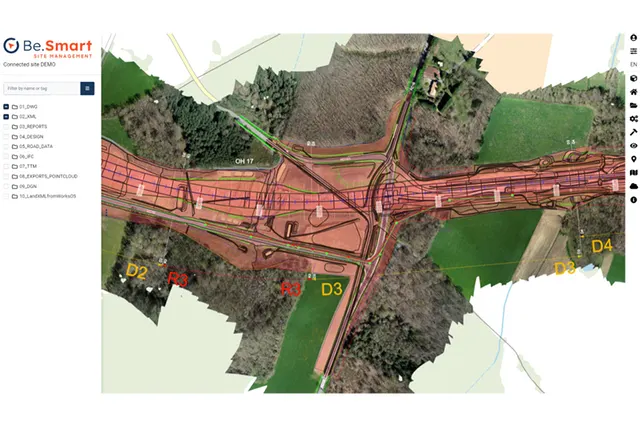
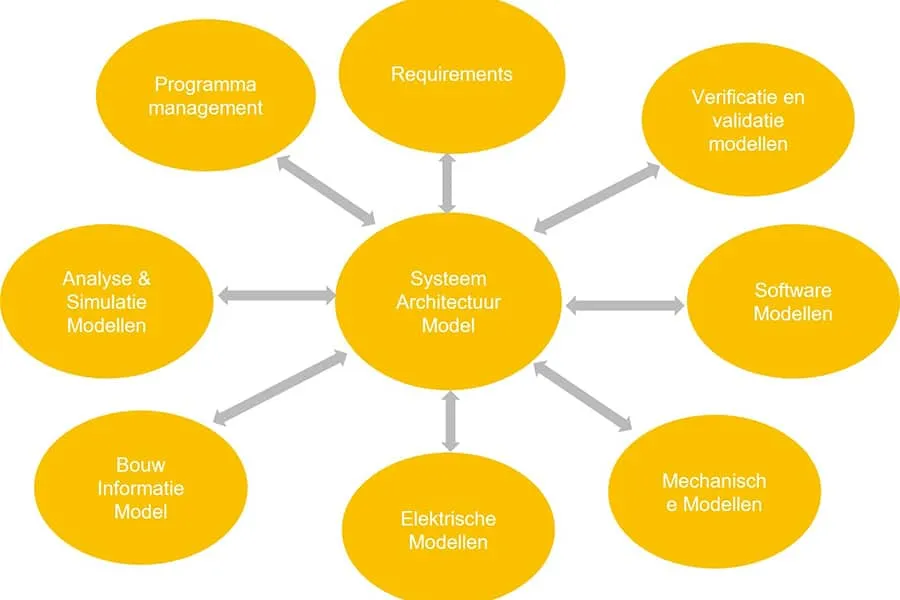
According to Soltegro, digital engineering is the solution. Rather than placing all project information in one complex, large-scale monolithic model, the model scope is divided into a series of smaller models. Rob says the key is then to clearly define and maintain the formal relationships between them. “When you integrate the models from the disciplines involved through these formal relationships, you work together towards a comprehensive understanding of the system and create opportunities to automate a number of design tasks. This leads to greater efficiency, effectiveness and cost control during system design and maintenance. It is important, however, to consider not only the technical scope of a project, but also to take logistics and construction phasing into account as a whole. Only then do you have a comprehensive framework that can make optimal use of new digital tools such as AI and Virtual Reality to support design, delivery and operation. This benefits everyone involved in the project.”
A business enquiry for Soltegro? Get in touch
Companies in this story
Keep following this
Get an email when a new story is published. No account needed.
- SubjectDigitalisation & software
- CompanySoltegro