Digital asset monitoring is about people
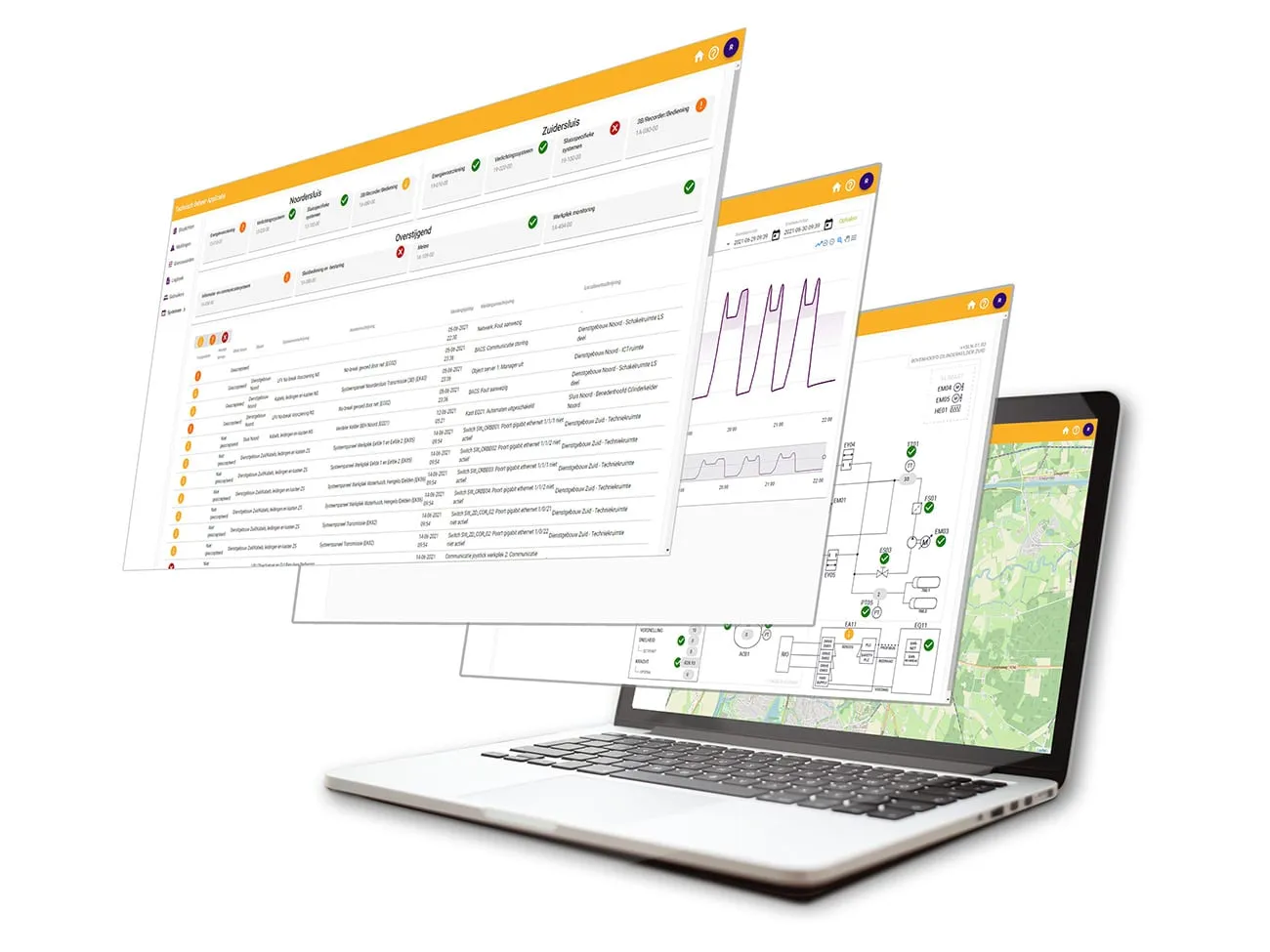
For many years, Soltegro has been a leading specialist in the integrated, multidisciplinary design and delivery of innovative systems and software for the civil engineering sector. The company sees technological developments and changes following one another at an ever-faster pace, with enormous impacts on society. This digitalisation is driving an explosion in data, with huge potential for developing new solutions. One example is asset monitoring, a core discipline within digitalisation that provides a comprehensive insight into the availability and continuity of assets and their underlying systems and technical installations.
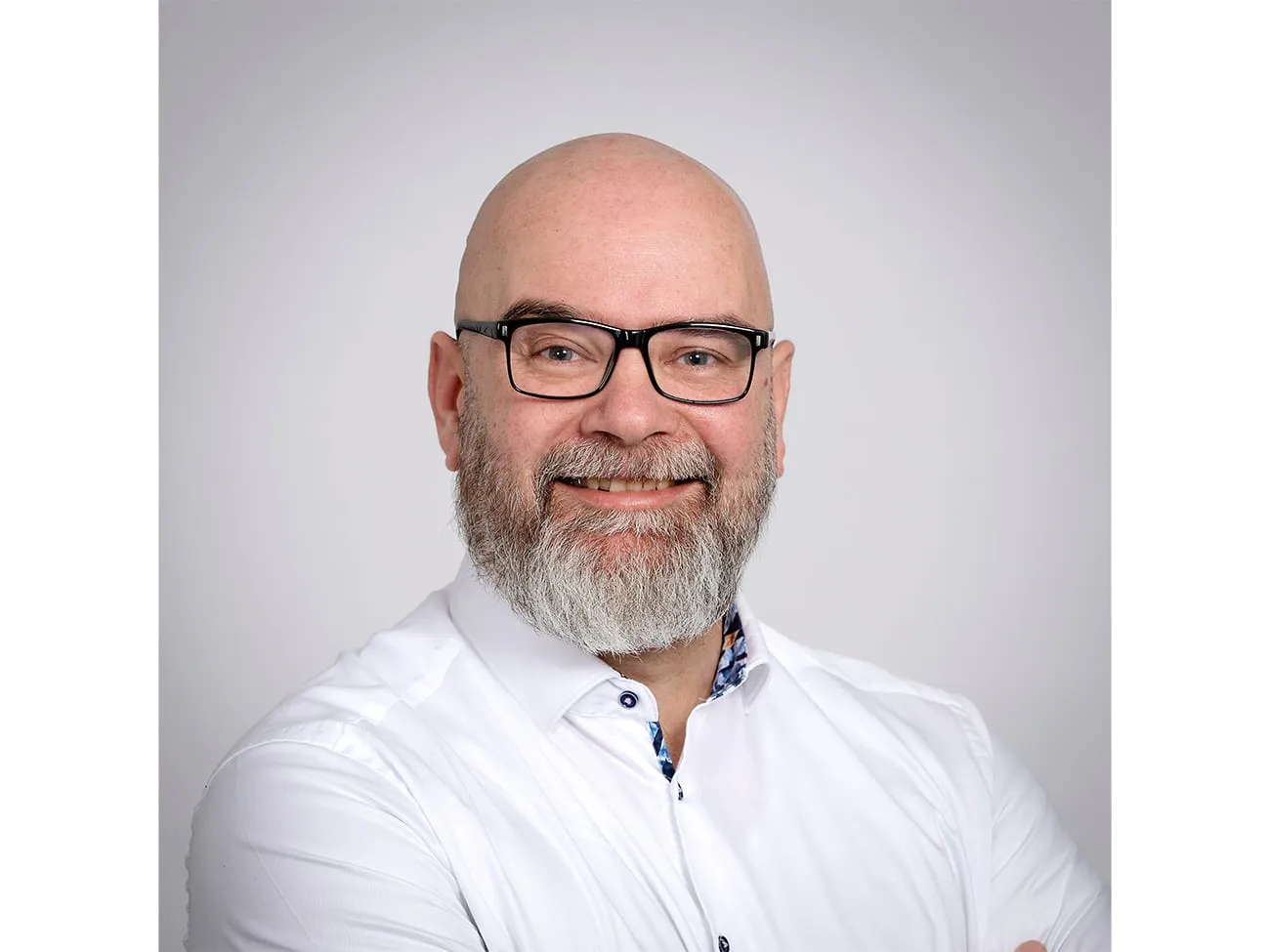
“Although some people are cautious about digital innovations, they also enable us to work more intelligently, quickly and effectively,” says Edwin Torn Broers, business development manager at Soltegro. “A good example is the platform we developed in-house for monitoring bridges, locks and tunnels. It is a clear, highly secure web-based solution that provides a complete, real-time view of the status of assets, installations and subsystems. In addition, this tailor-configured platform enables asset managers to carry out in-depth analyses using high-quality data. The platform therefore offers the Dutch infrastructure sector a welcome tool, especially now, when management costs continue to rise, asset management and maintenance are becoming more complex, failures are having an ever-greater impact and there is a huge shortage of well-trained staff. In short, smarter maintenance is essential to guarantee the availability and safety of our vital infrastructure. Asset monitoring makes that possible.”
Understand your data
To make full use of this solution’s potential, it is vital to get the system configuration right from the outset, Torn Broers believes. “First of all, you need to get your data collection in order. That sounds technical, but it is above all a people job. It is very important for end users to trust the data collected about a particular asset. That is why we work closely during the configuration process with domain experts, the people who know the asset being monitored inside out. It is also essential that information comes in the right way, at the right frequency and to the required quality. Down to the smallest detail. Users also need to understand the data streams collected, see the connections between them and recognise any limitations. This all needs to happen step by step and takes time. Establishing good asset monitoring is a process in which users incrementally add meaningful dashboards and analyses, and use additional instrumentation temporarily to collect supplementary data. New indicators or insights may also emerge along the way and need to be incorporated during monitoring. In short, configuring your system is an ongoing process of development and fine-tuning.”
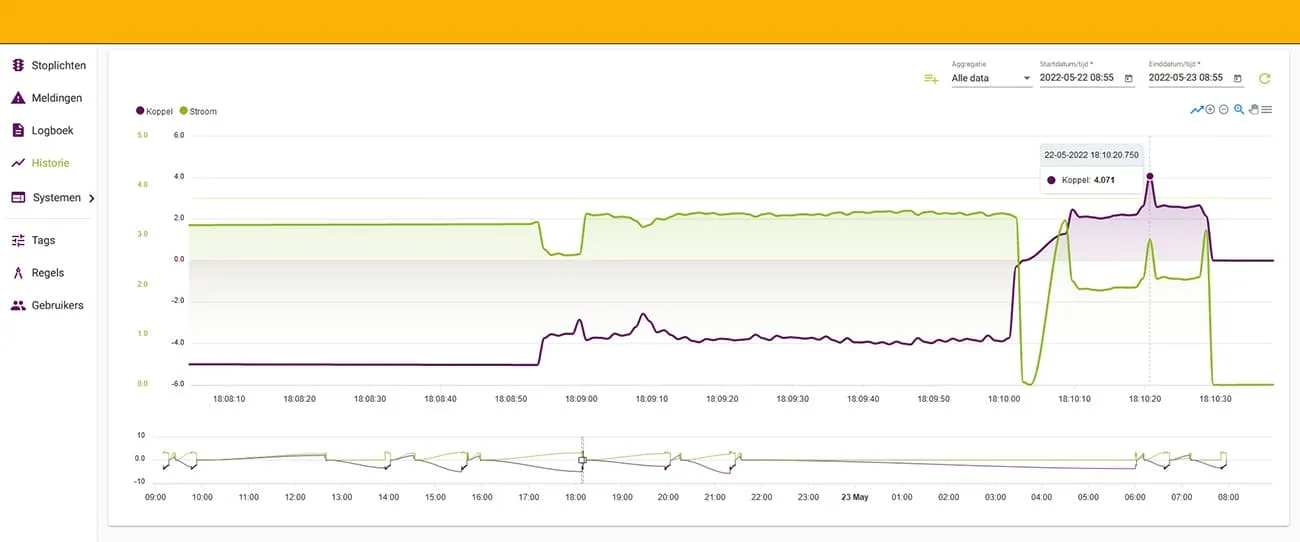
Setting threshold values
Once the initial set-up is complete, phase 2 begins. This involves setting threshold values so that incidents can be detected early. “Once you have a clear idea of what needs to be monitored, you can look at whether it can be done using a supporting algorithm or perhaps a form of artificial intelligence,” says Torn Broers. “But here too, everything initially hinges on human interpretation. Against a backdrop of ever more data, digitalisation and other technological developments, that is a reassuring thought.”
A business enquiry for Soltegro? Get in touch
Companies in this story
Keep following this
Get an email when a new story is published. No account needed.
- SubjectDigitalisation & software
- CompanySoltegro