









‘You need an expert to select the right pump for a sewer’

“Can contractors blindly trust specification clauses that prescribe particular pumps, chambers and valves? If only it were that simple…” Richard Janssen, director and owner of Nering Bögel in Weert, is speaking. “Specifications are often unclear. For example, they might say: ‘Capacity to be determined by the contractor’. Does that sound familiar? How do you determine the capacity required? How do you establish the head needed? You will also have to choose the pump type and impeller type, and determine the dimensions of the wet well itself. The non-return valve is a different matter: which one should you choose, and why? How do you prevent air from entering the pump? How important is the layout of the manhole, and what role does the control cabinet play?”
Know what questions to ask when choosing a pump
So how do you determine the capacity?
“There are basic guidelines for this, as set out, for example, in the Sewerage Guidelines or the KNMI rainfall duration curves. In practice, however, people often interpret them differently. One party may calculate using the peak load from a rainstorm, while another uses the average load over the entire duration of the storm,” Janssen explains. This fundamental difference means that installations with different capacities and sizes are offered in practice.
What determines the head required?
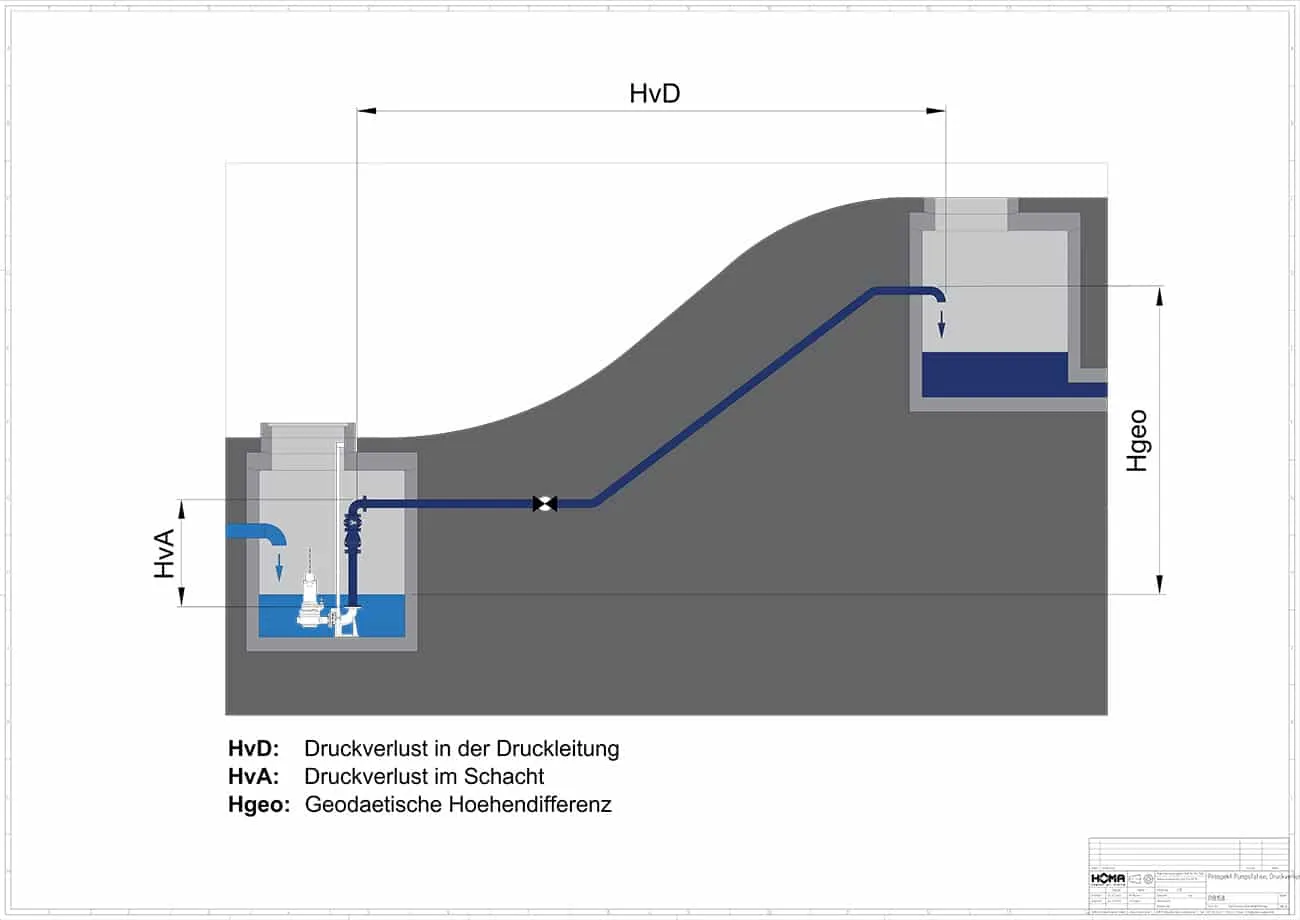
The pump has to move the water somewhere. So how far does it need to transport the water from its chamber through a pipe, and what kind of pipe is needed? Janssen: “Often, you cannot run a straight line to the discharge point, so the pipe needs bends. These create additional resistance. The difference in elevation is also crucial: the net vertical height between the pump discharge flange and the endpoint, which is effectively the discharge point.
The resistance of all the pipework, together with the static head, determines the pump pressure, or head, that the pump must generate at the required capacity. The supplier calculates and plots this on the pump curve, marking the duty point on the pump performance curve.”
Which pump type and impeller is right?
“Now things get a little more interesting,” says Janssen. “The rule of thumb is that the coarser the solids in the water, the larger the impeller’s free passage needs to be to prevent blockages. The blanket recommendation of a ‘grinder impeller’ is the wrong choice in most cases. There is no need for a grinder impeller when pumping practically clean stormwater. But when pumping foul sewage through a long, narrow pipe, as in a low-pressure sewer system carrying toilet paper, sanitary products, cleaning wipes and so on, a grinder impeller is needed. Grinder pumps consume a lot of power compared with other pump and impeller types.”
What do the dimensions of the chamber have to do with it?
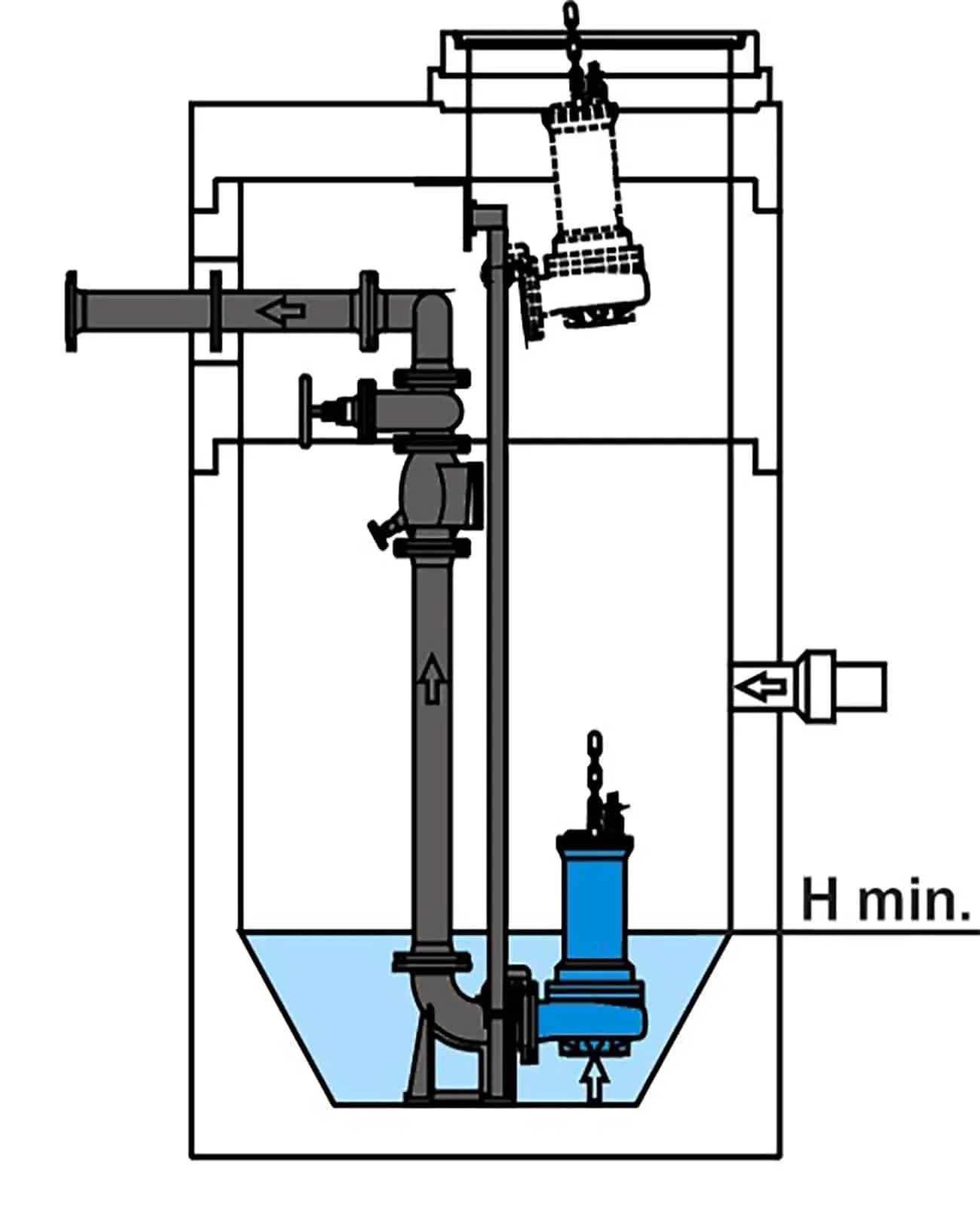
We know that if you install a pump in a chamber that is too narrow or too small, it will start with ‘every litre of water’ and stop again straight away. “That’s right,” says Janssen. “The pump will cycle far too often, which puts strain on the motor and control cabinet. A correctly sized pump chamber provides enough water volume to ensure the pump or pumps start at the right frequency. There are guidelines for this. The pump’s suction side must also remain sufficiently submerged when it switches off, to prevent air from entering.”
Which non-return valve should you use, and why is it needed?
“You should always fit a non-return valve or ball check valve. Otherwise, water will flow back from the rising main into the chamber, partially filling it again. Worse still, siphon action may occur with the sewer system. The rule is: the water pumped out must stay out. But choosing the right non-return valve or ball check valve is important. The valve’s free passage must always be larger than the pump impeller’s free passage and equal to or larger than the internal diameter of the rising main. Avoid extra resistance and blockages caused by a non-return valve or ball check valve that is too restrictive.
Preventing air from entering the pump
If the pump’s volute is not sufficiently submerged, it may draw in air when it starts. If this air is not removed, the pump cannot move liquid because the air will continue to circulate in the volute. “The pump keeps running, but little or no water comes out. The solution is to slowly lift the submerged pump by its chain until the air bubble can escape from the volute. Installing the float switch or level probe at the correct heights helps prevent air from entering.”
How important is the correct construction of the manhole?
Janssen: “The pump may be neatly installed in a large chamber with guide rails and chains, but then the shaft is built up to the required height with a shaft neck and cover that are too small. This has consequences: it becomes difficult to remove the pump because the modified manhole has no guide rails. It also goes against the design guidelines in NEN-EN 476, the general requirements for sewerage components, and makes maintenance work in the chamber more difficult. So, when installing pump chambers, don’t build up the shaft to reach the required height. Instead, choose a chamber of the right size with a generously sized removable cover.”
How important is a control cabinet?
“This is your control centre. You can make it as sophisticated as you like, but the essentials are a suitable switching time and high-quality components that will still be available for any repairs in the future. You can also include volt-free contacts for external control and monitoring. One step further would be a variable-speed drive, which is a welcome option for protecting your expensive pumps, especially heavy-duty ones.”
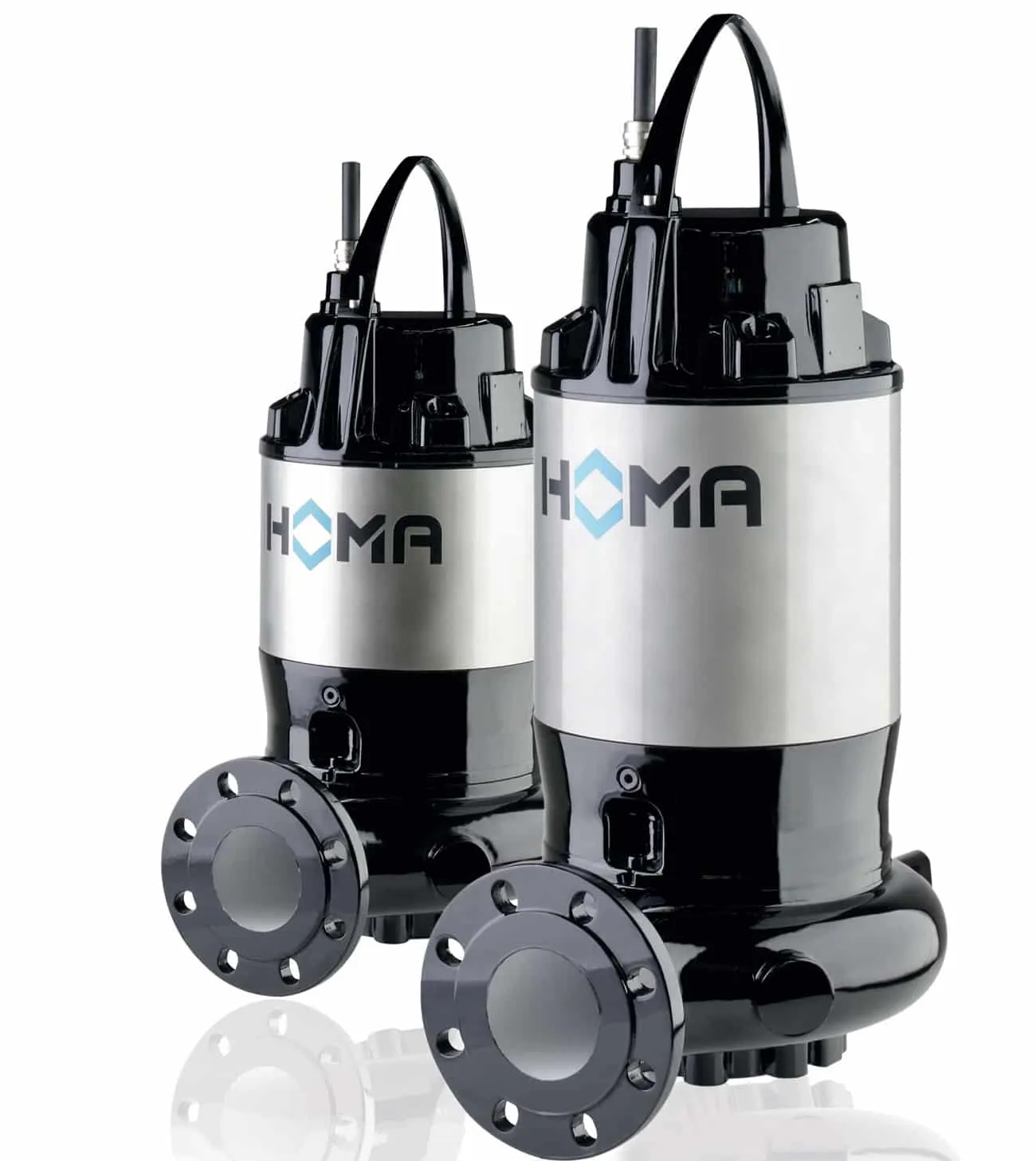
In short, the subject is too complex to leave to a contractor’s best intentions when their frame of reference for all the considerations involved in chambers, valves and pumps is limited. That is also why the door is always open at Nering Bögel in Weert to anyone who needs sound advice. “We have that expertise in-house, so make use of it. We assemble the pump chamber, complete with all its components, in our ‘pump hall’. We source our pumps from HOMA Pompen BV because of their proven performance. Of course, we test and inspect everything before the pump installation is loaded onto the lorry,” Janssen concludes.
Question about this story? Ask your question
Keep following this
Get an email when a new story is published. No account needed.
- SubjectNews







