









What to consider when disconnecting rainwater from the sewer and directing it to urban green spaces
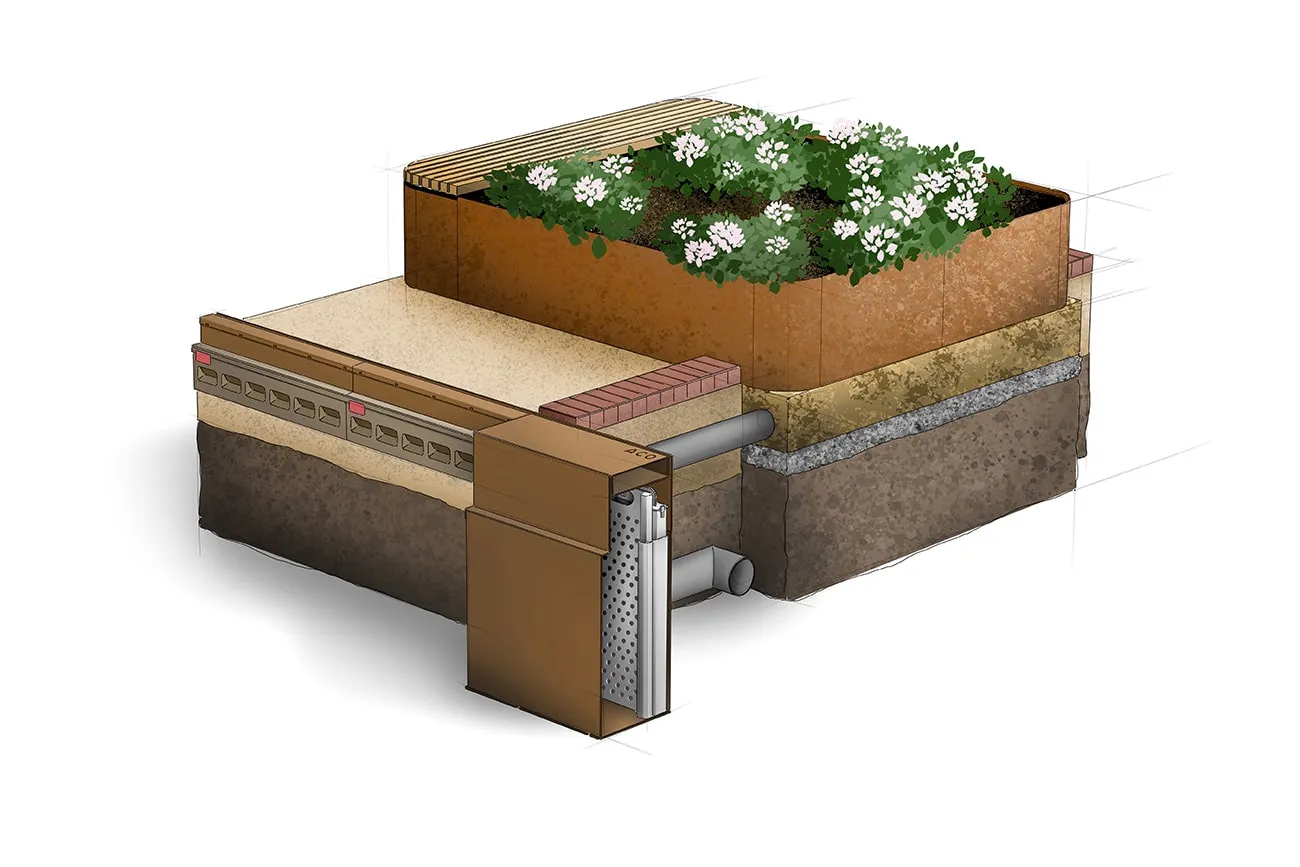
To prevent the soil drying out during warm periods, we want to retain rainwater for longer in urban areas, preferably where it falls. Rather than infiltrating rainwater or letting it drain away via wadis or into surface water, using it is a much better option. Our advice: collect rainwater where it falls, retain it and use it on site to create a cooler, greener city centre. After all, trees and plants need water to transpire and help cool their surroundings. One challenge is the quality of the rainwater. As soon as it falls, it comes into contact with pollutants, raising issues such as road salt, heavy metals and litter. Dirty water is of no use. We want to make sustainable use of rainwater by collecting it, treating it, retaining it and using it for green spaces. But how should you go about it?
Pre-filtration
Collecting rainwater and using it to irrigate urban green spaces can make a significant contribution to creating more affordable and sustainable green spaces in paved urban areas. However, a number of factors need to be taken into account, including treating runoff to prevent contamination of the tree growing areas and planting beds downstream, explains Rieks Hulst, Product Management at ACO. “This requires filtration technologies, and we have already devised several solutions. If installation depth is limited, a linear drainage channel can be fitted with a filter, creating a filtration channel. If you have more space, you can fit the silt trap with a special filter. This traps both coarse and fine pollutants.”
What should you do about road salt?
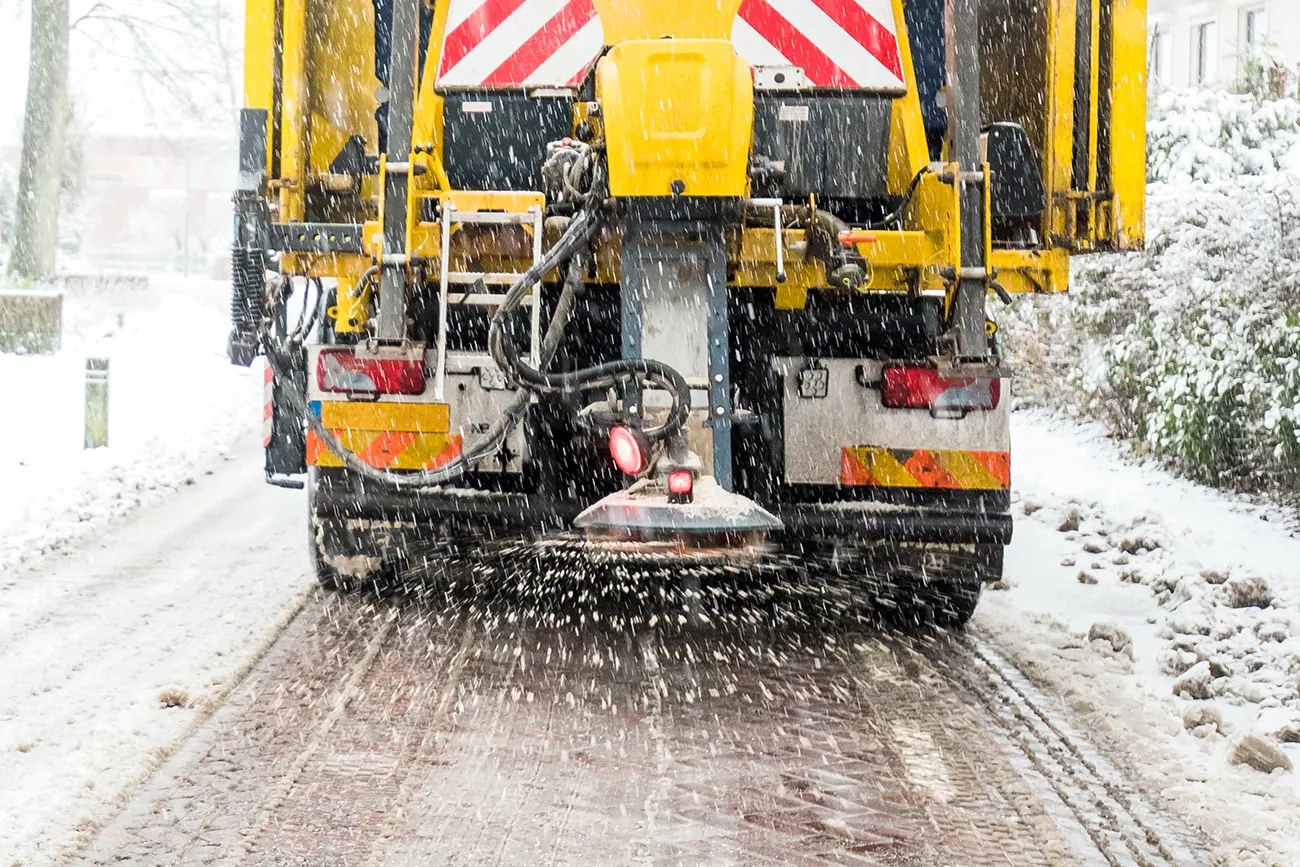
When you start filtering rainwater, the question of ‘what to do with road salt in runoff’ almost inevitably comes up. Hulst says it is a valid question. “Salt disrupts a tree’s water balance, causing salinisation of tree growing areas and resulting in drought damage. Buds shrivel in spring, and leaves change colour as if it were autumn. Salt dissolves readily in water, which makes it difficult to separate out. We developed the Salt-Protector, which works on the basis of specific gravity. Salt water is heavier than rainwater. When the salt concentration in the water is too high, the Salt-Protector shuts off the supply to green spaces. This causes the water level to rise, allowing it to leave the Salt-Protector through a higher outlet. You can choose whether water with too high a salt content is discharged into the sewer, a wadi or surface water. This minimises salinisation of tree growing areas and green spaces, and provides optimum protection for urban greenery.
In a changing world, we place great value on personal advice and working together to achieve results. That is why we are your free knowledge partner in water management. We call it #askACO. We would be happy to brief you on the I-DSAS concept so you can develop an integrated vision for ‘managing’ rainwater.
Question about this story? Ask your question
Keep following this
Get an email when a new story is published. No account needed.
- SubjectNews







