









What are the benefits of building with concrete?
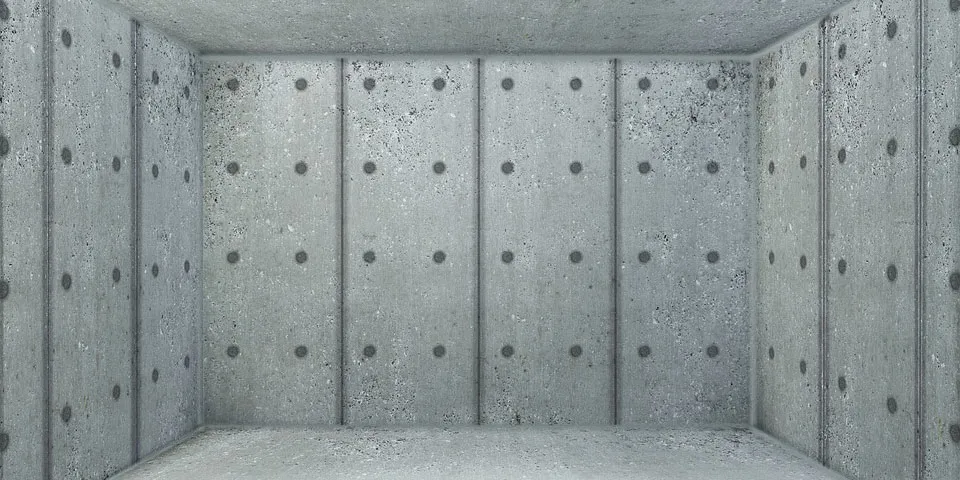
People are using more and more concrete today. They also use it for all kinds of purposes. For example, if you are having electric underfloor heating installed, you can opt for a concrete floor. You can also insulate the crawl space at the same time, of course. The so-called concrete floor can then be installed, giving your home a beautiful finish. Concrete can also be used in the garden, of course, and it is certainly used to build tunnels and similar structures. In other words, concrete is used for many different things. Why is that? What has made this material so popular?
Energy-efficient
Concrete has a high insulation value in its own right, while its seamless construction also ensures that concrete houses and buildings can be insulated very efficiently and made airtight. A concrete façade is also watertight and windproof. With adequate ventilation, there will generally be no moisture problems. This naturally has a positive effect on a home's energy performance. The number of days per year on which the heating needs to be on can also be reduced. This is because concrete can store heat temporarily. Energy consumption in a concrete building will therefore be relatively low.
Watertight
Concrete can also be made watertight. It is not watertight by nature, but special substances can be used during construction to make it so. This makes concrete highly suitable for building underground structures, such as tunnels. It can also be used to build a basement, which naturally needs to withstand the high pressure of groundwater. Concrete basements are very strong and watertight, so groundwater will not seep in.
Living comfort
Concrete has a high thermal inertia, also known as heat storage capacity. This is because it has a high specific weight. This is certainly beneficial for living comfort. In principle, it can be compared with the comfort of living in a house made of natural stone. This is partly because concrete walls absorb heat during the day. They release it gradually later, as the temperature outside falls. Heat peaks are therefore levelled out, while the inside of the home stays pleasantly cool even on hot days.
Decorative concrete
Many people associate concrete with dull, grey surfaces, but that no longer has to be the case. You can use what is known as decorative concrete, which is available in all kinds of finishes and colours. This means you can enjoy not only the many benefits of concrete, but also a much more attractive appearance. In other words, if you want the qualities of concrete but would also like to add a little colour to your home, choose decorative concrete!
Question about this story? Ask your question
Keep following this
Get an email when a new story is published. No account needed.
- ThemeMaterials and techniques for infrastructure
- SubjectNews







