









Van Genderen: ‘The partnership between Istimewa and Rijkswaterstaat is rock solid, we work as a team’
System integrator Istimewa Elektro has been a specialist in electrical and control engineering for fifty years. The company is currently developing new software for the decision and control system of the Ramspol inflatable storm surge barrier (SVK).
SVK Ramspol opened in December 2002, when it was still managed by the Groot Salland water authority (now part of the Drents Overijsselse Delta water authority following a merger). Rijkswaterstaat took over its management and maintenance on 1 July 2014.
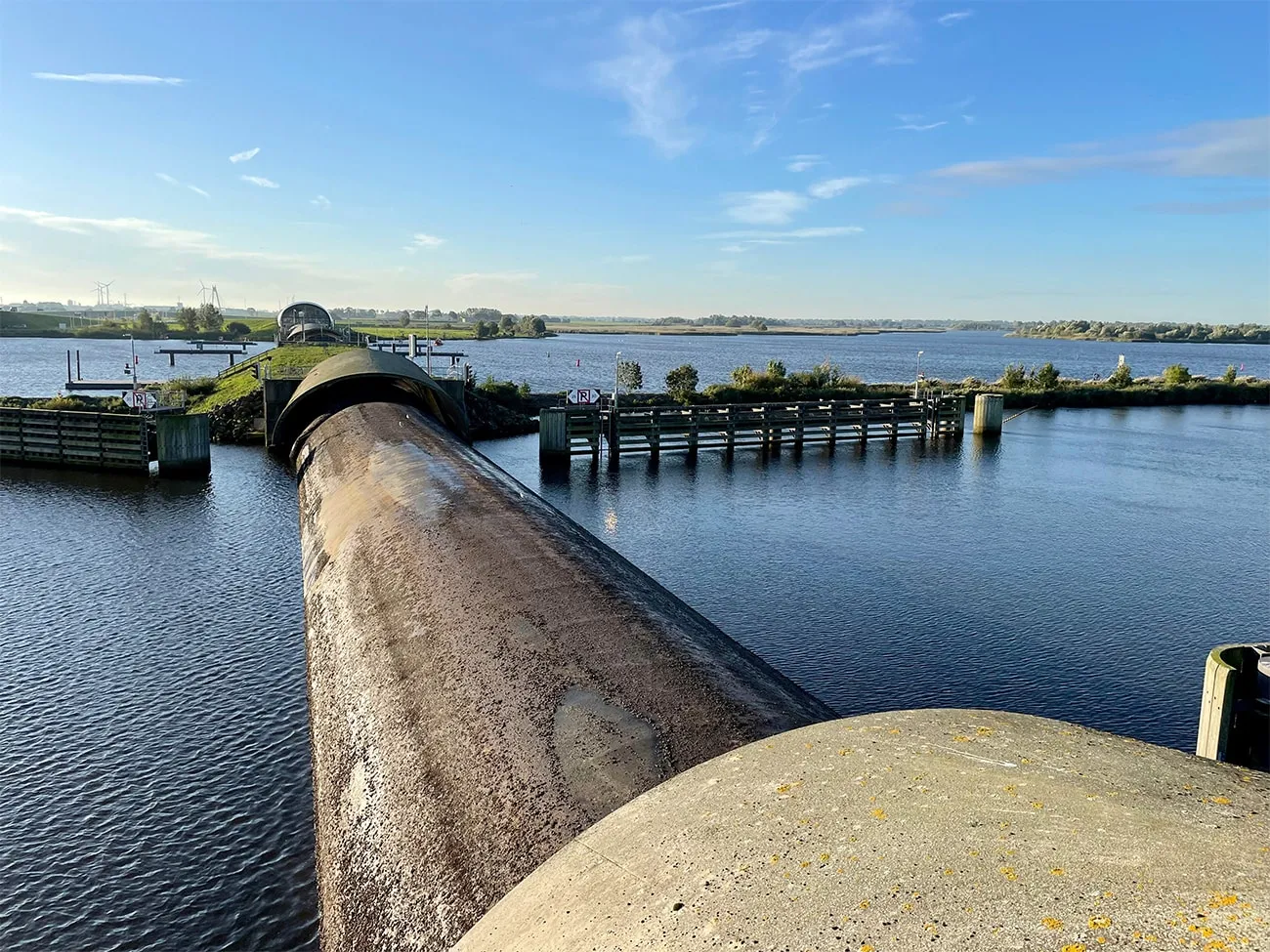
SVK Ramspol
SVK Ramspol comes into operation when the water level exceeds 0.50 metres above NAP and there are north-westerly or westerly winds. Under these conditions, water being pushed from the IJsselmeer towards the Ketelmeer poses a threat to the hinterland of Overijssel. The barrier normally lies on the bed of the Ramsdiep. It consists of three rubber bladders, each 80 metres long, positioned one behind the other, and an embankment. When deployed, the barrier is pumped full of water up to water level, then filled with air so that it rises above the water and forms a barrier.
For Istimewa, with its extensive track record, particularly in the field of water infrastructure, the work at Ramspol is a first. What makes the project particularly special is that Ramspol is the only storm surge barrier of its kind in the world.
Upgrading the hardware and software
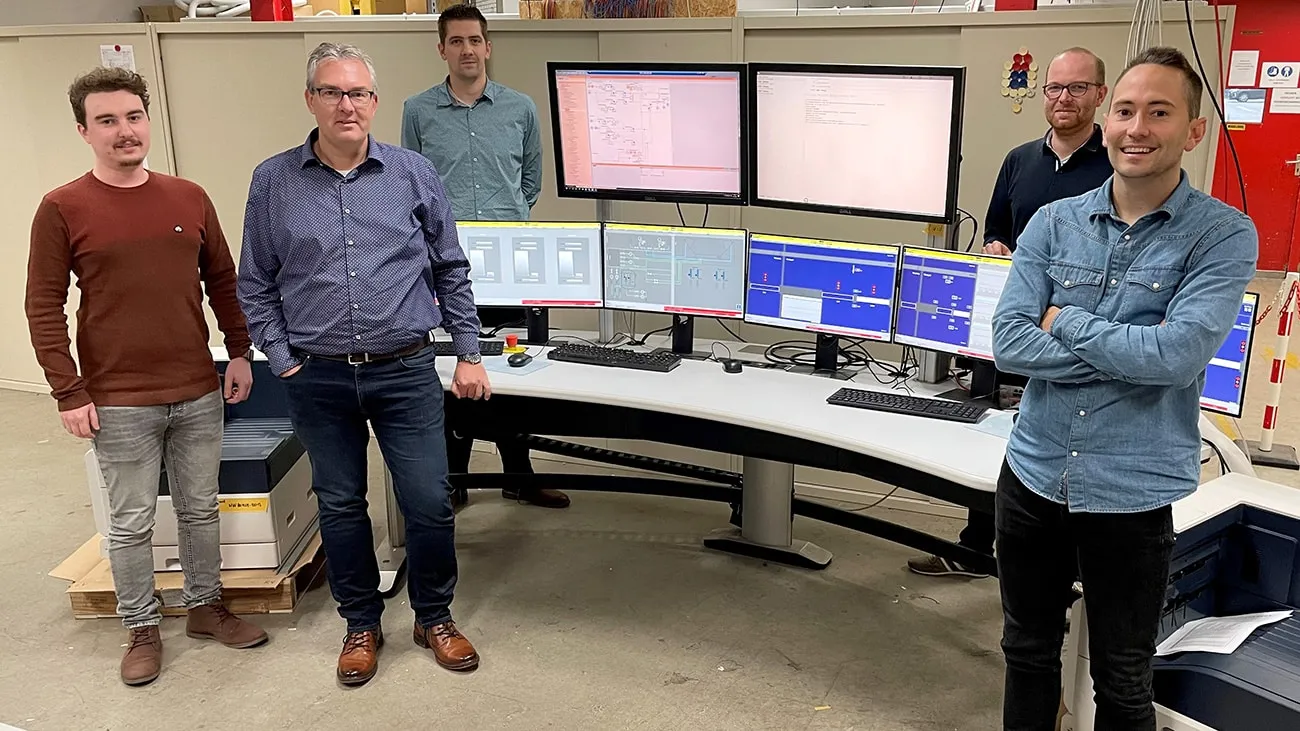
Ramspol’s old decision and control system is being upgraded because it is no longer supported. New hardware is being installed in the form of local control stations and equipment cabinets, along with new software, including controllers (the redundant PLC system), remote I/O modules, and visualisation and control systems (the SCADA system).
The controllers, known as the PLC system, contain the barrier’s decision-making and control logic. They are used to control and monitor the barrier’s various functions. The PLC system has more than 1500 inputs and outputs. Based on input from water levels and currents in the Ketelmeer, it can close the barrier fully automatically and autonomously.
The sensors are read and the various items of equipment controlled via the I/O modules. Equipment on the barrier includes valves, pumps and signals.
The visualisation and control system is a SCADA application that displays the barrier’s current status. Control and maintenance tasks are also carried out and monitored through this system.
It also provides insight into historical data and trends for the various items of equipment.
The design phase
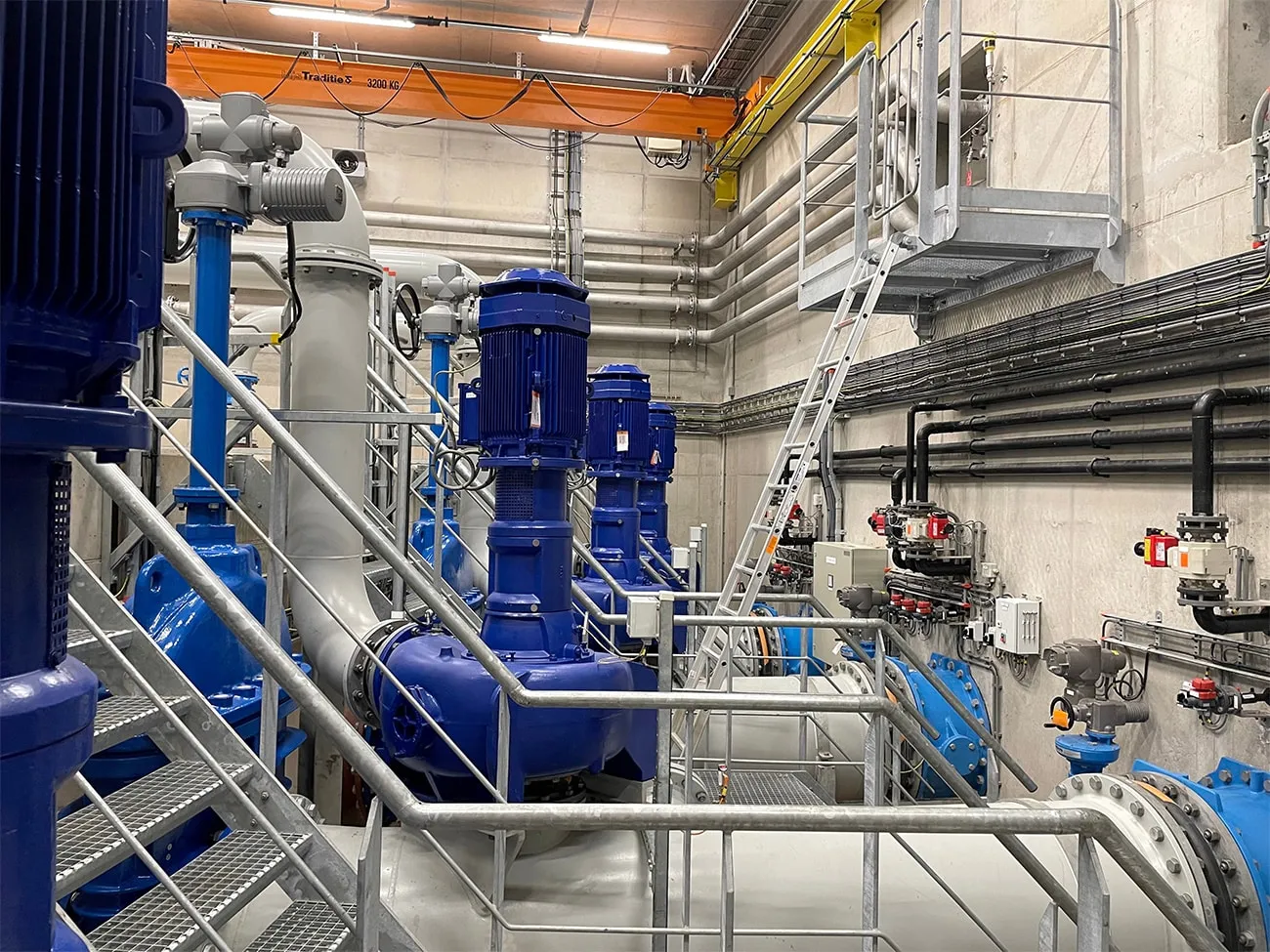
Istimewa works with a range of control systems. Wilco van Genderen, Engineering Manager at Istimewa, is project manager for the work at Ramspol, which involves close collaboration with Rijkswaterstaat. He explains: “Our experience designing PLC and SCADA systems for bridges and locks is so extensive that there is virtually nothing that can go wrong.”
The software was designed in accordance with the J-STD-016 standard. Van Genderen says that Istimewa began the design phase in December 2019 and that the product is now in the testing phase. “The system technology is universal, whether you are developing it for an inflatable dam, a bridge or a lock. The same applies to installing the system technology on site, an area in which Istimewa has extensive experience. What is particularly new, given the barrier’s functionality, is operating the process in accordance with the J-STD-016 standard.”
Consultation and communication
Van Genderen: “The partnership between Istimewa and Rijkswaterstaat is rock solid, we work as a team. Istimewa stands out because collaboration is in our employees’ DNA. The contract always provides the basis, but we are fully committed to being flexible with our client and making the best possible use of the technology.”
Istimewa worked closely with Rijkswaterstaat to establish the required functionality of the barrier. Several workshops and prototyping sessions were held to develop a shared understanding of how the Ramspol barrier works. Istimewa drew on the knowledge of those who work at Ramspol every day: the Rijkswaterstaat operators and technical team. “They know every detail, including the process steps for draining the water. They also know the conditions for entering the bladders, which must be met before anyone can enter an inflated, pressurised bladder from the inside for inspections,” says Van Genderen.
The testing phase
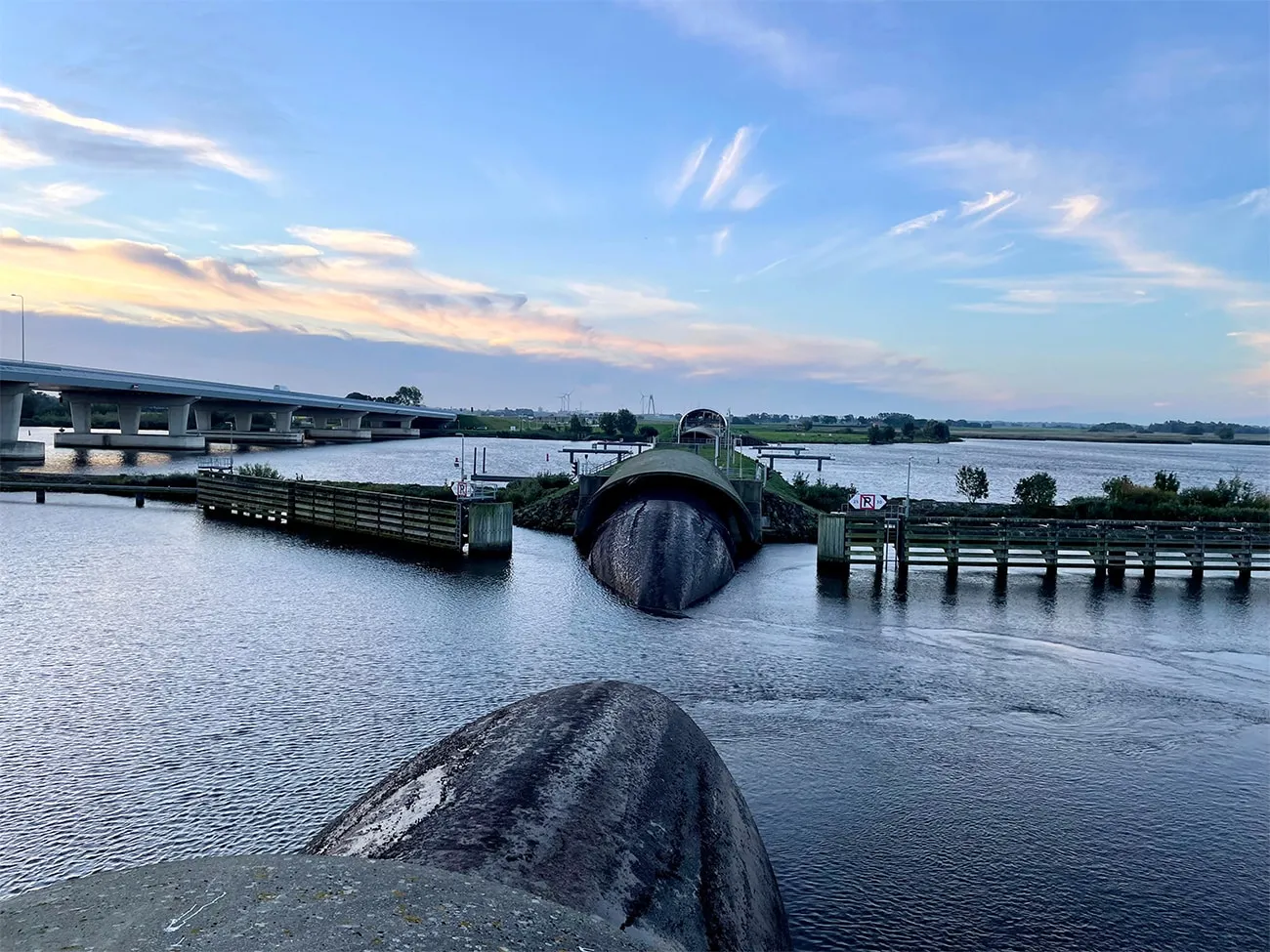
Istimewa tested the software at its own site in Vlissingen in several stages, from small-scale tests through to larger ones. “The equipment cabinets and control panels are ready. We are now testing the system as a whole through the integration test,” says Van Genderen. “At the end of the year, we will test the system together with Rijkswaterstaat in a Factory Acceptance Test. We will demonstrate how the system works to Rijkswaterstaat’s operators.”
From late January to around mid-March 2022, Rijkswaterstaat will test the new system in an acceptance environment. Rijkswaterstaat has built a small-scale representation of SVK Ramspol in this environment to get a preview of how the system functions and performs. Preparations for installation at the Ramspol site will take place after the storm season, from mid-October 2021 to mid-April 2022. “The aim is for the upgraded control system to be operational before the next storm season begins in October 2022,” says Van Genderen.
Question about this story? Ask your question
Who worked on it
SVK Ramspol
- system integratorIstimewa Elektro
- clientRijkswaterstaat
Keep following this
Get an email when a new story is published. No account needed.
- ProjectSVK Ramspol
- SubjectNews
- CompanyIstimewa Elektro
- CompanyRijkswaterstaat







