









Using timber with know-how
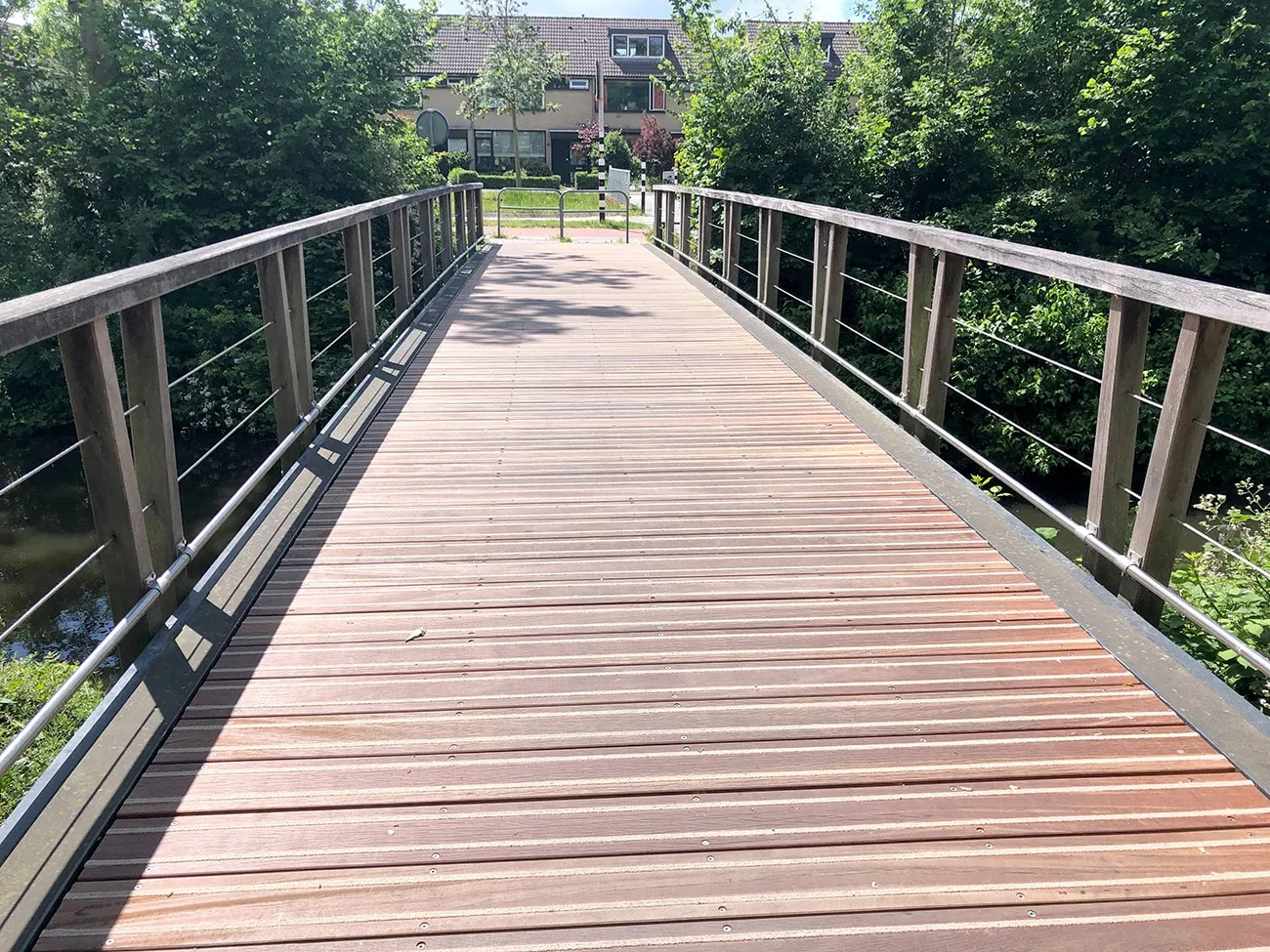
As part of efforts to make the construction and infrastructure sectors greener, the government is among those requiring greater use of timber as a sustainable building material. Working and processing timber requires specialist knowledge. The risk of problems is high if specific requirements are not taken into account during design and production. This can damage the material’s reputation, meaning that well-intentioned initiatives to promote sustainable construction can sometimes have the opposite effect if they are not backed by sufficient timber expertise. With its new training programme, ‘timber institute’ SHR aims to help ensure the steady expansion of timber use in the construction and infrastructure sectors.
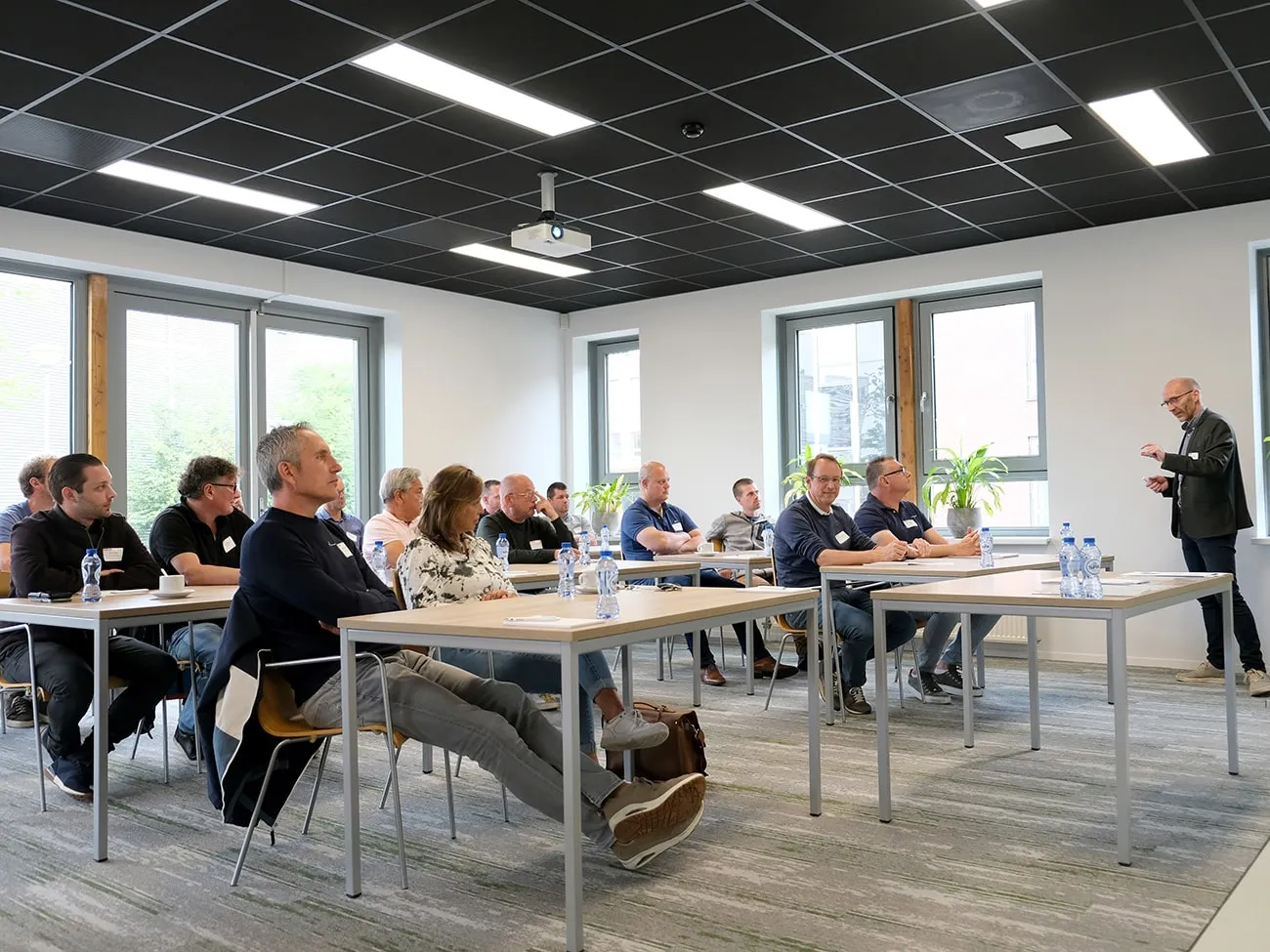
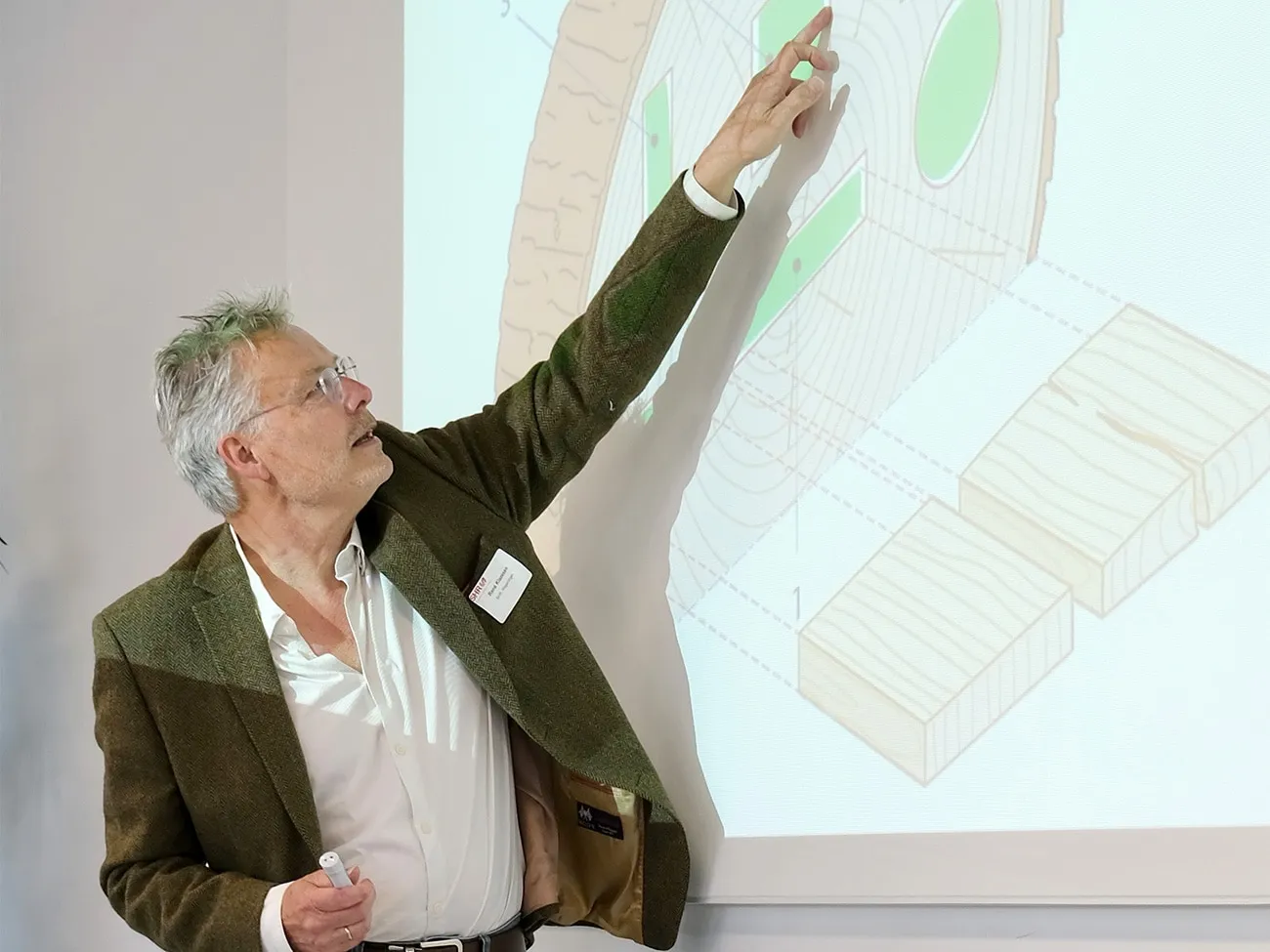
The use of timber as a sustainable building material in projects is growing rapidly. Rene Klaassen of SHR has noticed this too. “It’s really a craze at the moment, and people quickly consider themselves experts in the field, because surely anyone can work with timber? Nothing could be further from the truth. A great deal of background knowledge is needed to work with timber properly and achieve a durable result. People forget to seek advice from experts, with all the consequences that entails. These are situations that could actually be prevented very easily. This prompted us to expand our training programme to include, among other things, the responsible use of timber in construction and civil engineering.”
An increasing range of timber species
Timber is a bio-based, renewable material. “It stores CO2, prevents pollution and helps ensure that resources are not depleted. It’s no wonder, then, that so many people are turning to timber as a sustainable alternative,” says Klaassen. “Know-how is essential, especially in a sector such as infrastructure, where a long service life is generally required. We are also seeing an ever wider range of FSC-certified tropical timber species, and they all behave differently. That, too, requires expertise. As an institute, we have a wealth of theoretical and practical knowledge, and carry out extensive monitoring of existing structures. These provide important lessons for building up further expertise. The same applies, for example, to the responsible reuse of timber. In infrastructure, there are plans to recycle timber too, by extracting sheet piles and reusing them elsewhere. In that case, you need to know what you are doing, be able to assess the quality and make a sound estimate of how the reused timber will behave. There are many other examples, including street furniture and guardrails, which are increasingly being made from timber.”
Realistic calculations
If you build in accordance with the principles, building with timber is an extremely sustainable choice with a fairly long service life, Klaassen sums up. “But success depends on having the right expertise and making the right choices early in the process.” Klaassen also wants to make the case for a more realistic calculation of timber’s impact in the National Environmental Database. “Timber has many environmental benefits that are not currently included, such as CO2 storage in timber and the benefits of the forest where the timber is produced. For non-renewable materials, the environmental costs of collection and processing are shifted into the future and therefore not included in the calculation, even though the polluting impact is much greater during the production phase. Timber harvesting is nowhere near as polluting as processing steel, concrete or plastics. If this were corrected, which would simply be realistic, timber would come out much better. The forestry and timber sectors need to work much more closely together on this and join forces.”
Klaassen sees plenty of opportunities for using timber in the infrastructure sector. “Timber can genuinely add value in many places, but not always,” he says frankly. “Steel and concrete are also very valuable building materials in infrastructure.” Would you like to find out more about the responsible use of timber in construction and infrastructure? On 14 September, SHR is holding a free online information session from 9.00 to 9.30, explaining the content and schedule of its training programme, which includes a timber species identification course, a course on designing with timber, one on using timber below ground and one on timber and the environment. To register, email [email protected], quoting ‘voorcollege SHR-cursussen’.
Question about this story? Ask your question
Keep following this
Get an email when a new story is published. No account needed.
- SubjectNews







