









The integrated approach behind the redevelopment of Station Amsterdam Zuid
Text Suzanne van Gaale Beeld Paul Poels / Marcel Steinbach
Working together as one organisation
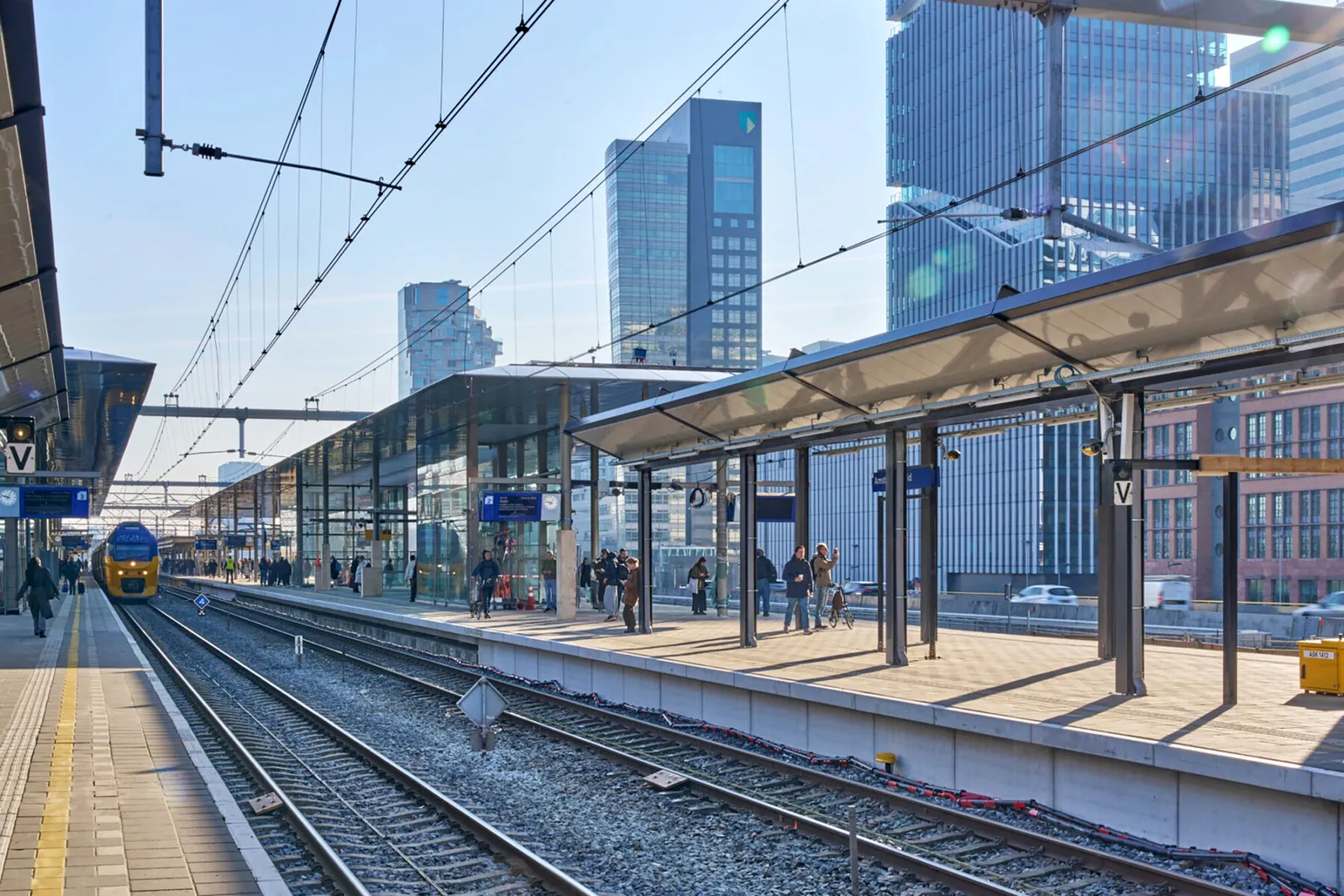
At Amsterdam’s Zuidas, Mobilis, Van Gelder and Boskalis Nederland are working together as construction consortium Nieuw Zuid on the major redevelopment of Station Amsterdam Zuid. It is an intensive and complex project that demands a great deal from everyone involved. From the outset, an integrated approach was deliberately chosen: staff work in multidisciplinary teams, with no visible distinction between employees from the different companies. This way of working together is the consortium’s strength: operating as one organisation, with one shared goal.
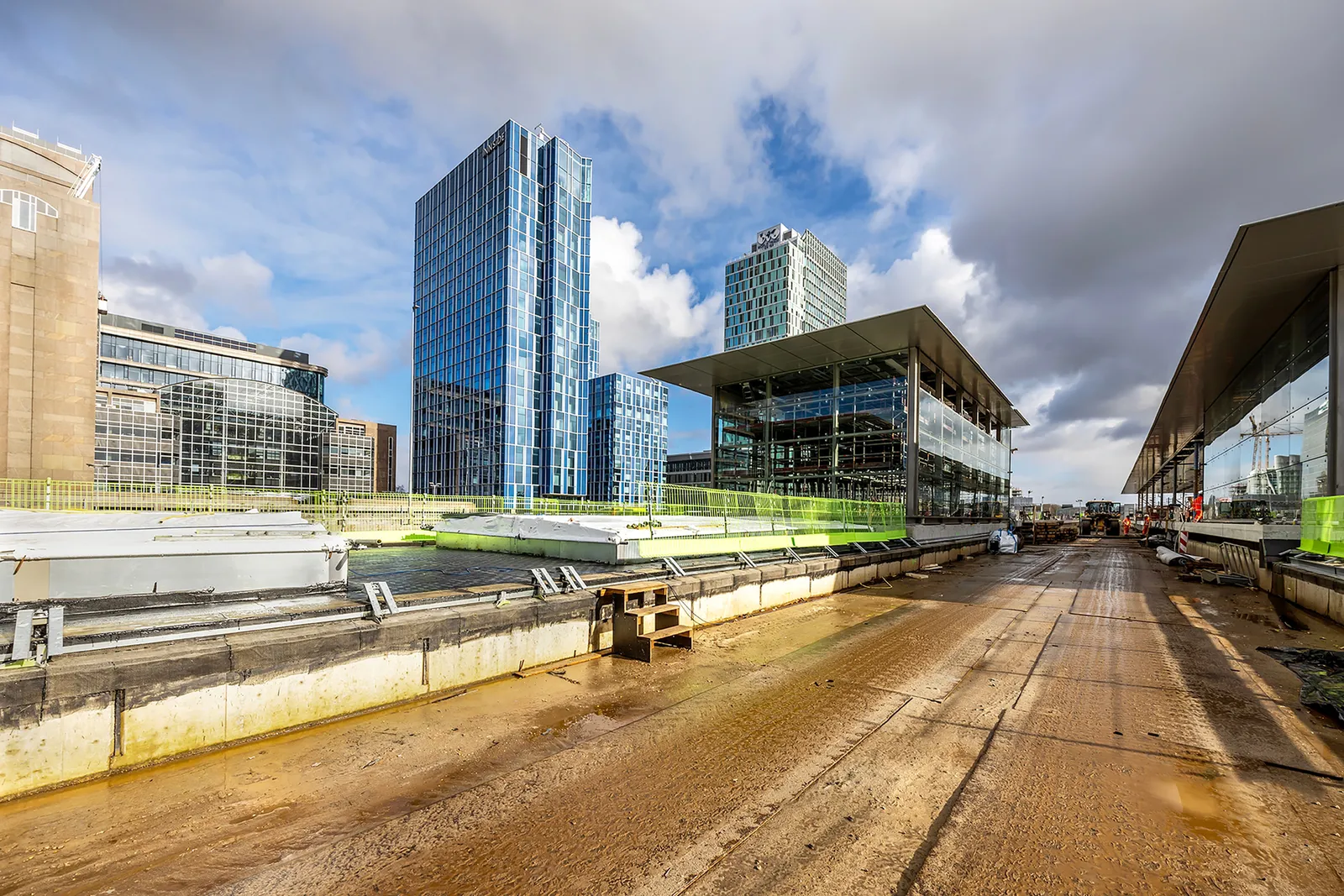
After years of preparation, the first results are becoming visible. The new passenger tunnel, the Brittenpassage, will open in early 2027. Beneath the A10 Zuid, the construction site is gradually being transformed into a bright, spacious passage with escalators and an enclosed bicycle parking facility. “This year really marks a turning point for us,” says Jeroen Toet, technical manager at Mobilis. “During the first few years, we mainly worked on the structural shell between and beneath the railway and metro tracks and the A10, with very limited space. At the same time, Amsterdam had to keep functioning as normal. That makes this project quite unique. It is only in the past year and a half that we have really been able to see what we are building.”
Putting the project first
The project’s intensity and long duration make close collaboration essential. The project’s interests always come first. “It is the shared result, not the interests of the individual companies, that guides us,” says Mark Boersma, technical manager at Boskalis. “The project is so large and complex that you need the right people from all the organisations. What you do also has an impact somewhere else. That makes it very difficult to divide up the work. Ultimately, everything depends on people’s willingness to work together, and fortunately that willingness is strong.”
Collaboration needs nurturing
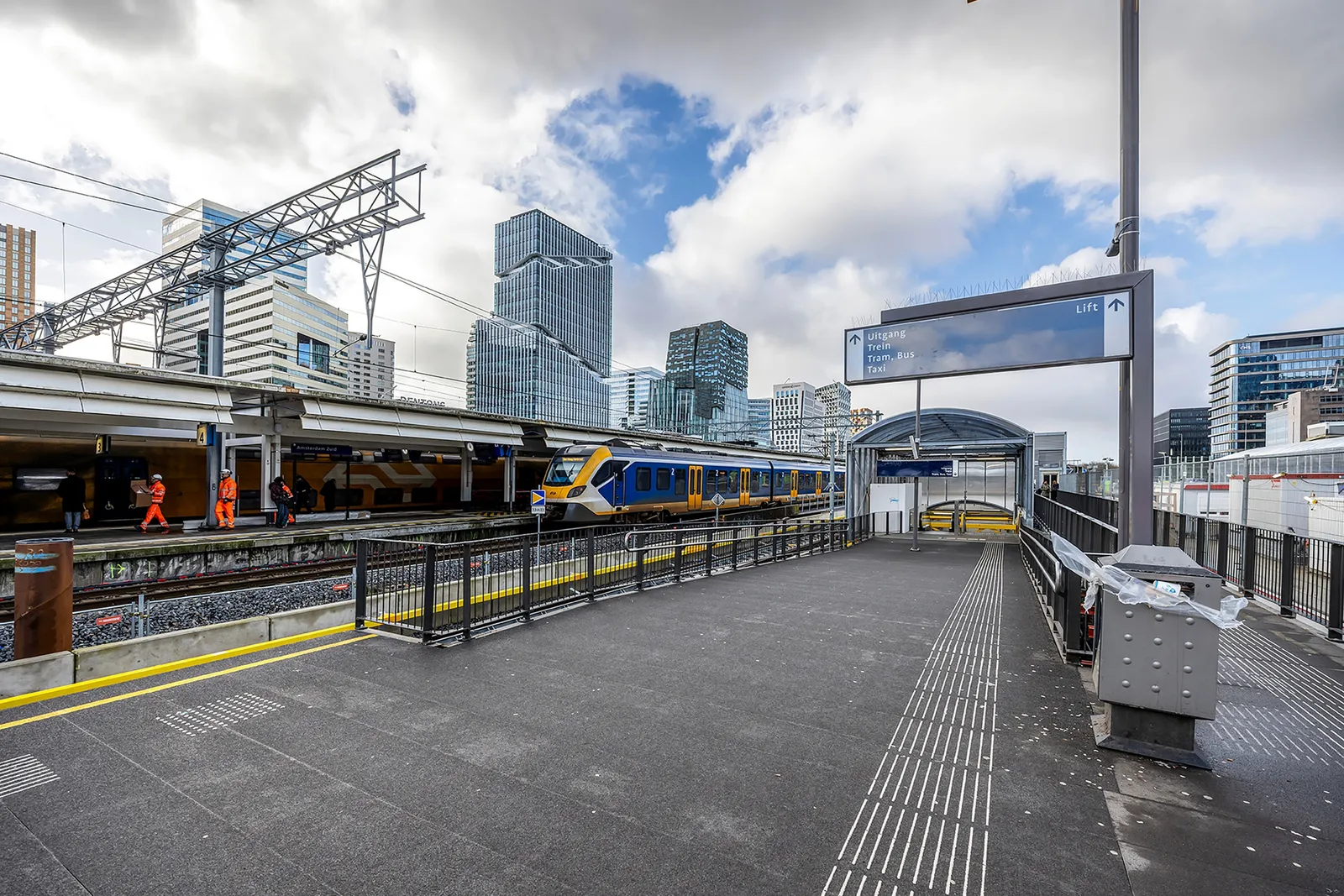
That collaboration does require constant attention, stresses Sjoerd de Waard, senior project manager at Van Gelder. “You have to keep investing in team building. We recently set up a new design organisation for the Minervapassage, with several joint teams comprising people from the client and the construction consortium, working closely together. By holding regular joint sessions, we make sure the teams understand one another and work effectively together.”
Everything is interconnected
The need for an integrated approach is clear in day-to-day practice. The work is closely interconnected. “You can see that very clearly in the design for the second phase, the Minervapassage, which involves redeveloping the existing station,” explains De Waard. “New foundations are being built where old structures are still in place, materials have to be brought in and taken away continuously, and new components are being built on existing structures. Everything is interconnected. Take the ventilation system, for example: large ducts have to pass through walls, and those walls need to be designed to accommodate them. If you don’t take an integrated approach, you end up designing and modifying things endlessly.”
Prepared down to the last detail
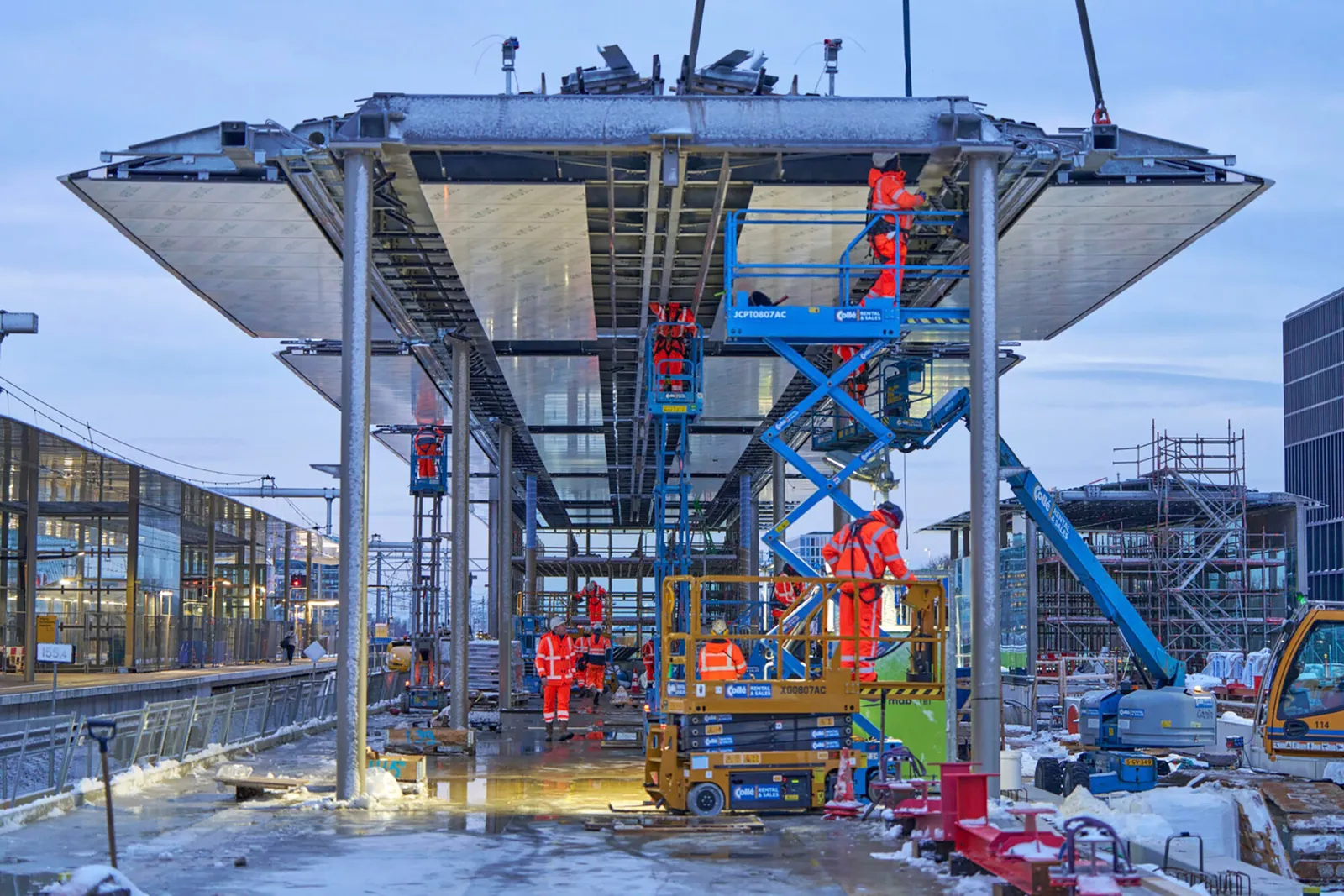
The benefits of this way of working are also evident in the preparation for line closures, when train, metro or road traffic is temporarily suspended. There will be around one hundred in total, ranging from a weekend to several days. Each closure takes six months to a year to prepare. “Several teams work on different closures at the same time,” says Boersma. “That means you have to make decisions early: which people are best suited to each job? By involving everyone in good time, each team can focus fully on that particular closure.” This focus results in efficient plans that put the shared interest first. “At the start, we were still finding our feet,” Boersma admits. “But by now we have a good mix of people who understand this work and enjoy doing it. The fact that every closure so far has been completed on time feels like an important milestone each time.”
No silos, but one team
It is also important that teams do not operate as isolated units. “We are constantly looking beyond the individual closures,” Toet adds. “Where can we work more efficiently? Which activities can we combine or bring forward? Teams actively share ideas and support one another. That is how we really operate as one team.”
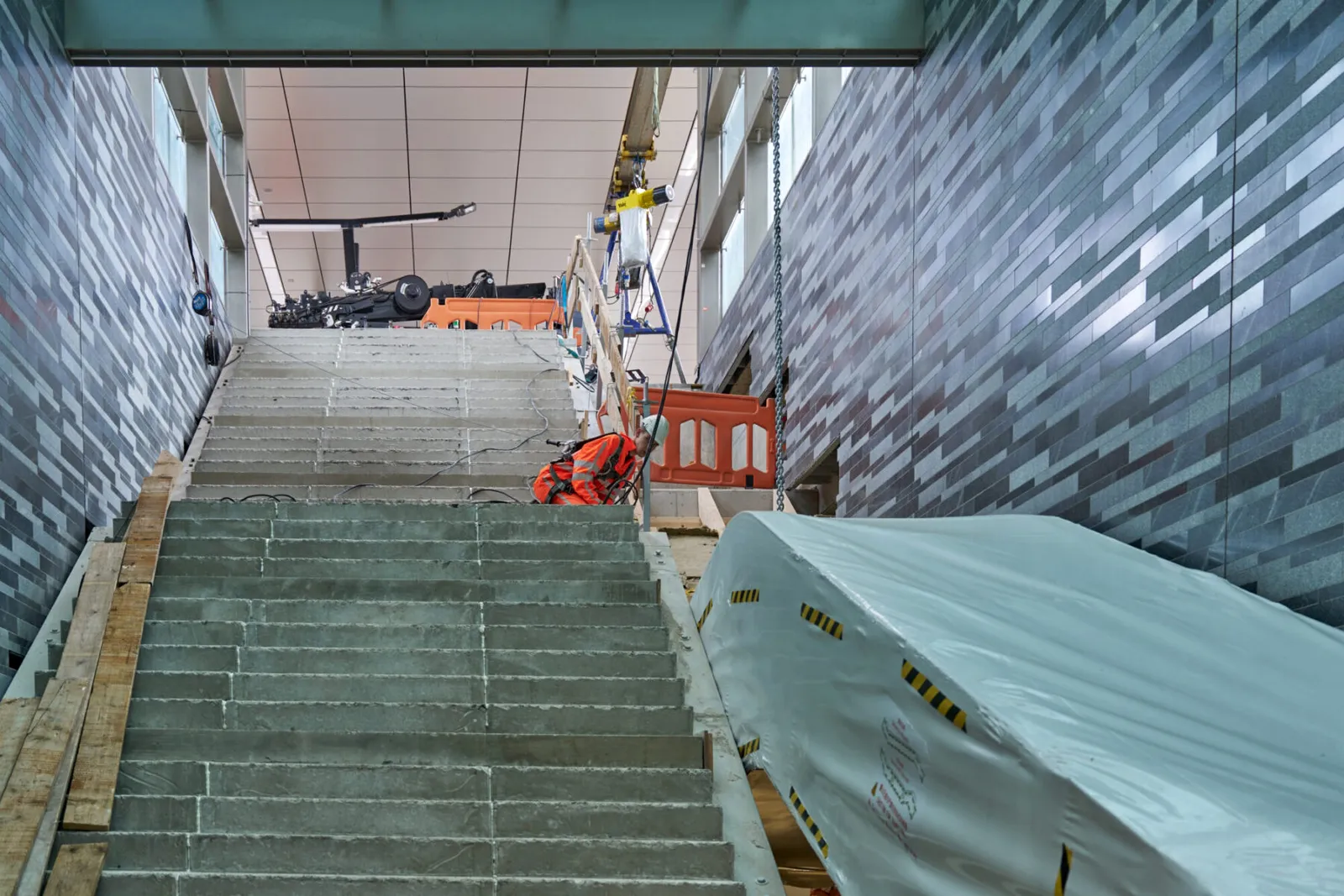
On the way to the Brittenpassage
All the teams are now working towards the opening of the Brittenpassage in early 2027. Fit-out work is in full swing, and the station is increasingly taking shape as originally envisaged. It is an exciting phase, in which everything is coming together, both literally and figuratively. Everyone on the project agrees on one thing: success depends on working together, remaining transparent and putting the project’s interests first. The teams are giving it their all, with a shared commitment to succeed.
Have a business enquiry for Mobilis? Get in touch
Who worked on it
Amsterdam Zuid station in Amsterdam
- Nieuw Zuid construction consortium
 Mobilis
- Nieuw Zuid construction consortiumBoskalis Nederland
- Nieuw Zuid construction consortiumVan Gelder
Keep following this
Get an email when a new story is published. No account needed.
- ProjectAmsterdam Zuid station
- SubjectNews
- CompanyMobilis
- CompanyBoskalis Nederland
- CompanyVan Gelder







