









The importance of timely, proper maintenance
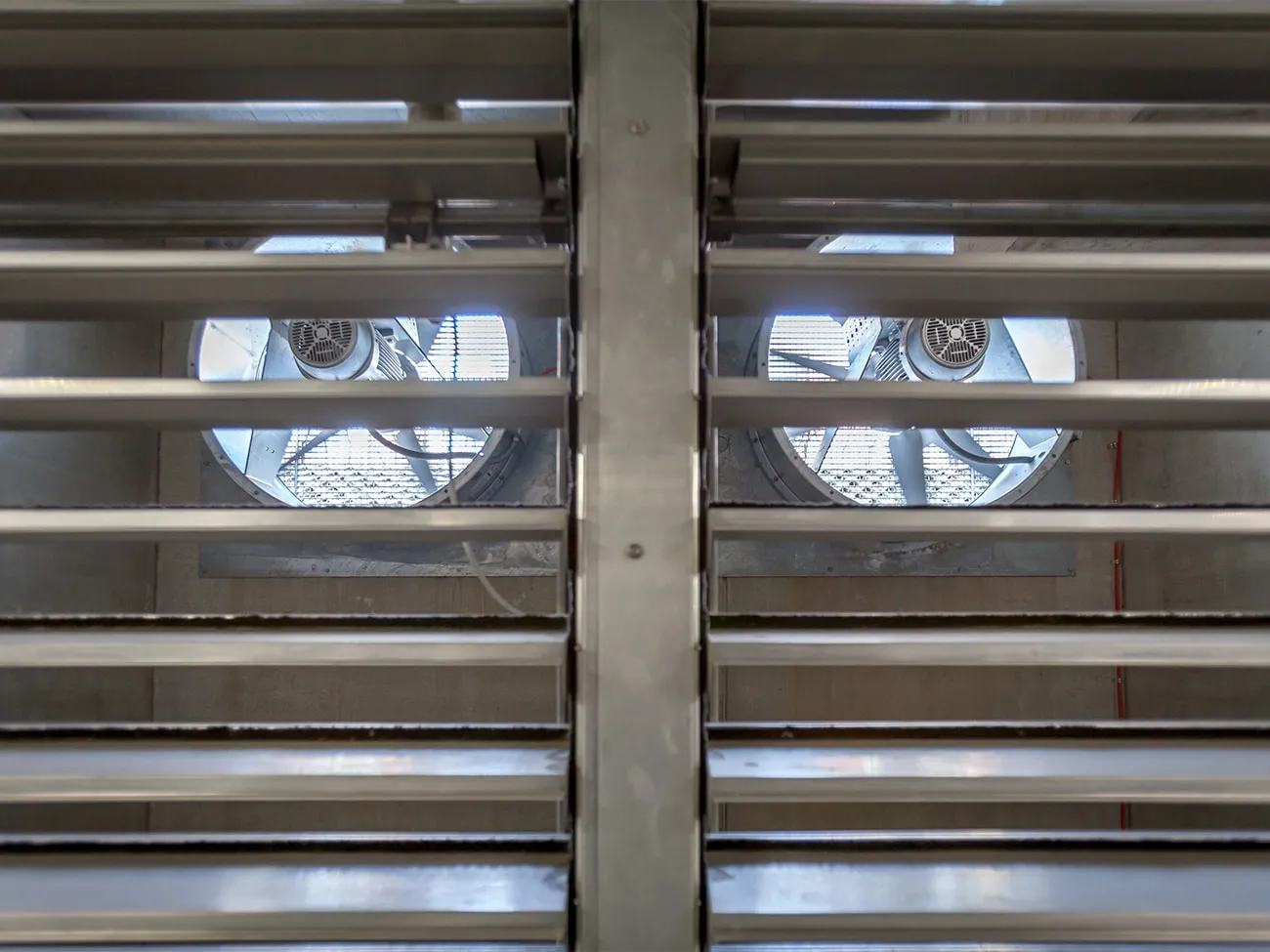
Under the Building Decree 2012, smoke control systems that require a permit must be inspected annually. As the owner or manager, you must be able to demonstrate that you hold an inspection certificate and that the system is in good technical condition.
Competently carrying out preventive maintenance and management tasks is part of this. But maintenance matters for more than simply ensuring compliance with laws and regulations. It is also about the safety of people, animals, emergency services and the surrounding area, protecting your own organisation and acting responsibly as a business.
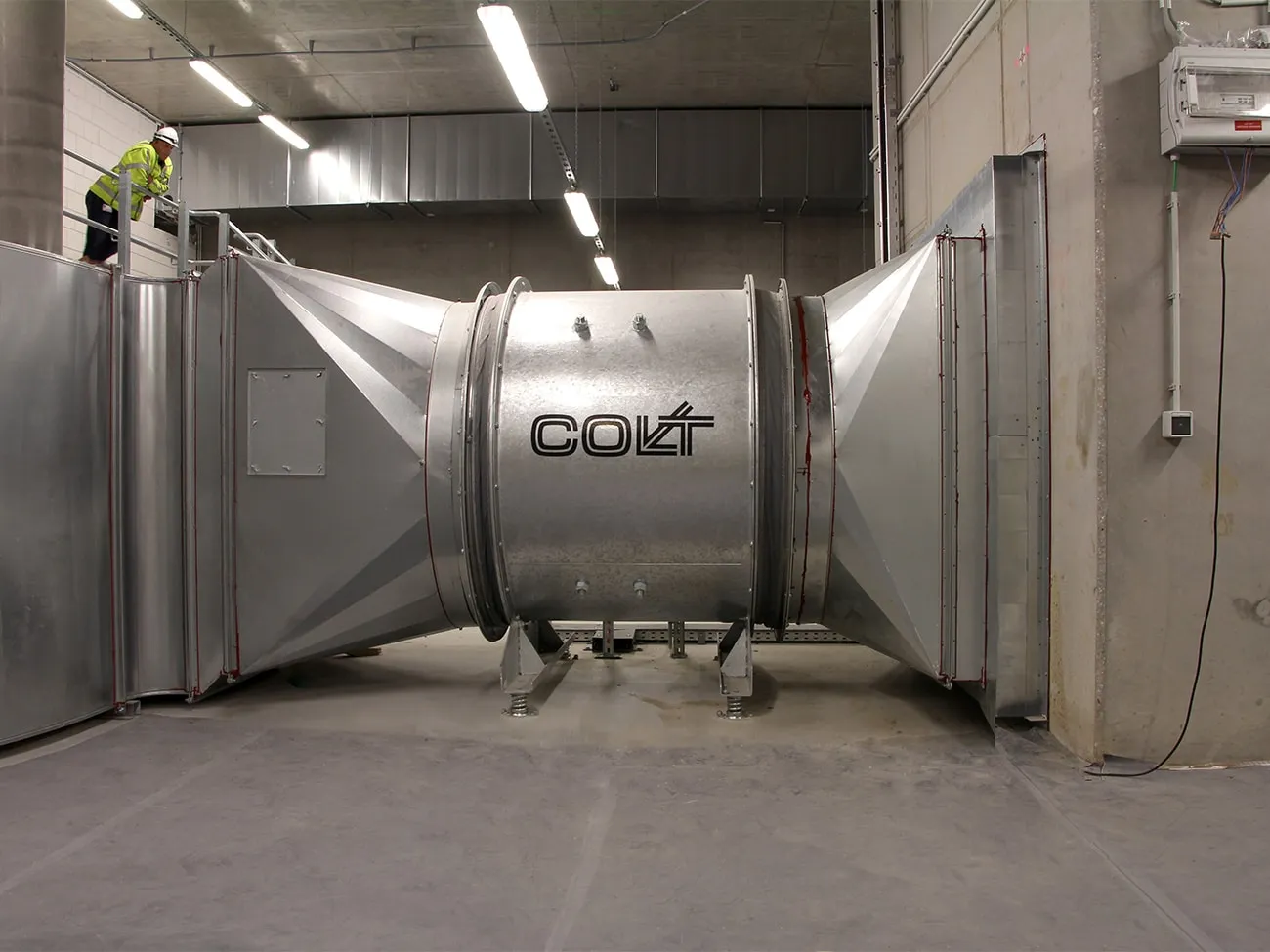
As Colt has already noted in this magazine, it makes sense to consider at the design stage how to keep a system in its nominal condition for as long as possible, ideally with the least effort. This is where the RAMSHEC principle comes in, standing for Reliability, Availability, Maintainability, Safety, Health, Environment and Cost. The principle is about explicitly defining the performance level for these parameters: reliability, availability, maintainability, safety, health, environment and cost. Applying the RAMS(HEC) principle improves the quality of both services and products, optimises performance and makes working safer. All this reduces the risk of failure and keeps costs under control.
Timely, proper maintenance is essential
When designing systems, Colt tends to focus solely on the initial costs and implementation, and less on the costs of keeping the whole system operational. In Colt’s view, timely, proper maintenance is essential. When carried out correctly, it keeps the system in its nominal condition and minimises the risk of faults and, consequently, unforeseen costs. Proper maintenance therefore not only ensures a reliable system throughout its service life, but also reduces costs. Yet maintenance is still often overlooked at the design stage. Colt can use impressive TCO (Total Cost of Ownership) calculations to estimate maintenance costs. But what if the systems that need maintaining cannot be accessed, the parts to be replaced are not interchangeable, or parts are no longer available or cannot be supplied straight away? In these situations, too, RAMSHEC offers considerable added value. The following two examples illustrate this:
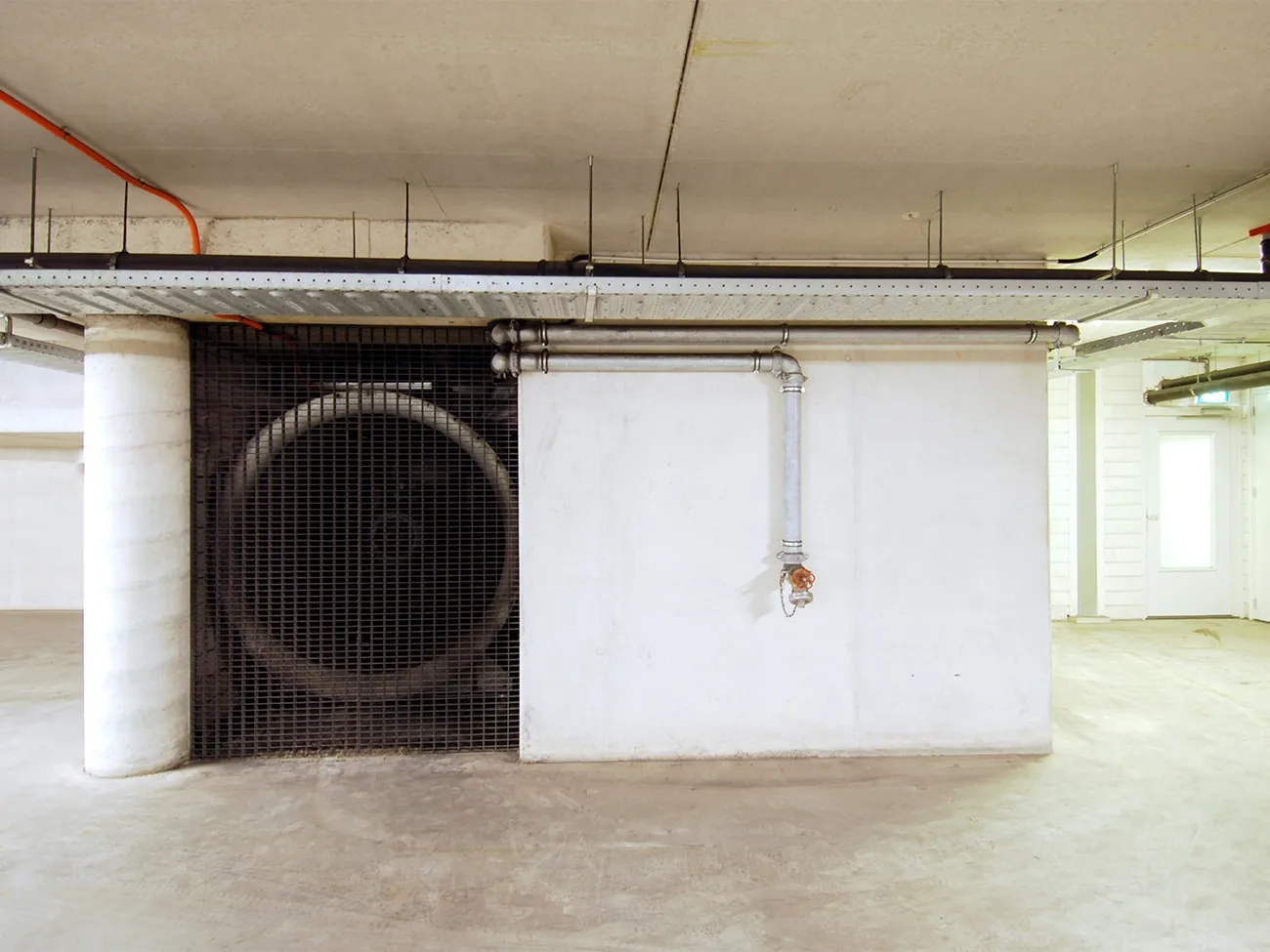
For a car park, two fans were lifted by crane into a shaft, secured to the floor and connected before the shaft was closed off and fitted with air intake grilles. However, the shaft has no door. For every maintenance visit, the maintenance engineer must therefore remove the 2×2 metre grille, which weighs 80 kg, to access the shaft. It would have been simple to install a door or make the grille hinged.
A project required a large diesel generator, to be installed in a purpose-built underground room. During construction, it was therefore decided to install the generator before pouring the room’s concrete roof. The work went to plan: a crane lowered the generator into the room, and the roof was then completed. About 3 years later, the generator failed and had to be replaced in its entirety. The contractor had to partially open up (demolish) the roof to replace it. Once the generator had been replaced, the roof was closed again. It would have been simple to provide a roof hatch large enough for replacement.
You may be thinking: what simple examples. Surely that’s obvious? Apparently not! Many of the situations described above occur every day. And indeed, common sense could have prevented many of these problems. At its heart, RAMSHEC starts with using common sense and thinking logically, but from the perspective of the entire process: design, implementation, keeping the system in its nominal condition throughout its service life, and finally decommissioning it.
As mentioned earlier, proper maintenance, with consideration given to it at the design stage, prevents unnecessary costs and saves time.
Question about this story? Ask your question
Keep following this
Get an email when a new story is published. No account needed.
- SubjectNews







