









The importance of timely, effective maintenance
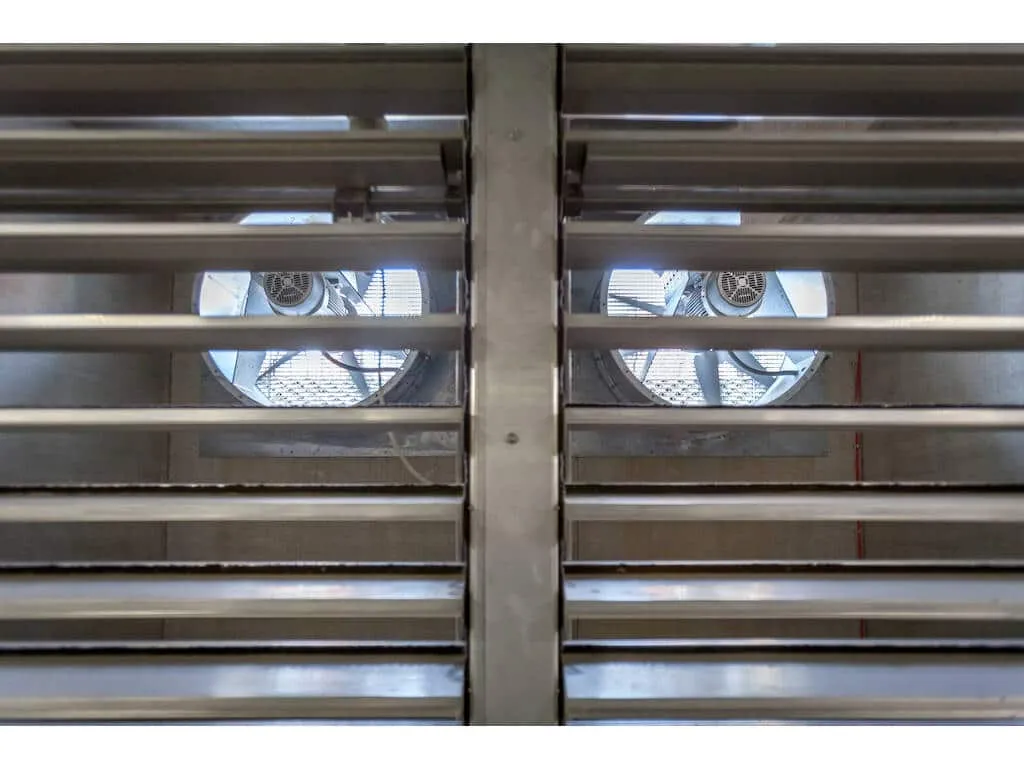
Under the Dutch Building Decree 2012, smoke control systems that are subject to a permit requirement must be inspected annually.
As the owner/operator, you must be able to demonstrate that you hold an inspection certificate and that the system is in good technical condition. This includes carrying out preventive maintenance professionally and performing the required management tasks. But maintenance matters not only to ensure compliance with laws and regulations. It is also about the safety of people, animals, emergency services and the surrounding area, protecting your own organisation and conducting business responsibly.
As Colt has pointed out in this magazine before, it makes sense to consider during the design phase how to keep a system operating as intended for as long as possible, ideally with the least possible effort. The RAMSHEC principle was described in this context. The acronym stands for Reliability, Availability, Maintainability, Safety, Health, Environment and Cost. The essence of this principle is to define explicitly the performance level for these parameters: reliability, availability, maintainability, safety, health, environment and cost. Applying the RAMS(HEC) principle improves the quality of both service and product, optimises performance and makes working safer. All this means a lower risk of failure and a controlled budget.
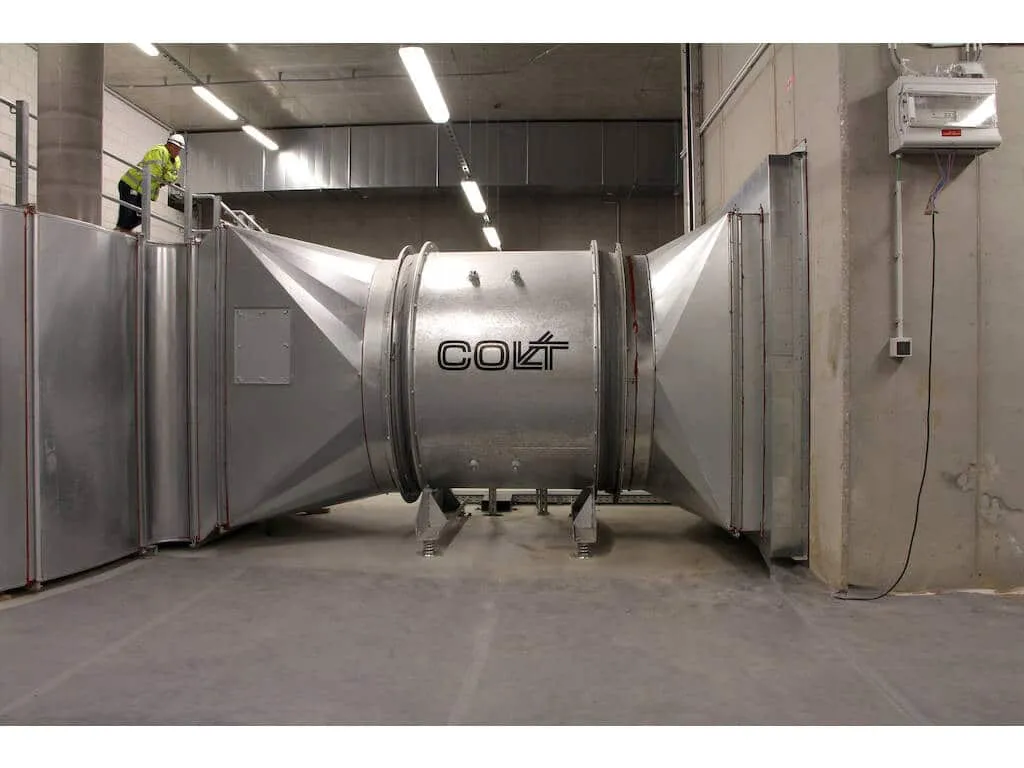
Timely, effective maintenance is essential
When designing systems, Colt tends to focus solely on the initial costs and the initial installation, and less on the costs of keeping the system running. In Colt’s view, timely, effective maintenance is essential. If carried out properly, it keeps the system operating as intended and minimises the risk of defects, and therefore of unexpected costs. Good maintenance therefore not only ensures a reliable system throughout its service life, but also reduces costs. However, maintenance is still often overlooked during the design phase. Colt can use impressive TCO calculations (Total Cost of Ownership) to work out the cost of maintenance. But what if the systems that need maintaining cannot be accessed, the components to be replaced are not interchangeable, or parts are no longer available or cannot be obtained straight away? The RAMSHEC principle also offers significant added value in relation to these points. The following two examples illustrate this:
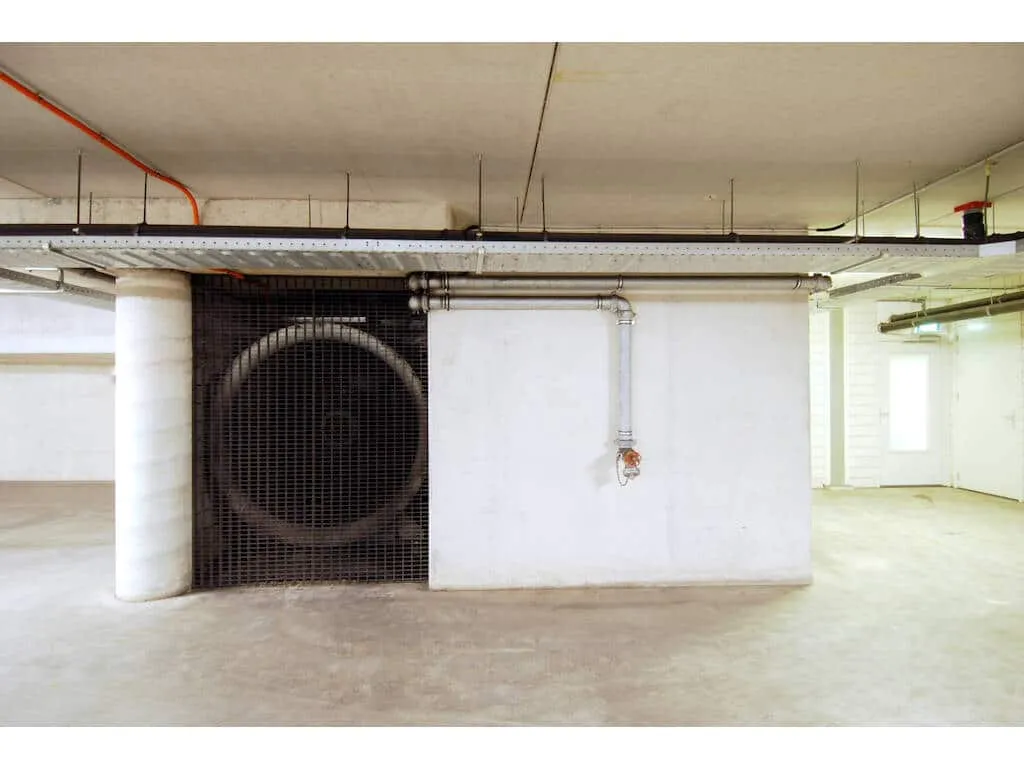
For a car park, two fans were lifted by crane into a shaft, secured to the floor and connected before the shaft was closed off and fitted with intake grilles. The shaft, however, has no door. At every maintenance visit, the maintenance engineer must therefore remove the 2 × 2 m intake grille, which weighs 80 kg, to access the shaft. It would have been so simple to fit a door or make the intake grille hinged. A project requires a large diesel generator, to be installed in an underground space built specifically for it. During construction, it was therefore decided to install the generator before pouring the space’s concrete roof. The work proceeded according to plan: a crane lifted the generator into the space, after which the roof was installed. Some 3 years later, the generator failed and had to be replaced completely. The contractor had to partially open up (demolish) the roof to replace it. Once the generator had been replaced, the roof was closed again. It would have been so simple to provide a roof hatch large enough to allow the generator to be replaced. You may say: what simple examples. Surely that’s obvious? Apparently not! Many of the situations described above occur every day. And indeed, common sense could have prevented many of these problems. RAMSHEC starts with using your common sense and thinking logically, but always from the perspective of the design and installation, through keeping the system operating as intended throughout its service life, right up to decommissioning it. As mentioned earlier, good maintenance, with consideration given to it as early as the design phase, prevents unnecessary costs and saves time.
Question about this story? Ask your question
Keep following this
Get an email when a new story is published. No account needed.
- SubjectNews







