









The implications of the Environment and Planning Act for BRL 7000
Text Roel van Gils Image Aboma
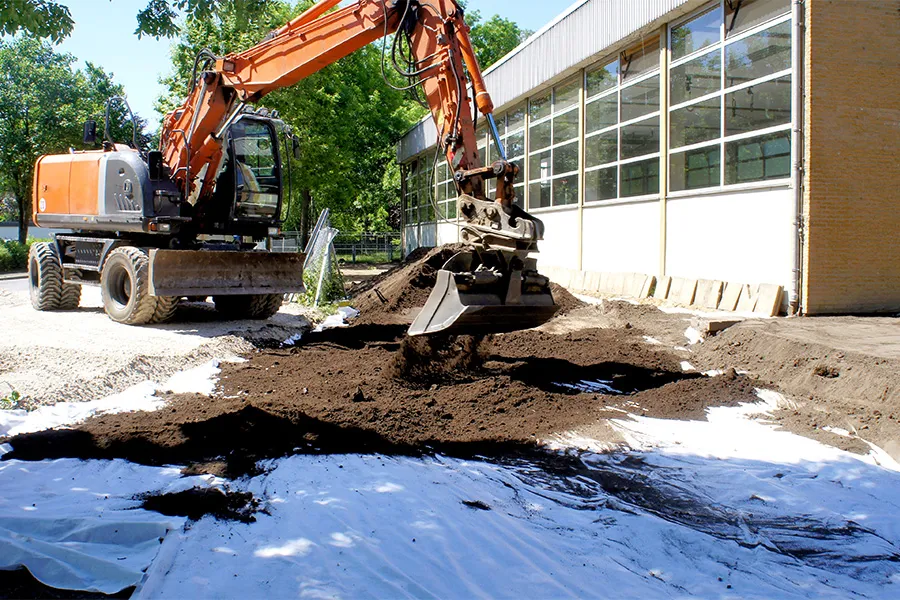
Key changes for groundworks contractors
The statutory basis for the BRL 7000 assessment guideline, ‘Execution of soil and (water)bed remediation and interventions in the waterbed’, was always the Soil Protection Act. This Act was repealed when the Environment and Planning Act came into force. This has implications for BRL 7000 and, consequently, for groundworks contractors. For some companies, certification to BRL 7000 is no longer required at all.
BRL 7000 covers excavation, soil remediation, groundwater remediation and interventions in the waterbed. “The guideline sets out how this work must be carried out,” says Sjesco Heuberger of Aboma Certification. “The introduction of the Environment and Planning Act prompted a revision of BRL 7000, as well as BRL 2100 (mechanical drilling) and BRL 11000 (the underground part of ground energy systems). This means companies must adapt their procedures and working methods to the new protocols.”
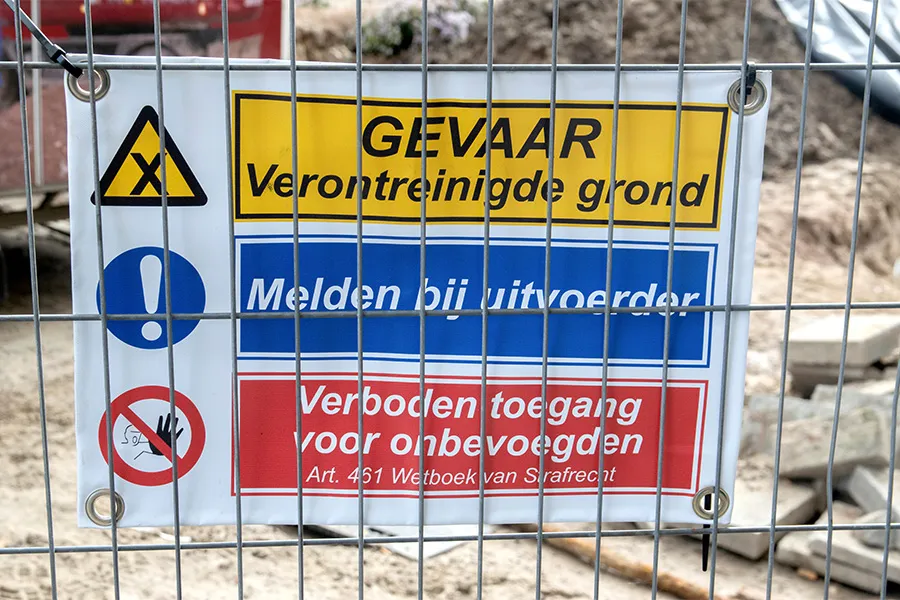
Execution plan
Of the three assessment guidelines, BRL 7000 has undergone the most far-reaching changes, according to Sjesco. “The requirements in particular have been worded differently,” he says. “Previously, a BUS notification or remediation plan was sufficient. Now an execution plan is also required. This describes the basis on which the excavation will be carried out, the materials to be used, and so on. It is much more project-specific. For us as auditors, that means we also have to ask more targeted questions. The execution plan will play a much more prominent role in assessing projects. We check whether what it describes also meets the requirements of the guideline.” His colleague Daniëlle Penning adds: “The Environment and Planning Act also means that some companies no longer need certification to BRL 7000. Under the Soil Protection Act, the scale of the contamination was decisive, not the scale of the work. Under the Environment and Planning Act, the scale of the work is decisive. For all activities under the Environment and Planning Act involving less than 25 m3, certification is no longer required.”
Companies that still need certification have until 1 January 2026 to comply with the new version 7.0 of BRL 7000. For BRL 2100 and BRL 11000, the deadline is 1 April 2025. “For companies that have not yet moved to the new version of BRL 7000 but are carrying out work under the Environment and Planning Act, temporary protocol 7005 version 1.0 applies. It is valid until 1 January 2026,” says Sjesco. “Aboma is now accredited to audit against the new version 7.0 of the standard. It is up to companies to decide whether to prepare for this now or make use of the transition period for a little longer.”
Question about this story? Ask your question
Keep following this
Get an email when a new story is published. No account needed.
- SubjectNews







