









Sustainable reuse of timber in civil engineering
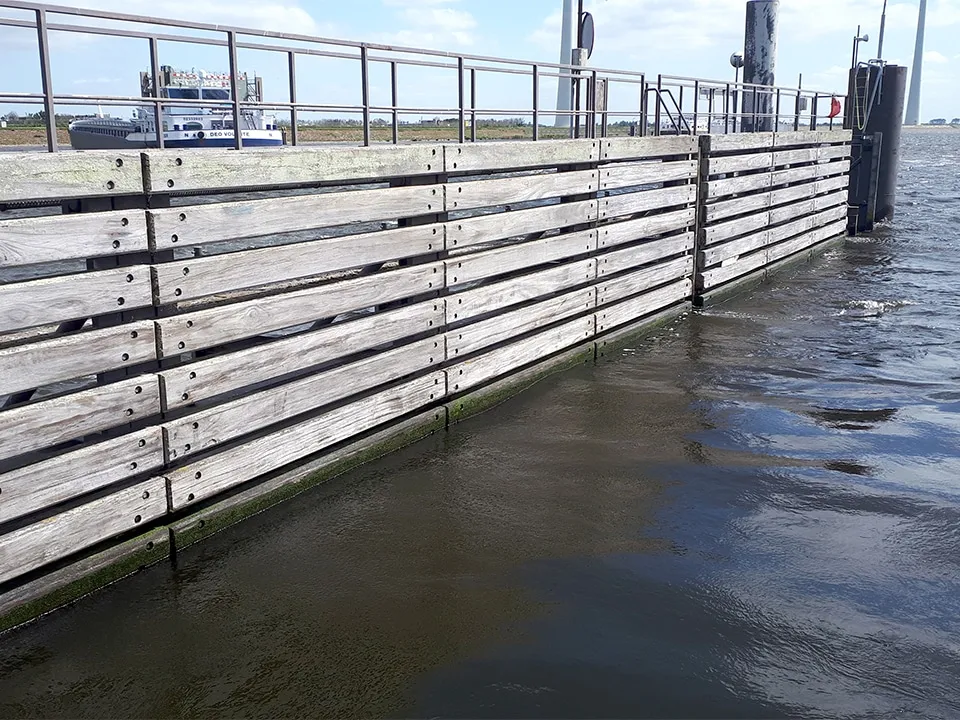
The trend towards bio-based and sustainable construction is giving a major boost to the (re)use of timber in construction and infrastructure.
As an independent inspection body, SKH aims to improve quality management and promote the (re)use of timber from sustainably managed forests. SKH is the Netherlands’ largest certification partner for schemes including PEFC, FSC and STIP. Civil engineering is particularly far ahead in the latter category, and there is a reason for that.
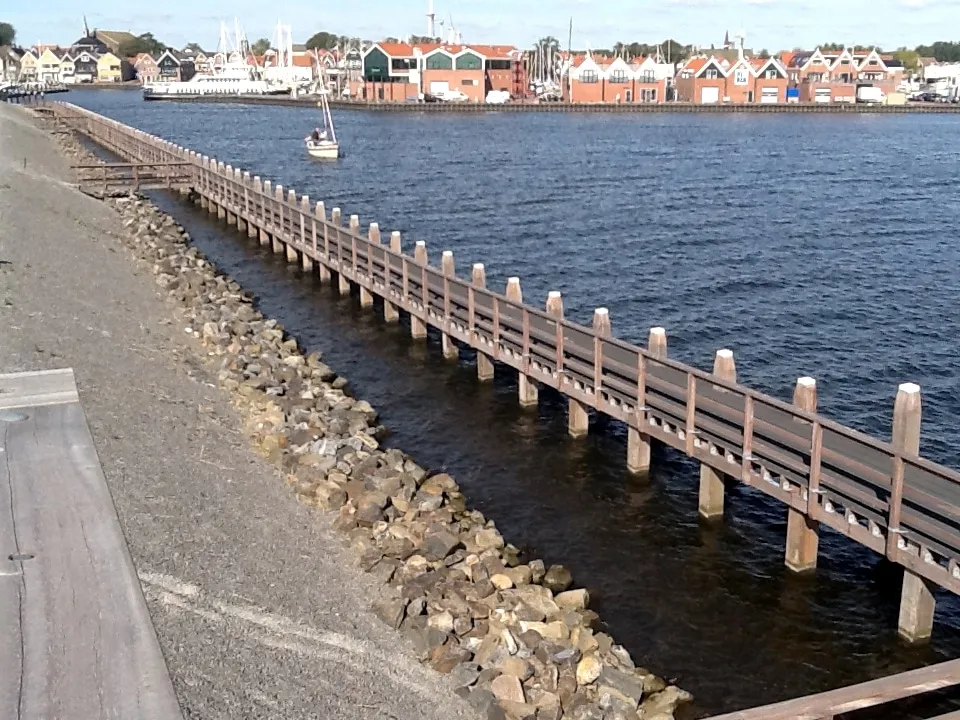
“As well as checking whether the timber used in a project comes from sustainably managed forests, we can also assess whether a batch of timber is suitable for the purpose for which it is used,” says Oscar van Doorn of SKH. “For example, under the CPR we can certify strength-graded timber, which is a requirement for bridges.” His colleague Bas Holleboom adds: “It is also common in civil engineering for us to assess the application itself. What condition is a timber structure, sheet-pile wall, bank protection, fender structure or lock gate in, and is it still fit for purpose? If not, it will be refurbished, and we will return to inspect it after the refurbishment.”
The right timber in the right place
SKH has a long track record in the timber industry. “We are the market leader in assessing timber products and related items such as paint, sealant and screws,” continues Van Doorn. “Our mission is to see as much timber as possible used in the construction and infrastructure sectors. We were closely involved in drawing up the standard for timber in civil engineering, NEN 5493, ‘Quality requirements for hardwood in civil engineering works and other structural applications’. All inspections for civil engineering applications are carried out in accordance with this standard.” Holleboom adds: “Another positive development is the reuse and/or blending of timber streams for applications above and below water. Under FSC and PEFC, only limited blending is permitted, but since the end of 2017, companies have been able to obtain STIP certification for composite products. This encourages the use of the right timber in the right place, with the timber’s sustainable origin naturally taking priority. STIP meets the Dutch government’s criteria. Civil engineering is leading the way in this area.”
Question about this story? Ask your question
Keep following this
Get an email when a new story is published. No account needed.
- SubjectNews







