









Striving for a 100% safe working environment
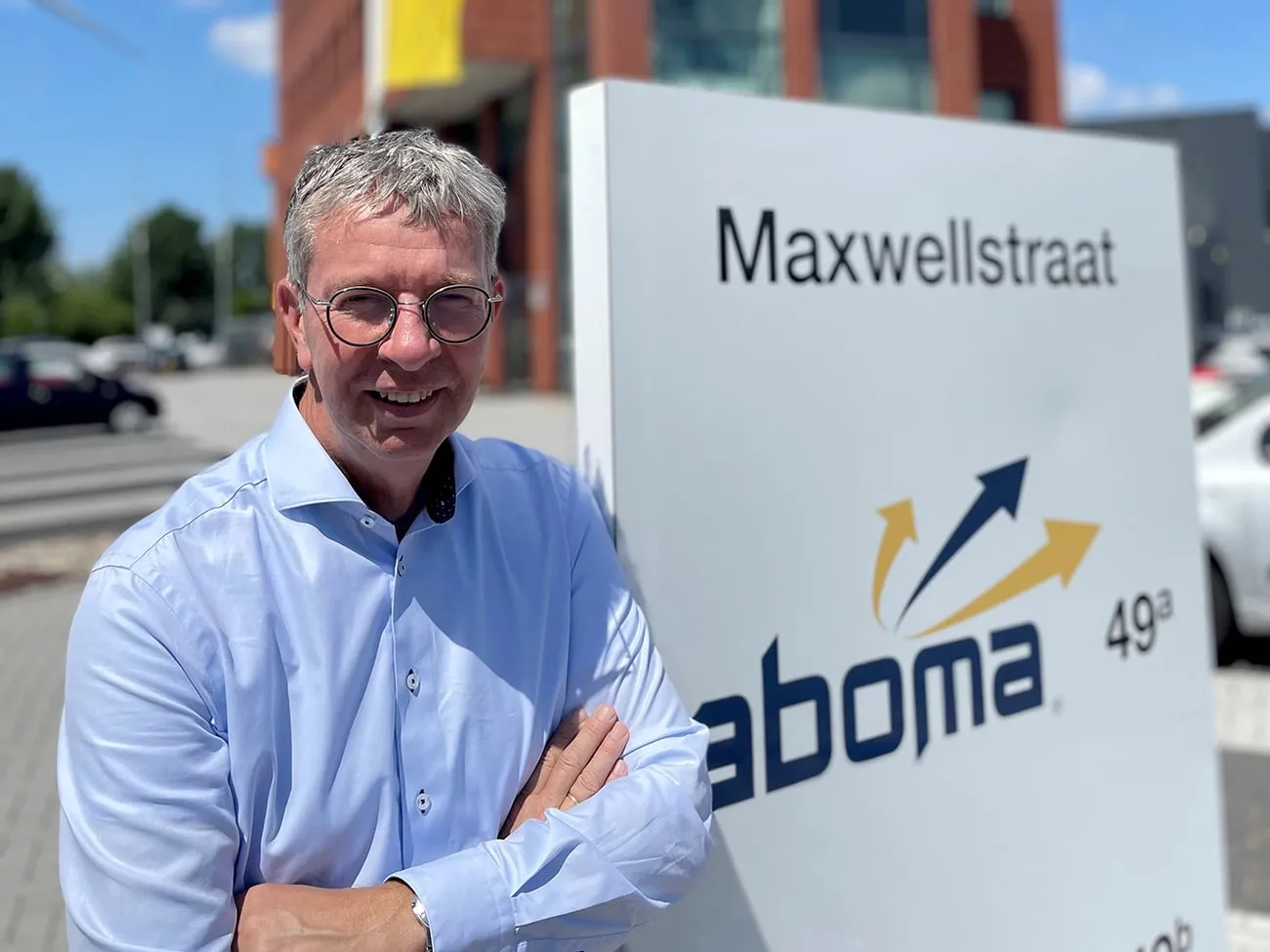
For 60 years, Aboma has worked to improve quality and safety in construction and civil engineering by carrying out inspections and providing training. “Thankfully, unsafe working practices have become socially unacceptable, but that does not mean we have reached our goal,” says Jeroen Lammertse, director of Aboma. “Our goal is to strive for a 100% safe working environment. This is an ongoing process. Future developments, such as the electrification of construction machinery, will bring new challenges.”
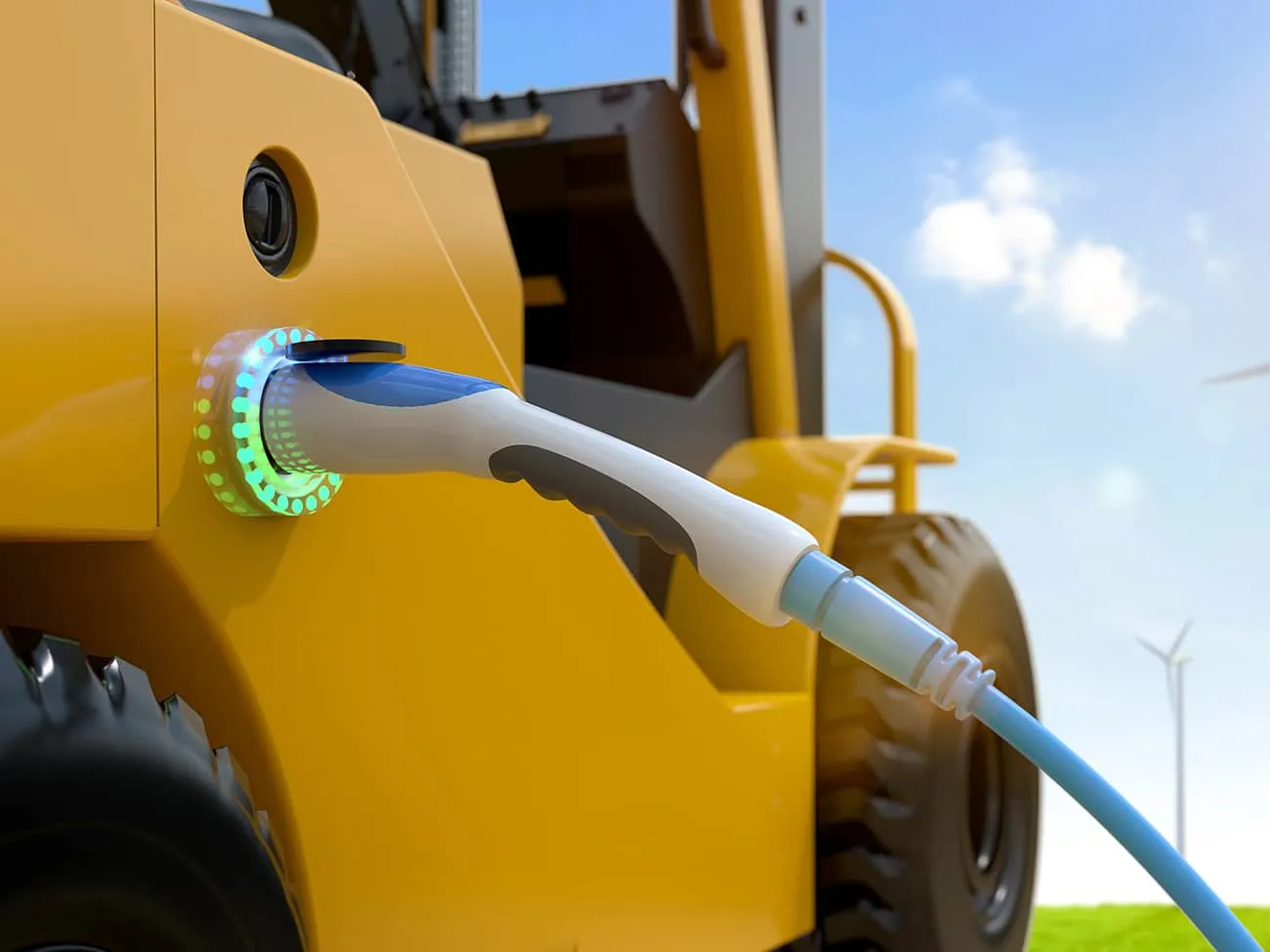
The electrification of construction machinery is gathering pace. “It is a logical development,” says Lammertse, although he is also concerned about users’ level of knowledge. “People are very quick to take matters into their own hands and modify a machine. Bear in mind that this makes you the manufacturer of the equipment, and means you take on all the responsibilities that come with it. In other words, you are responsible for the entire technical file. It is therefore vital to bring the right parties together to manage the process properly. We can provide support and assess the entire process for compliance and feasibility.”
Sensory cues
Smell and sound are often important indicators when operating or locating machinery on a construction site, Lammertse notes. “These sensory cues are often absent from electric equipment. We can all be a little too quick to overlook this, and I do not yet get the sense that it is receiving much attention. Together, we will need to find a solution to keep construction sites safe with electric equipment too. For example, by adding other sensory cues, such as a light or a particular sound signal. We are very active in various consultation bodies and working groups on the ‘construction site of the future’, and are highlighting precisely these ‘prerequisites’ to get the discussion started. We are also working with BOVAG, because electrification extends beyond the construction site to include transport to and from it.”
Stichting Aboma
Aboma inspects equipment in accordance with statutory schemes. “This too requires public support. The schemes are drawn up in collaboration with trade associations, trade unions and users,” Lammertse explains. “Unfortunately, we have to acknowledge that the last of these groups is increasingly dropping out. That is not necessarily always due to a lack of willingness, but it is also essential to ensure proper representation from the users’ side. After all, creating a 100% safe working environment is a collective effort. Inspection and certification only demonstrate that you meet the minimum requirements. That is not the same as wanting to work as safely as possible. People are gradually becoming aware of this and willing to invest in it. The number of companies genuinely striving for a 100% safe working environment is growing. Aboma is investing in this too. A large share of our profits goes to Stichting Aboma, which funds projects to improve safety in construction and civil engineering. A win-win.”
Question about this story? Ask your question
Keep following this
Get an email when a new story is published. No account needed.
- SubjectNews







