









Staying resilient in changing conditions
Text Roel van Gils Image Rijkswaterstaat
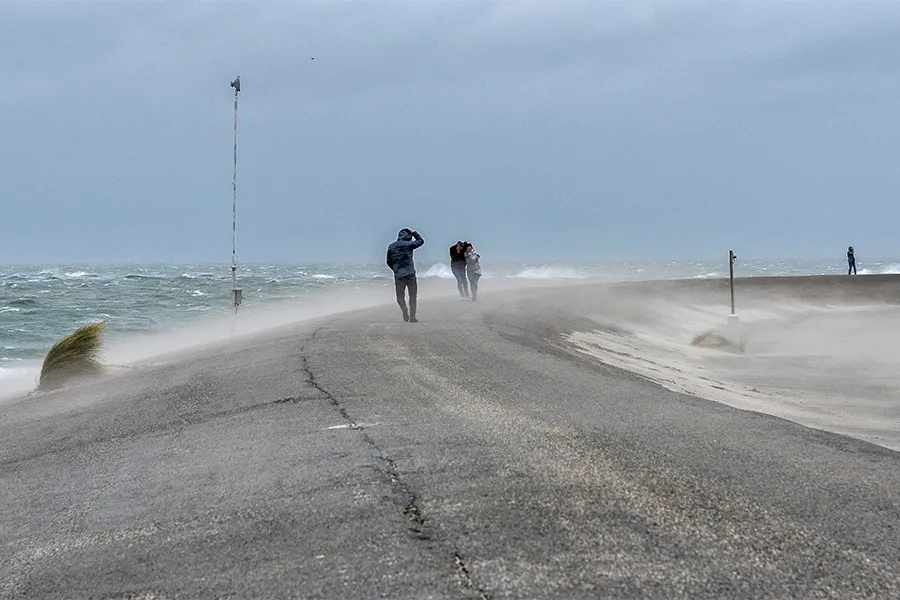
‘The climate is changing faster than our network’
Climate adaptation and sustainability are often mentioned in the same breath. Yet there is an important distinction between the two. Mireille Götz, manager of the Climate Adaptation Focus Area at Rijkswaterstaat, explains: “Sustainability is primarily about mitigation, limiting the impact of climate change and reducing CO2 emissions. Climate adaptation is about staying resilient in changing conditions. And that is quite a challenge for Rijkswaterstaat, because the climate is changing faster than our network of roads, waterways and shipping routes.”
Rijkswaterstaat works with six focus areas. “These are programmes designed to give the organisation an extra boost”, explains Götz. “The Climate Adaptation Focus Area reviews a number of short- and long-term activities for which clear principles have not yet been established. For example, how much water nuisance we are prepared to accept. We can no longer solve everything, and we cannot control the weather. That is why we are talking to our policy colleagues about what society considers acceptable, and at what cost and level of performance. All these issues and the agreements made about them need to be embedded in every stage of our work processes, from preparing programmes to carrying out work in the field. The focus area also has an important spatial dimension. To continue taking climate-adaptive action in the future, we need physical space, for example to create water storage or reinforce our dikes.”
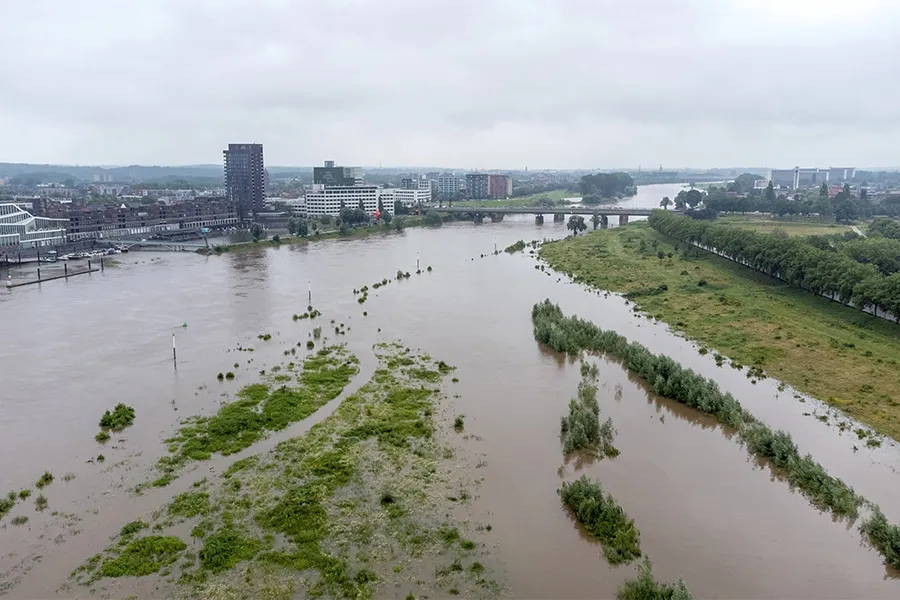
Asset maintenance challenge
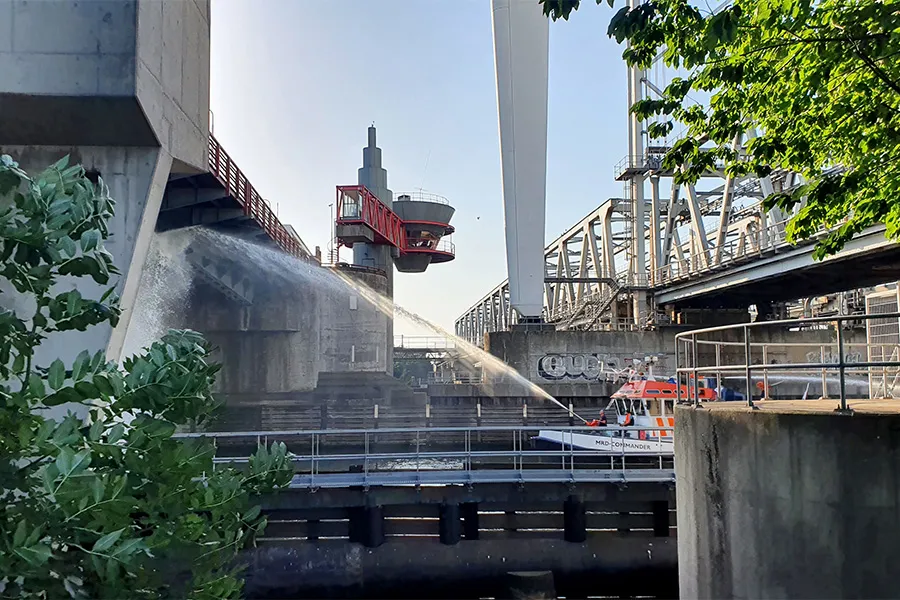
Action is also needed in the short term. Götz points to the asset maintenance challenge. “The Climate Adaptation Focus Area has developed and agreed an approach for taking small ‘no-regret’ measures as part of ongoing work, or making certain elements slightly more robust, so that they are better able to withstand the effects of climate change. These effects are already clearly visible across our networks. Longer periods of drought lead to increased salinisation and can cause fresh water shortages. This affects shipping. In extreme heat, movable bridges can seize up. They are often cooled using water from fire engines, but that is a fairly expensive operation. One possible precaution is to attach permanent pipes to the bridge deck, making it easy to pump water through them to cool the bridge. Another option is to use a different type of asphalt. For example, light-coloured asphalt is being used in the renovation of the Spijkenisserbrug, so that temperatures do not rise as high and the steel expands less, reducing the risk of the bridge seizing up. Wherever possible, we are taking climate measures as part of our asset maintenance work without slowing down the rate of delivery.”
Climate scenarios
The other side of climate change is the increasing intensity of rainfall. “Torrential downpours can flood sections of road and tunnels. When there is too much water, we want to retain as much of it as possible in the area or store it nearby, so that we can use it during periods of scarcity. These are all decisions that need to be made, and we use the latest KNMI scenarios to determine which measures to take. But the weather is unpredictable, and not all impacts can be mitigated 100 per cent, even if we had an unlimited number of people and resources”, stresses Götz, who advocates modular construction for the long term, so that capacity can be scaled up or expanded easily in the future. “When renovating a pumping station, you could already plan for future needs. Say you might need more capacity in x number of years: you could reserve land for it during the renovation, or even lay the foundations. When you need those extra pumps, you can scale up capacity quickly and efficiently.”
Broad scope
“Our existing network presents enormous challenges, and we have to make many choices to get things right for future generations”, Götz concludes. “This goes far beyond Rijkswaterstaat’s remit. Through the Climate Adaptation Focus Area, we are involved in the National Adaptation Strategy, an intergovernmental strategy overseen by our Ministry, which aims to make the Netherlands climate-resilient and water-robust. Rijkswaterstaat is also working hard on climate adaptation, including through the Flood Protection Programme, the sea-level rise knowledge programme and other major area developments. Climate adaptation is a complex field, given its dynamics and uncertainties. Every decision is carefully considered on the basis of the available knowledge, facts and insights, making our mission to make the Netherlands resilient to climate change exceptionally fascinating.”
Question about this story? Ask your question
Keep following this
Get an email when a new story is published. No account needed.
- SubjectNews







