









Separator manufacturers must leave nothing to chance!
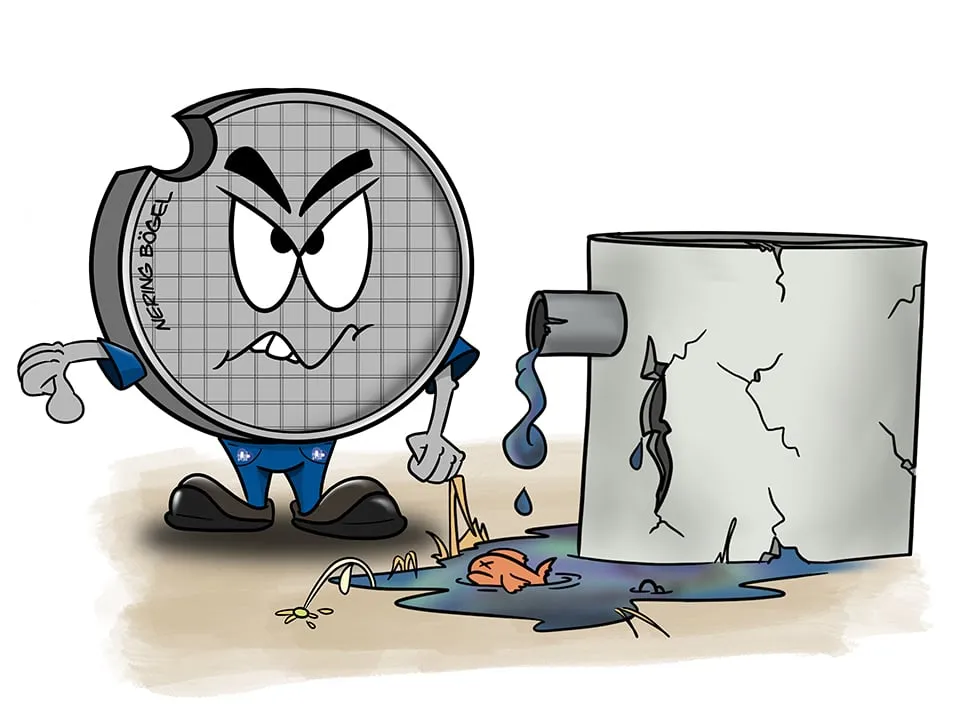
How is it that substandard chambers can still slip through the cracks in the law?
“It goes into the ground and you never hear about it again” seems to be the best-known excuse for buying inferior-quality separators. Oil and grease separators are an integral part of our infrastructure and underground drainage systems. They are often required under the ‘Activities Decree’ in situations involving wastewater containing settleable solids, mineral oils and fats, or fats of animal and/or plant origin. Separators remove and store waste materials by settling them out as sludge or allowing them to float to the surface as a scum layer. They therefore prevent waste materials, which are often hazardous to the environment, from being discharged into sewers or surface water, and provide temporary storage for these substances.
The situation up to 2004
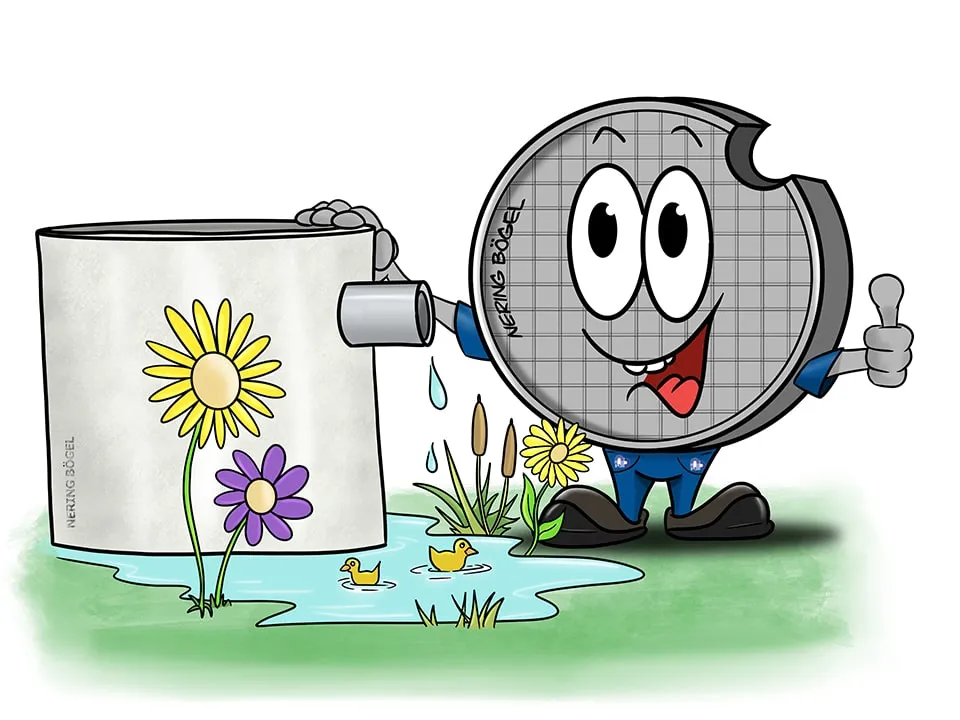
Up to 2004, many countries, including the Netherlands and Germany, had jointly drawn up strict product standards that separators had to meet. If manufacturers met all the requirements, they received KOMO certification in the Netherlands and a Bauaufsichtliche Zulassung in Germany. Products that did not meet the requirements were rejected and had to be redesigned. An independent third party therefore tested and verified whether a product met the specified requirements (so-called ‘third-party control’). In the Netherlands, this was carried out by KIWA. This gave manufacturers, authorities, buyers and end users clarity, confidence and reliability. The safe service life was set at a minimum of 20 years.
CE marking became mandatory
Richard Janssen, director and owner of Nering Bögel, explains: “In the late 1990s, greater European cooperation became necessary. Every country had to have equal opportunities. In short, everyone had to be able to take part. Apparently, this was considered more important than specifying a product that met sound quality standards. After a long and intensive process, the European product standards for oil and grease separators were therefore finalised by the European standards committees in 2004, and all national product standards were withdrawn. National product standards and mandatory product certification could no longer be imposed, as they were considered barriers to trade.”
More ‘achievable standards’ were introduced, which no longer had to be checked by an independent third party. “For countries such as the Netherlands and Germany, this was a major blow. Years of work to build quality awareness and establish a minimum quality level were thrown away. In effect, we were back where we started, and that is what caused the problems,” says Janssen. “Rainwater tanks are once again being sold as separators. Features such as the internal lining, minimum wall thicknesses and reinforcement are no longer specified. This can have all kinds of consequences. Cracked separators can lead to environmental liability claims, while subsidence in a road surface can cause damage running into hundreds of thousands of euros.”
Technical Construction File mandatory
The fact is that all products in Europe must be built in accordance with CE requirements. Every product must be backed by a complete ‘Technical Construction File’ (TCF), enabling national authorities to check compliance. Janssen says: “This is mandatory. But who actually checks? Manufacturers now put a CE sticker or stamp on their own products and supply a signed (self-issued) Declaration of Performance. The builder or client assumes this absolves them of responsibility and means the product complies with laws and regulations. The chances of eventually being caught are extremely slim.”
In a future edition, Nering Bögel will explore this topic in greater depth and explain in detail how a good separator is manufactured and what it must meet.
Question about this story? Ask your question
Keep following this
Get an email when a new story is published. No account needed.
- SubjectNews







