









Savings essential to keep water engineering programme deliverable
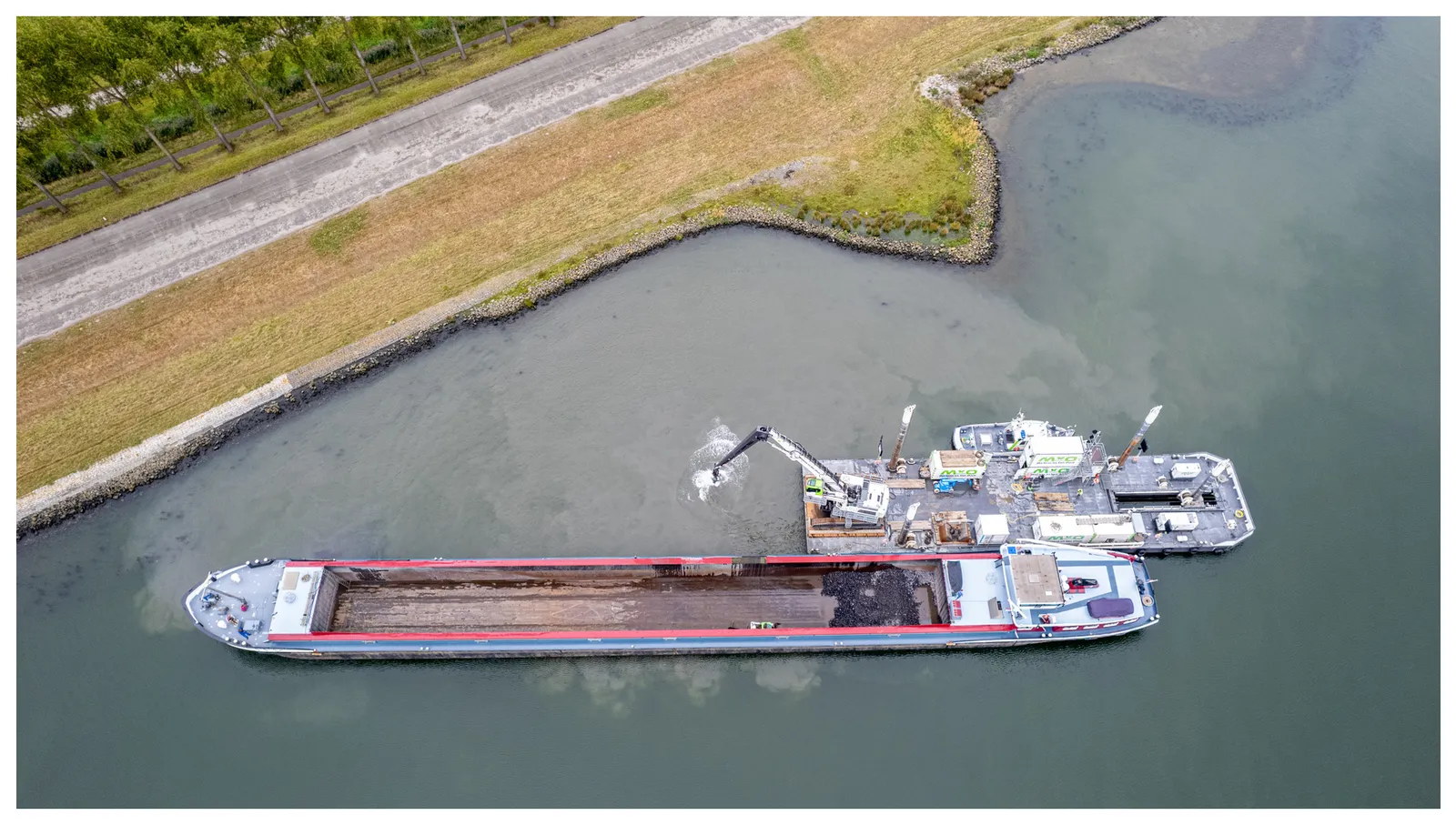
The Vereniging van Waterbouwers welcomes the additional € 1.5 billion the government has made available for the wide-ranging infrastructure programme. However, this is only a small fraction of the € 80 billion needed for the programme as a whole. The association also believes that a more delivery-focused approach in the water engineering sector could save hundreds of millions of euros each year. These savings would mean fewer projects have to be postponed and the replacement and renovation programme can be delivered sooner, allowing society to benefit from the results earlier.
The system is no longer sustainable
In too many cases, the current system of governance in the Netherlands is geared towards risk management and shifting responsibility, while the water engineering replacement and renovation programme requires speed, ownership and clear direction. A great deal of money from the national budget is spent on ancillary matters rather than dredging waterways, protecting the coast, maintaining bridges and locks, strengthening dikes or improving nature and water quality. Given the budget deficit and the scale of the water engineering programme, a different way of working is needed.
A delivery-focused approach
The Vereniging van Waterbouwers is therefore calling for a delivery-focused approach that puts delivery and action first. This approach has proved its worth time and again in emergencies. When a dike is breached or shipping is disrupted, all parties involved coordinate immediately, allowing decisions to be made and action taken quickly. This contrasts sharply with standard practice in water engineering, where a great deal of time and money is spent on endless consensus-building, developing and implementing so-called opportunities to combine projects, and trying to give equal weight to every interest. Conflicting regulations increase public opposition and make the eventual solution much more expensive.
System change
Different governance decisions are needed to break this impasse. Limited budgets and workforce capacity demand less fragmentation, more authority delegated closer to delivery, greater standardisation and explicit prioritisation of societal interests. This will involve some difficult choices for everyone: government, office staff and construction site teams alike. But ultimately, the Netherlands will benefit if the water engineering sector has to spend less time on paperwork and can do more of what it does best: working outdoors, in practice and with a hands-on mentality to deliver concrete solutions to societal challenges.
This really can and must be done differently, so that those euros go back into the ground!
Question about this story? Ask your question
Keep following this
Get an email when a new story is published. No account needed.
- SubjectNews







