









Prevent vehicle collisions on construction sites
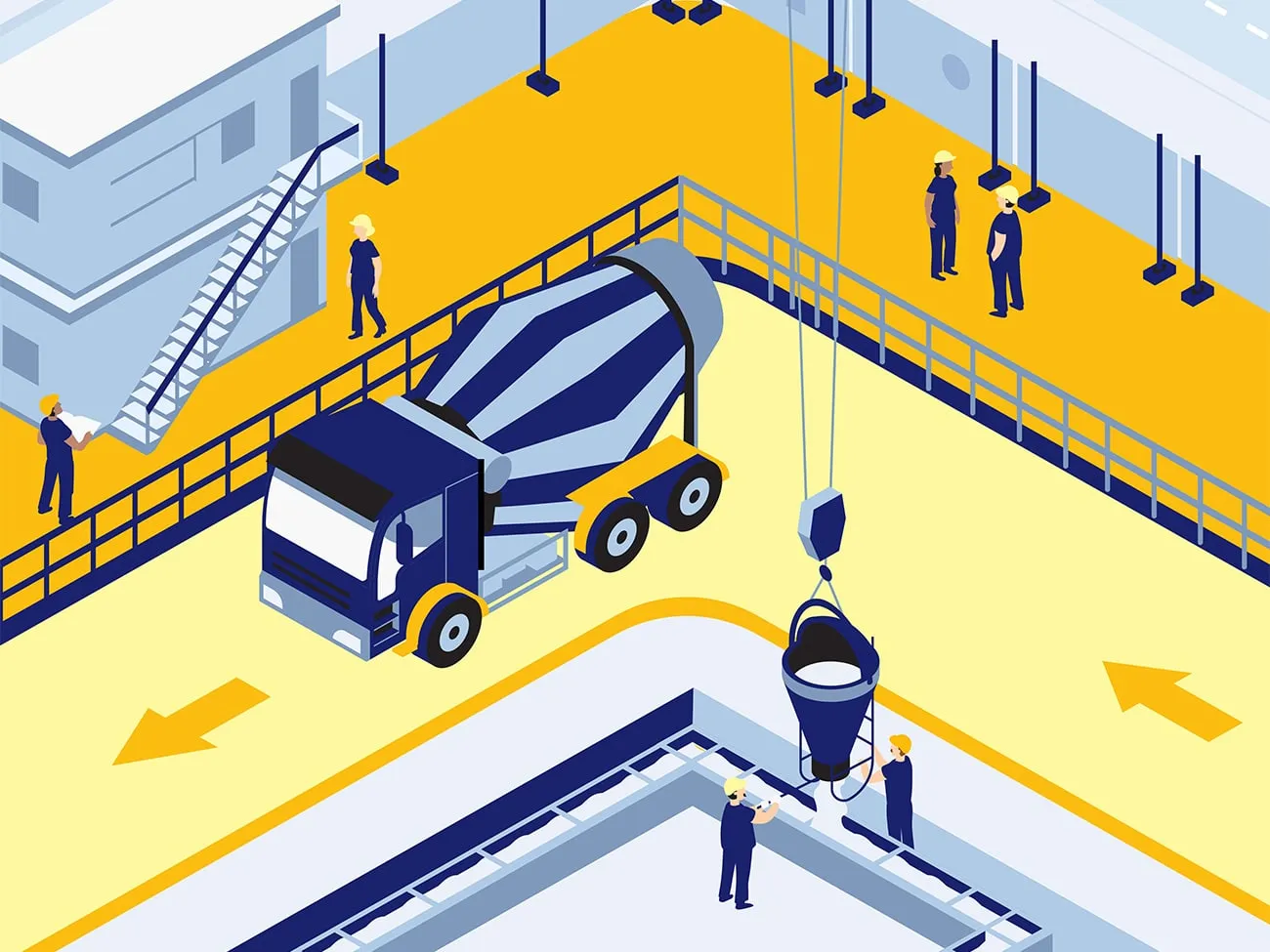
In recent years, a large number of serious incidents involving manoeuvring vehicles and machinery have occurred on construction sites in the Netherlands. This prompted the participating parties to make major changes to their policy on preventing vehicle collisions under the Governance Code for Safety in Construction (GCVB). Oeds van der Wal of Aboma explains how organisations can make the most of the Policy on Reducing Collision Risks.
Clients and contractors have joined forces to improve safety throughout the entire supply chain. The relevant policy is set out in the so-called Governance Code. “It is essentially a set of agreements to which signatories commit and which they actively put into practice,” explains Van der Wal. “As insights evolve and/or new technologies emerge, topics and policy measures within this set of agreements are regularly updated. The Policy on Reducing Collision Risks therefore replaces the 2019 document ‘Policy on Collision Protection for People on Vehicles and Construction Machinery, version 2.0’ and goes beyond simply prescribing technical measures.”
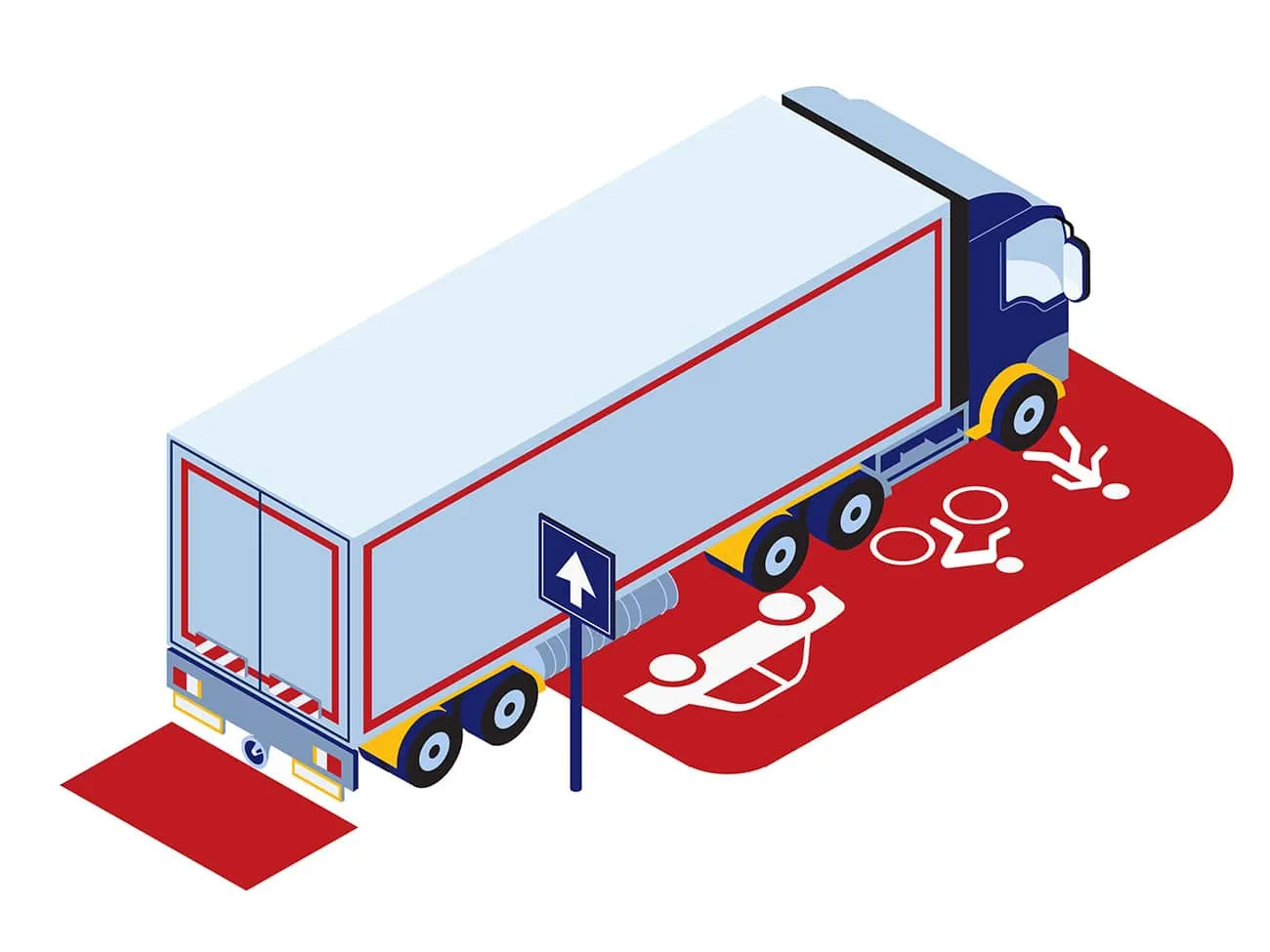
Tackling risks at source
“The new policy measure aims to tackle risks at source,” Van der Wal continues. “In this respect, the new policy follows the hierarchy set out in the Working Conditions Act. In practical terms, this means avoiding construction traffic and machinery on a construction site wherever possible. If that is not possible, the source must be isolated by clearly separating construction traffic from pedestrians using wide, well-laid-out site roads, good lighting and so on. Thirdly, the new policy states that organisational measures must be taken to limit construction traffic, such as unloading at night. Investment is also needed in technical measures to warn bystanders of imminent danger. Preferably not with a beeping signal, since that is all too familiar (and irritating to everyone) on construction sites, but with white noise: a soft hissing sound that gets louder when someone enters the danger zone. Finally, it is essential to provide information proactively and give clear instructions to bystanders.”
Aboma supports contractors and clients with site layout planning to prevent vehicle collisions. “We draw up safety plans not only for areas inside and outside the site perimeter, but also the BLVC plan,” says Van der Wal. “BLVC stands for accessibility, liveability, safety and communication, and covers the entire route from the motorway exit to the construction site. We also take adjacent projects into account. The situation can change at any time during a project. It is essential to communicate about this consistently and clearly, including with the local community and the competent authority responsible for issuing permits. Thanks to our many years of expertise in this area, we can implement the Policy on Reducing Collision Risks effectively and tackle risks at source.”
Question about this story? Ask your question
Keep following this
Get an email when a new story is published. No account needed.
- SubjectNews







