









One small sensor makes a difference
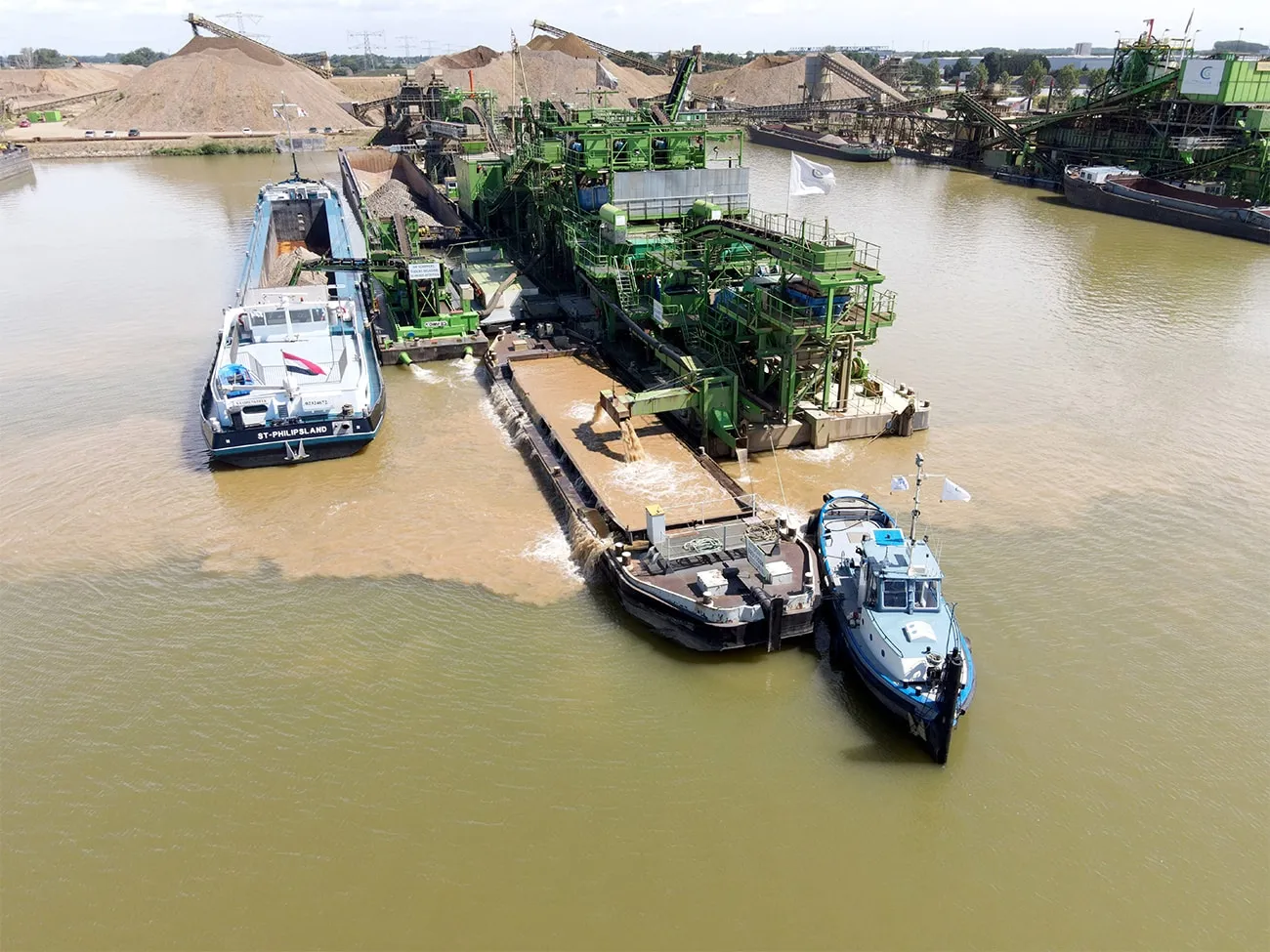
The Grensmaas Consortium extracts around 100,000 tonnes of gravel every week. That takes a huge logistical operation. The process cannot be allowed to grind to a halt, especially without warning. With just one sensor, Hans van der Meer can now monitor that risk.
Hans van der Meer is head of production and technical services for the gravel extraction operation. “To give you an idea, one tonne is equivalent to eleven wheelbarrow loads. We extract 4.5 million tonnes of gravel here each year. Gravel extraction is a key part of the Grensmaas project. It is the financial engine and one of the project’s three main pillars. Thanks to gravel extraction, there is no cost to the taxpayer, while we deliver flood protection and nature development. We also call this self-realisation,” explains Van der Meer.
When we arrive in Born to visit the project, we spot another remarkable initiative. A full-scale set is being built for an open-air opera. Performers on floating platforms, synchronised swimmers in the water, lighting rigs on cherry pickers and surtitles displayed from a crane. In the days that follow, a grandstand with room for a thousand spectators will be built. Six open-air performances of the opera De Kleine Zeemeermin are scheduled. It is a striking example of culture and business working together. “We received the request from the Limburg-based company Opera Compact and thought it was a really fun idea,” Hans says with a smile. “But it involves quite a lot of work. On the water too, for that matter.”
Gravel extraction
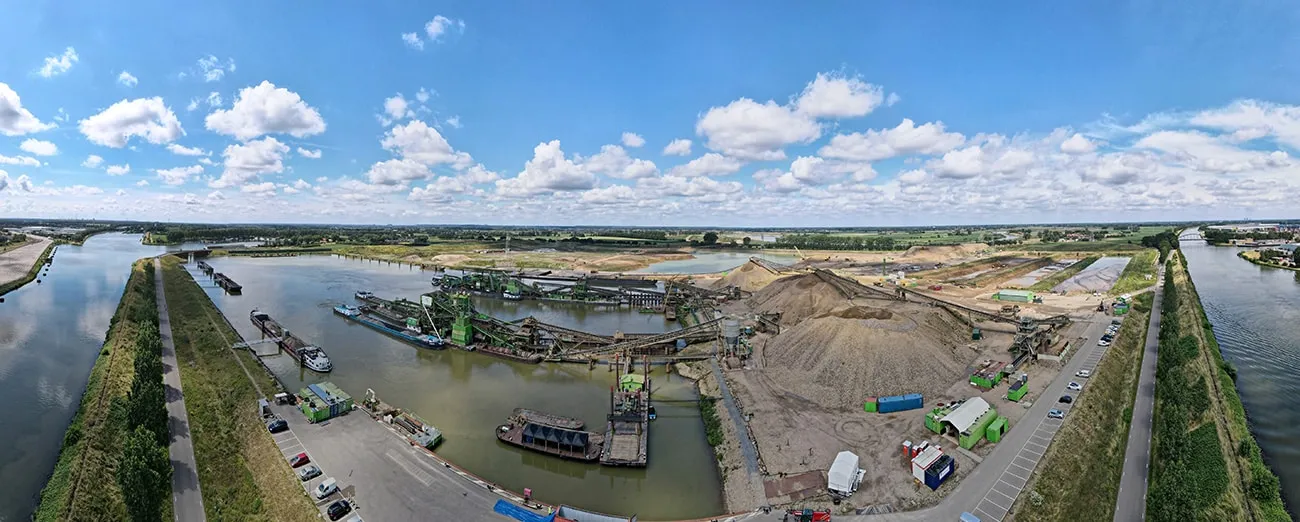
Back to gravel extraction. It is hard to find a better example of a win-win-win situation in the Netherlands. Limburg was hit by two floods on the Meuse in 1993 and 1995, causing €200 million in damage. The public demanded better flood protection, but the cost, around €700 million, was a stumbling block for years. That changed when an agreement was reached with the Grensmaas Consortium, a partnership of contractors, gravel producers and Natuurmonumenten. It provided for flood protection and nature development to be funded by the proceeds of sand and gravel extraction along the Meuse. The river has now been given an extra 350 hectares of space to carry water, equivalent to around 500 football pitches. The river channel has been widened, banks lowered and dykes raised.
Residents can see the difference straight away: water levels rise more slowly and remain lower after prolonged periods of rain. South Limburg now stays dry at the same water level as in 1993 and 1995. And along the Meuse, 1,000 hectares of new nature are being created, which research suggests will eventually attract a million cyclists and walkers.
Back to gravel extraction for the Grensmaas project, through which the Consortium must recoup its €700 million investment in flood protection and nature development. That depends on the logistics process running smoothly. “All the extracted materials are transported by inland vessel, and the ships need to be able to come and go continuously. It is a constant puzzle to get everything shipped out at the right time,” Van der Meer stresses.
Tout-venant
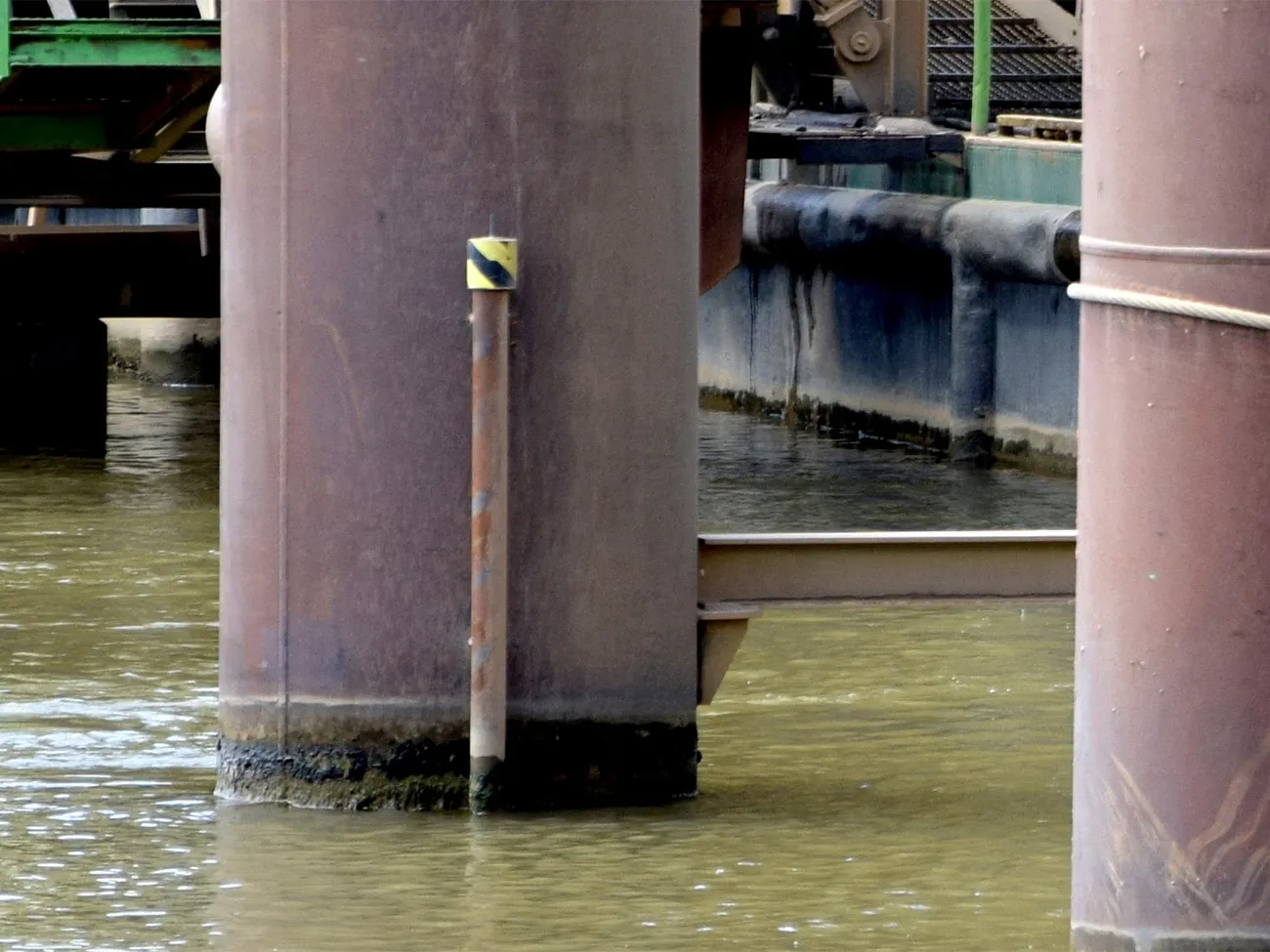
The mixture of sand and gravel that is excavated is called tout-venant. In South Limburg, it consists of 80 per cent gravel and 20 per cent sand. It is excavated using huge diggers and transported in specially developed trucks. “Further north in the province, the tout-venant contains more sand than gravel. That is due to deposits from the Ice Age.” An ingenious system of conveyor belts, screening machines, washers, screw conveyors and many other machines is used to wash and sort the gravel. Each gravel size has its own end use, from asphalt to decorative gravel.
During our visit, the Grensmaas is already showing its capricious nature. “Look,” says Hans. “The river is many times wider now than it was a few weeks ago. The rain has turned it into a substantial river, and piles of excavated gravel that were on the bank two weeks ago are now in the water. There is also a huge difference between summer and winter. In summer, around 40 cubic metres of water flow past per second on average; in winter, that can rise to 2,500 cubic metres. During the floods of 1993 and 1995, it was around 3,200 cubic metres.”
Water levels
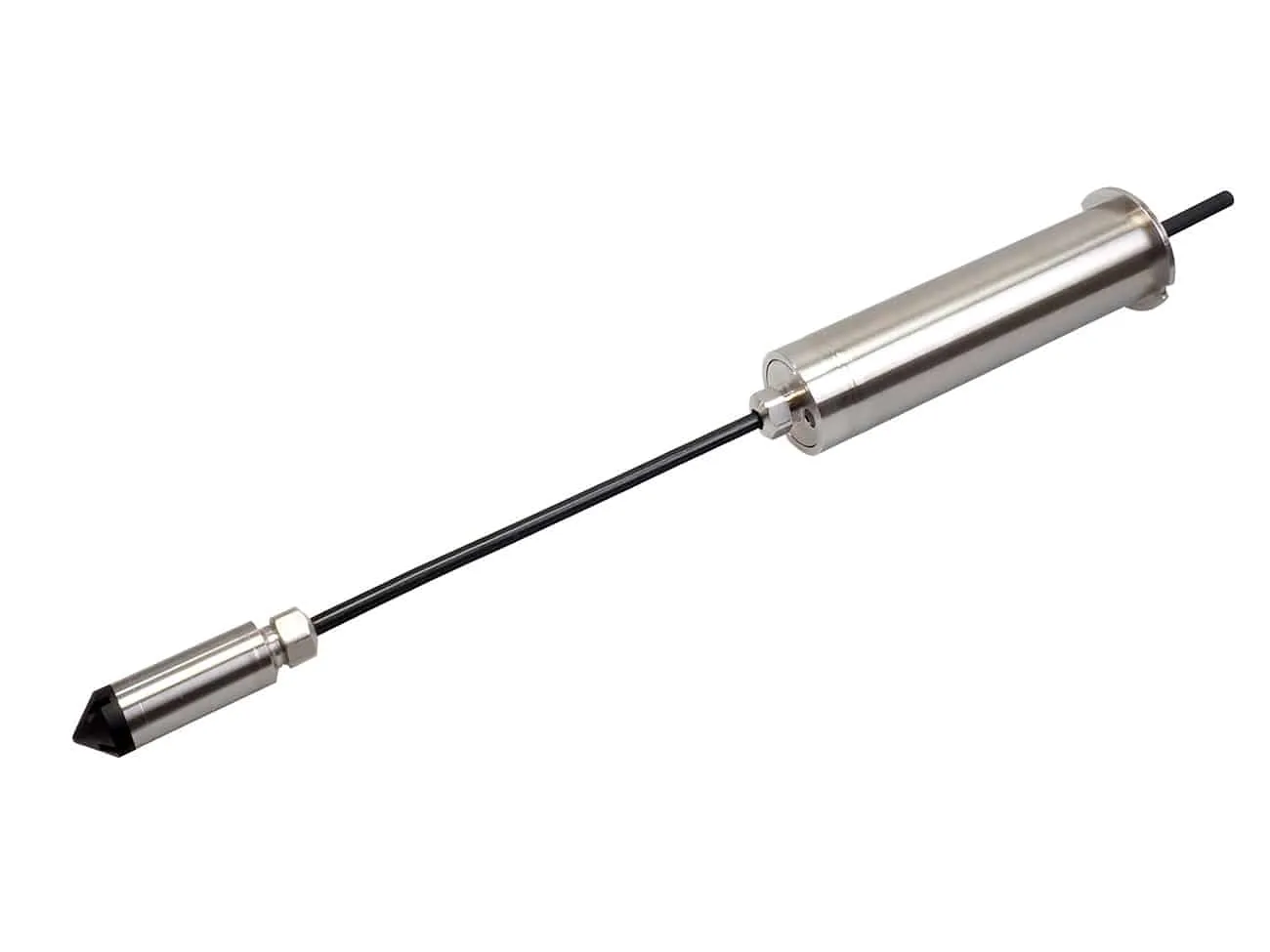
Because of the nature of the production process, progress depends to a large extent on the water level in the Meuse. That level fluctuates considerably, partly because of sluice operations. Van der Meer wanted to be able to monitor and record the water level accurately, including for communications with Rijkswaterstaat. “I’ve installed a level sensor on a mooring post in the harbour. It transmits water levels to the cloud over a LoRa network. This KELLER system gives me a live view of the water level on a dashboard in my office. Martijn Smit from KELLER helped us get the system up and running, and thanks to the sensor’s connection to KELLER’s own Kolibri cloud, we now have access to all the information it can provide.”
That matters because if the water level is too low or too high, the process may have to stop. “We had the impression that the water level fluctuated much more than Rijkswaterstaat indicated, and that turned out to be true. In fact, the fluctuations were four to five times greater. Now that we can monitor the level ourselves, we can raise the alarm in good time.”
The digital level sensor, series 26 X, measures not only the water level but also the temperature of both the water and the air. “We cannot produce if ice forms. So we want to know about that as early as possible too. Under normal conditions, production takes place here six days a week, from seven in the morning until seven in the evening. If we know that is going to change, we need to be able to respond as quickly as possible.”
Een zakelijke vraag aan Keller Funderingstechnieken B.V.? Get in touch
Companies in this story
Keep following this
Get an email when a new story is published. No account needed.
- SubjectNews
- CompanyKeller Funderingstechnieken B.V.







