









Netherlands Labour Authority: learning from an accident
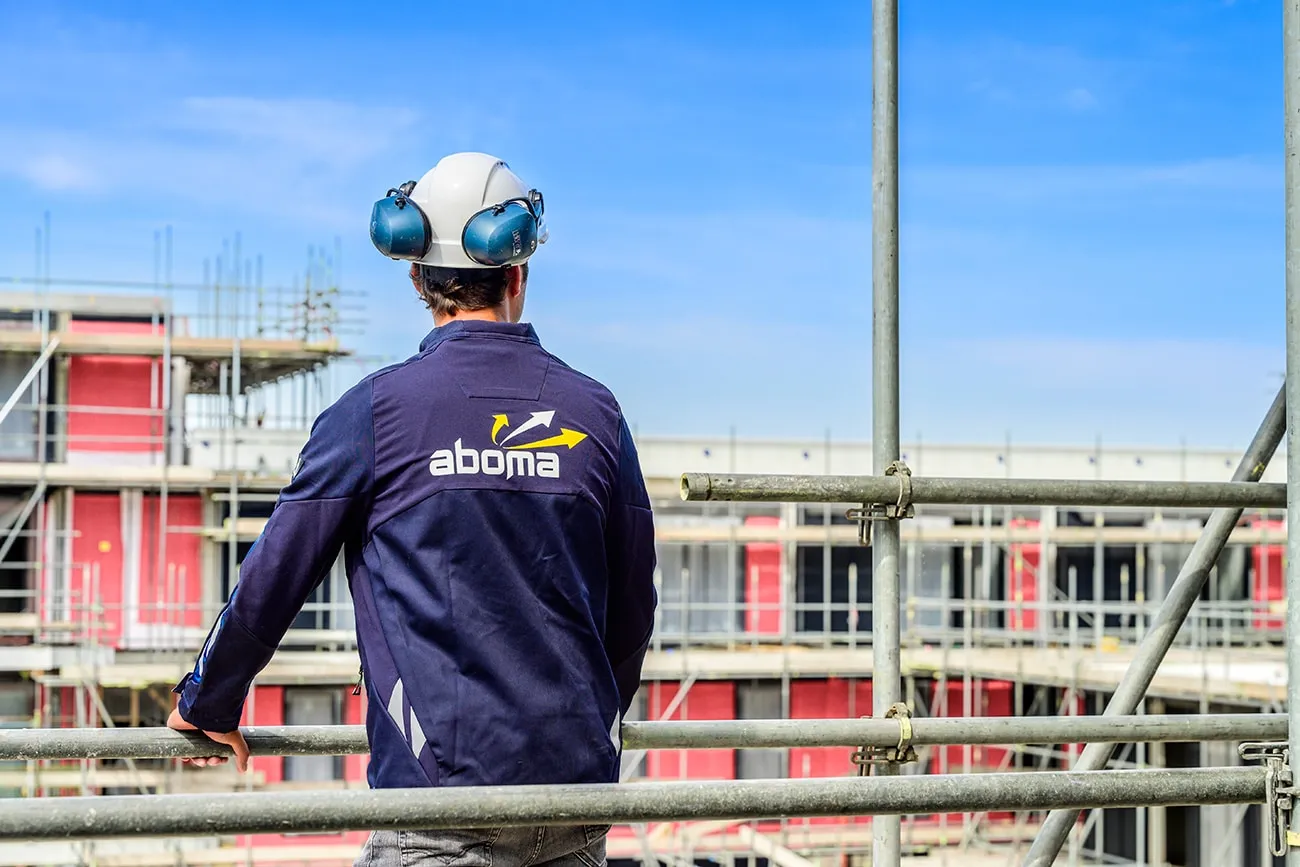
For many years, labour inspectors from the Ministry of Social Affairs and Employment (SZW) investigated workplace accidents themselves and then imposed a penalty. This still happens, but under strict conditions, employers can now investigate certain accidents themselves, for example those involving minor injuries. In such cases, no penalty is imposed, provided the employer draws up and implements an improvement plan. Michel Schenk, an adviser at Aboma, explains how it works.
The number of workplace accidents has been rising for years. The Netherlands Labour Authority has explored new ways of handling accident investigations, with the aim of helping employers learn from accidents. In some cases, investing in safety can achieve more than imposing a fine. Following a successful pilot, a differentiated approach to accident investigations was launched on an experimental basis in 2021 and has since been further developed. For accidents involving minor injuries, inspectors from the Netherlands Labour Authority can decide to let the employer investigate the accident and report on it. “The aim is for companies to learn from an accident,” says Schenk. “What went wrong, how could the accident have been prevented, and what measures will be taken to make sure it does not happen again?”
Self-reflection
Companies are still required to report accidents. “Under the new approach, the Netherlands Labour Authority still visits the site to examine the accident and assess its severity and the consequences for the employee,” Schenk continues. “It then checks a number of conditions to determine whether the employer is eligible to conduct its own investigation. One condition, for example, is that the company has a risk inventory and evaluation (RI&E) that has been assessed, and that a sufficient degree of self-reflection is already in place. If all the requirements and conditions are met, the company can use the differentiated approach to accident investigations. The employer is asked to establish the circumstances of the accident and draw up an improvement plan. So the process goes beyond the accident itself. A template has been developed for conducting the investigation and drawing up the improvement plan, which is assessed by the Netherlands Labour Authority. If the plan is approved, the inspectorate does not impose a fine. A year later, however, it checks whether the improvements have actually been implemented.”
The main aim of the differentiated approach to accident investigations is to help companies learn from workplace accidents themselves, Schenk summarises. “That means not immediately adopting a legal defensive stance, but genuinely working to improve safety. We are seeing companies in the construction and infrastructure sectors taking this increasingly seriously. There is genuine focus on ‘working safely’. At Aboma, we support companies in every way we can. That includes not only accident investigations, but also training and education across the entire chain, to encourage greater self-reflection and help create a safe construction site.”
Question about this story? Ask your question
Keep following this
Get an email when a new story is published. No account needed.
- SubjectNews







