









Naardermeer nature benefits from railway project: wildlife crossings a great success
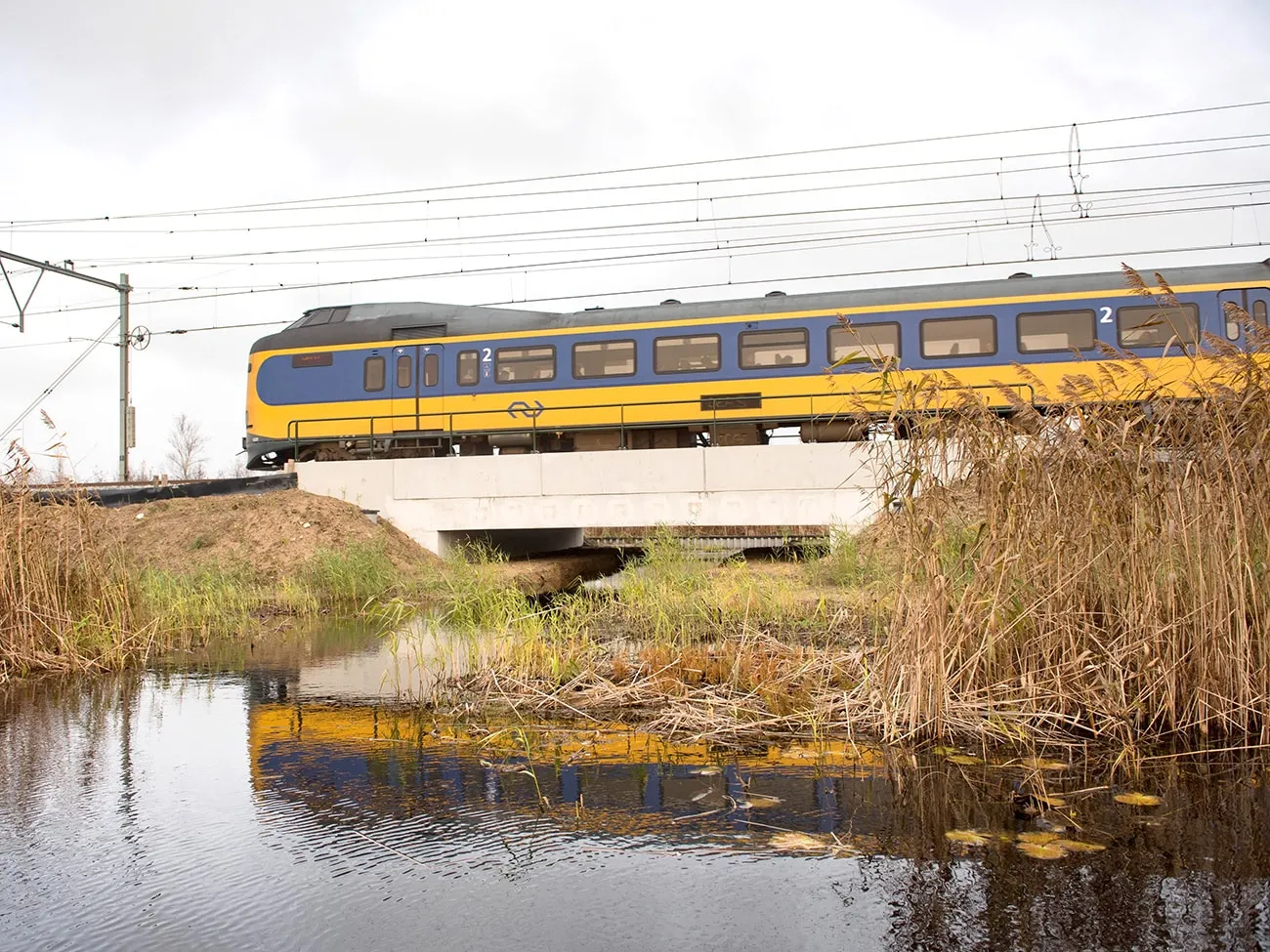
Pine martens, badgers, Daubenton’s bats, frogs and even grass snakes are finding the wildlife crossings beneath the railway in the Naardermeer nature reserve. Two years after the underpasses were completed, camera footage and analysis have provided hard evidence. The unusual partnership between ProRail, Mobilis, Natuurmonumenten and the province proved a winning formula: ‘Nature can successfully benefit from a railway project. This could happen much more often.’
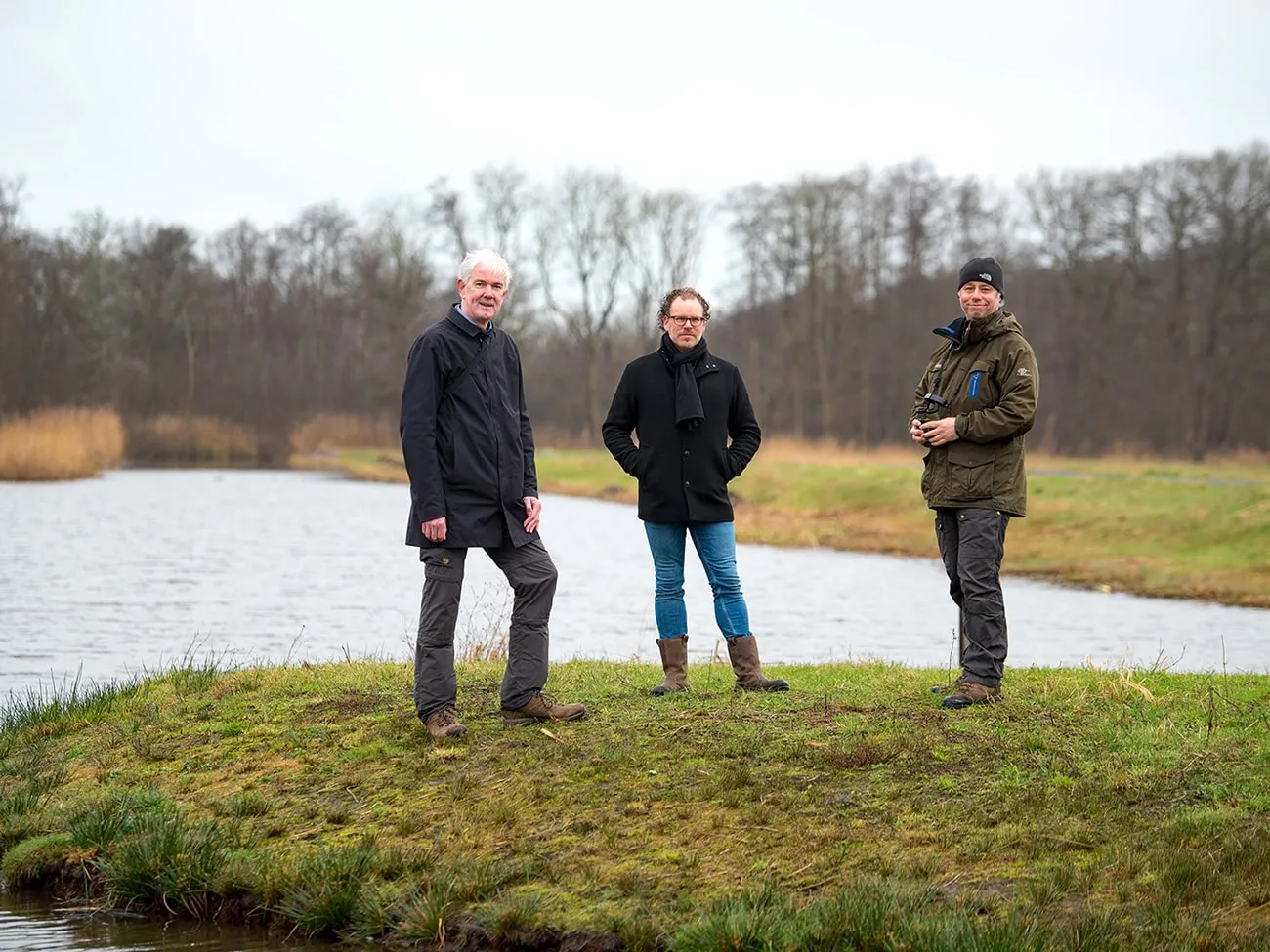
“I actually knew it was working just 3 days after the wildlife crossings were completed. That’s when I found the first deer tracks beneath the railway,” says Natuurmonumenten ranger Luc Hoogenstein, pointing to the various cameras monitoring wildlife. The so-called camera traps provide hard evidence that animals are moving from one side to the other, benefiting from a much larger habitat. Hundreds of deer, badgers, foxes and frogs have now been recorded. The camera is triggered whenever an animal passes. “In reality, the numbers are much higher, because not every crossing is recorded,” the ranger says from experience.
A golden opportunity
We go and see for ourselves in this remarkable nature reserve on the outskirts of Amsterdam, which is open to walkers and cyclists from sunrise to sunset. We meet at gasterij Stadszigt, which also served as the starting point during the railway project: all the construction workers, their hot and cold meals and small building materials were transported by boat. It was a unique collaboration in which the contractor, railway manager, province and nature organisation worked together and challenged one another. There is no sign of the work carried out in August 2019, apart from the results.
“It was a golden opportunity to connect the nature reserve, and we seized it. This meant the wildlife crossings could be built affordably alongside the planned work. But it didn’t happen automatically. These parties don’t naturally find their way to one another. I’m still proud that we managed it. And it’s even more rewarding to know that it works so well,” says Luuk van Hengstum of ProRail as we explore the various underpasses in the area on a drizzly Thursday morning.
Daubenton’s bats, badgers and martens
Natuurmonumenten knows a lot about nature, but little about construction. The reverse is true of Mobilis, ProRail and the province of North Holland. Yet the 4 parties found one another and identified suitable locations for wildlife crossings. “We started with 27 potential locations for underpasses, assessed from a nature perspective. Then came the rigorous ‘construction and railway perspective’: would a structure fit beneath the railway at that location? How large could the underpass be? Were the animals that would use the crossings even present at the different locations? And was it financially viable? After much deliberation, 9 locations remained,” recalls rail project manager Luuk. A total of 9 crossings were built. Mobilis constructed 2 new culverts with wildlife passages and fitted 2 existing culverts with wildlife passages.
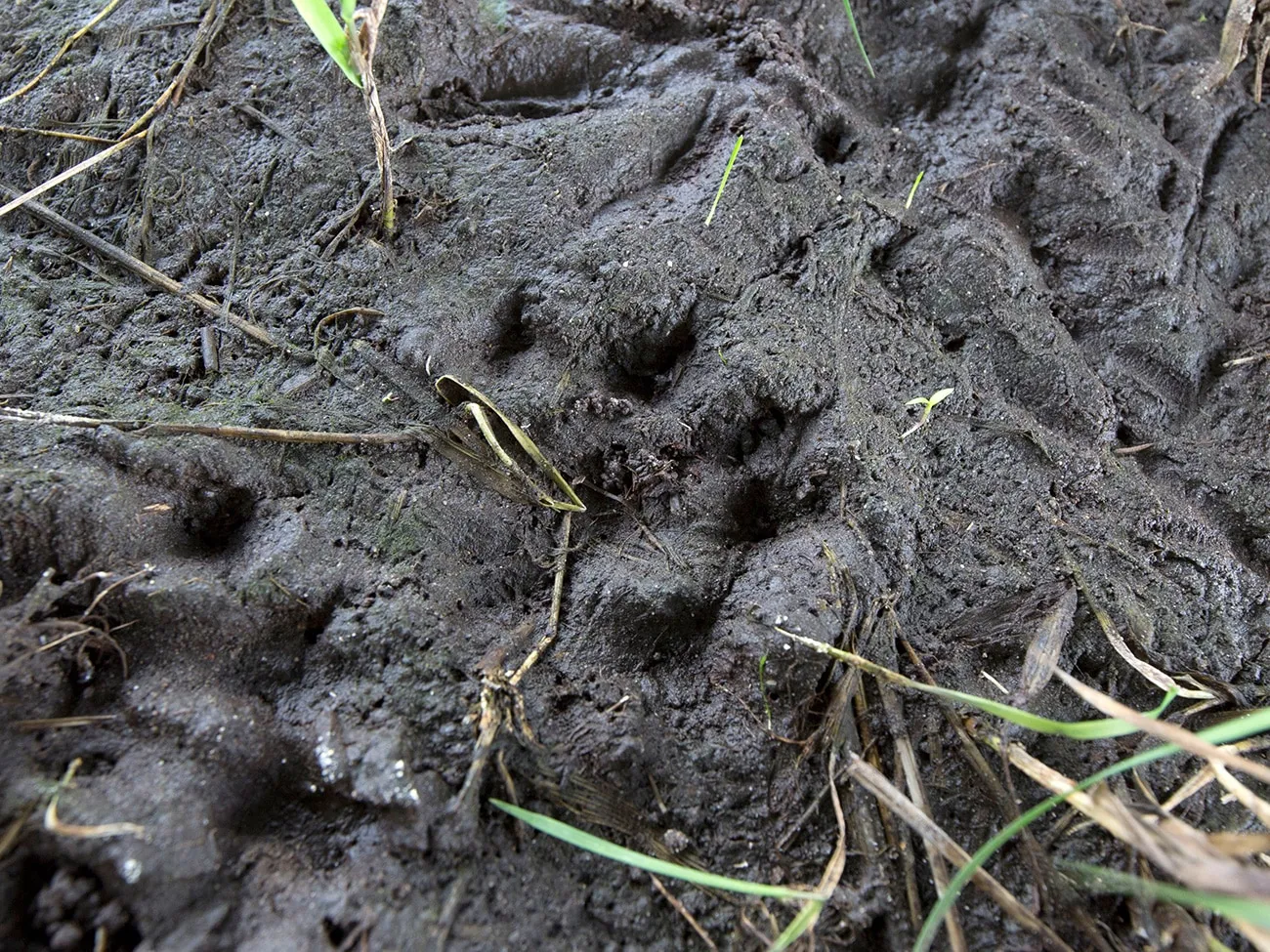
The underpasses are all quite different. One is submerged, “making it suitable for fish and Daubenton’s bats, and even birds such as water rails and coots”. Another is combined with a footpath and suitable for deer, foxes and badgers. Two more wildlife crossings are hollow railway sleepers that only small animals can get through. It has now been demonstrated that they are all being used. Ranger Luc is still pleased with the results every day and believes every construction project should look for smart ways to give nature room to thrive. “I used to think, ‘just build a little tunnel for the animals’. But of course it’s not that simple.”
Tight schedule
The animals don’t seem bothered by passing trains. The greener grass on the other side is proving an attraction. “There are lots of pine martens and badgers here. You’d normally expect to find them more in the woods.” Natuurmonumenten evaluates the area’s wildlife every 2 years. The province has also launched a study using the DNA of the moor frog to demonstrate that this protected species can find others of its kind on the other side of the railway.
Mobilis and its joint venture partner Hegeman had just 9 days to build the wildlife passages, within the 23-day full railway closure for work on the entire railway section. “The schedule was tight. We knew our colleagues at Dura Vermeer would have to wait for us before they could continue with the railway work. We worked 24 hours a day and had prepared everything down to the last detail, but it was still nerve-racking,” recalls Bart van den Heijkant, who was project manager at Mobilis at the time.
Floating site cabin
The construction sites could only be reached by water and rail. The special large rail-mounted crane, nicknamed ‘Obelix’, was brought in and arrived on site just in time for the lifting work. He still has videos on his iPad of a night-time boat trip to one of the construction sites on an island in the Naardermeer. “It was pitch-black, with the constant risk of running aground on sandbanks. It was an adventure.” One he looks back on with great pleasure. Mobilis often builds wildlife crossings, including the Weerterbergen wildlife crossing, the nature crossing at Dwingelderveld, the Kootwijkerzand wildlife passage and 8 more wildlife crossings over the A1 on the Veluwe and the Utrechtse and Sallandse Heuvelrug. “Taking your own little boat to the floating site cabin. That was a real highlight.”
The rare purple herons almost put a spanner in the works on this project. Strict rules apply in the oldest nature reserve in the Netherlands. The railway closure between Naarden and Weesp had been scheduled 2 years in advance, for 3 August. A deadline on this busy railway line could not be moved. But the railway renovation was subject to strict requirements concerning the breeding season and construction site. If any birds were still nesting, the entire project would have to be called off. And that spring, no fewer than 5 pairs of purple herons settled beside the railway to build their nests. The young birds fledged in mid-July, just in time for the railway project and its 9 wildlife passages. “It was meant to be.”
Have a business enquiry for Mobilis? Get in touch
Companies in this story

Keep following this
Get an email when a new story is published. No account needed.
- SubjectNews
- CompanyMobilis







