









Metalworking: How to make the right choice for your construction needs
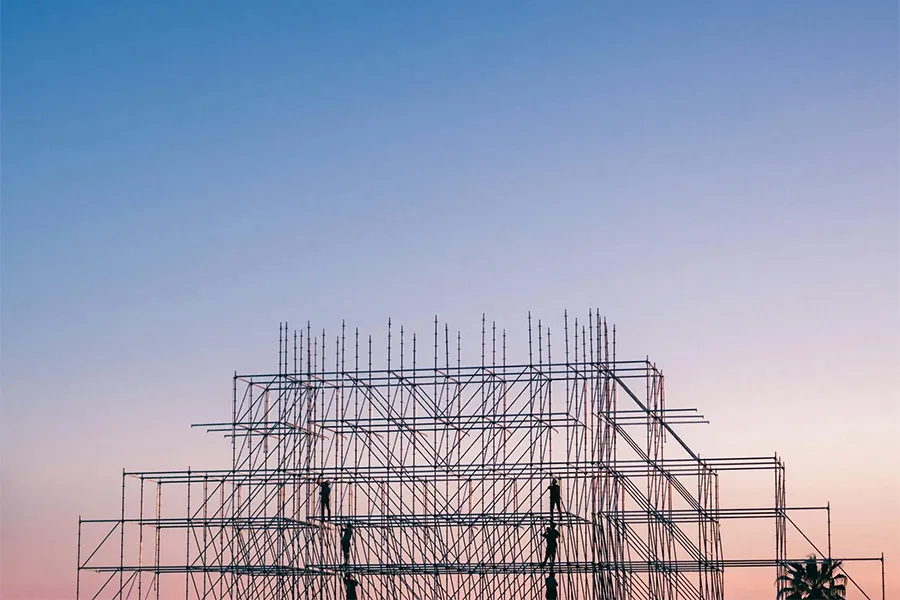
Metalworking is a broad field. It involves shaping, machining and assembling metal components. Whether you need a simple piece of metal for a small job or a made-to-measure component for a major construction project, metalworking offers a wealth of possibilities. Processes include welding, cutting, drilling and shaping metal into specific forms. Metal is highly versatile, making it suitable for both structural applications and aesthetic designs.
The different types of metal
Not all metals are the same, so the right material for your project will depend on your requirements. Whether you choose steel, aluminium, copper or stainless steel, each metal has its own unique properties. Steel, for example, is strong and durable, making it ideal for large structures. Aluminium, on the other hand, is lightweight and corrosion-resistant, making it perfect for outdoor use or applications where weight matters. Stainless steel is often chosen for its clean appearance. It is always a good idea to take the time to learn about the properties of the material.
Why choose a bespoke solution?
Every project is unique, and standard metal components often do not fit your requirements perfectly. Bespoke work by a metalworking company allows metal to be machined exactly as you want, so it always meets your specific requirements. Whether you need a metal staircase, railings or a unique piece of furniture, a bespoke solution is not only functional but also looks great. It also lets you take practical considerations into account, such as the dimensions of your space or the load-bearing capacity you need. The result? A product that does exactly what you want, with no compromises.
The benefits of made-to-measure aluminium
Aluminium is one of the most versatile metals. It is often chosen for its light weight and high resistance to corrosion. Having aluminium made to measure lets you combine all the benefits of the material with a design that perfectly suits your project. This is particularly useful for applications such as:
- Window frames
- Cladding
- Structures that require a clean, modern look
Because aluminium is so easy to work with, you can do almost anything with it: bend it, cut it, weld it, you name it. It is also a sustainable material, which is important if you want to make an environmentally friendly choice.
The metalworking process
Metalworking is a specialised skill. It involves several steps, depending on what you need. In many cases, it starts with a design or technical drawing, which makes clear exactly what needs to be made. The metal is then worked, for example by cutting, bending or welding. Some projects also require surface treatments, such as powder coating or galvanising. These provide extra protection or improve the metal’s appearance. It is always wise to work with a professional who understands the process and can advise you on the best approach.
A good metalworking company as your partner
Working with a good metalworking company can make all the difference. These companies have the expertise to make your project a success, from minor modifications to complex structures. The advantage is that many do not just offer standard solutions, but also specialise in bespoke work. You can also draw on their experience and get expert help choosing the right materials. If you have little experience with metalworking yourself, it is a good idea to discuss your requirements and ideas clearly in advance.
Applications of metal in construction
Metal plays a crucial role in construction, both functionally and aesthetically. Examples include load-bearing structures such as steel beams, as well as details such as handrails, façade panels and decorative elements. What makes metal so appealing is the combination of strength and flexibility. It is strong enough to support heavy loads, yet can also be shaped into almost any form. Metals such as aluminium and stainless steel are also low-maintenance, making them ideal for long-term applications. Metal’s versatility opens up all kinds of possibilities in construction, from modern and sleek to classic and ornate.
Finding the right balance between cost and quality
It often comes down to balancing cost and quality. Cheap metal may seem appealing in the short term, but it can cause problems later, such as rust or distortion. Investing in high-quality materials and workmanship always pays off, especially if you want a durable result. If you are working to a limited budget, you can explore alternatives with a specialist that fit your price range without compromising on quality. Agreeing the design, materials and finish clearly in advance can help avoid surprises later on.
Question about this story? Ask your question
Keep following this
Get an email when a new story is published. No account needed.
- SubjectNews







