









Identifying and eliminating environmental risks in good time
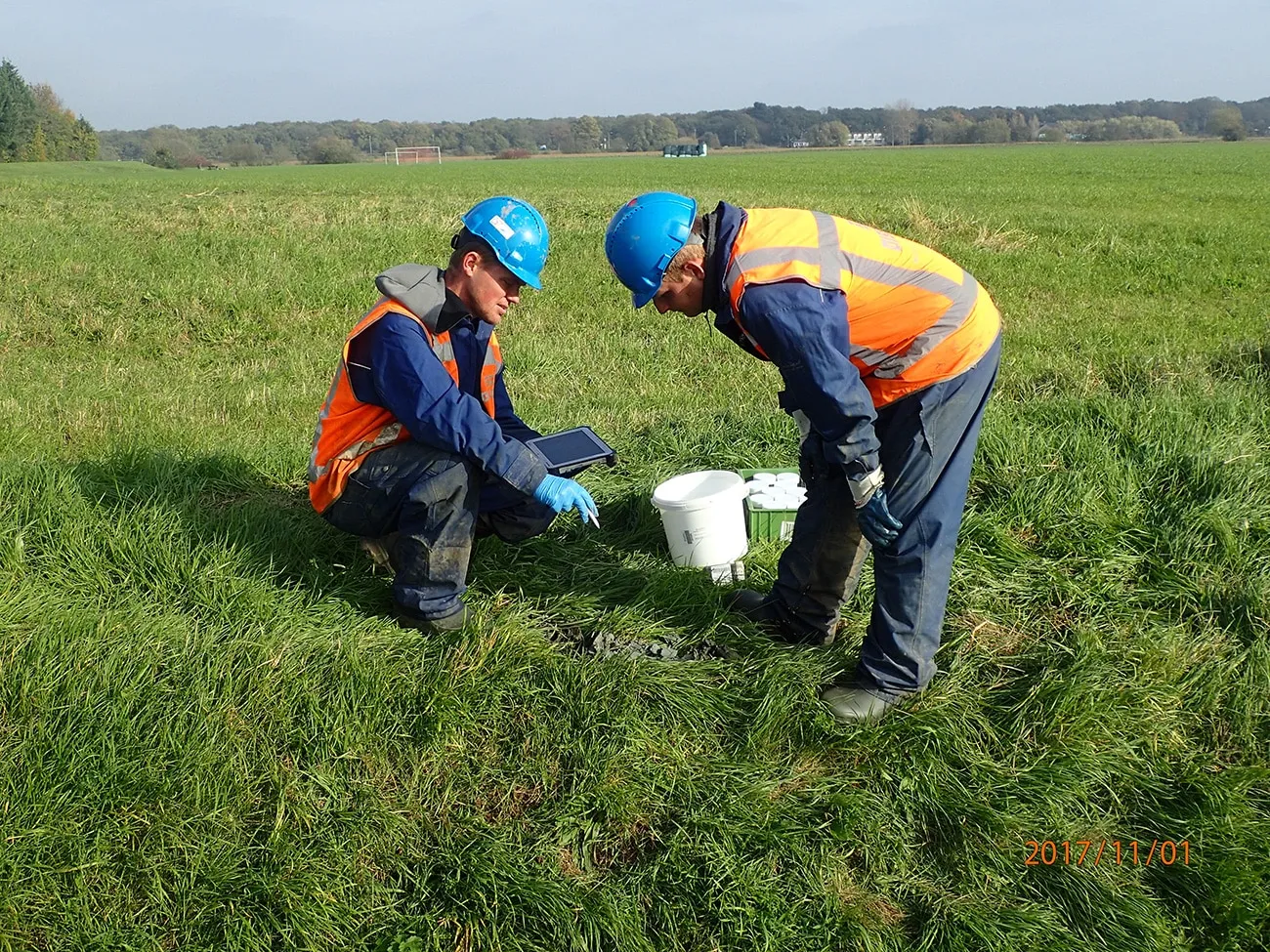
The strengthening of the Waaldijk between Wolferen and Sprok covers a stretch of around thirteen kilometres. To ensure that construction joint venture De Betuwse Waard does not encounter unexpected environmental risks during the works, Diseo identified and eliminated as many risks as possible during the preparatory phase. This reduces the likelihood of delays during the works.
Diseo is no stranger to the partners in De Betuwse Waard. “We have already worked together on a dike strengthening project and a Room for the River project,” says Rudo Koster, co-owner of the environmental soil consultancy and investigation firm. “When this contract came to market, we were asked to identify the opportunities and risks. That means looking at opportunities to reuse soil within the project, and risks relating to contamination or restrictions on reuse. Risks in particular can have a considerable impact on the programme. That is why it is important to address them well before the works begin.”
Interfaces
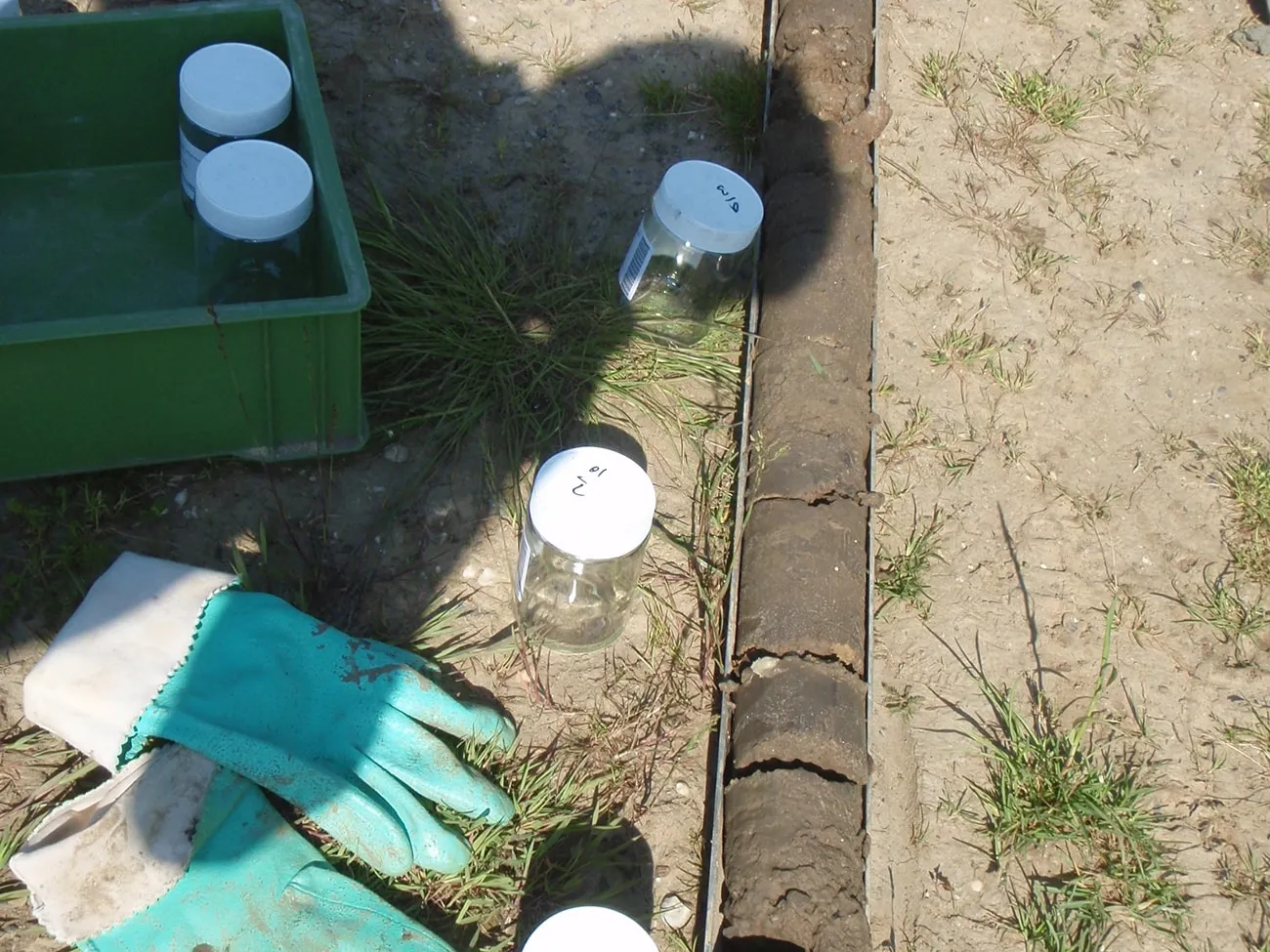
The risks are identified with great care. “We obtain previous investigation reports and study historical maps to predict where possible contamination may be present,” Koster explains. “We then go out into the field to assess the environmental risks in much greater detail: what is the quality of the soil we find, and what can we do with it? The results of the boreholes may mean that we need to investigate contamination in more detail. In this respect, our work clearly interfaces with archaeological investigations and unexploded ordnance surveys. We are familiar with these areas of expertise and coordinate our work to make the most of these interfaces.”
On standby
At Wolferen-Sprok, Diseo found contamination at several access roads and slip roads. “Because these risks were identified, delineated and remediated at an early stage, they will not cause delays for the joint venture during the works,” says Didi de Jong, project manager at Diseo. “We also remain on standby throughout the works. We carry out soil batch inspections for soil leaving the project and support the joint venture if anything unexpected arises. If a new ‘case’ comes to light, we can be on site quickly. This is unlikely to have much impact on the programme, however, because the major disruptions have already been addressed during the preparatory phase.”
Several competent authorities
According to Koster, managing environmental risks on projects of this scale means knowing the rules inside out. “As well as providing the joint venture with practical advice, we also coordinate with the competent authorities, of which there are several on Wolferen-Sprok. We identify potential bottlenecks, keep up to date with all the legislation and regulations, NEN standards and protocols in our specialist field, and translate these into investigations tailored to the work the contractor will carry out on site. This ensures that the risks are managed and prevents construction joint venture De Betuwse Waard from encountering unexpected environmental risks during the works.”
Question about this story? Ask your question
Keep following this
Get an email when a new story is published. No account needed.
- SubjectNews







