









Grebbedijk area development: a major project with national priority
Text Rick van der Meijs, senior projectleider / hoofd projecten Waterbouw bij lv Beeld Waterschap Vallei en Veluwe
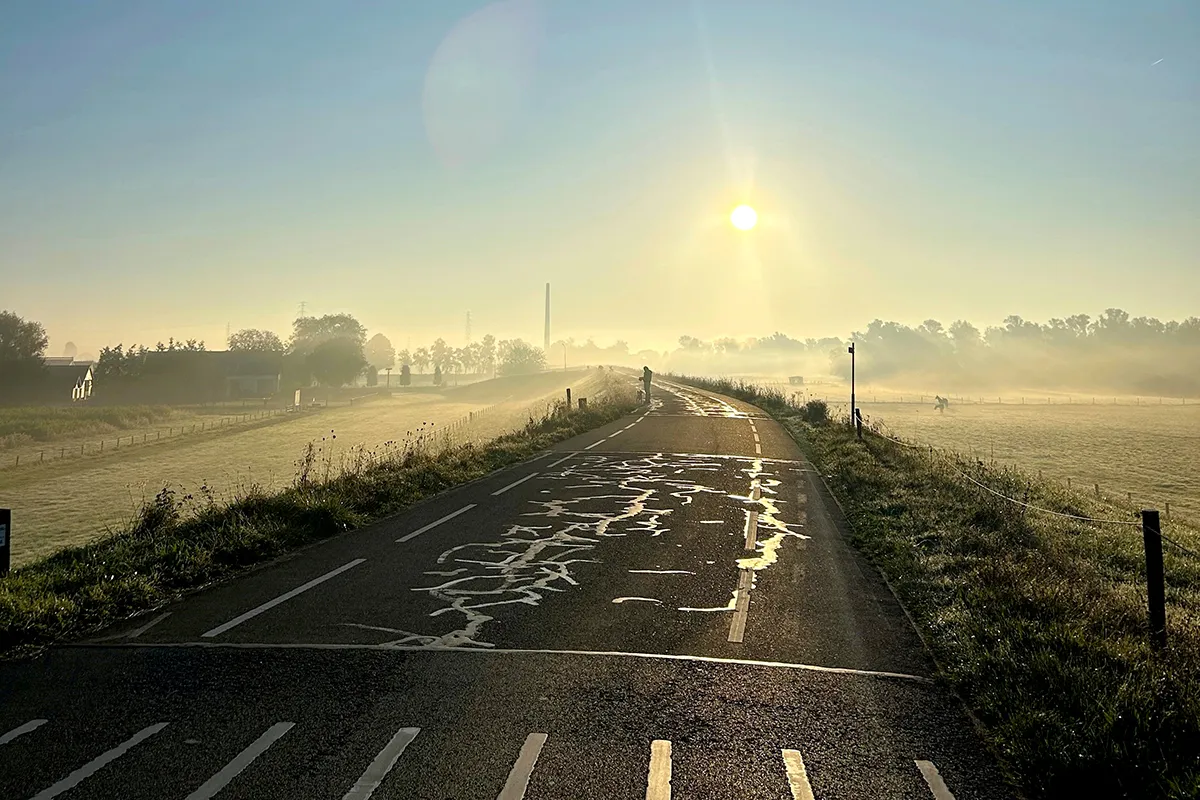
The centuries-old Grebbedijk between Wageningen and Rhenen is on the eve of a complex reinforcement project, combined with forward-looking area development. Although the dike is relatively short at 5.5 kilometres, it is vital to safeguarding flood protection. If the dike fails, the consequences will be enormous and floodwater could reach Amersfoort. The project is therefore a national priority under the Flood Protection Programme (HWBP). On 31 October 2025, contractors Boskalis Nederland and Wetering signed the contract to deliver the Grebbedijk area development together with Waterschap Vallei en Veluwe. Iv is working with the consortium to develop the integrated design.
An urgent challenge
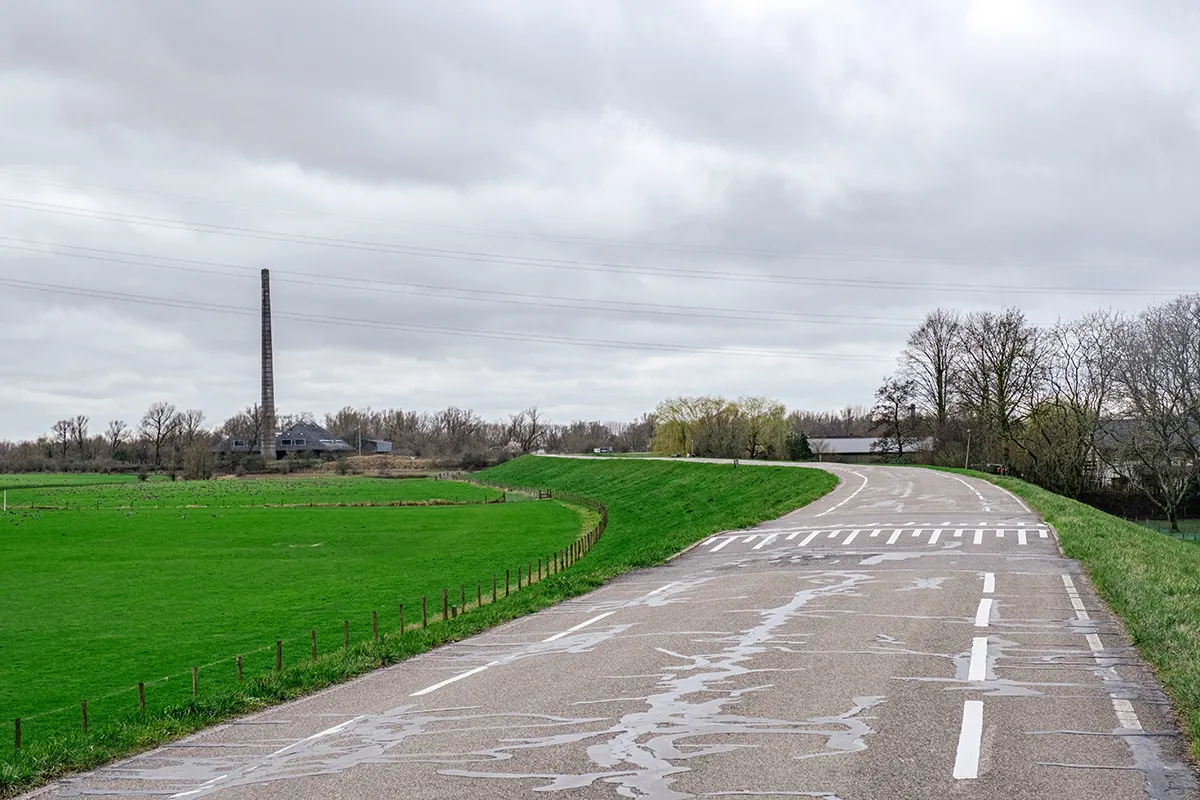
In 2017, new standards for flood protection were incorporated into the Water Act. These new safety standards consider not only the strength of the dike itself, but also the potential damage if it were to fail. In 2017, Waterschap Vallei en Veluwe reassessed the Grebbedijk and found that it did not meet the current flood protection requirements. This project will reinforce the dike in a sustainable, future-proof way, so that it once again meets the statutory safety standard and can continue to protect against high water levels in the Nederrijn.
Seizing opportunities for area development
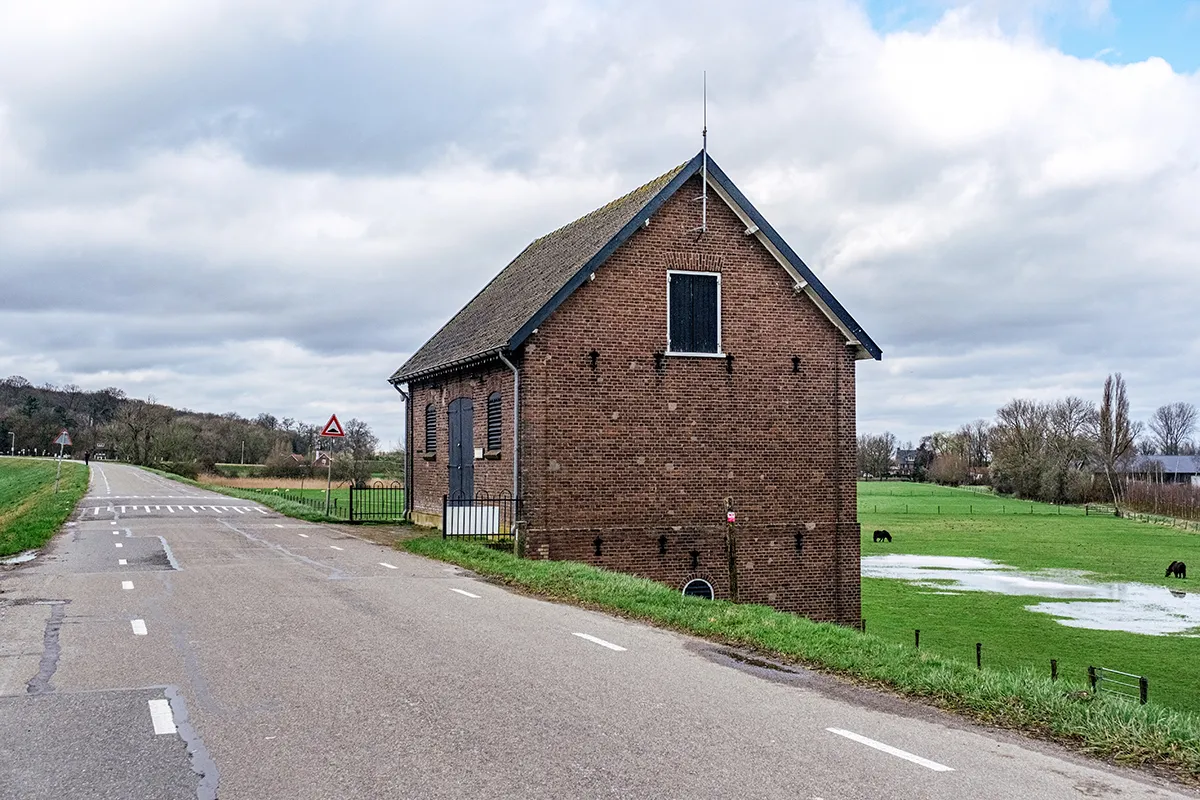
The area development is exceptional and complex in several respects. Flood protection and the dike reinforcement are central, while the opportunity is also being taken to enhance the surrounding natural environment and make the area more attractive for recreation. This involves challenging elements such as demolishing the Witte Sluis, an old drainage sluice, integrating longitudinal structures and raising ground levels close to listed buildings such as the Dijkmagazijn, the Rijnschans and the Dijkstoelhuis, and designing a WFD channel for the Water Framework Directive (WFD) measures. The WFD stipulates that water bodies must provide a good habitat for the plants and species that belong there.
Space is limited for the Grebbedijk reinforcement, particularly near buildings and listed structures. We engineer new longitudinal structures, such as steel sheet piles, using precise calculations to determine the right type, length, strength and location. Existing structures in the dike are also analysed in depth to ensure they meet the safety requirements for the 2075 reference year.
In the rural area, the challenge is to integrate the support berm in a way that best meets the ambitions set out in the spatial quality framework. To address the piping failure mechanism, the formation of sand-carrying boils, the design team will assess which vertical solution is the best fit: a heave screen, vertical sand-tight geotextile, coarse sand barrier or synthetic filter screen.
Sustainability and innovation
The project is being delivered with the aim of creating a sustainable dike, minimising environmental impact during construction and maintenance. The dike will be built as circularly as possible. Innovation plays an important role in this. For example, innovations during the preparatory phase have substantially reduced the required increase in dike height. To support sustainability, as much existing material as possible will be reused in the area, including soil, sheet piles and grass cover. A pile-driving trial will also be carried out to establish in advance the best construction method in terms of disturbance to the surrounding area from vibration and noise. The trial results will be incorporated into the design, and alternative construction methods will be selected where necessary to minimise disturbance to the surrounding area.
Project schedule
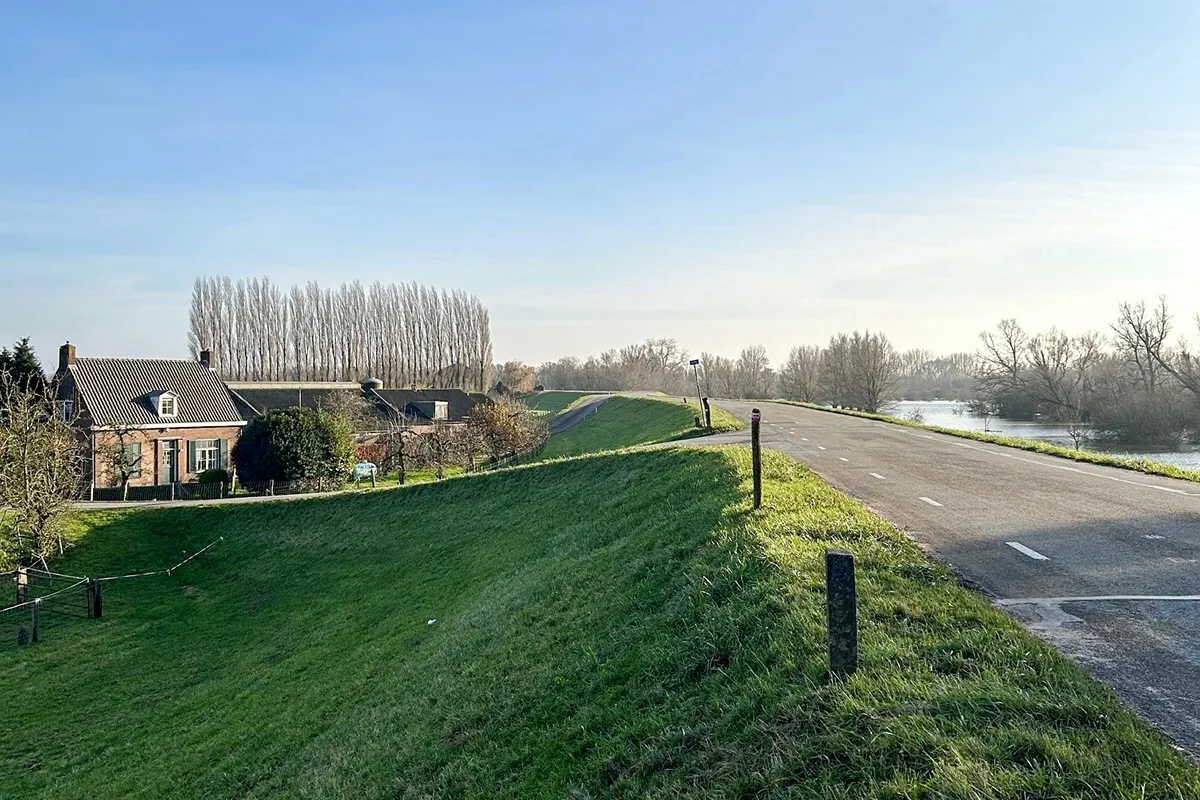
Awarding the construction contract to the Boskalis and Wetering consortium (the Konikswaard joint venture) marks the first step in the delivery phase. Over the coming period, the integrated design and construction design will be developed. Work on site will begin in early 2027. The aim is to complete the project by 2030 at the latest.
Have a business enquiry for Boskalis Nederland? Get in touch
Who worked on Gebiedsontwikkeling Grebbedijk
- contractorWeteringIn this story
Keep following this
Get an email when a new story is published. No account needed.
- ProjectGrebbedijk area development
- ThemeFlood protection and climate-resilient water management
- SubjectNews
- CompanyBoskalis Nederland
- CompanyWetering







