









Fides Expertise: Monitoring the effects of construction, demolition and civil engineering works
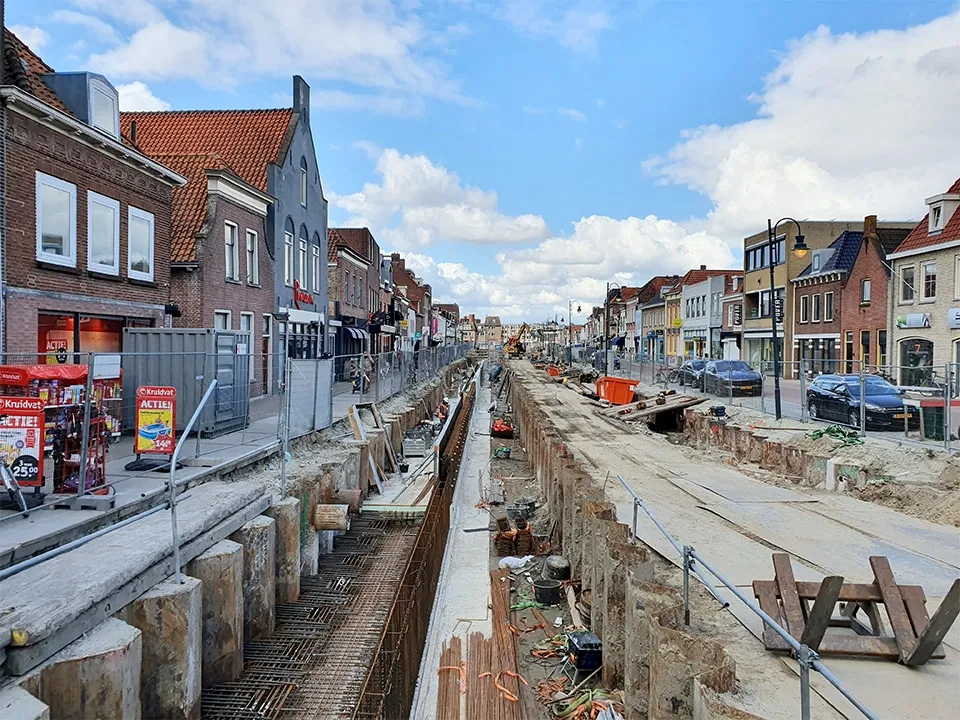
What gets measured gets managed. We all know the saying. But the importance of measurement data at the various stages of project delivery is often underestimated.
Fides Expertise, a building damage assessment and consultancy firm, has years of experience inspecting, monitoring and reporting on risks and damage across a wide range of construction, demolition and civil engineering projects. Fred Pannekoek, the company’s managing director, explains: “The primary aim of monitoring is to prevent nuisance and damage. Monitoring provides measurement data as work is carried out on a project. By taking a risk-based approach, we continuously track the effects of the work. This allows us to prevent potentially harmful consequences.”
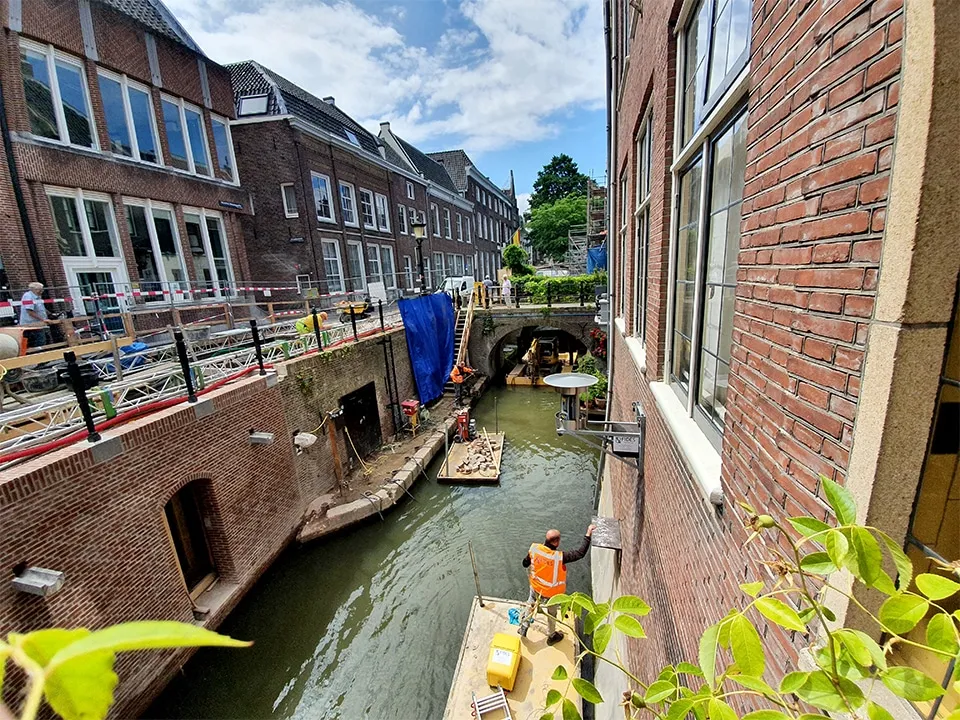
Measured values
Different types of measurements are taken at the various stages of monitoring. “We track changes in vibration, noise, deformation and groundwater levels,” Pannekoek continues. “Throughout the construction process, measured values are compared with the intervention and stop thresholds set out in the monitoring plan. If an intervention threshold is reached during the works, the data is validated immediately and, where necessary, an alternative method of working is proposed. The results can therefore demonstrate that the work is being controlled and carried out in accordance with current regulations.”
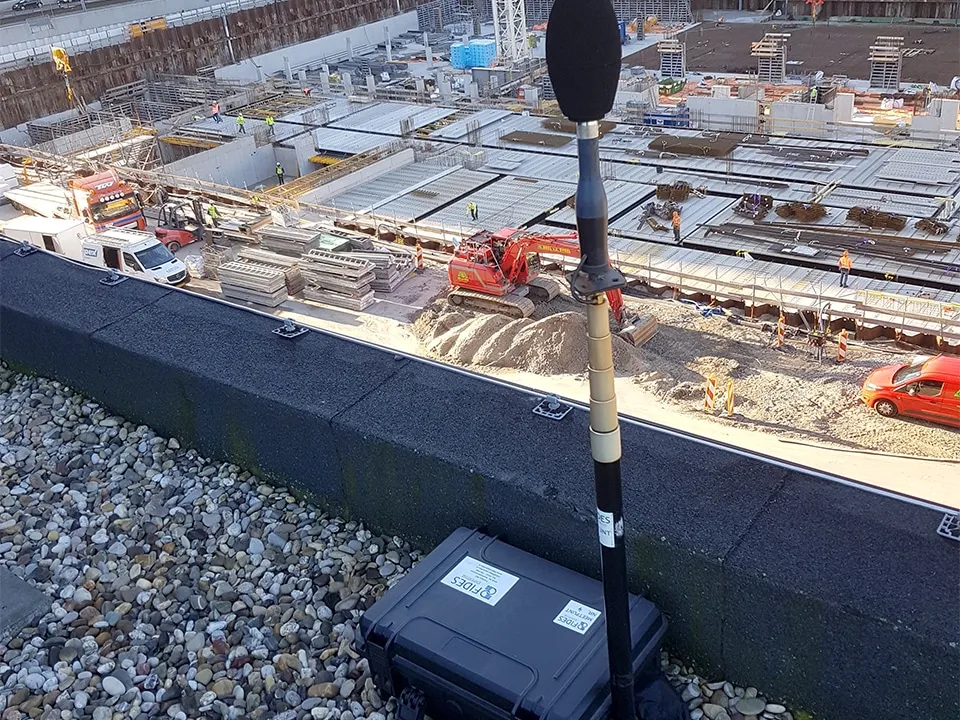
A clear approach
Professional monitoring by an independent, expert monitoring contractor, carrying out the work in-house and in accordance with current regulations, gives the client clarity and confidence. It also minimises the risk of damage, preventing knock-on issues such as reputational damage. Fides Expertise’s clear approach ensures open and honest communication with the local community and other stakeholders. “We believe it is important to work to clear quality standards, including those set by the BRL and SBR,” Pannekoek continues. “Clients who hire us to monitor a project can be confident that our results meet the applicable guidelines. Because we carry out all monitoring disciplines in-house, we have short lines of communication and can respond quickly.”
Pre-construction building condition surveys
As well as monitoring the effects of work on the surrounding area during a project, Fides Expertise also carries out pre-construction building condition surveys. Since February 2014, the company has held the KOMO process certificate BRL 5024 for conducting these surveys. An important quality requirement of BRL certification is that the accredited body (SKG-IKOB) carries out random on-site inspections. For these surveys, it checks in detail that all defects have been recorded in the report. Pannekoek says: “We helped initiate this quality improvement and were therefore closely involved in developing the assessment guideline. The survey requirements in BRL 5024 were drawn up in collaboration with insurers, loss adjusters, water authorities and the insurance platform for government bodies.”
Vibration monitoring
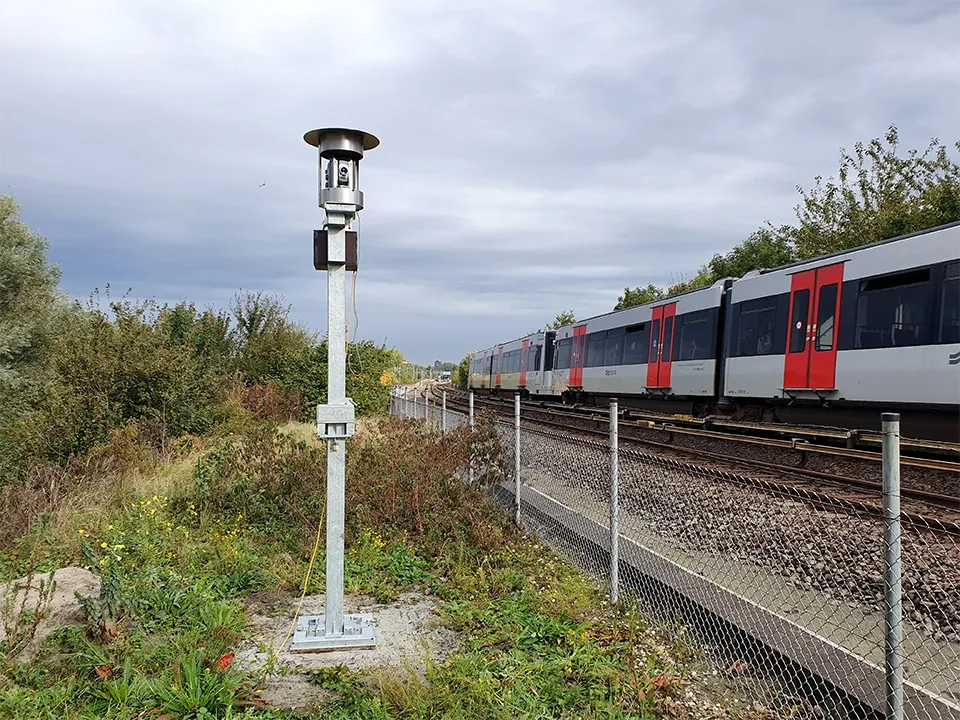
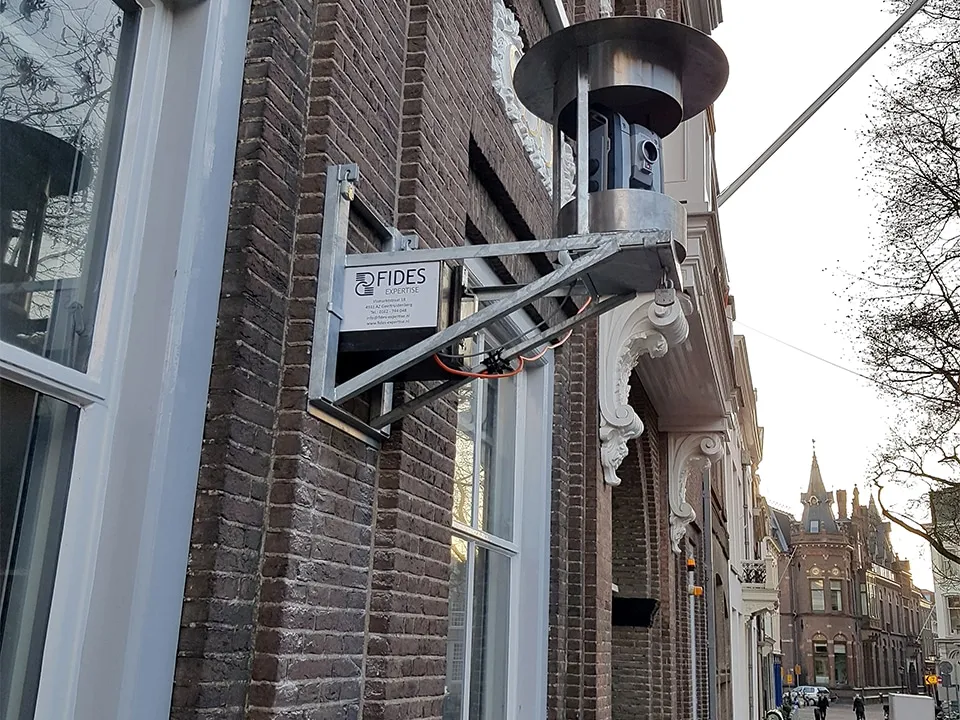
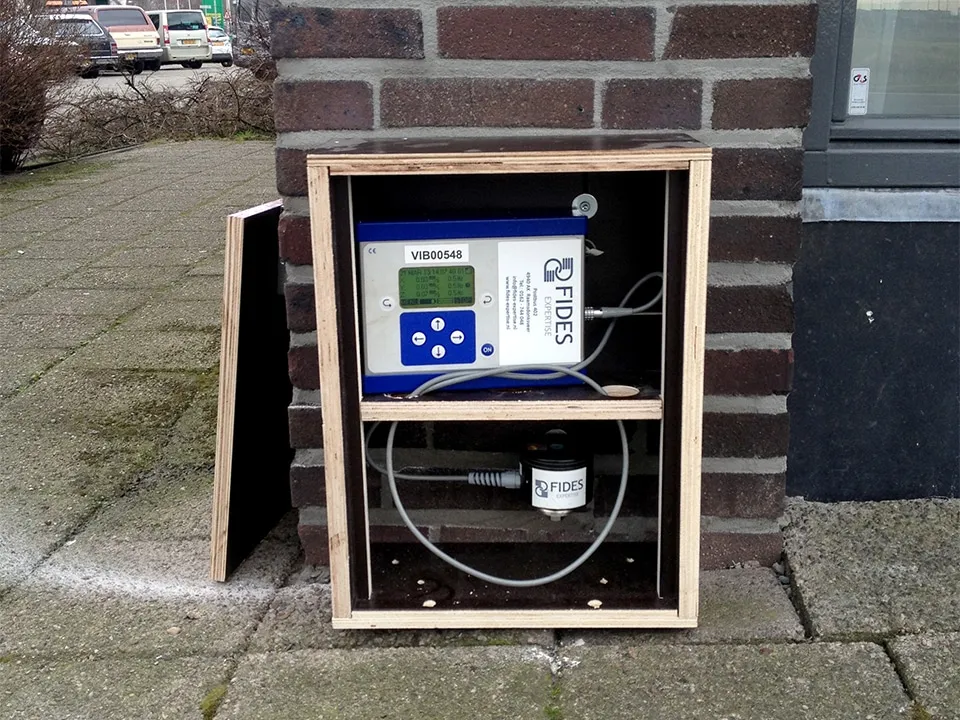
Fides Expertise has held another process certificate, BRL-5023 for vibration monitoring, since 2013. This assures every client that Fides Expertise measures vibrations in accordance with the applicable SBR-A guideline from 2017. An important quality requirement of BRL certification is that the accredited body (SKG-IKOB) carries out random on-site inspections. Pannekoek says that having vibration measurements taken by a certified measurement bureau ensures that they are carried out correctly in accordance with SBR, and that the results will not be called into question in the event of proceedings. “We install our monitoring systems in an anti-vandalism cabinet, so we can be sure that third parties cannot interfere with or disrupt the measurements,” Pannekoek adds.
Expansion of BRL 5023
“We are now part of the working group looking at expanding BRL-5023,” Pannekoek continues. “BRL-5023 is to become a comprehensive monitoring standard, also covering noise measurements, groundwater level measurements and all types of deformation measurements.” The request to expand it into a comprehensive monitoring standard came from the Verbond van verzekeraars. It was prompted by major differences in quality between monitoring contractors, as well as the use of unsuitable measurement techniques and insufficient measurement intervals.
Level and deformation measurements
Monitoring buildings in the surrounding area always starts with a thorough baseline survey. Traditionally, this is usually done by means of settlement monitoring (precise levelling). Survey points are installed in building façades, and their elevation is checked periodically. The measurement frequency depends on the situation and the work being carried out. If a threshold is reached, the need for further action is assessed on a case-by-case basis. “However,” says Pannekoek, “we are seeing growing demand for active monitoring systems such as the Robotic Total Station (RTS), particularly on complex urban construction projects. Our own RTS set-ups give us extensive experience in carrying out automated XYZ measurements.”
We use the latest Trimble survey equipment and, combined with the right monitoring prisms, achieve measurement accuracy of under 1 mm. Automated XYZ measurements cannot be made more accurately. Fides Expertise uses RTS systems on projects including quay wall repairs and urban sewer projects involving sensitive buildings. “We also monitor deformations caused by loads on car park floors built using newly developed slab systems.” The equipment issues direct email alerts at three levels: attention, warning and alarm. The frequency can be set as required, and an alert is also issued if a prism is not measured, for example because of an obstruction.
Monitoring requirements
Whatever type of monitoring is required, it is always tailored to the work. A risk assessment is often carried out during the design phase and used, among other things, to determine the monitoring requirements for a project. Fides Expertise’s advisers can provide guidance on monitoring, or how to optimise it, at this stage or later in the project. “We take a critical look at what is technically necessary and what might be added for tactical reasons. During the pre-construction surveys, of course, we already contact residents to ask permission to install monitoring prisms, survey bolts and vibration meters on their homes. Pannekoek concludes: “Fides Expertise’s experienced specialists, combined with our optimised processes and extensive expertise, deliver professional monitoring you can rely on.”
Question about this story? Ask your question
Keep following this
Get an email when a new story is published. No account needed.
- SubjectNews







