









Everything you build has an impact on mobility
The most significant development in the construction industry is linked to the Paris Agreement on climate change.
The whole world is already feeling the effects of climate change, including extreme weather events such as droughts, heatwaves and landslides. To limit global warming to 1.5 °C, achieving CO2 neutrality by 2050 is essential.

One of the sectors covered by agreements is the ‘built environment’, which is set to undergo a sustainability transformation. More than 7 million homes and 1 million buildings must be disconnected from natural gas by 2050. The first step is to make the first 1.5 million existing homes more sustainable by 2030. Property owners therefore have no choice but to take action.
Changes are already becoming apparent in the short term. For example, existing office buildings must have an energy label of at least C. This requirement could become more stringent in light of longer-term climate targets. In addition, new buildings must meet the BENG requirements, ensuring that all new buildings are (nearly) energy-neutral, in both the residential and non-residential sectors.
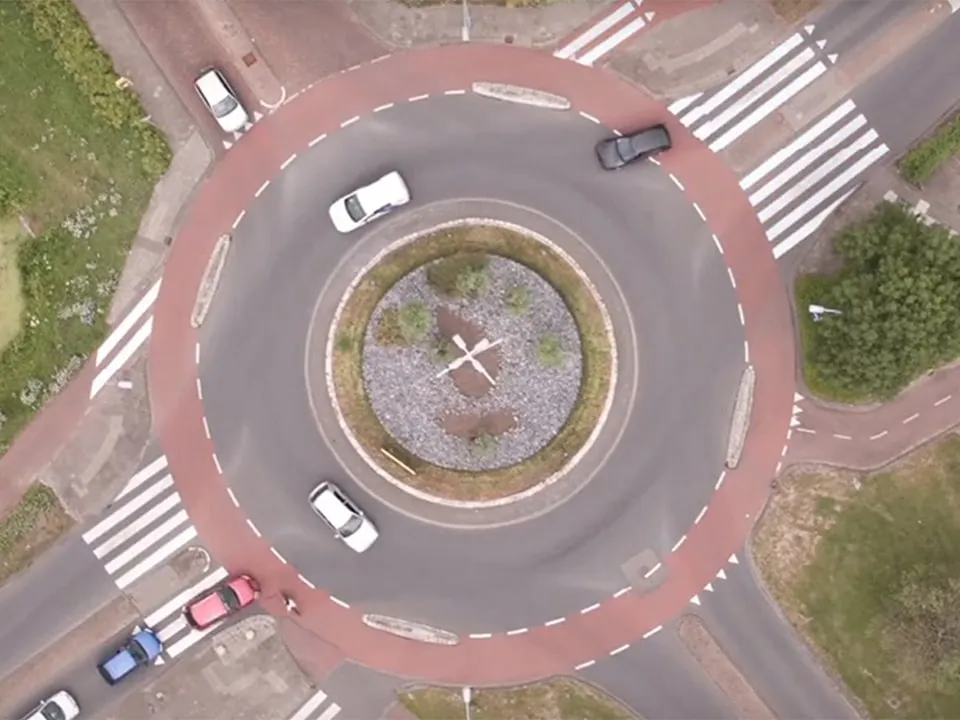
Changes in mobility also affect existing property. The national government aims to deliver hassle-free mobility for everyone, everywhere, by 2050: no emissions, excellent connectivity and accessibility for young and old, rich and poor, able-bodied and disabled. Attractive, liveable, well-connected areas and villages, where mobility links home, work and leisure. This will change the streetscape. More and more municipalities are also opting to restrict car use in cities. The primary aim is to reduce CO2 emissions, but cars also take up a lot of space in cities.
The city’s structure will change
We will adapt the existing structure of the city. In one of our segments, we are seeing a number of developments related to mobility and changes in cities. Car parks are increasingly being built on the outskirts of cities, making it possible to travel sustainably to the centre, for example by electric bus, (shared) bicycle or other innovative modes of transport.
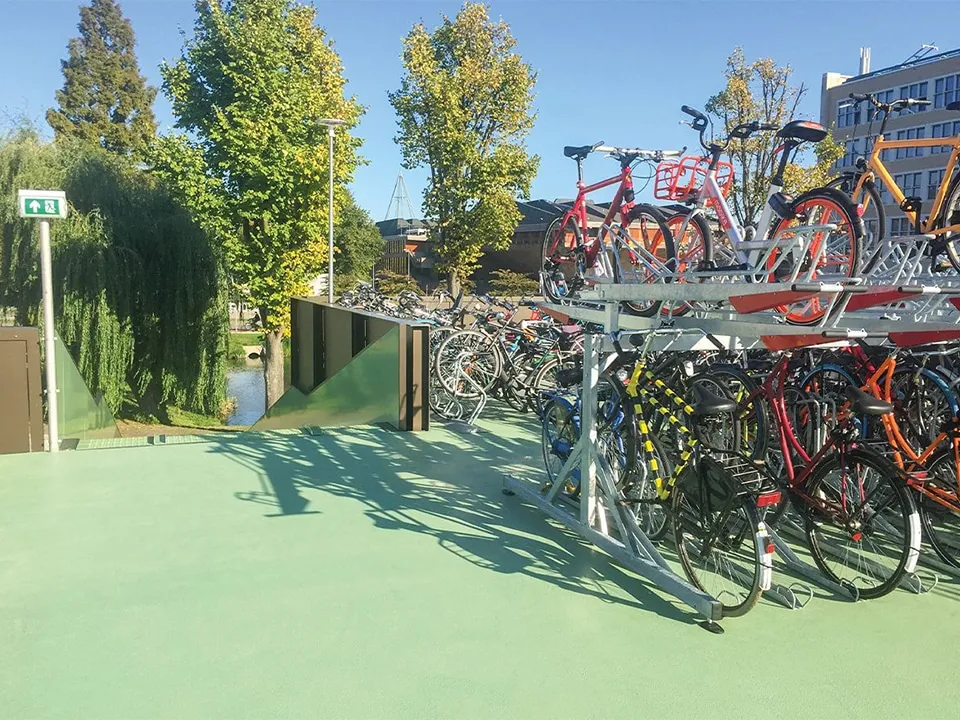
By contrast, more bicycle parking facilities are being built in city centres. Cycling is becoming an increasingly popular way to get from A to B in cities, mainly due to the rise of electric bikes. Bicycle parking facilities are therefore becoming increasingly important. Through roads are being replaced by urban streets where only traffic heading to a specific destination is permitted. The traffic situation found in city centres, with plenty of pavements and cycleways, including cycle superhighways, and few roads for cars, is becoming the norm in more and more neighbourhoods. The entire infrastructure is changing. As a result, the city centre is becoming a place to enjoy, work and live.
Would you like to find out more about the options, or do you have another question? Please feel free to contact us on +31 (0)38 460 20 50, email [email protected] or leave a message using the contact form. We will be happy to help.
Question about this story? Ask your question
Keep following this
Get an email when a new story is published. No account needed.
- SubjectNews







